
What ‘ordinary’ images do you make?
Everyday experiences and family memories are important. Even if they are simple things like a family game night or getting the kids to use power tools.
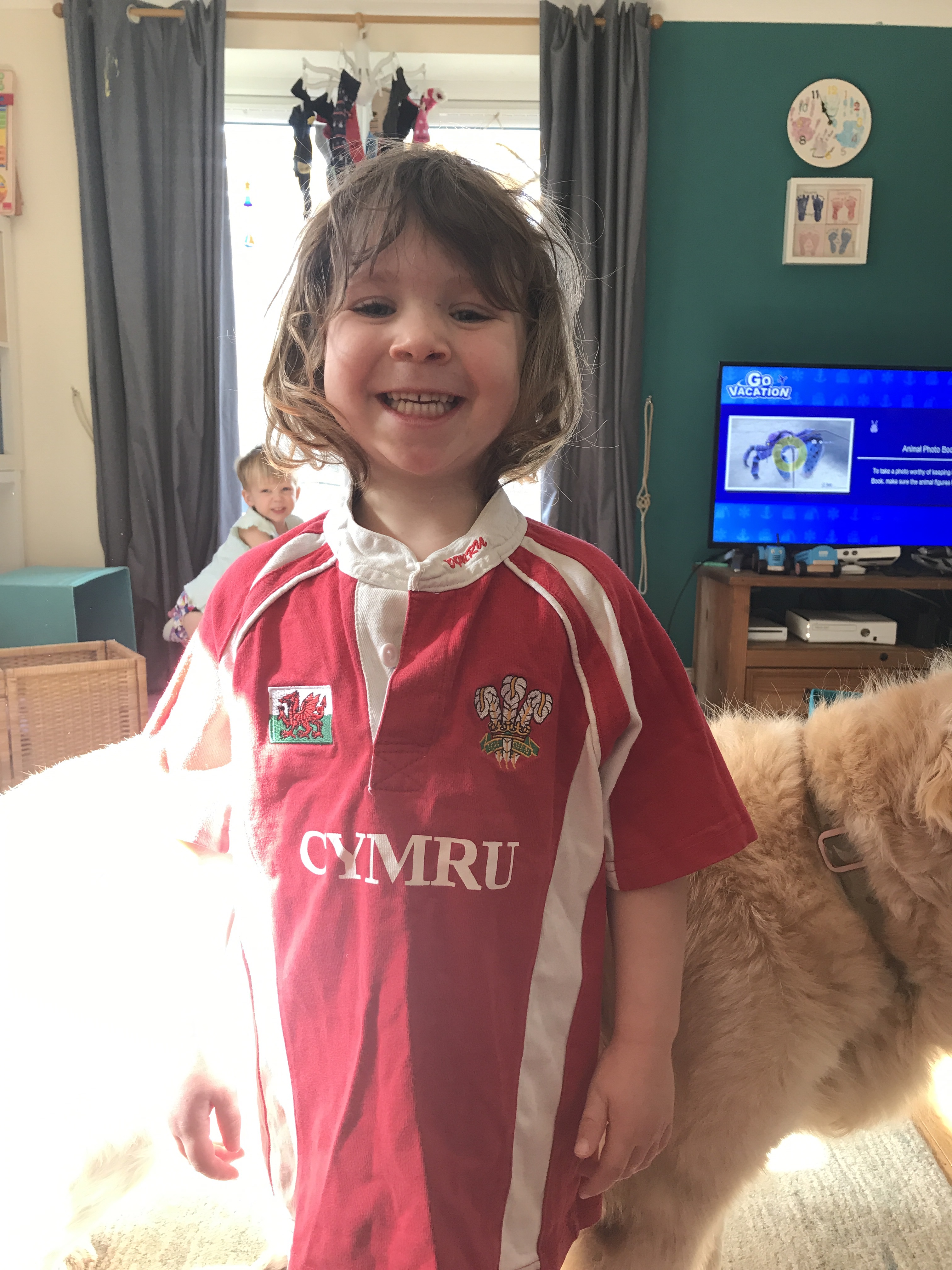
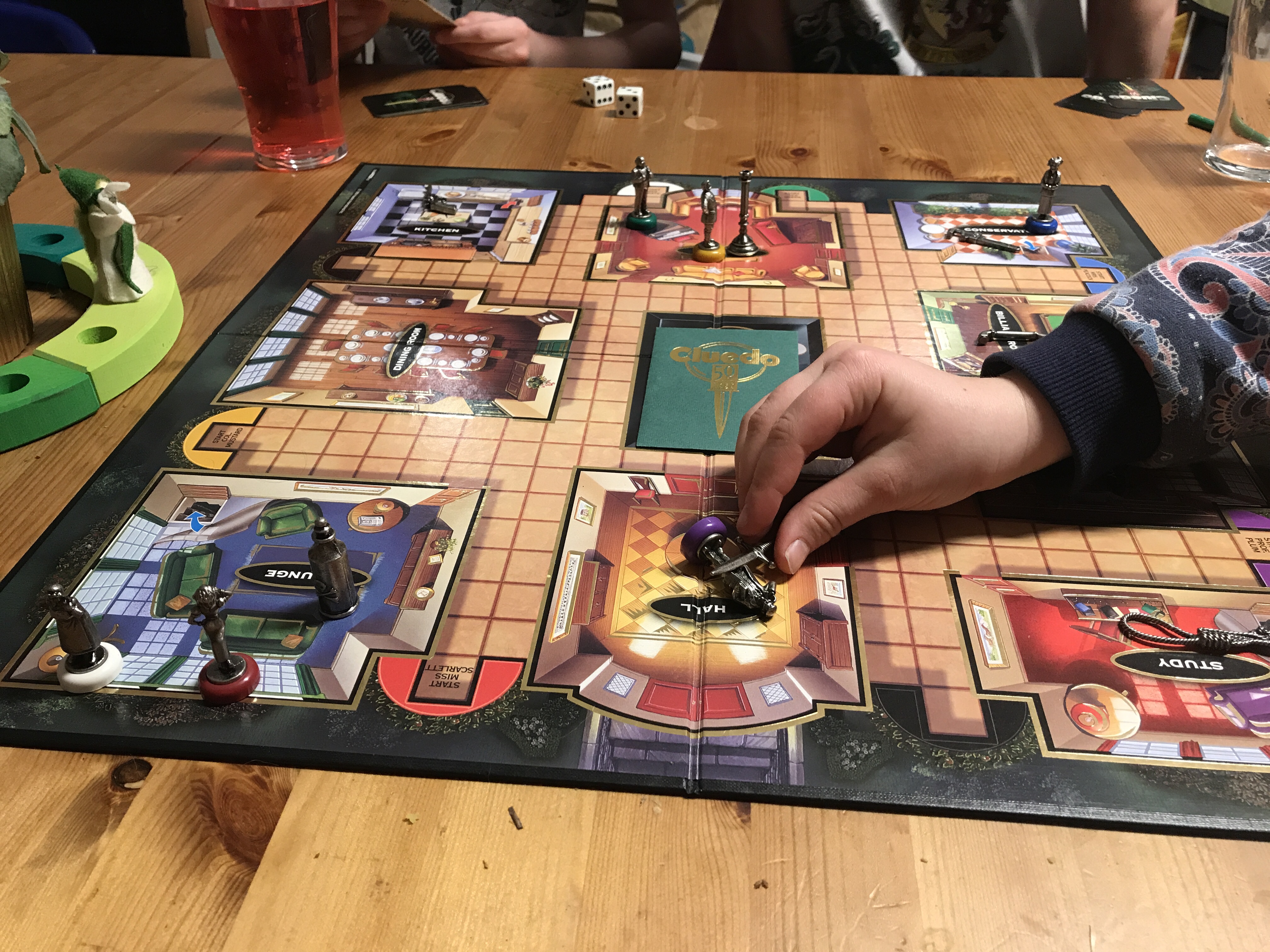
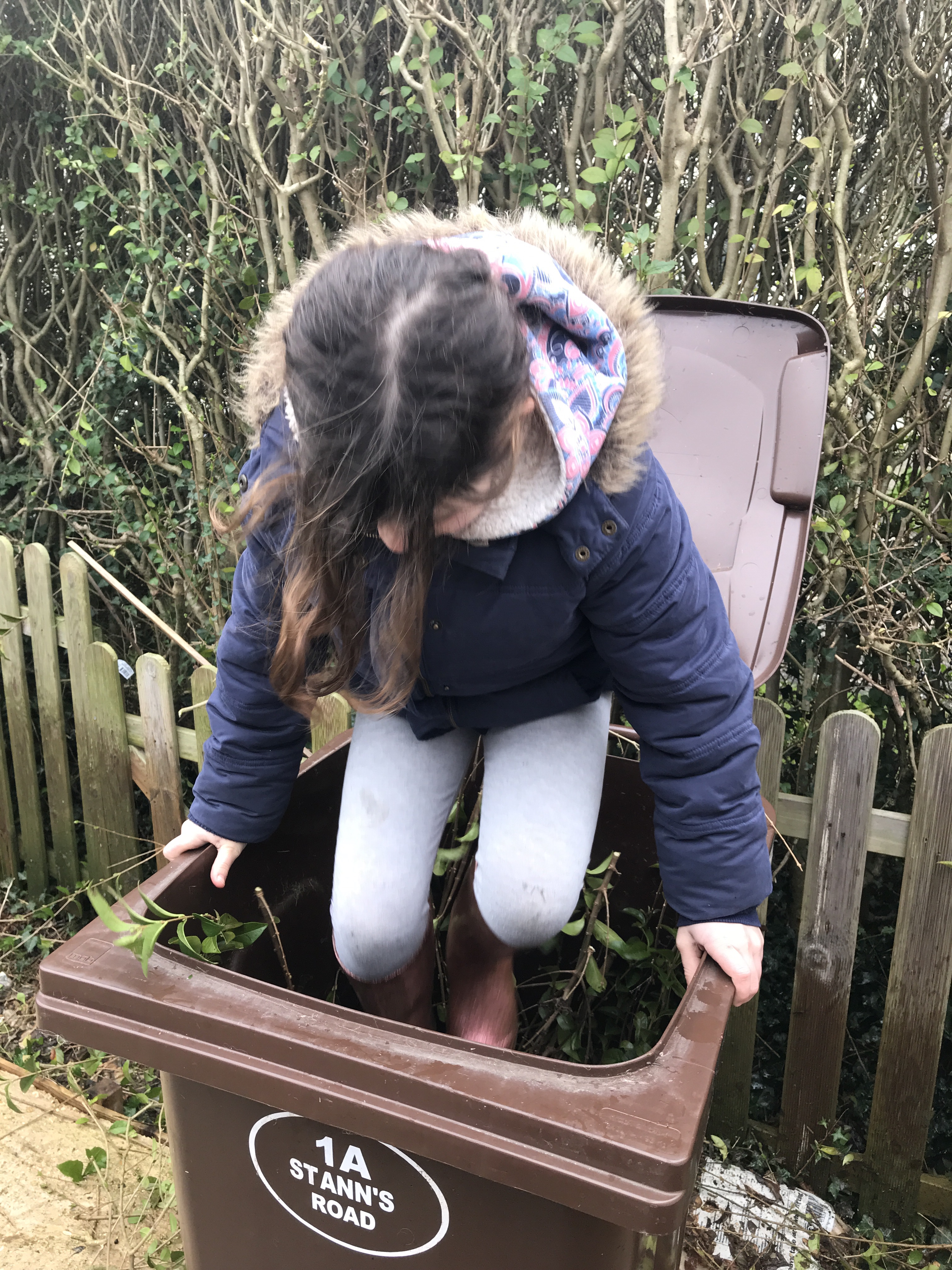
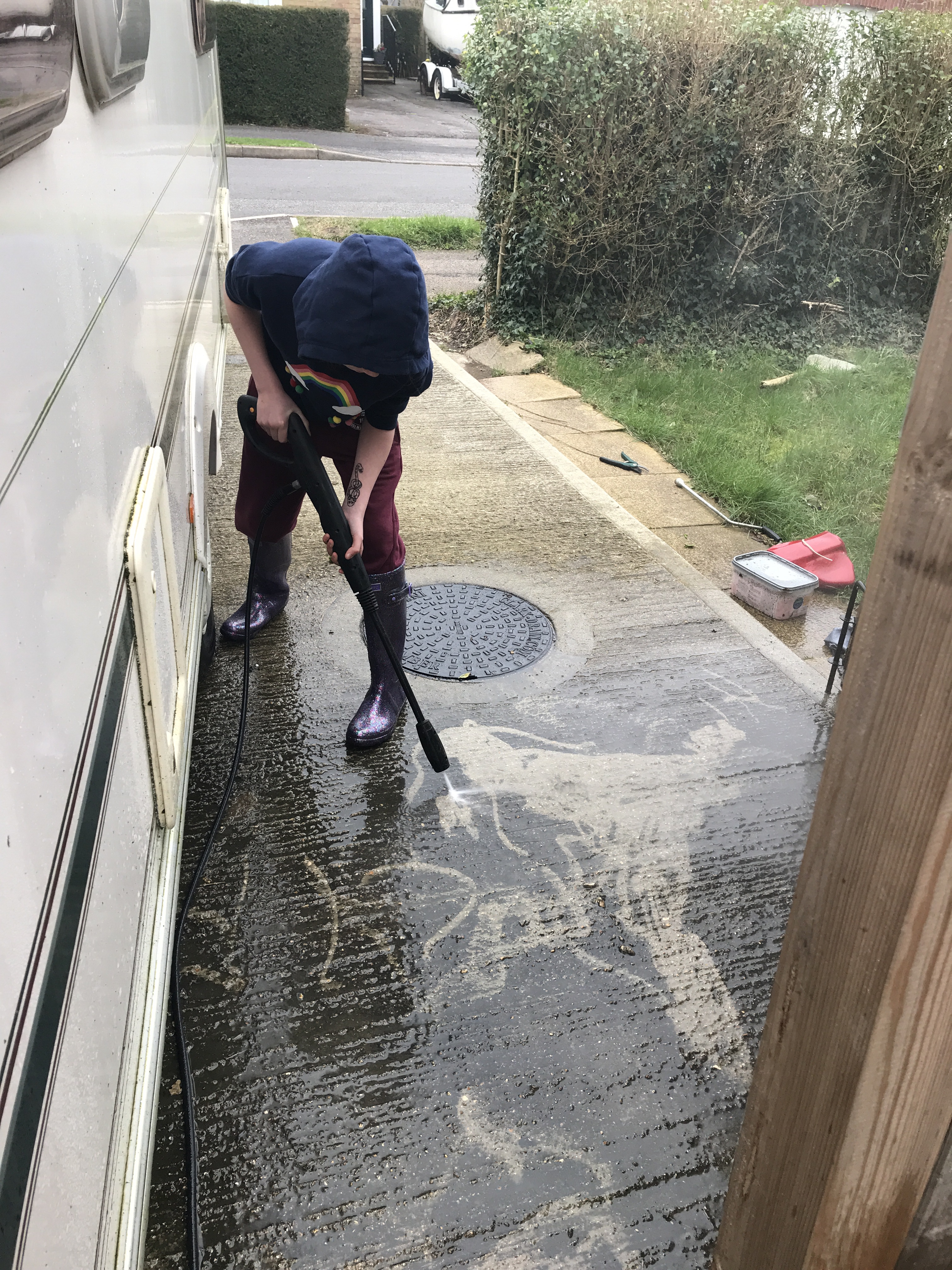
Are they commemorative?
Sometimes they are commemorative, more often they are mundane.
Who is your audience?
The audience is often my social media’s, I share a lot of my family life with my friends and family on there. I am hesitant when sharing family experiences with ‘open’ networks where anyone and everyone can access them.
What devices do you use to make and share them?
I rarely use my ‘proper’ camera for photographing family or experiences. This is largely through convenience than anything else. By using the camera on my phone it is immediately transmittable to whoever I wish.
How important is a ‘mass existence’ over a ‘unique existence’?
Both have their importance. Mass existence increases knowledge and familiarity of the thing while a unique existence can never be truly replaced. There is still a lot of merit in observing and experiencing the real thing. Personally I have never seen the Mona Lisa however I have seen one of the four copies of Edvard Munchs ‘The Scream’. When I did I purchased a fridge magnet of the work from the gift shop at MOMA. This does not mean that I own The Scream however this serves as a link and reminder for me of my experience of seeing the thing itself.
How can a reproduction reach us in ‘our own situation’ today?
The ways of reproductions teaching us in the 21st century are limitless. With our access to the internet and the advent of VR, many galleries have begun creating virtual tours of their rooms and wings.
Are these reproductions valuable in their own right?
These reproductions are valuable in their own right as they close the gap between the viewer and the thing and increase the interaction and presence of the thing in ones everyday conscience.
Are these reproductions important for the ‘actualisation’ of the Mona Lisa?
They have importance however can never replicate the thing itself or the experience one has when viewing it first hand.
What do we want from the digital?
Ease and speed of production are way out in front with this question. The ability to review, delete and reshoot images is key. Instant results allowing photographers both professional and amateur to refine their process and outcome.
From the perspective of a photography teacher, the advent of the digital has vastly broadened the accessibility of the medium and the subject.
What do we expect from the billions of digital cameras?
An unfortunate outcome of the digital camera has been a detachment from experiencing events. When concert going these days it is impossible not to be greeted by a sea of iPhones or the like all held up at arms length. People experiencing the event through their device rather than through their eyes.
Where will all that imagery bring us?
During my undergrad studies, ten years ago now, I made a comment during a lecture which was greeted with laughter but I stand by it. We have today thousands, often tens of thousands of pictures but hardly any photographs. This is to say that the vast majority of the imagery we make never leaves a virtual state to make it into print form.
Or do we not dare to ask?
How do you ‘interrogate’ your images?
My own photographic practices splits into two areas. One would be my ‘actual practice’ and the other would be ‘pretty pictures’. Pretty pictures have less to interrogate but will he discuss more in another question below. My ‘actual practice’ would be open to interrogation and much of it is created with my interrogation carried out prior. A lot of planning and structure before the shutter is released.
How do you want them to be read?
Much of my practice I feel is open to be read however the viewer wishes but the use of project synopsis and concept helps to anchor that body of work into its intended meaning.
Do you recycle and reproduce any cultural myths?
I do not feel that I do however it’s also important to consider how one in their situation cannot always see the cultural myths one reproduces.
Can we be original anymore?
Originality in art and photography is increasingly difficult. It is possible, of course, but with the presence of the internet it is harder to be original.
 Andrews Masters Journey