
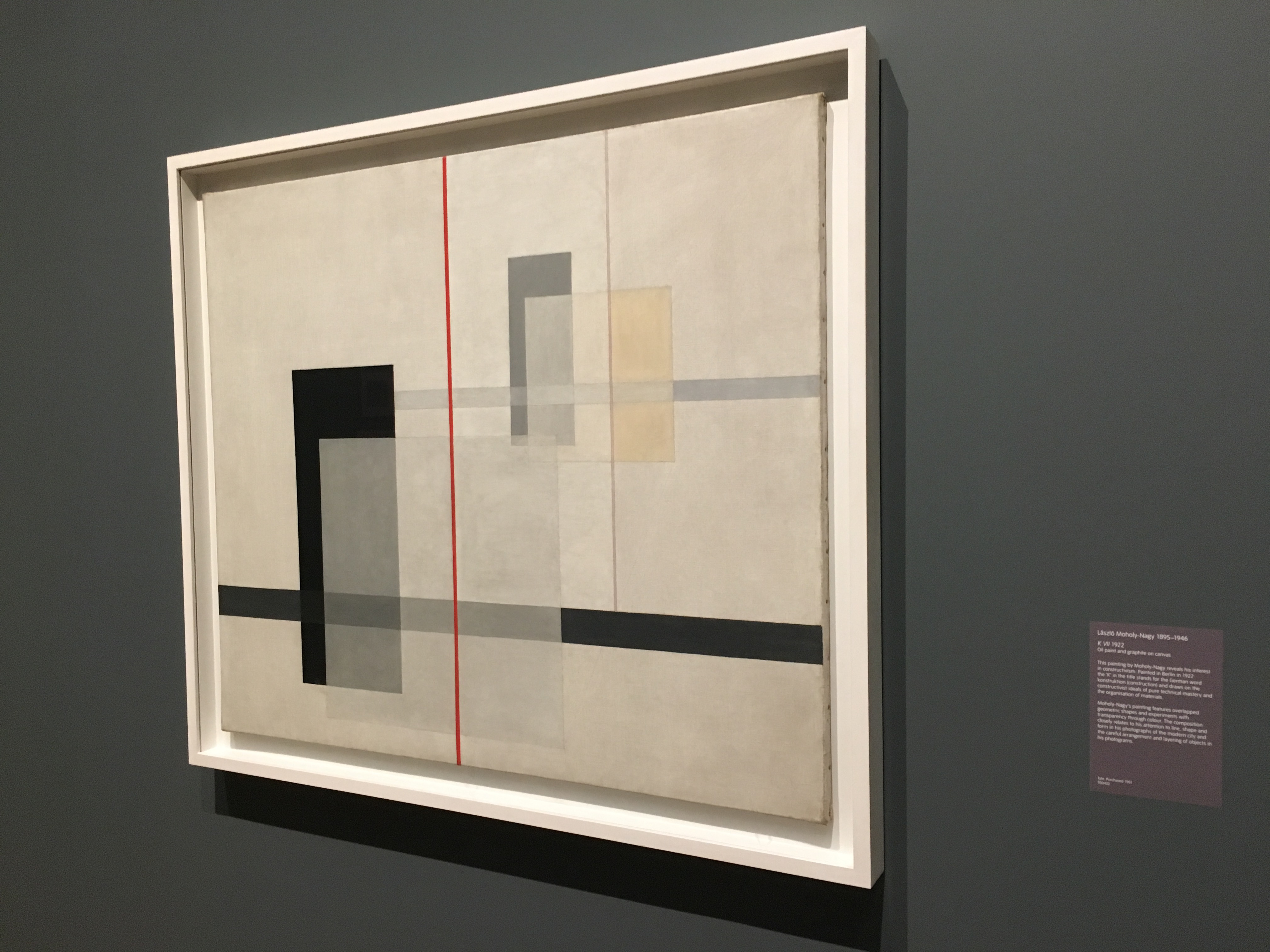
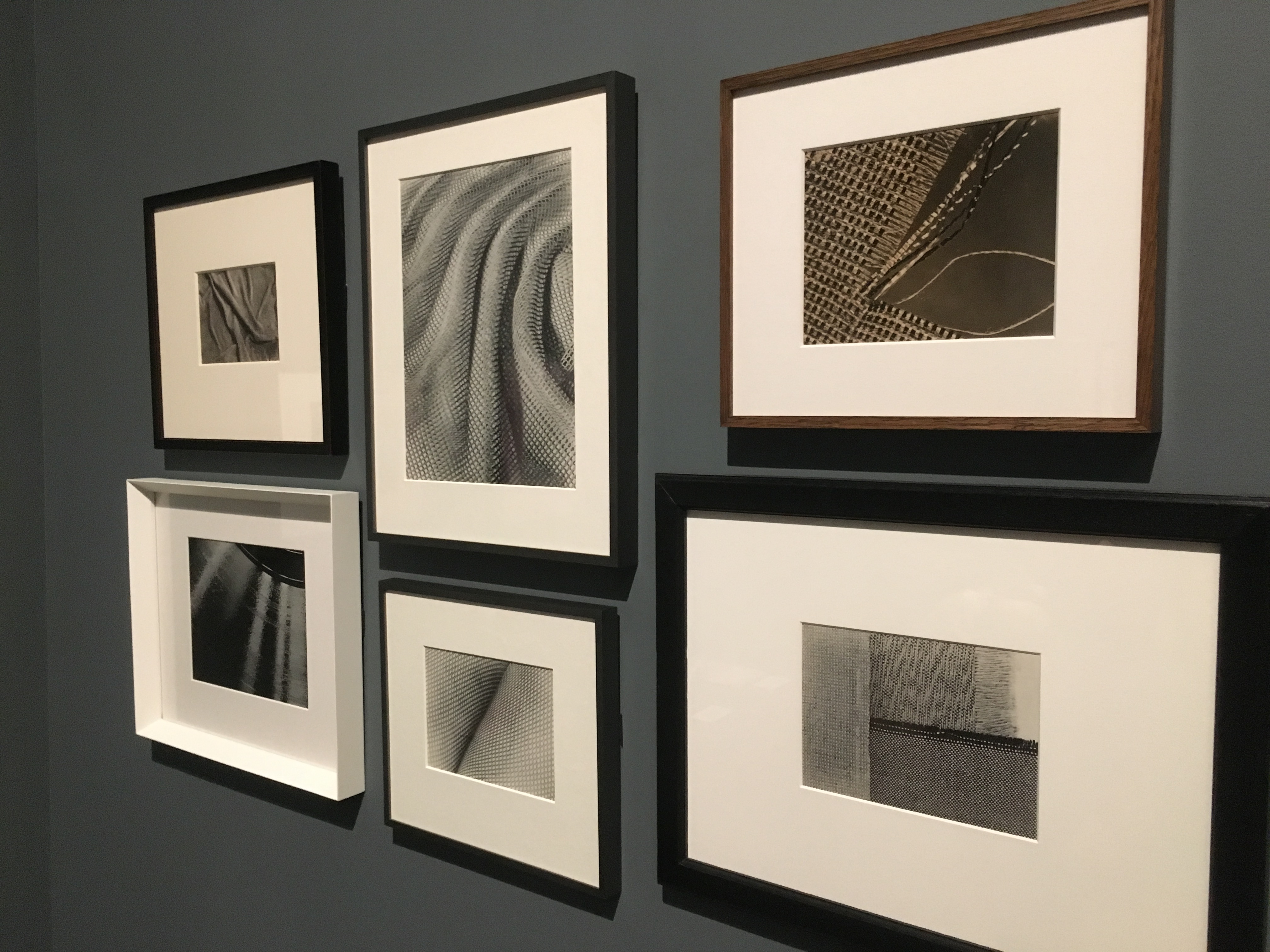
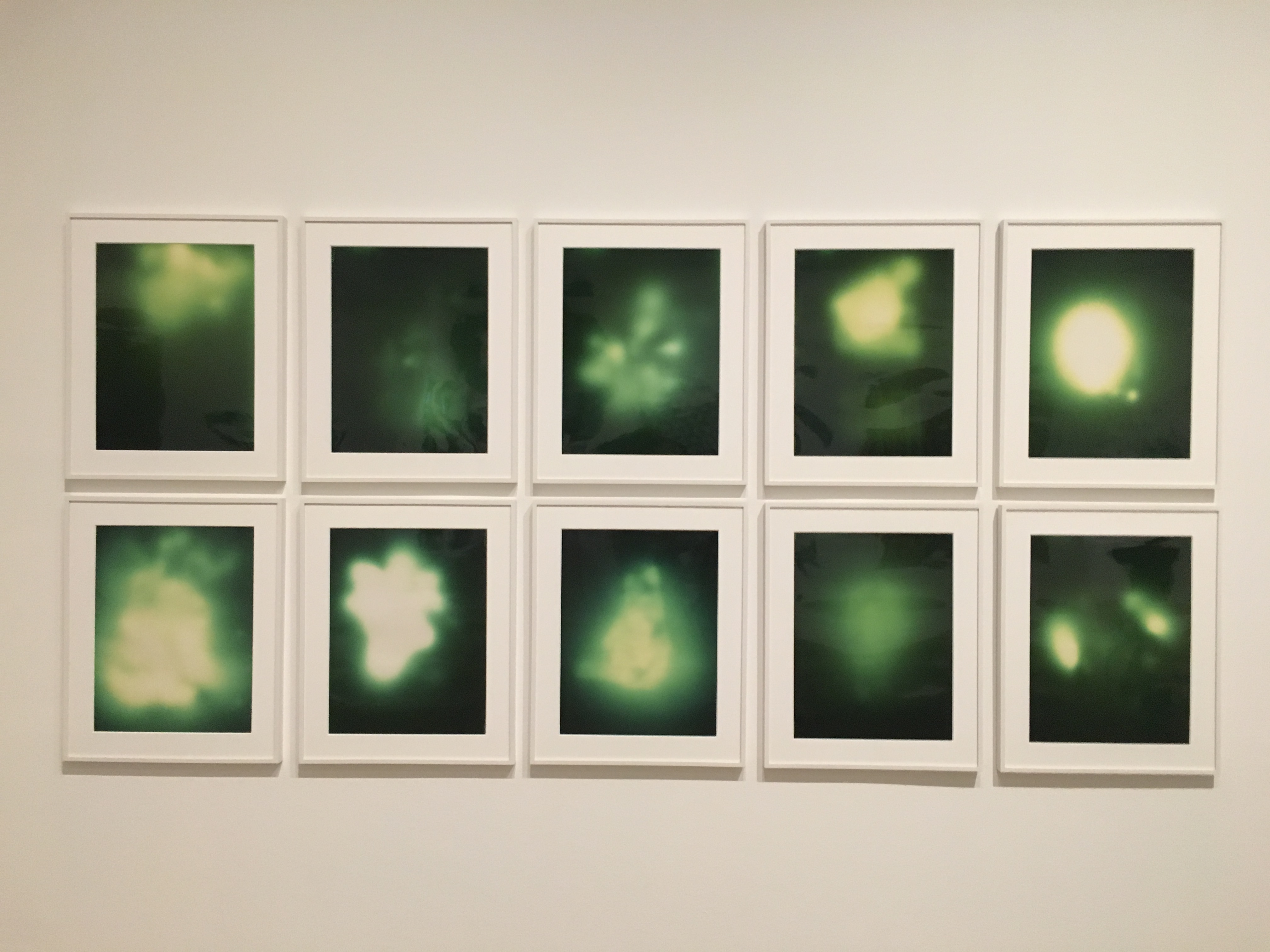
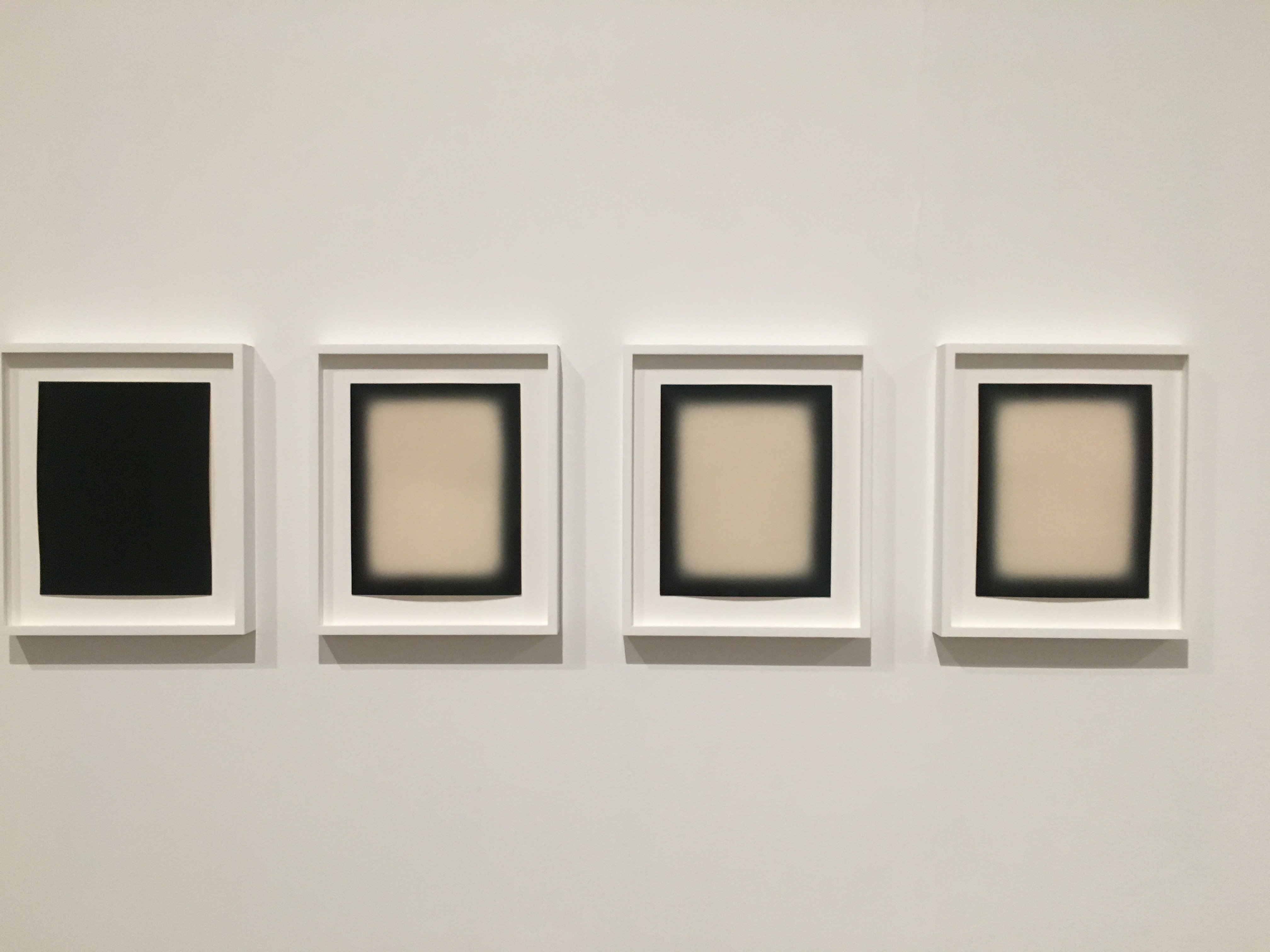
The 2018 Tate Modern show ‘Shape of Light’ (as mentioned in my FMP proposal) was an extremely influential moment for me in my development as a photographer.
Although at the time this was not fully realised, it is now on this MA programme that I am finding a real connection with abstract photography. This is a distinct move away from the ‘objective as possible’ documentary work since my undergraduate years.
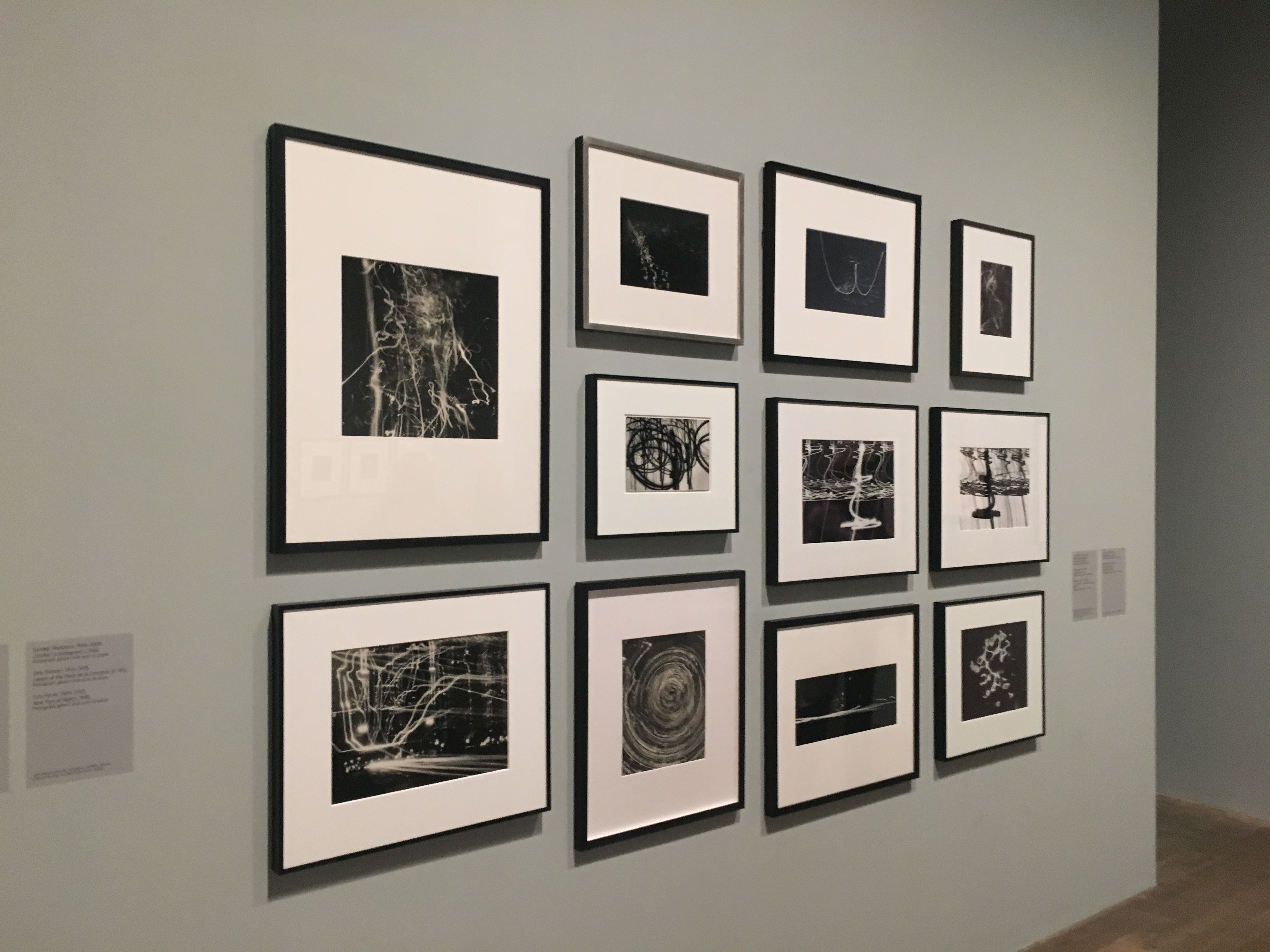
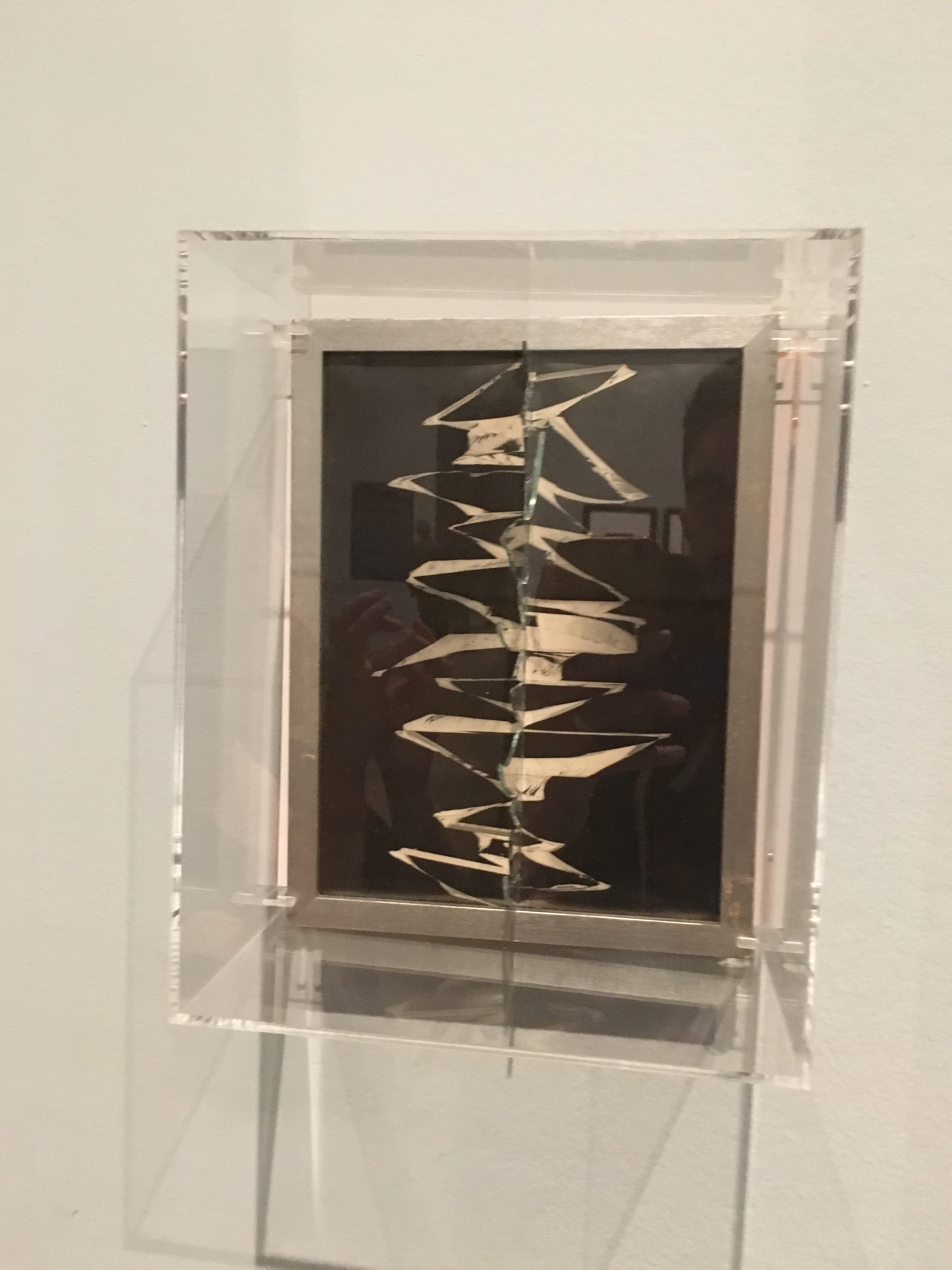
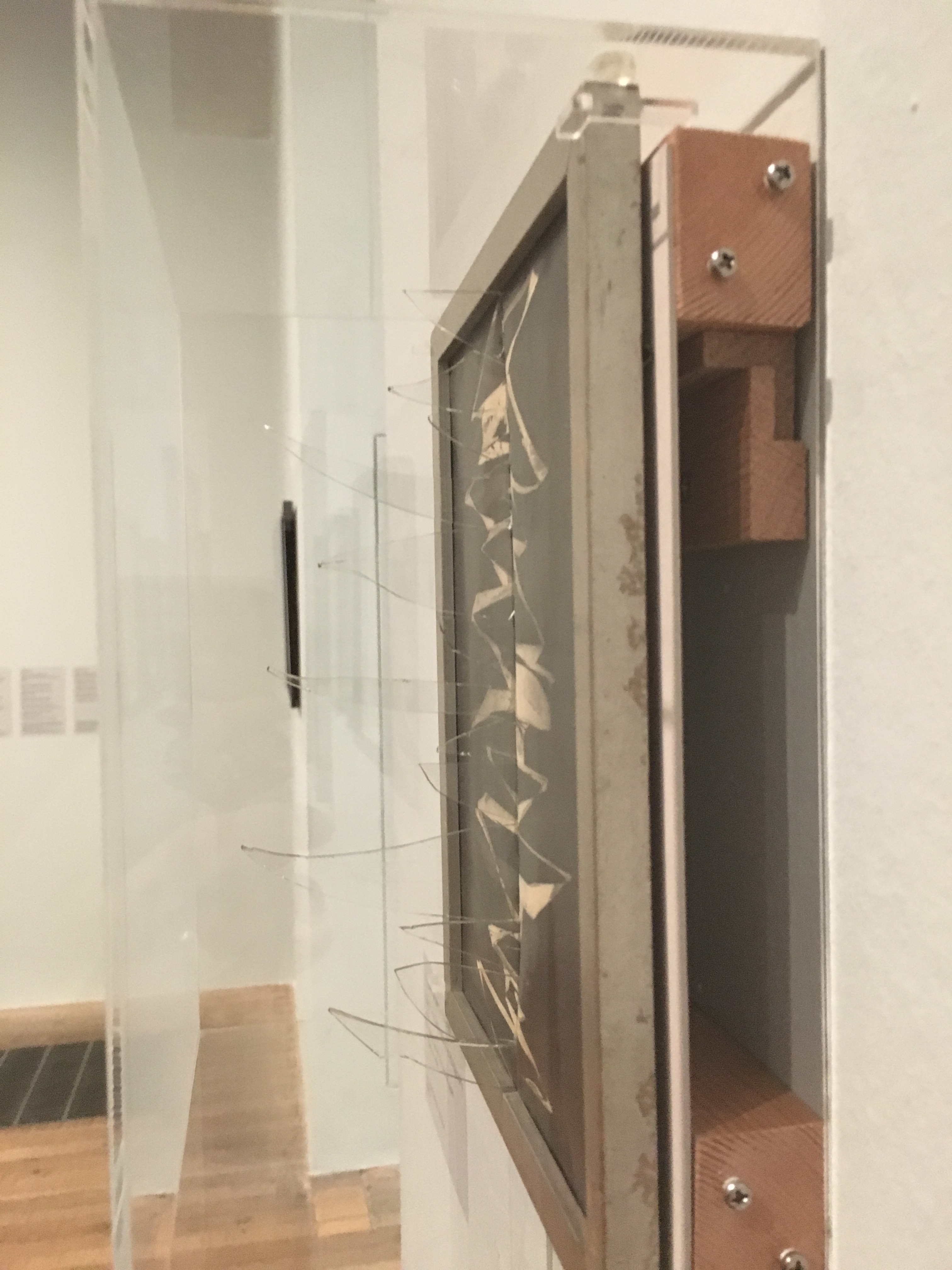
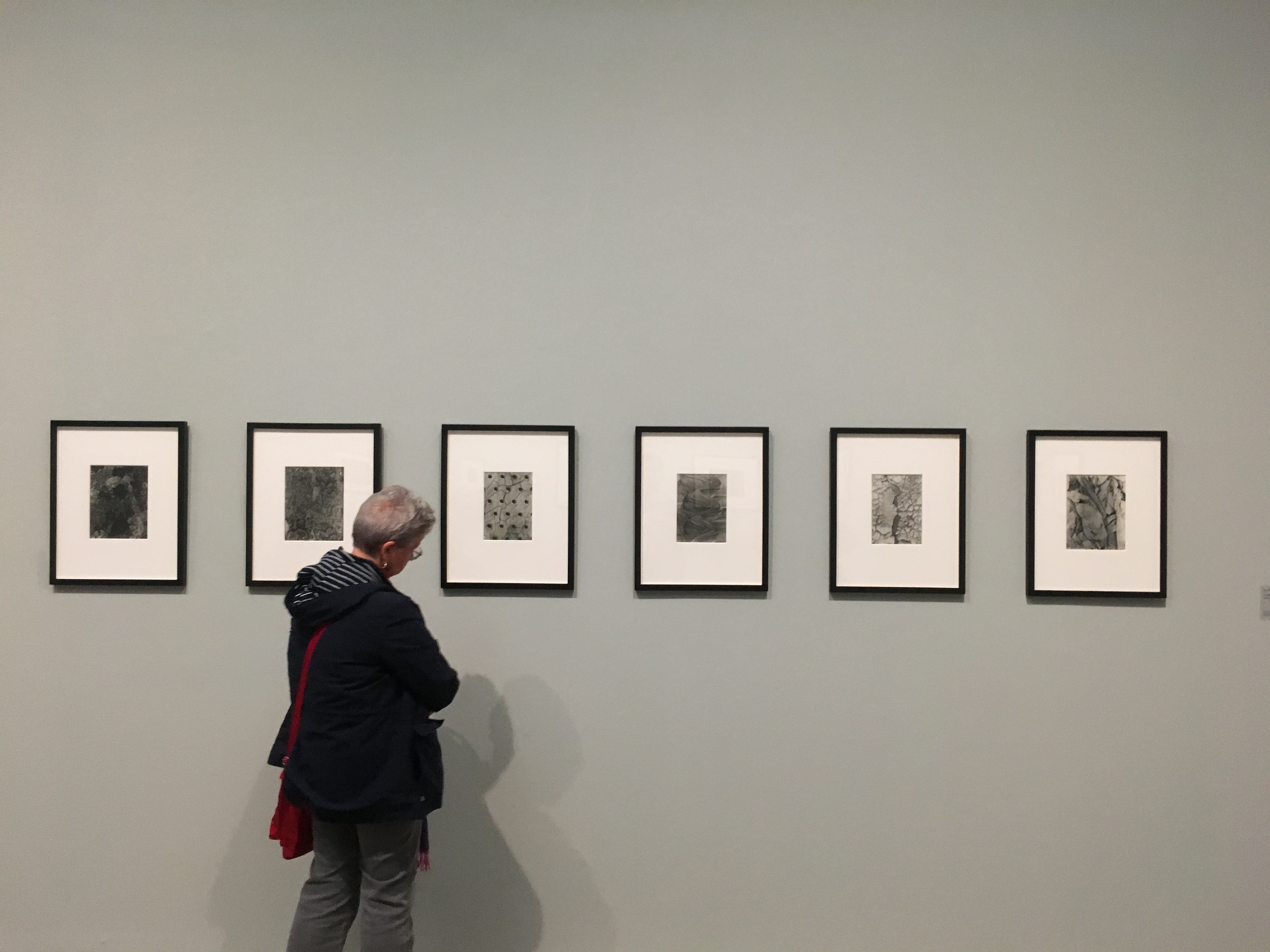
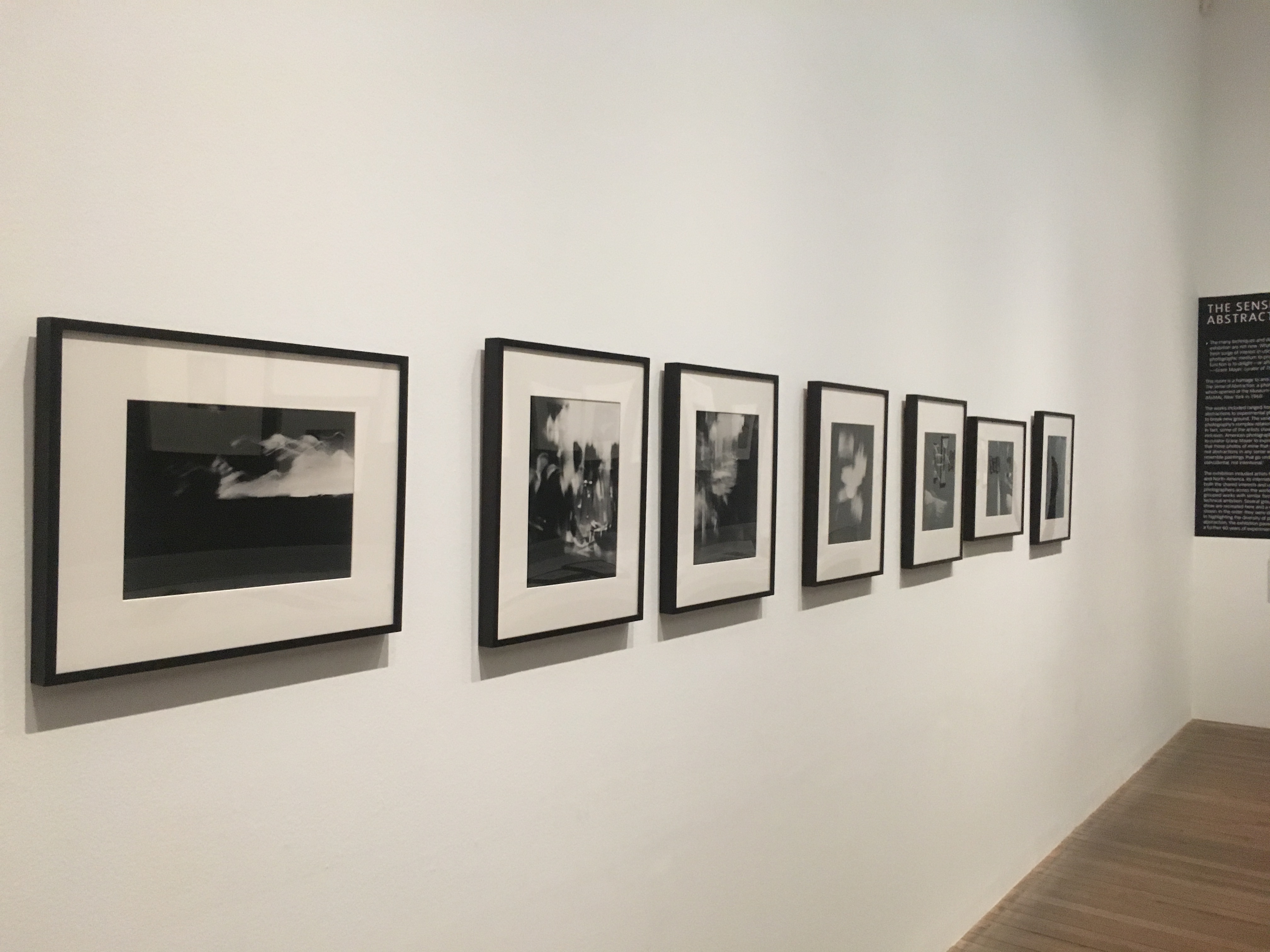
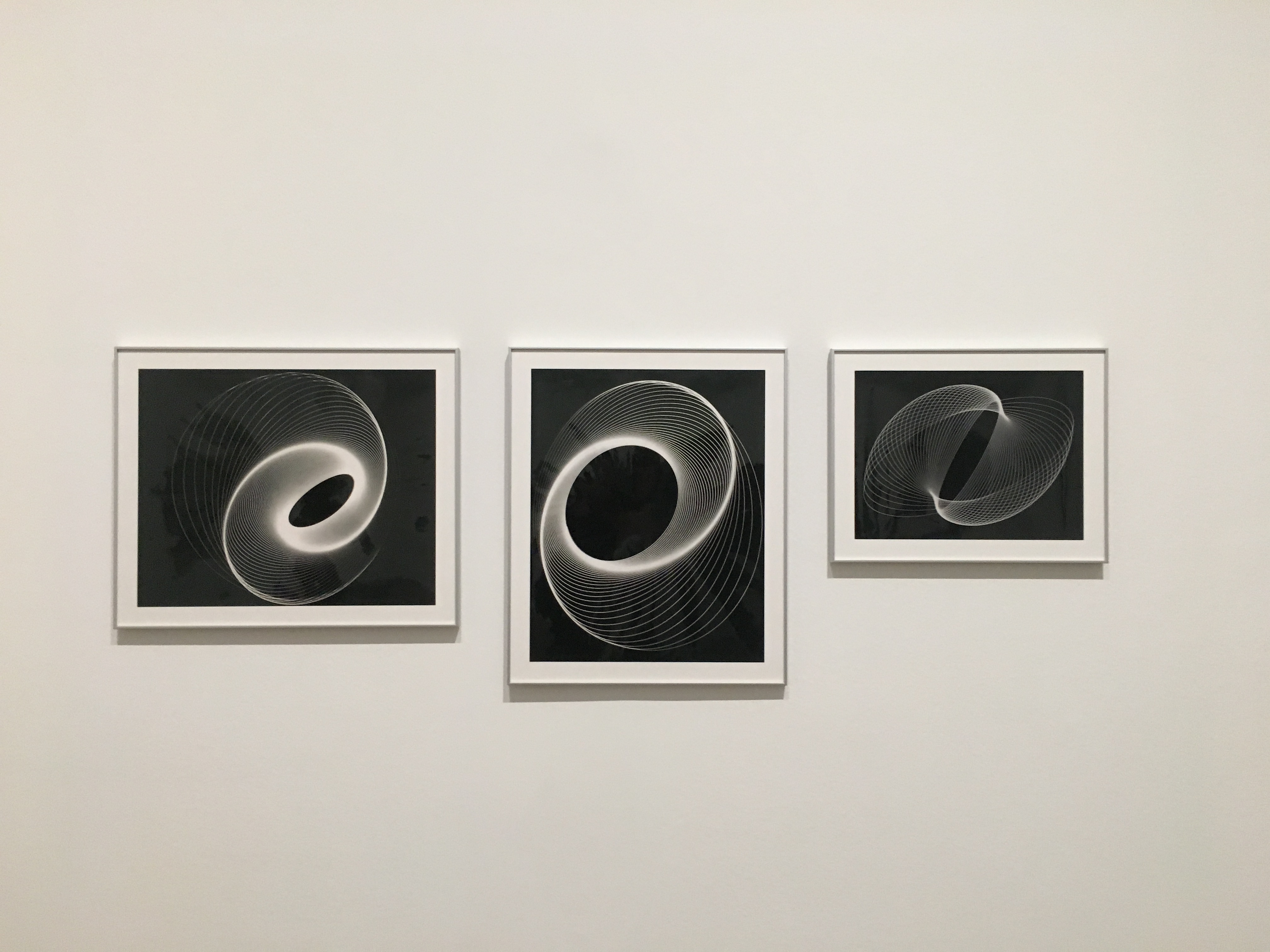
The show chronicled 100 years of abstract photography from a vast array of names, many I knew already, but many I did not. This first gallery contains photos I took at the show myself in 2018. This is then followed by scans from the book which accompanied ‘Shape of Light’, also produced by me from my copy of the book.
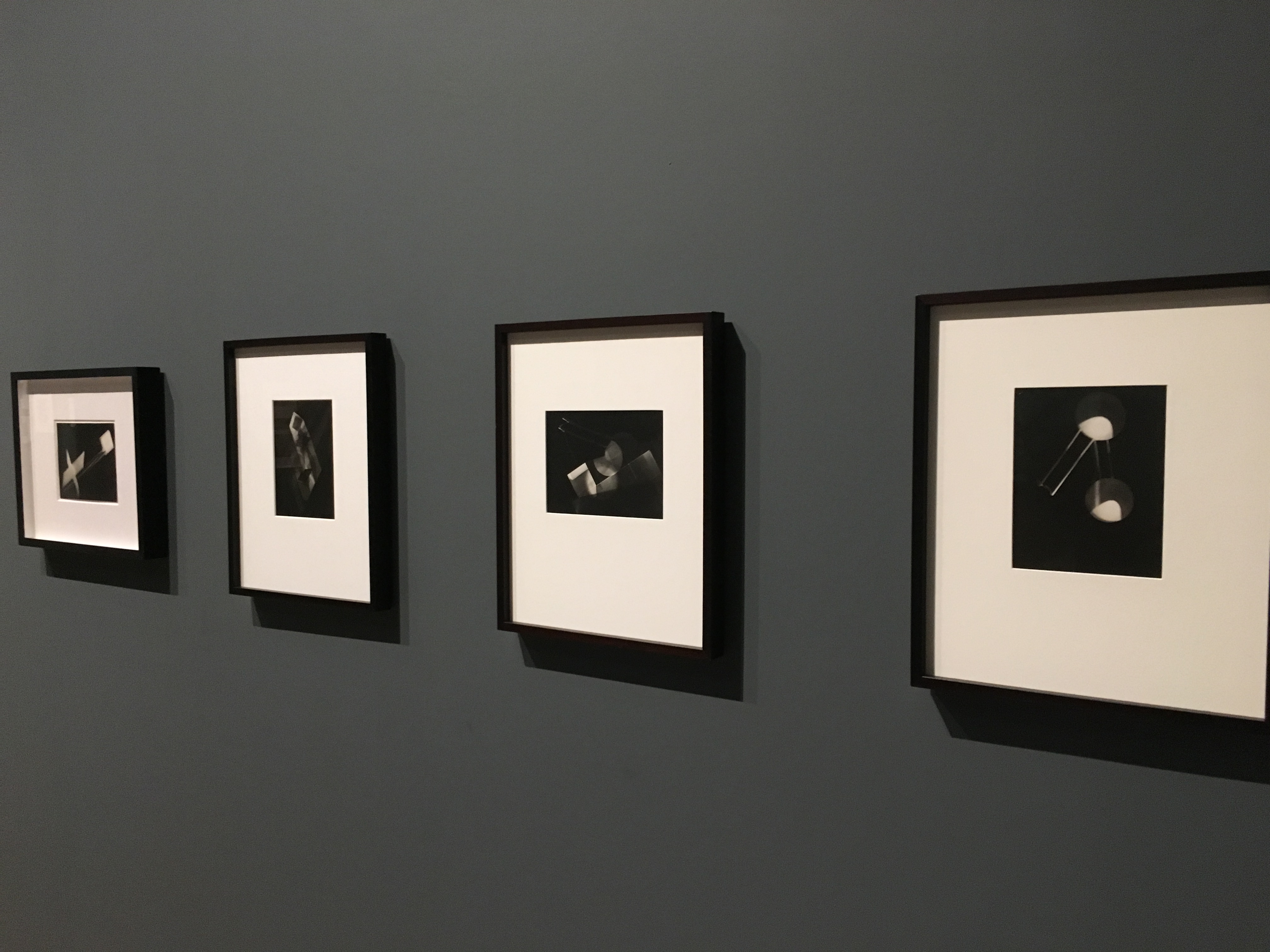
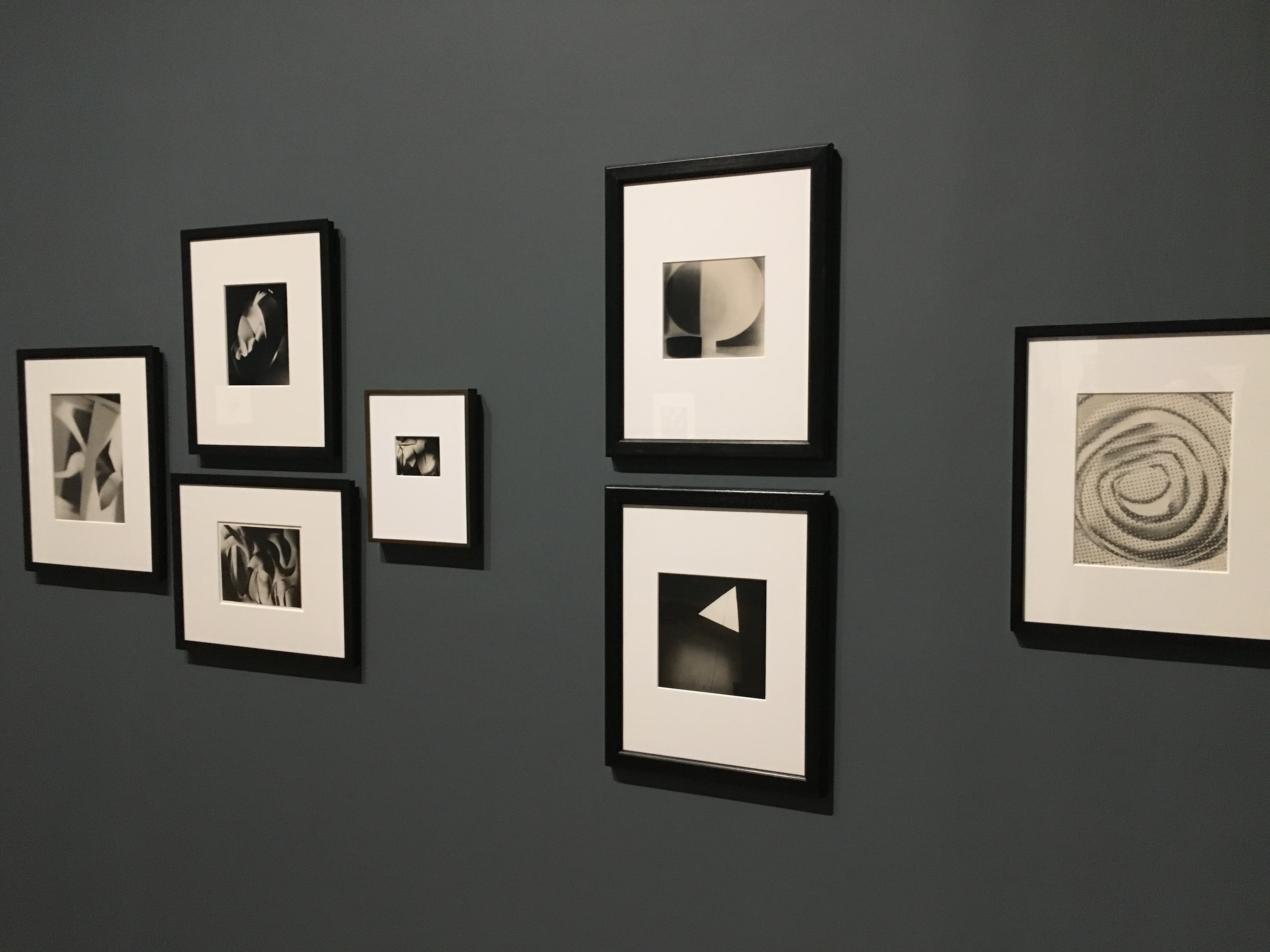
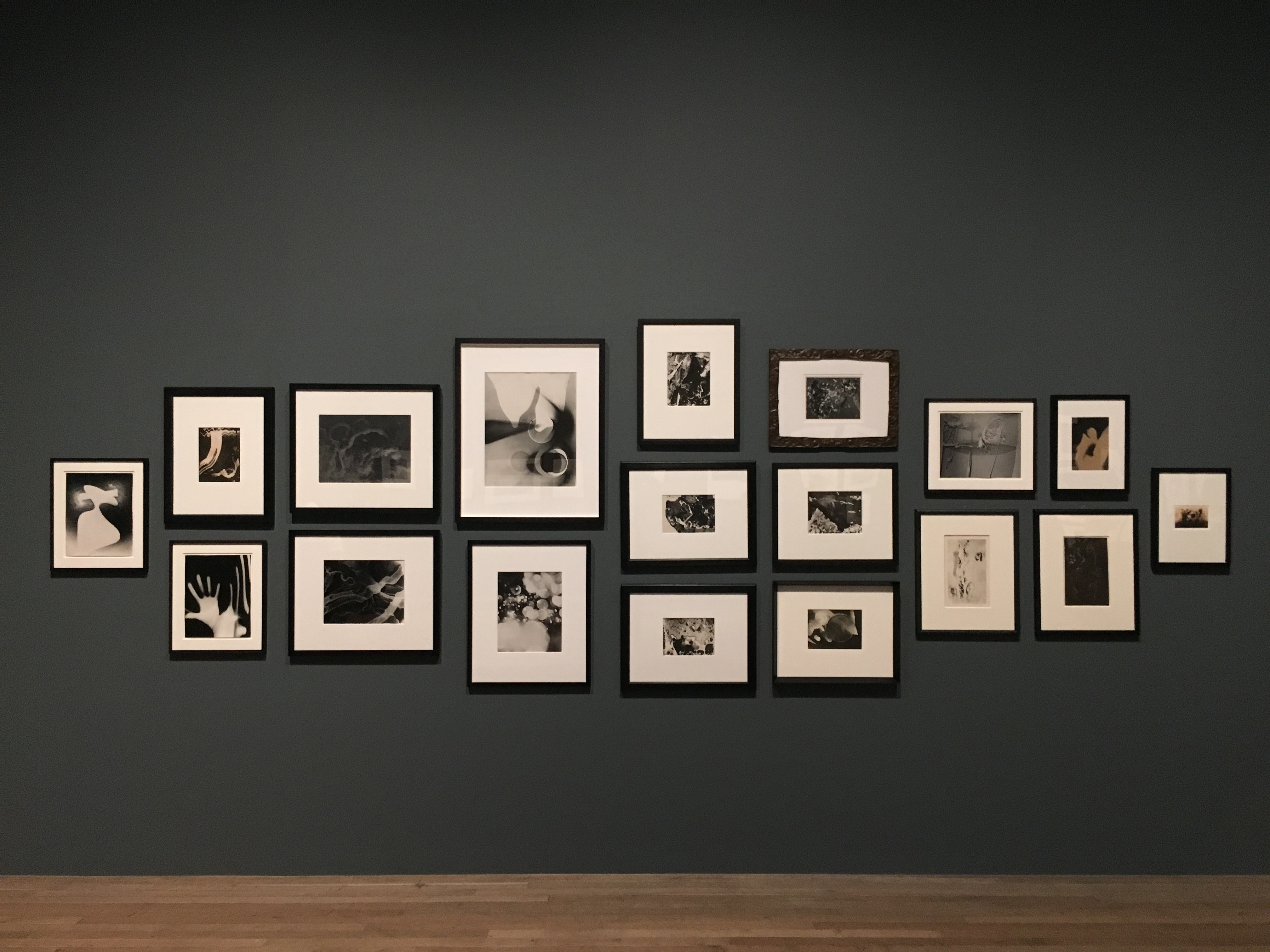
It would be impossible to discuss cameraless photography without the photograms of Man Ray and Laszlo Moholy-Nagy. These contact prints formed the foundations of my A Level studies and continue to be a vital consideration in the pedagogy of photography.
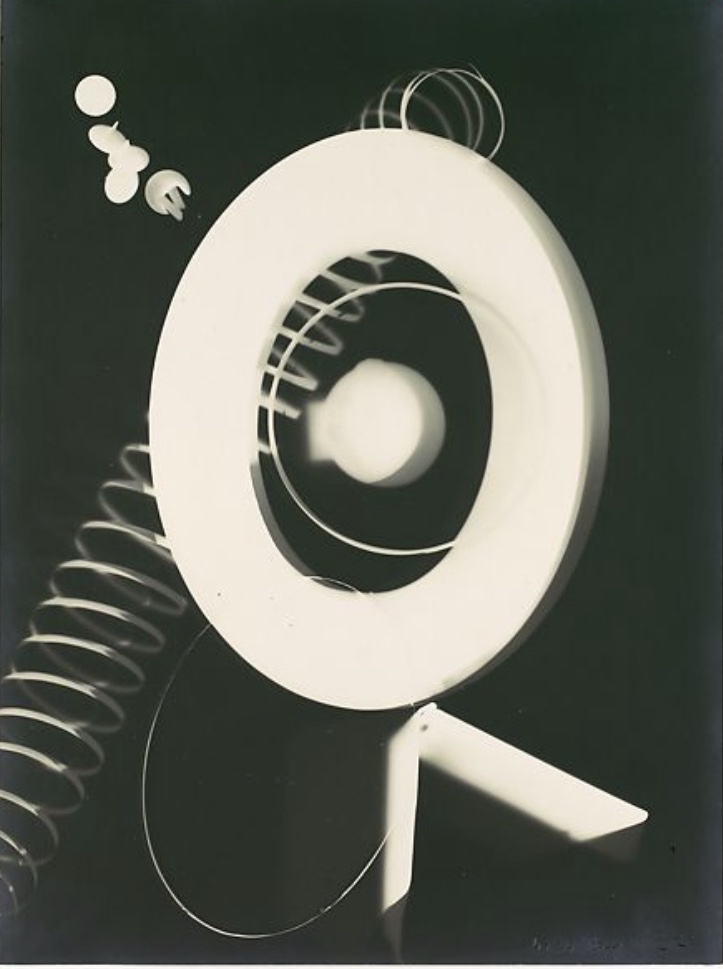
Man Ray 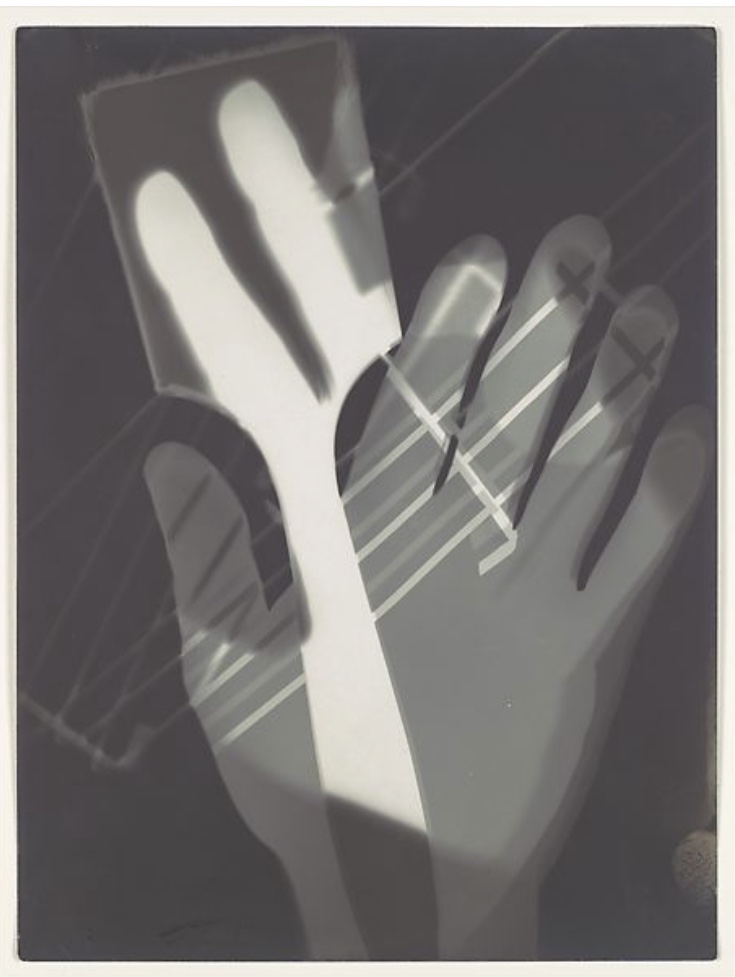
Laszlo Moholy-Nagy
Influenced by Bauhaus and avant-garde photography, these two highly important artists and their creations established a standard for the non-representational possibilities of the photogram. While it is true that many of their creations are highly recognisable, it is their less representational abstract work which intrigues me most.
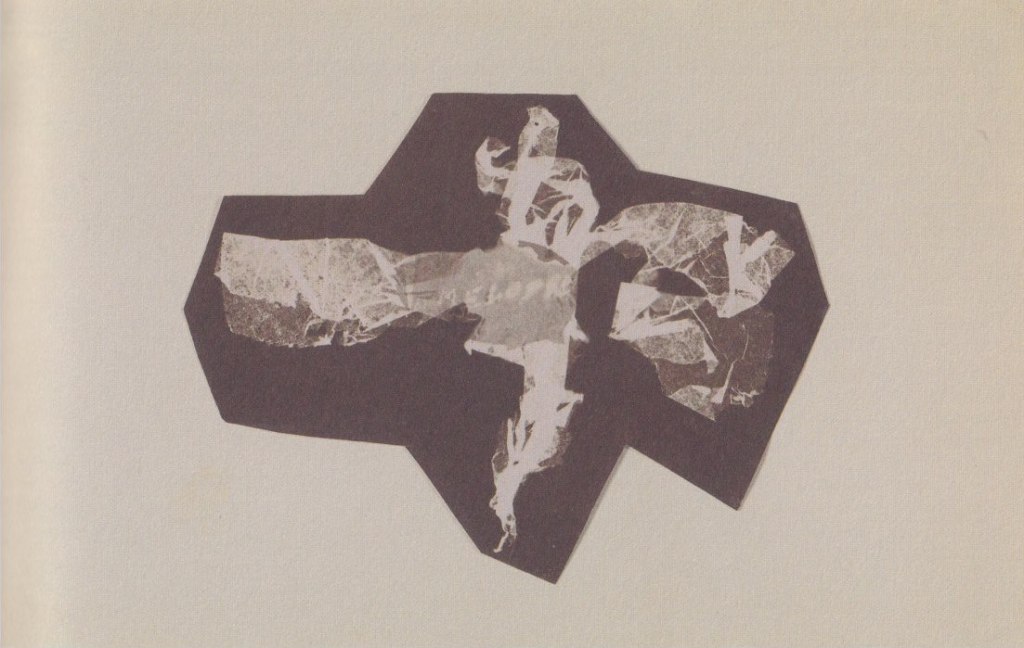
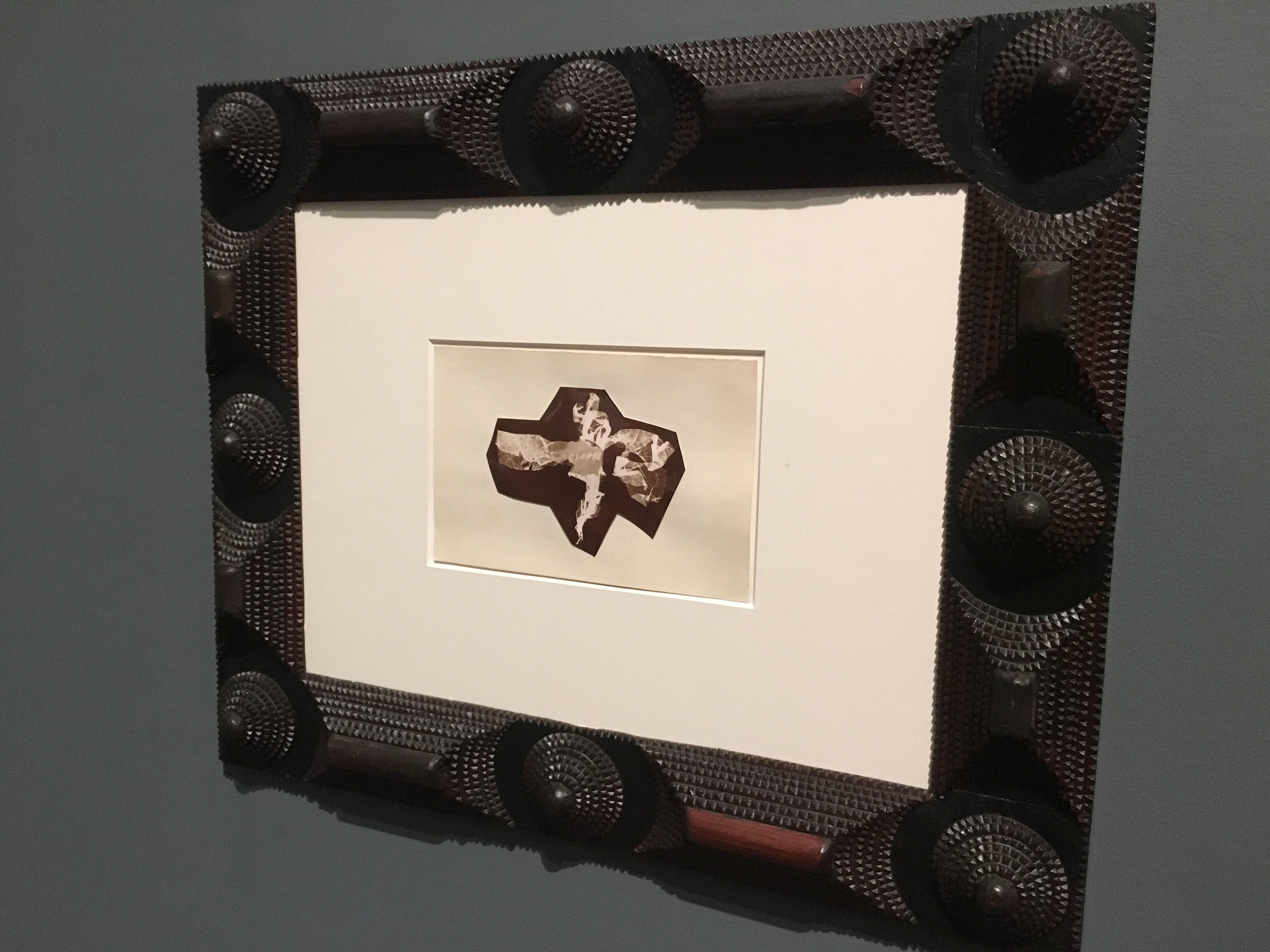
Following influences from the Dada movement, Schad layered torn and worn materials such as paper and fabric on to photosensitive paper to create photograms. In this particular example (above) the subject matter is much less recognisable resulting in an exposure detached from representation. Of specific interest to me here is the varied edge to the printed area, likely created through masking of the area to become unexposed to light. In their ‘digital’ form it becomes easy to assume the image is much larger than its reality. This lack of perspective adds to the work and its abstraction from the truth.
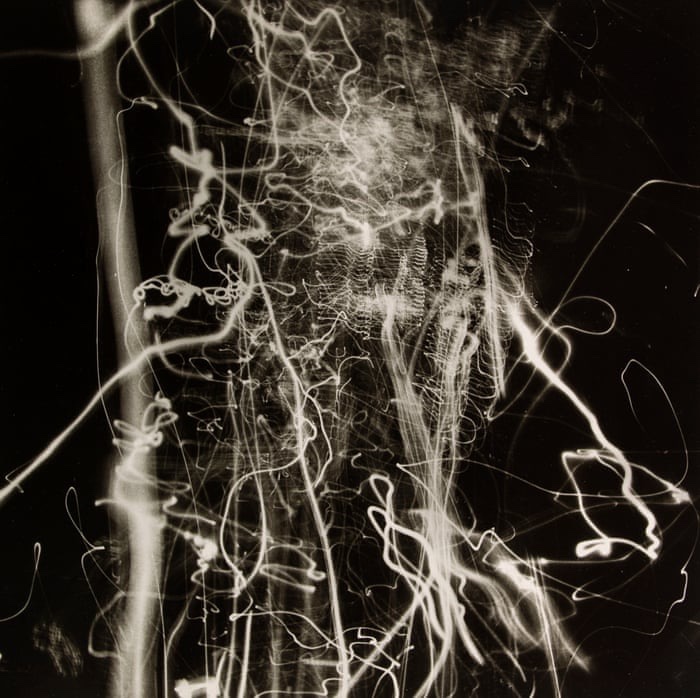
Nathan Lerner 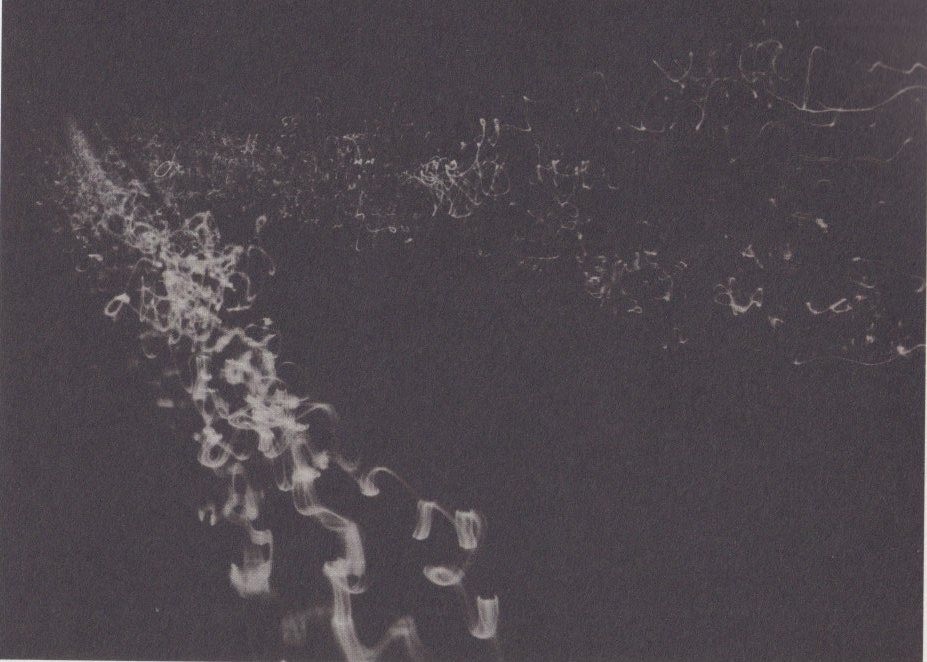
Sameer Makarius 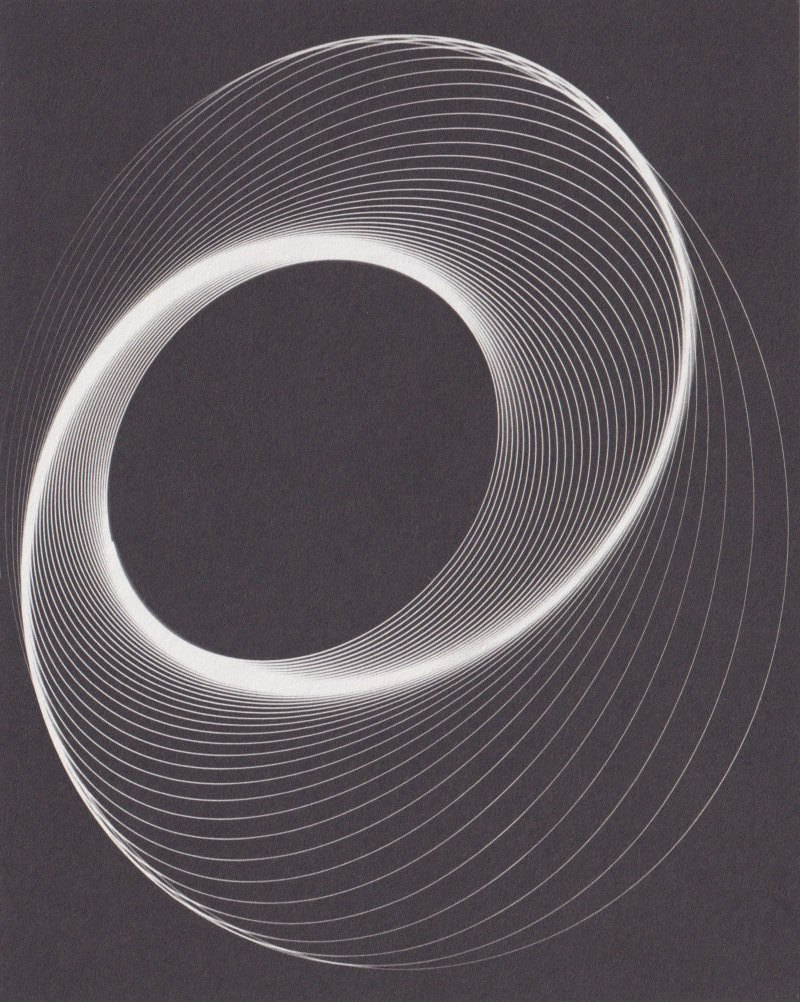
Peter Keetman 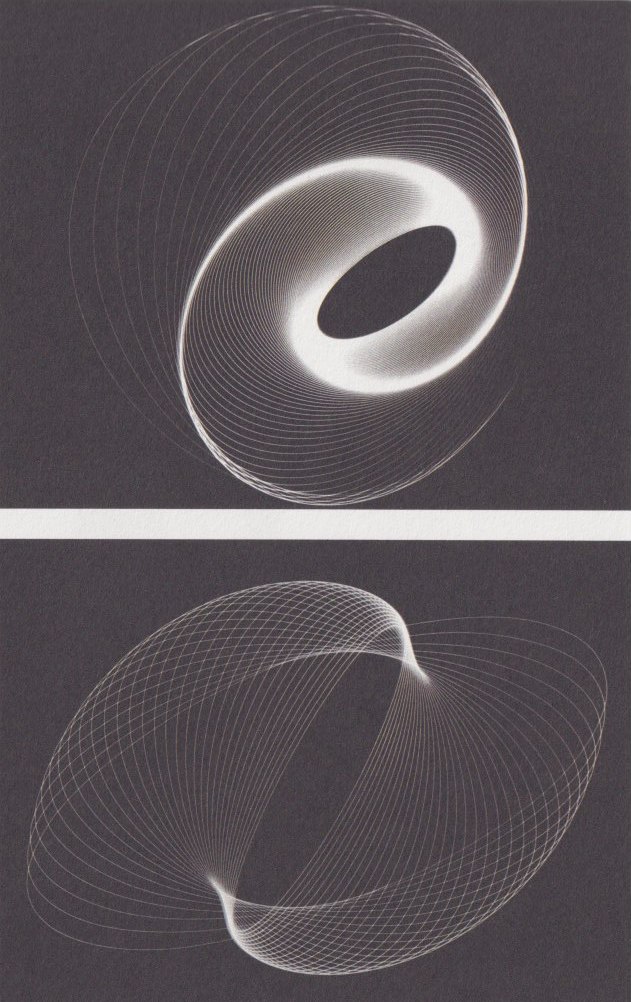
Peter Keetman 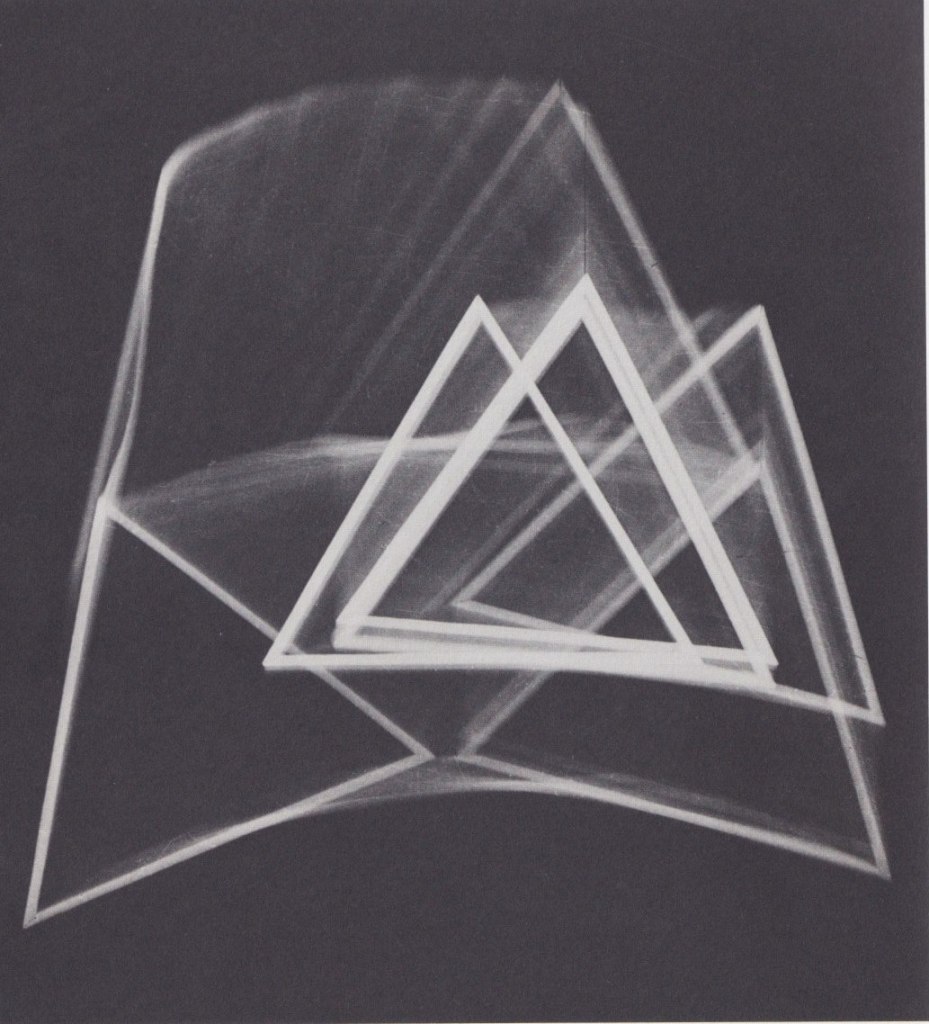
Luigi Veronesi 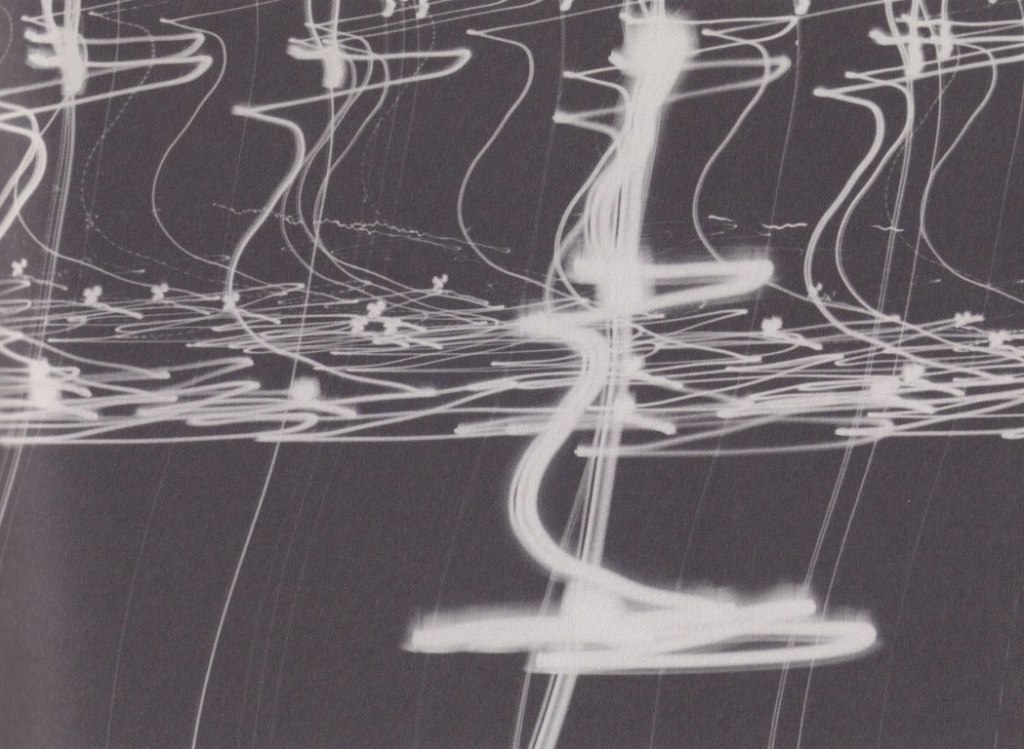
Otto Steinert 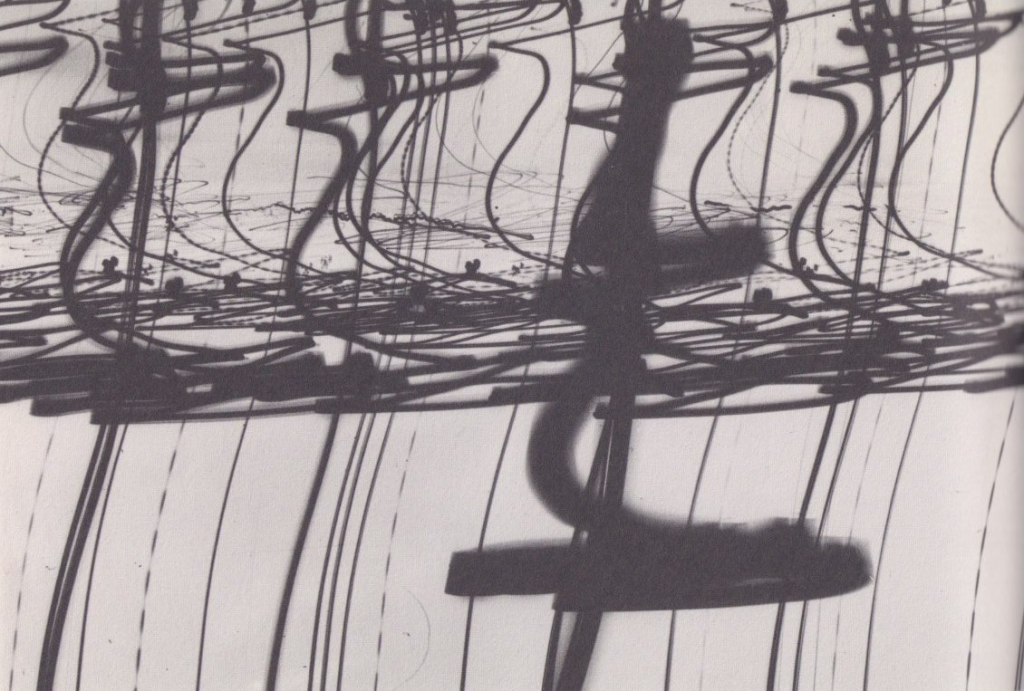
Otto Steinert 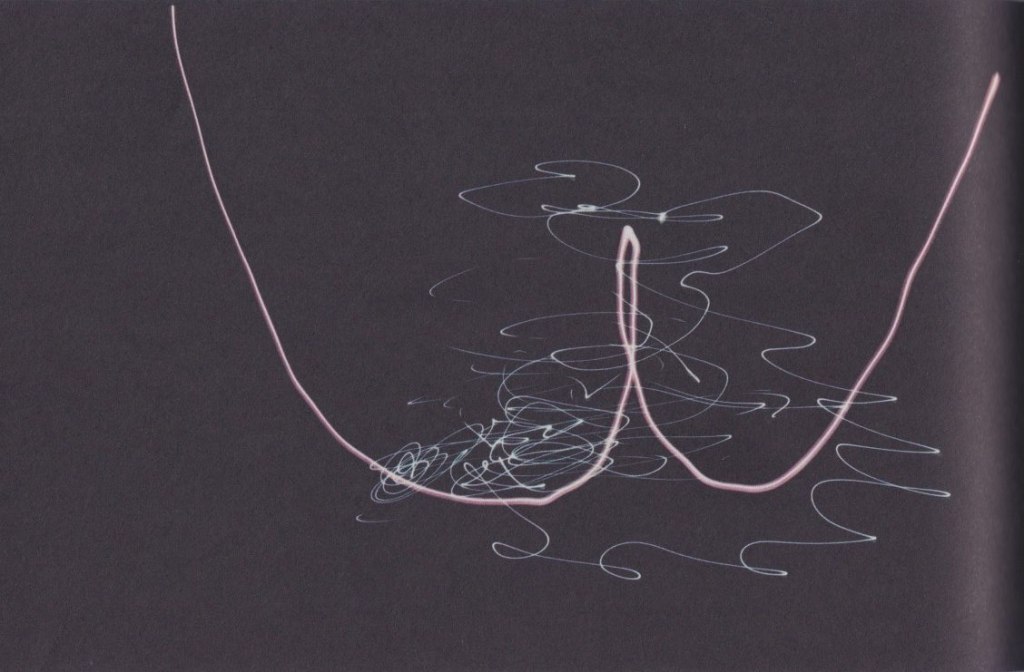
Harry Callahan 
Fritz Henle 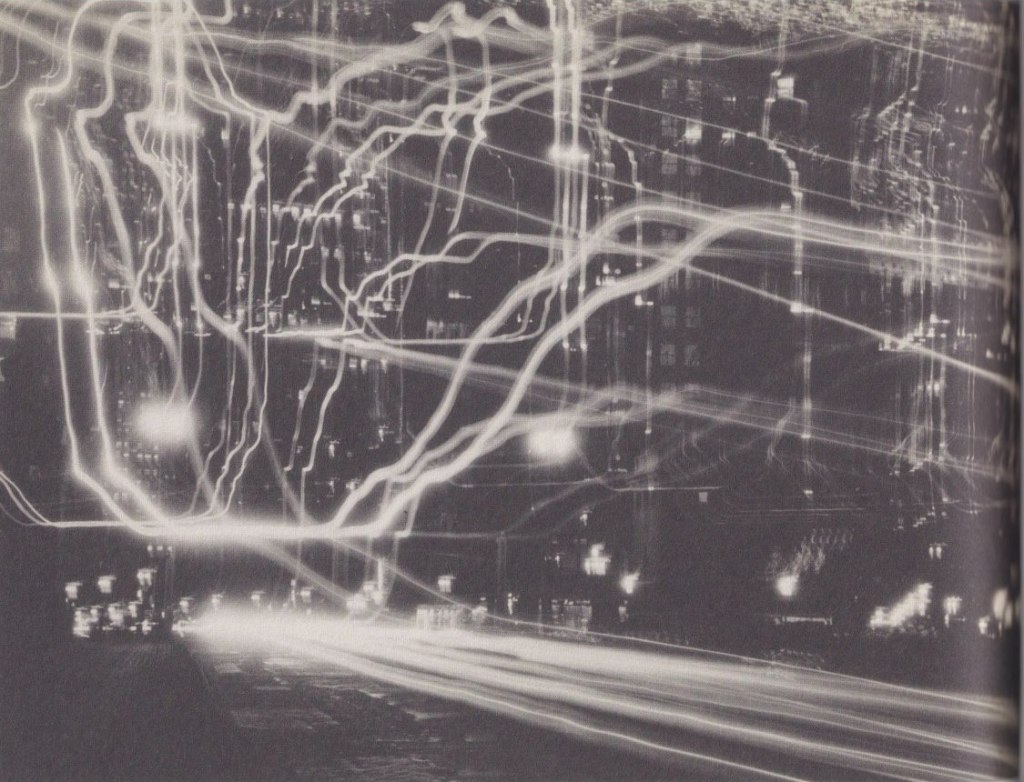
Arthur Siegel
What could be commonly referred to as ‘light painting’, the gallery above depicts an array of works by a range of photographers. These often obscure renderings of light upon photographic film are enough to intrigue many.
From a pedagogical stand point, light painting is often an easy ‘buy in’ with students at GCSE level. This is particularly so with boys where the immediacy of digital technology reduces the time between cause and effect thus tapping into their creative side.
It is important to note that the often seemingly erratic outcomes shown above actually demonstrate skill and command of the camera. All these outcomes were produced on film rather than a digital sensor. This lack of immediate result requires the artist to have a greater knowledge to be able to render the outcomes successfully. In my work I have wanted to avoid light painting as a method however still find great satisfaction from these outcomes.
Barbara Kasten 
Barbara Kasten 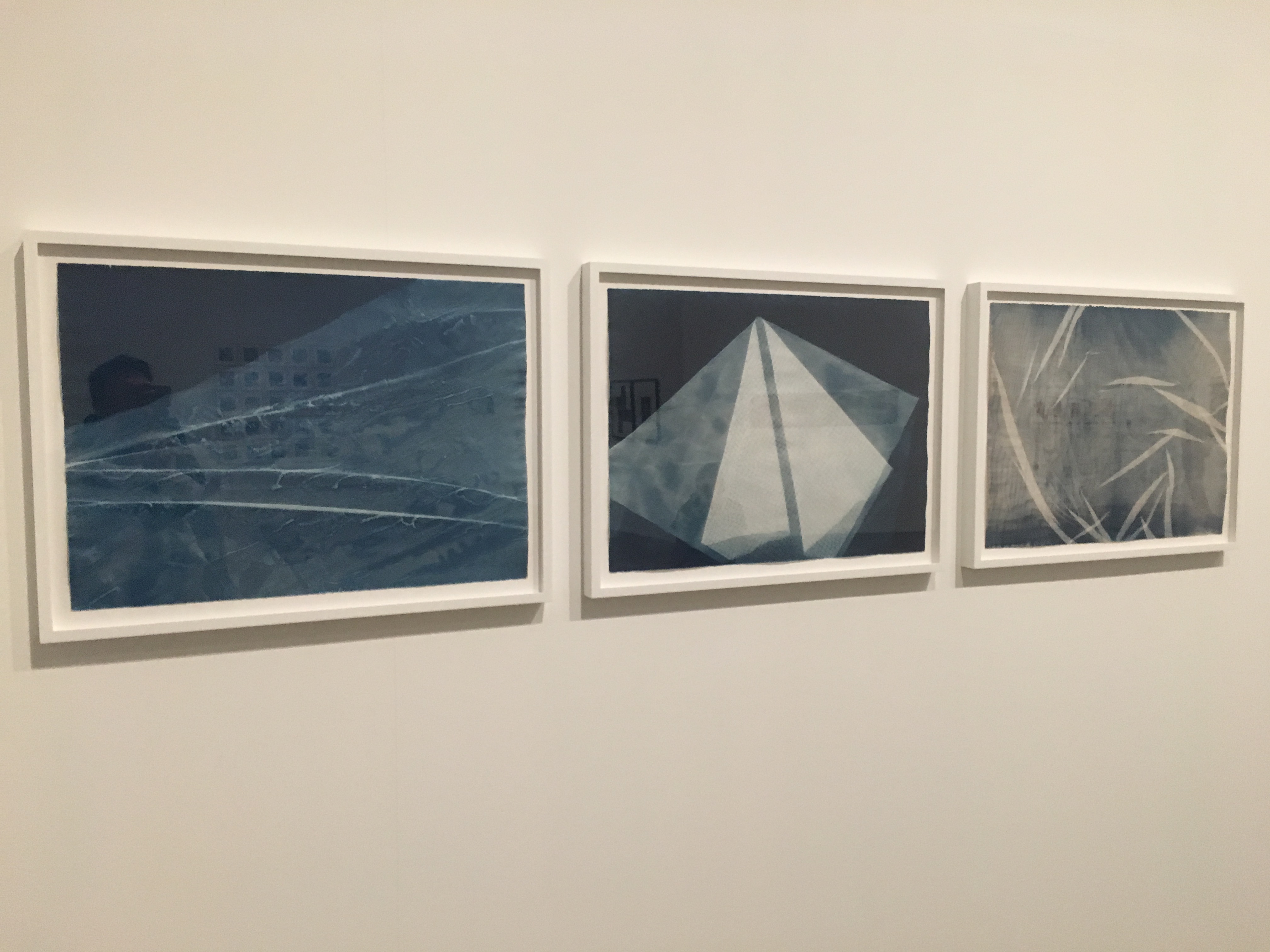
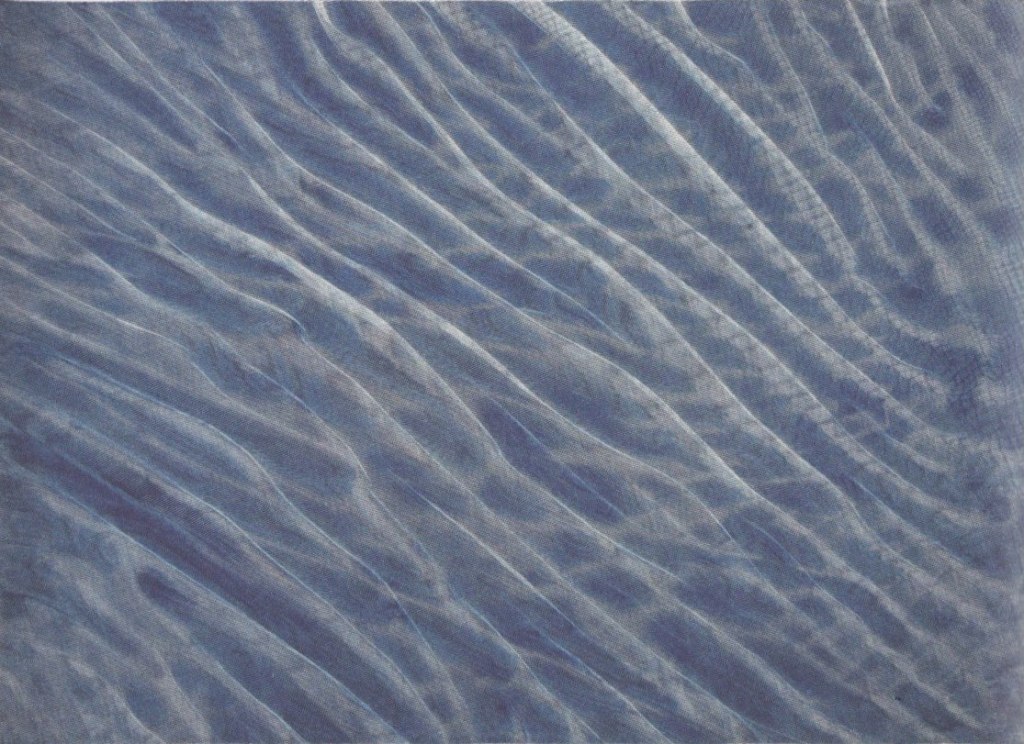
Often felt to be an aged process, indeed it predates photography, the cyanotype can be an effective method of rendering outcomes from light sensitive materials. As with photograms, the relationship between subject and substrate could not be closer. The veracity of the image strengthened by the prints physical connection to what it depicts. The cyanotype enables the artist to create works of varying sizes and on varying materials such as these by Barbara Kasten. This is not unlike the results obtained through the use of ‘liquid light’ photographic emulsion.
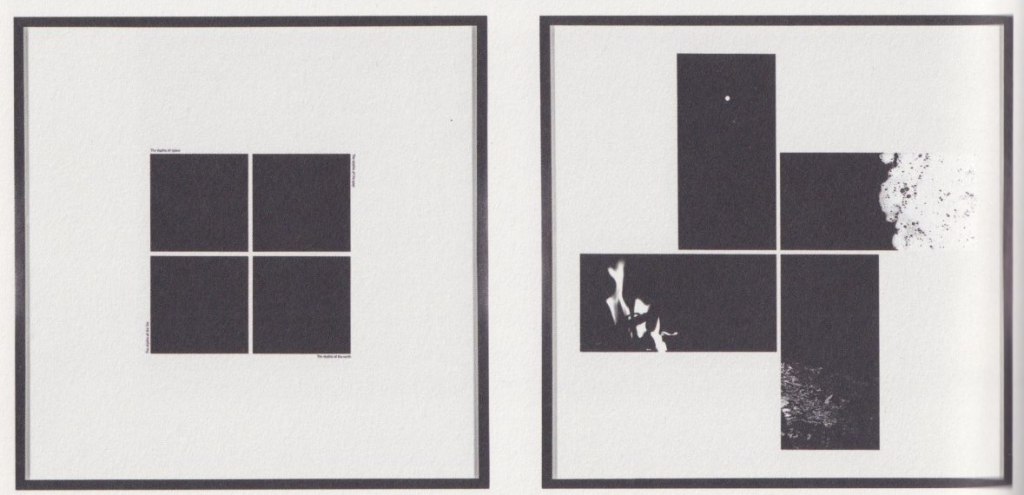
John Hilliard 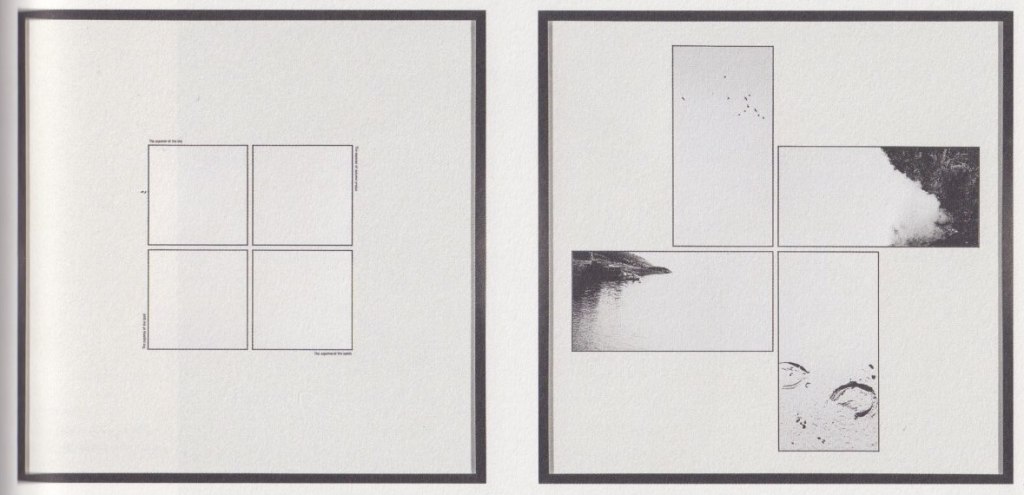
John Hilliard 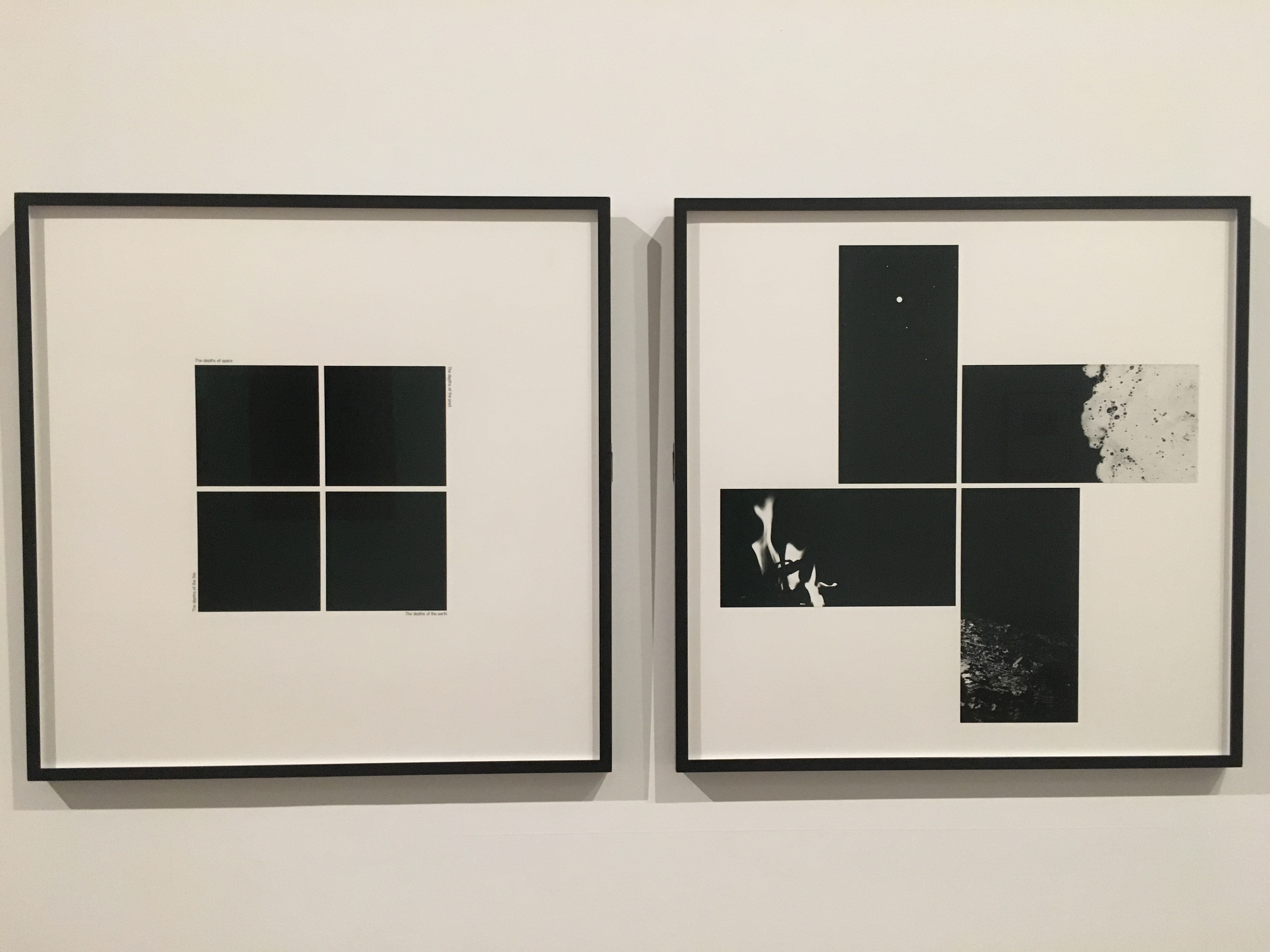
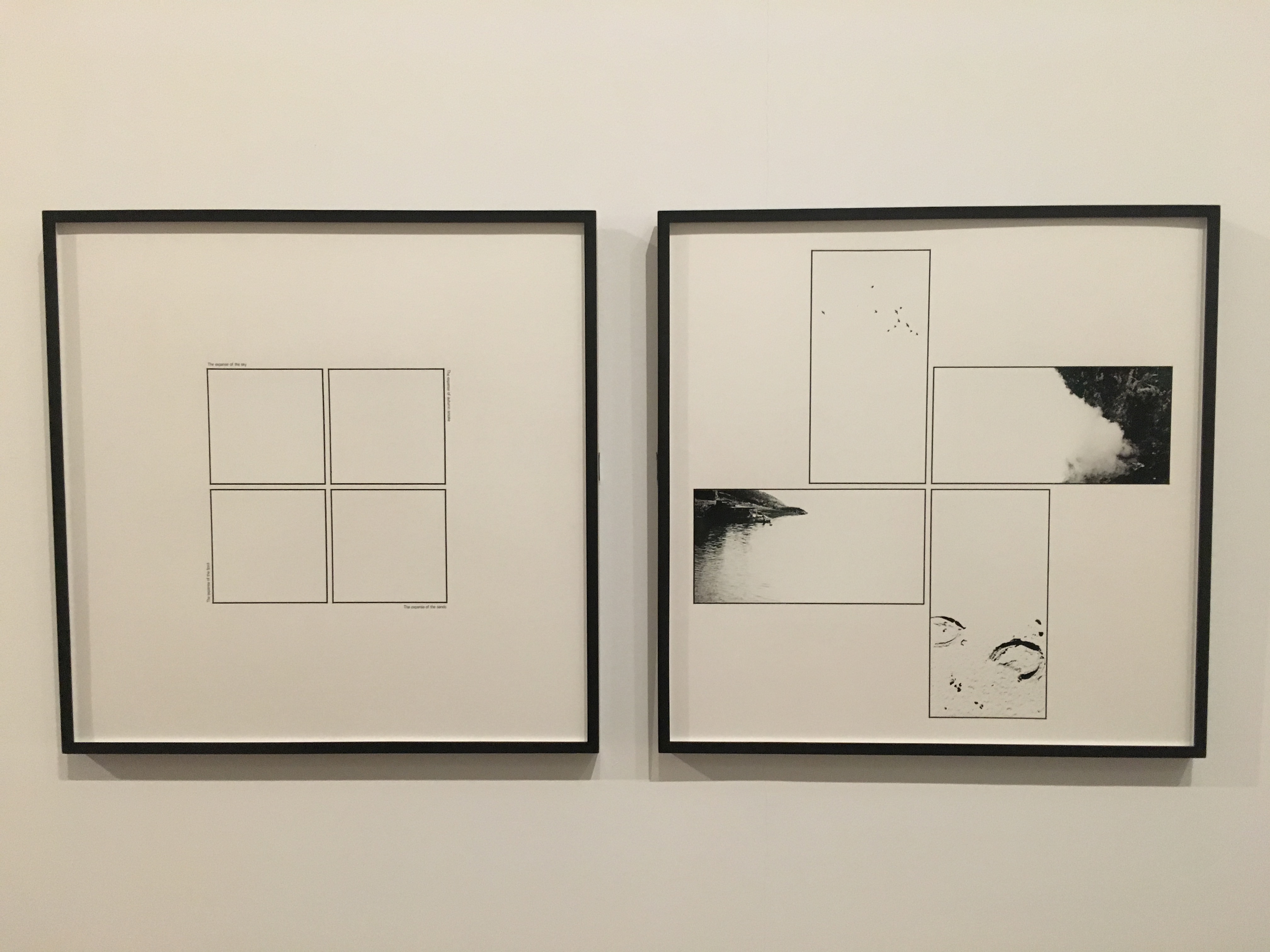
In Hilliards arrangements (what I have referred to before as concatenations), he takes the photographic form in a different direction with crops that seek to not disclose elements of ‘the thing itself’. The combinations
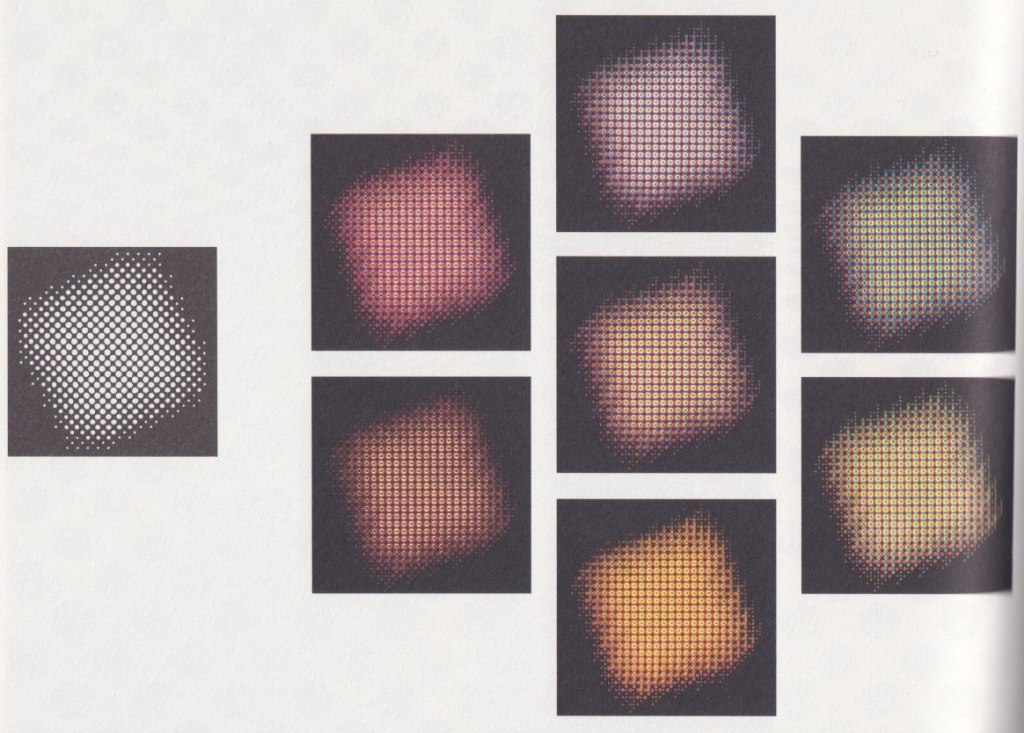
Gottfried Jager 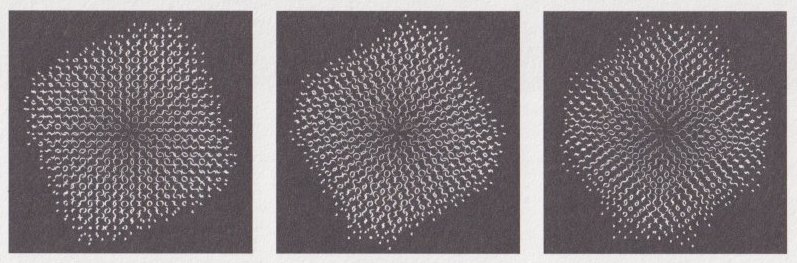
Gottfried Jager 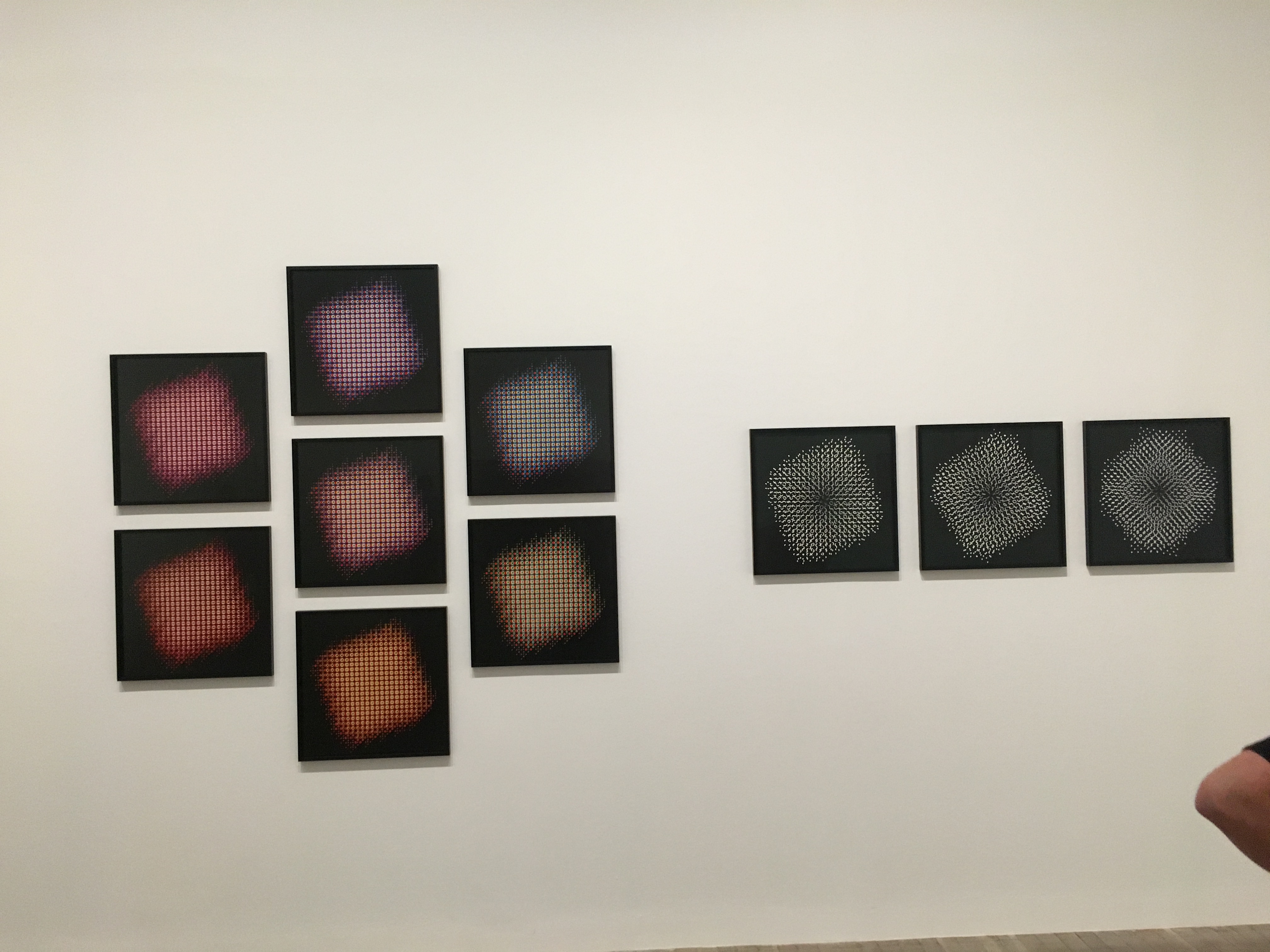
In Gottfried Jägers ‘Pinhole Structures’, multiple apertures direct light onto photosensitive materials forming these fascinating compositions. Formless yet familiar, Jägers work reflects the possibilities from non-representational abstract photography.
Thomas Ruff 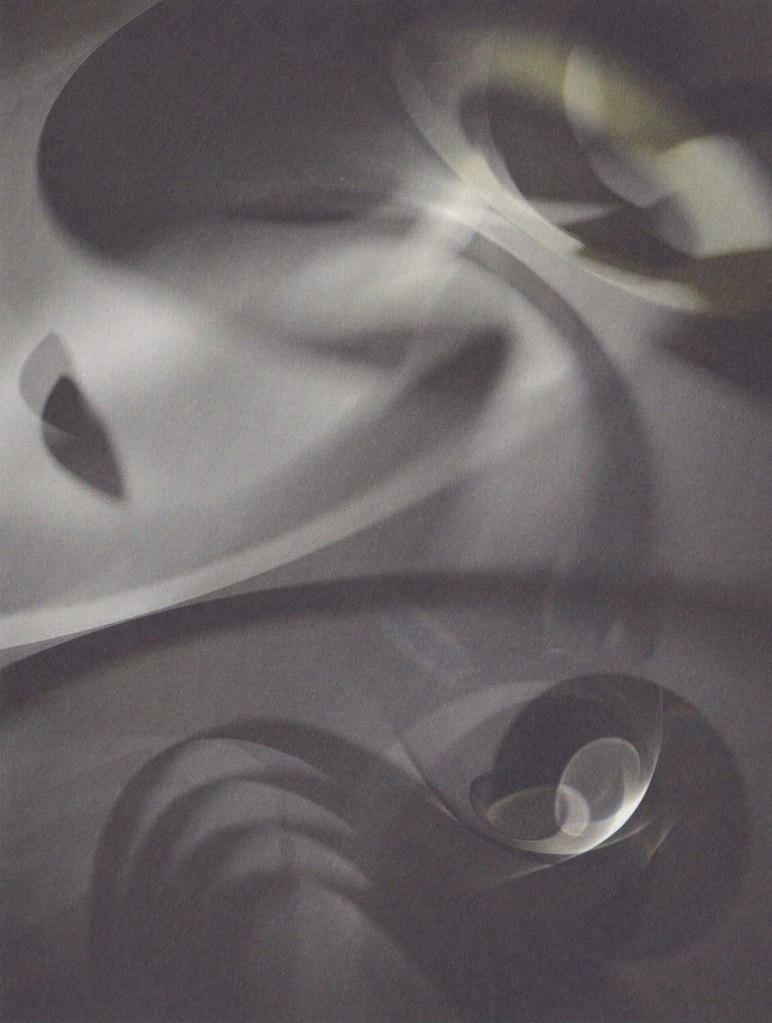
Thomas Ruff 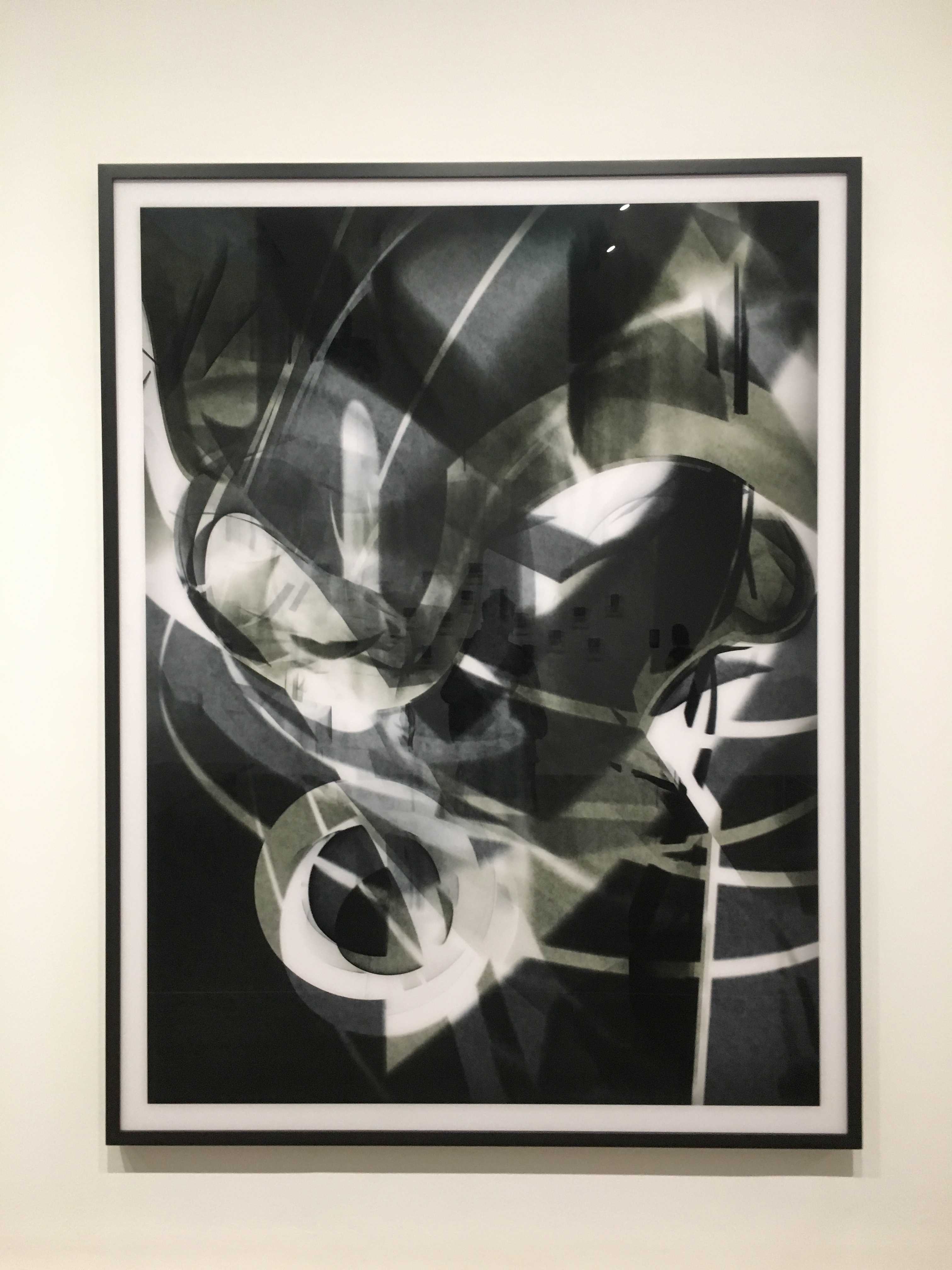
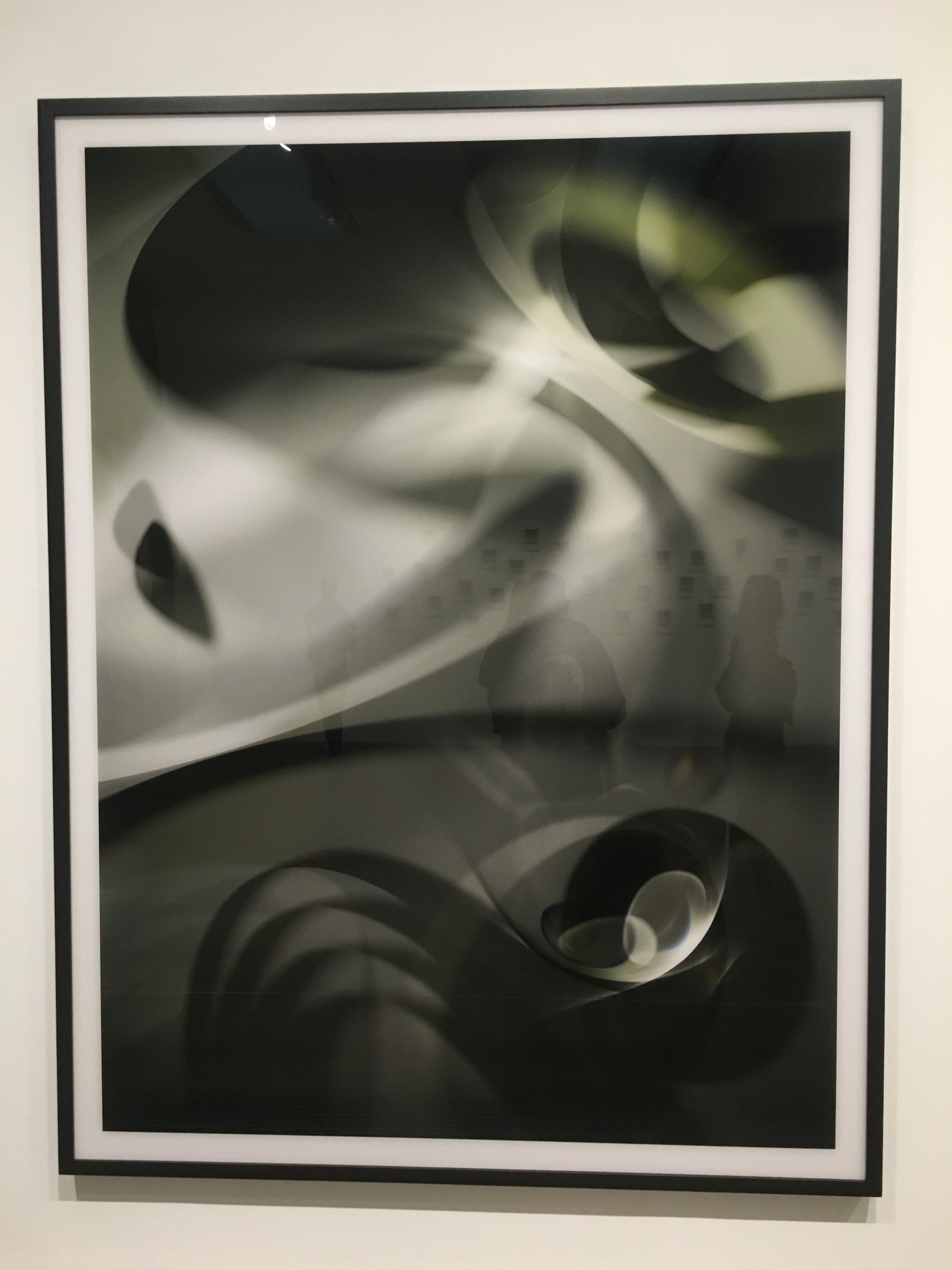
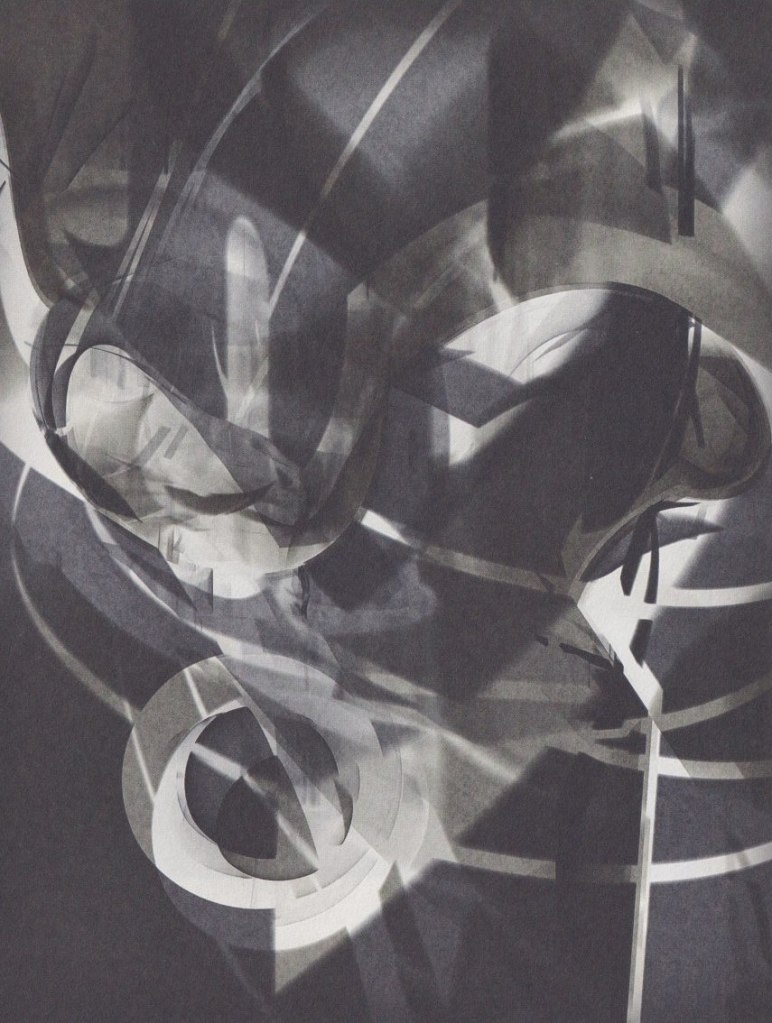
Thomas Ruffs use of paper and light to create photograms results in stunning arcs and curls representing possibilities while also being non-representational of what we made hold as familiar.
Francis Bruguiere 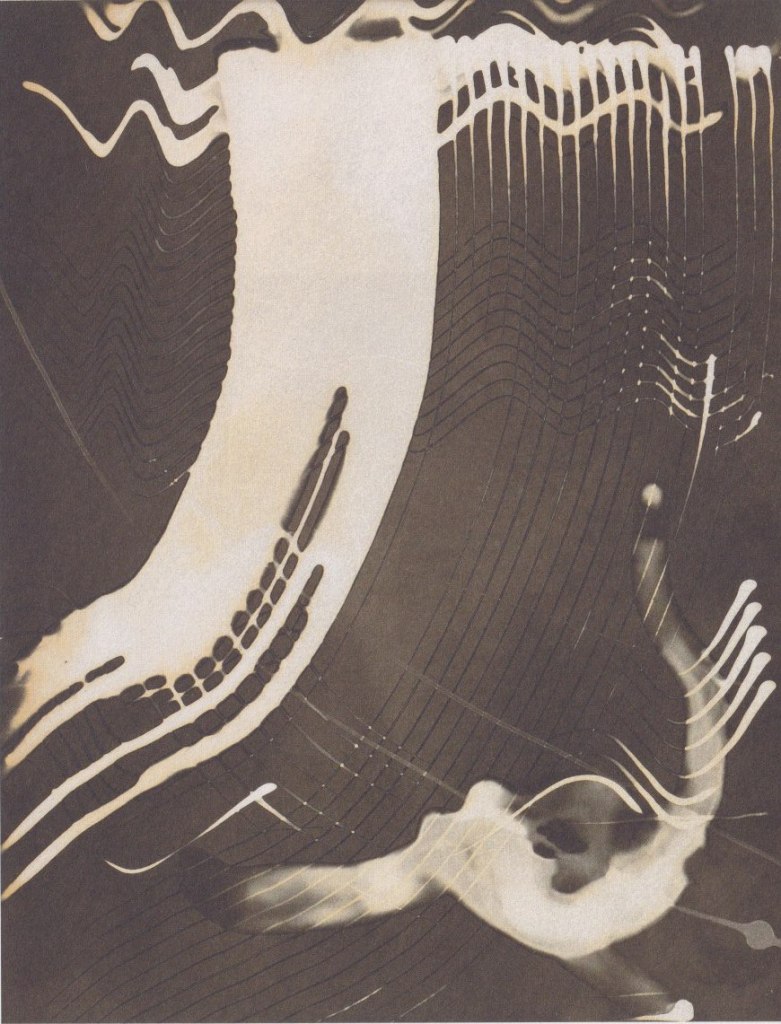
Emeric Feher 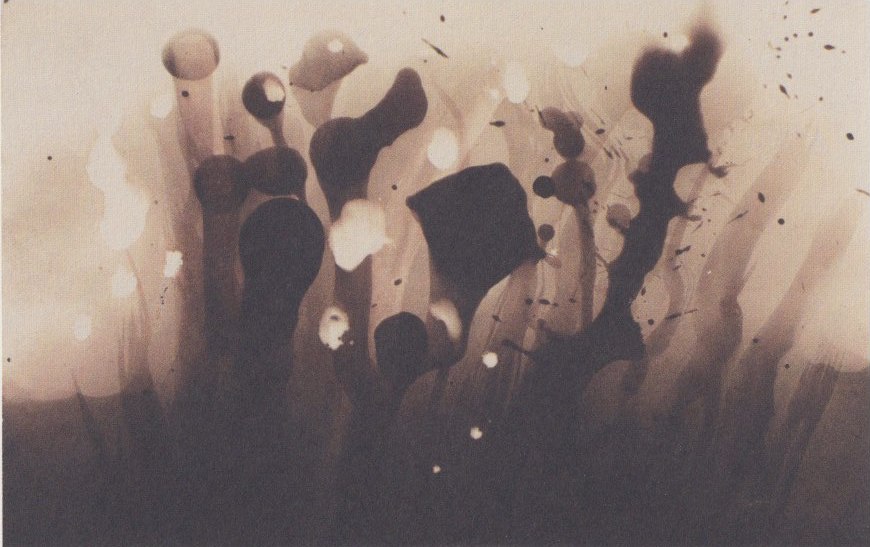
Roger Parry 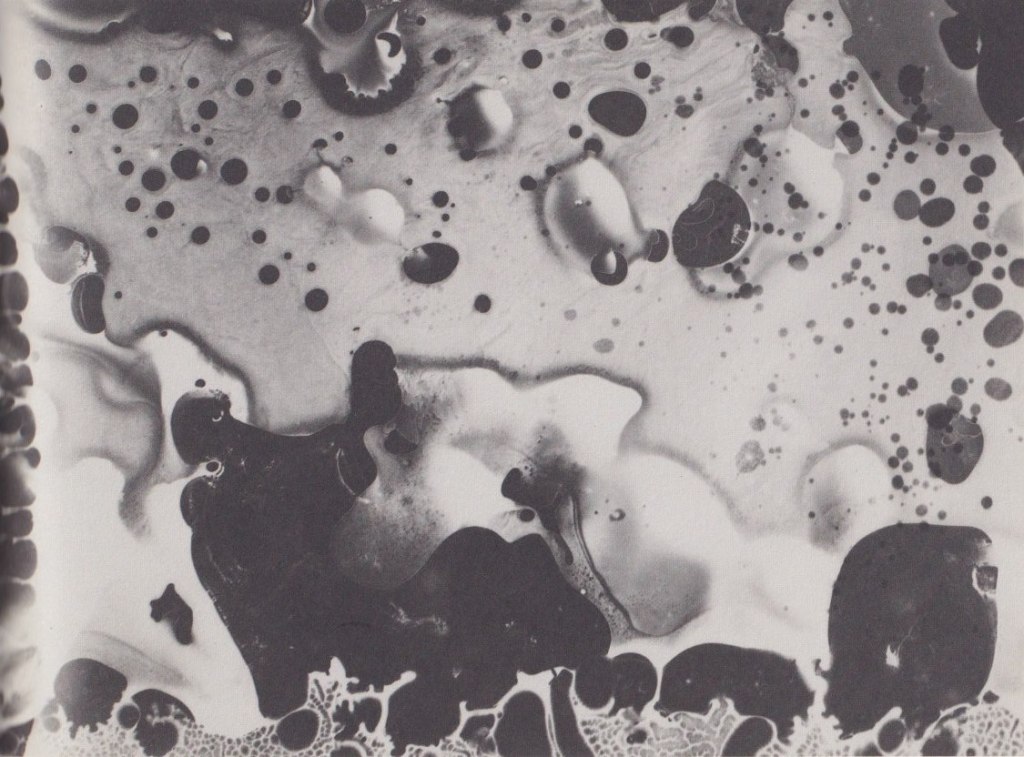
Hannes Beckmann 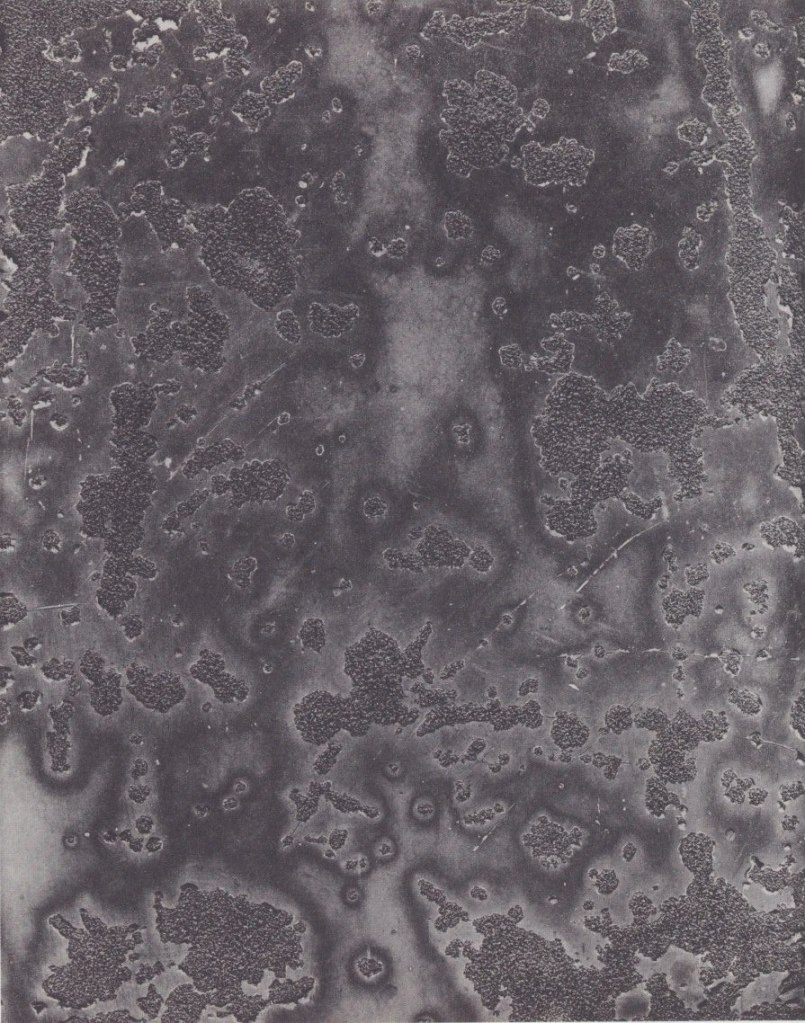
Guy Bourdin
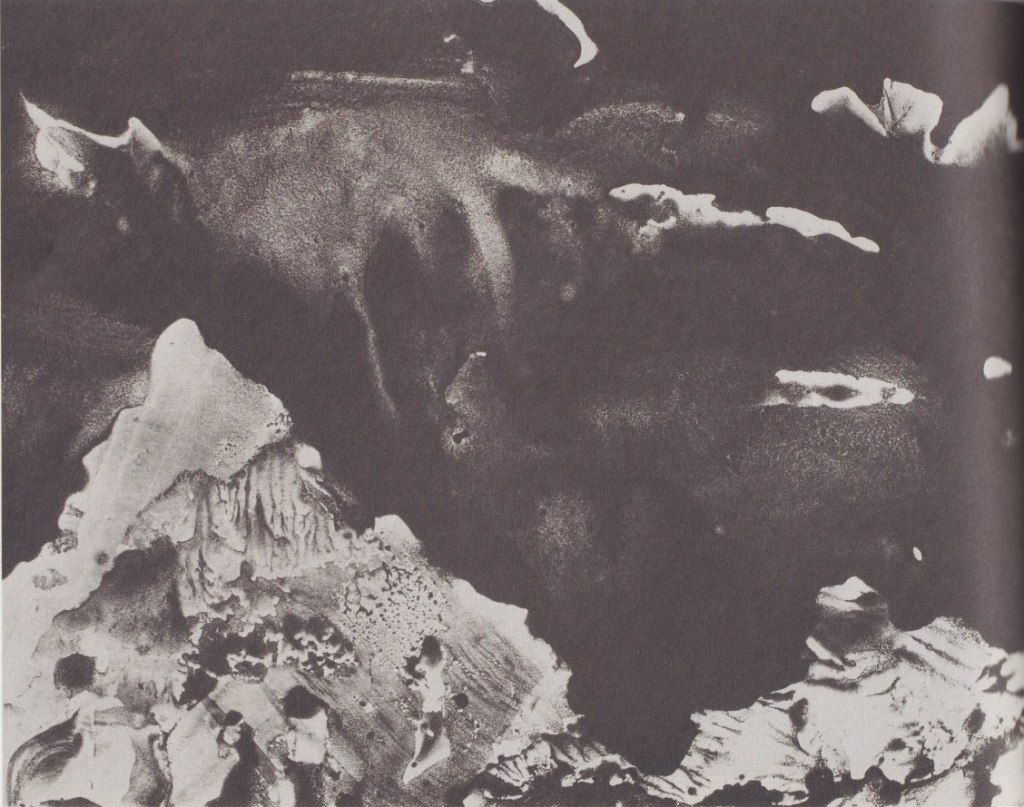
This final gallery shows a variety of practitioners experimenting with the way chemicals interact with the surface of the material with little artistry placed in the use of the light. Often called ‘chemigrams’, this often difficult to control process can be fun and frustrating at the same time.
Shape of Light: 100 Years of Photography and Abstract Art. (2018). London, England: Tate Publishing
 Andrews Masters Journey