
How ones art reaches the intended audience is one of the most fundamental of considerations for any photographer. The method must meet the intentions of the work and not hinder them in the process.
For this module I have created a mock book layout with the images from my WIPP reconsiderations. A video of this scrolling is shown below.
Although this is clearly a digital representation made through InDesign, it is the start of a thinking process towards outcome possibilities over the course of the FMP.
The major benefits of the book are that it allows the viewer to linger, to return to and to own their own piece of your work. It can be shared, resold and will last far longer than a physical show would. Although the 21st century is calling into question the state of publishing, I feel that the photobook is still as relevant and desired as it has ever been. I would like to explore becoming more creative with the book design and making of it through traditional folding and binding techniques as well as a wide range of materials.
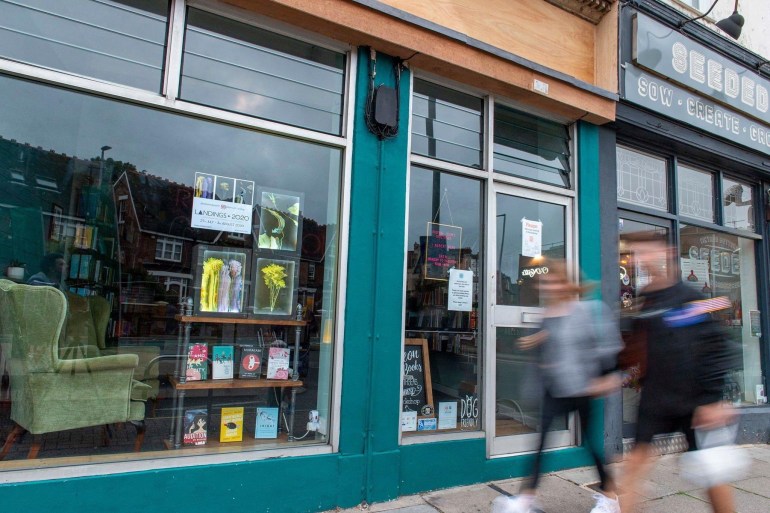
It would be silly not to consider the method already used this module for the dissemination of my images. The light boxes I produced for the Landings show and displayed in a book shop window were a great compliment to the flatbed scanner nature of how the images were produced. These were very DIY and in need of refinement however a great step towards something. Larger more effective light boxes could be a method of display over the FMP. These particular light boxes were USB powered so it is entirely possible to set them up in a public space and power them with a USB charging pack.
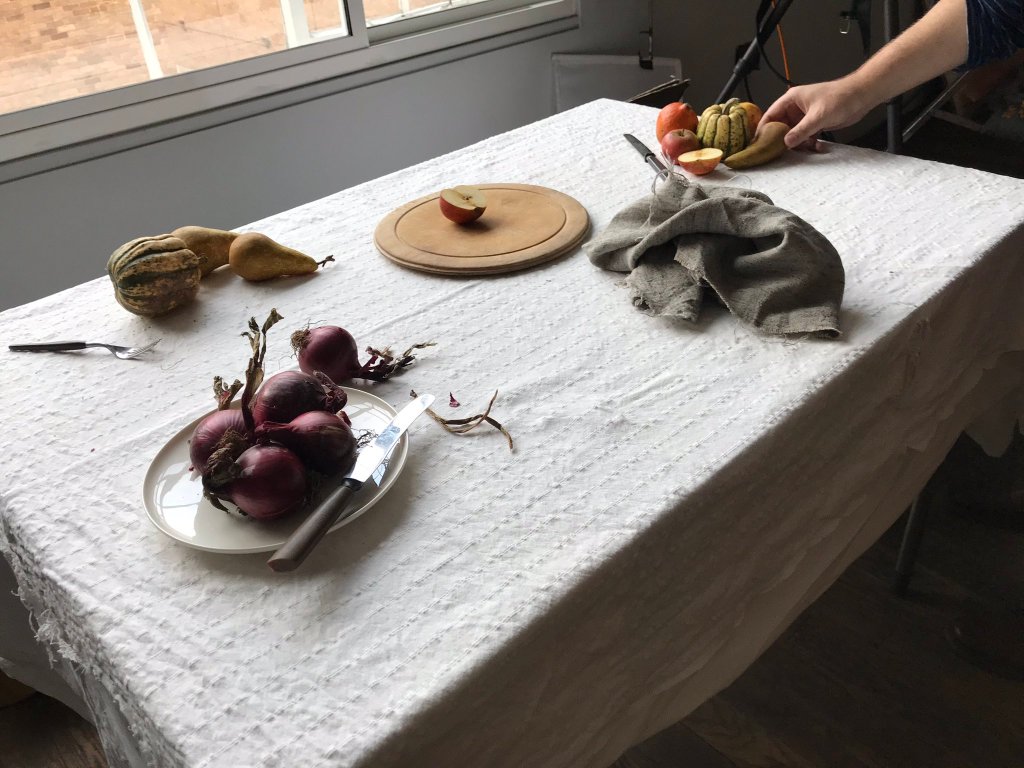
Finally I’d like to discuss the possibilities of workshops. The above image comes from the twitter account of The Photographers Gallery in London. It depicts a workshop they had in the gallery where individuals could arrange the given objects in any way they liked and then photograph them. The giving over of creative responsibility to the viewer is something that interests and scares me at the same time. This lack of control could yield great photographic imagery and has given me an idea for developments in my teaching practice as well as my photographic practice. It could be possible to take this further with methods similar to those Laura Letinsky uses of printing images and then rephotographing them in the scene.
There are, of course, an in-exhaustive list of methods to display photography and the potential of this in the digital era is the greatest it has ever been. Other methods could also be considered but I feel at this point that these are of the most appropriate in their nature.
 Andrews Masters Journey