
Met with Cemre this week after I couldn’t do the Tuesday. Before this webinar I had a feeling that I knew the concept and the direction with Laura but found it difficult to explain to Cemre. This may still show in the CRJ.
I started out by sharing a range of work from this module to try and convey to Cemre the journey I have taken so far.
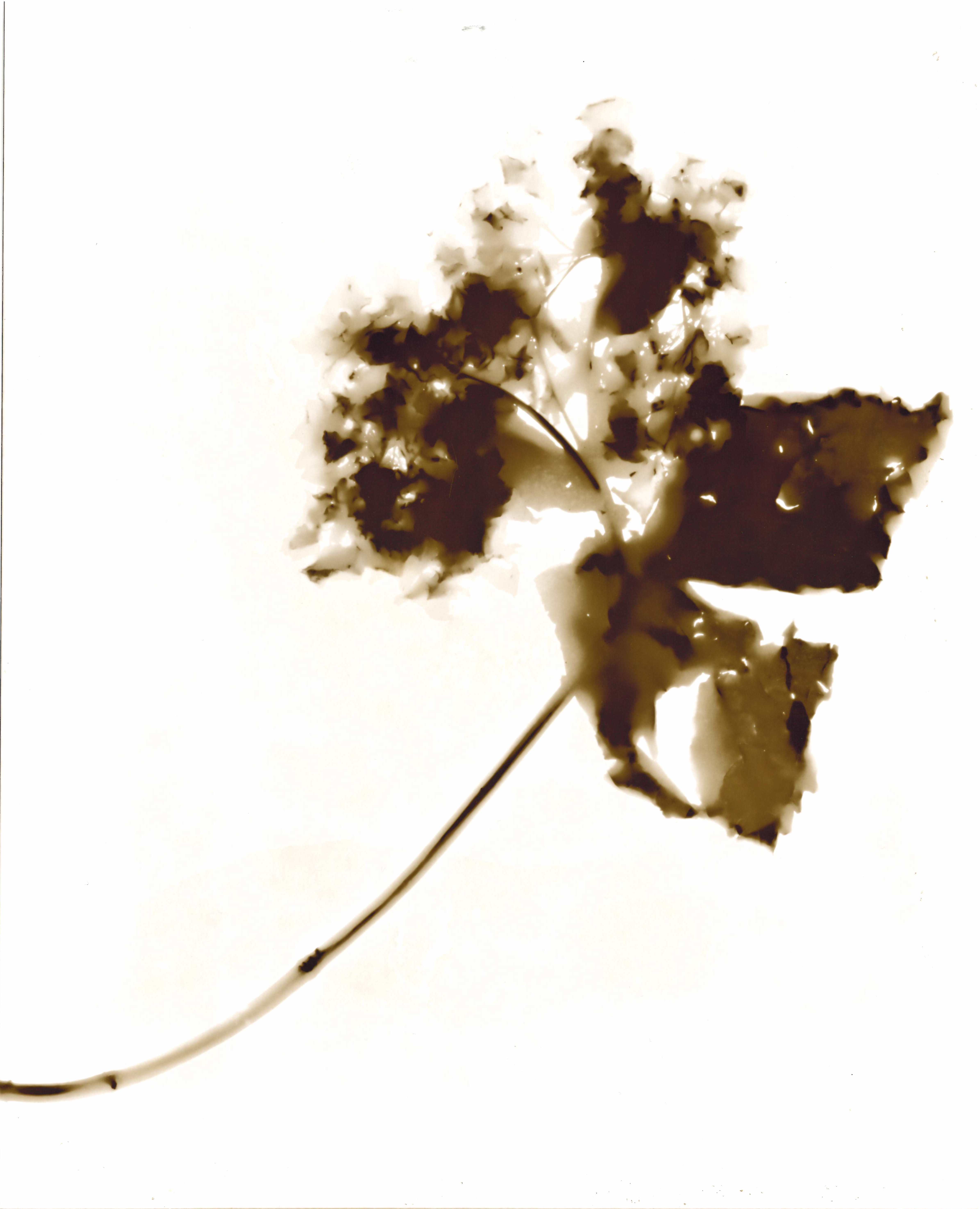

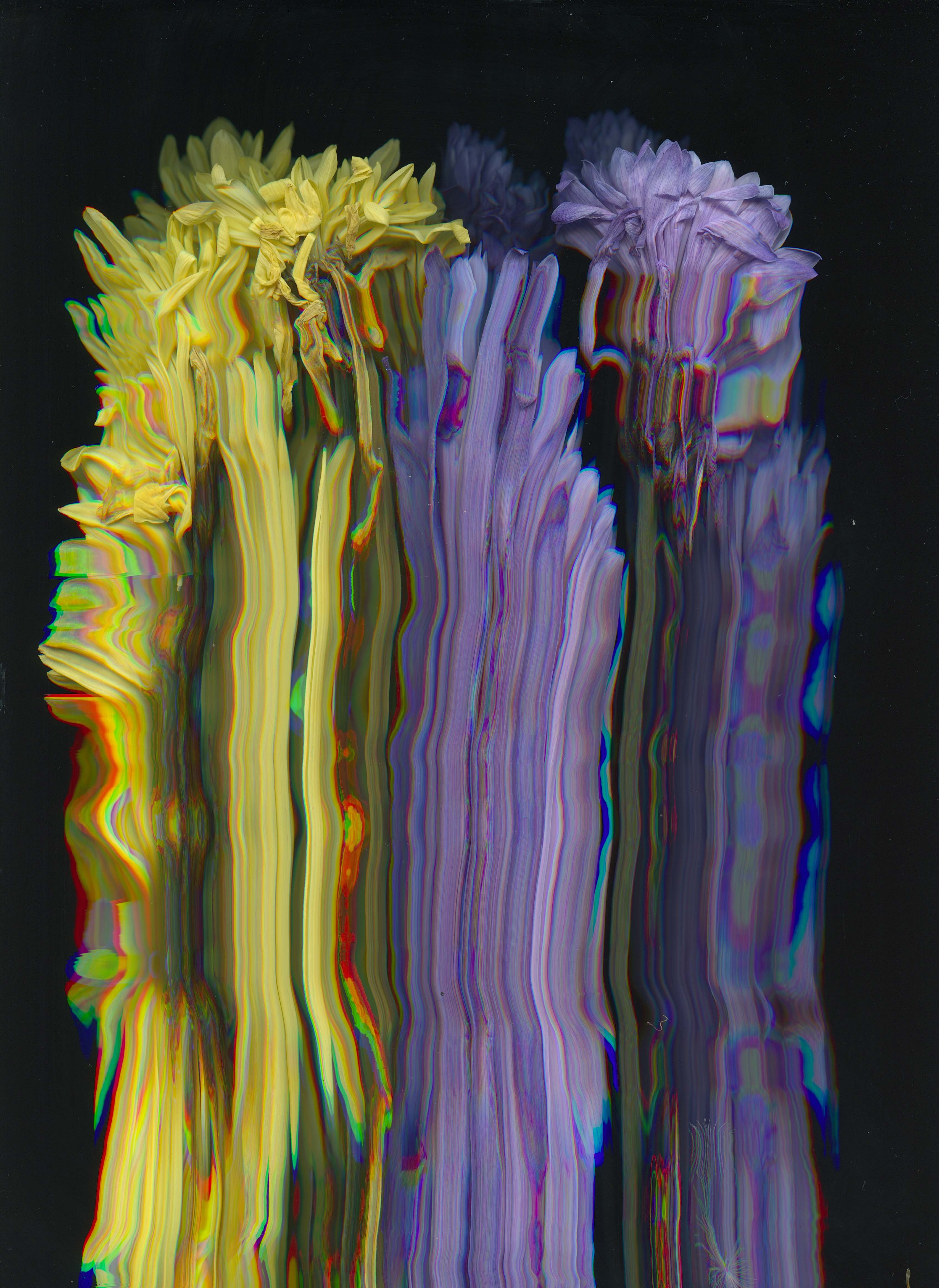





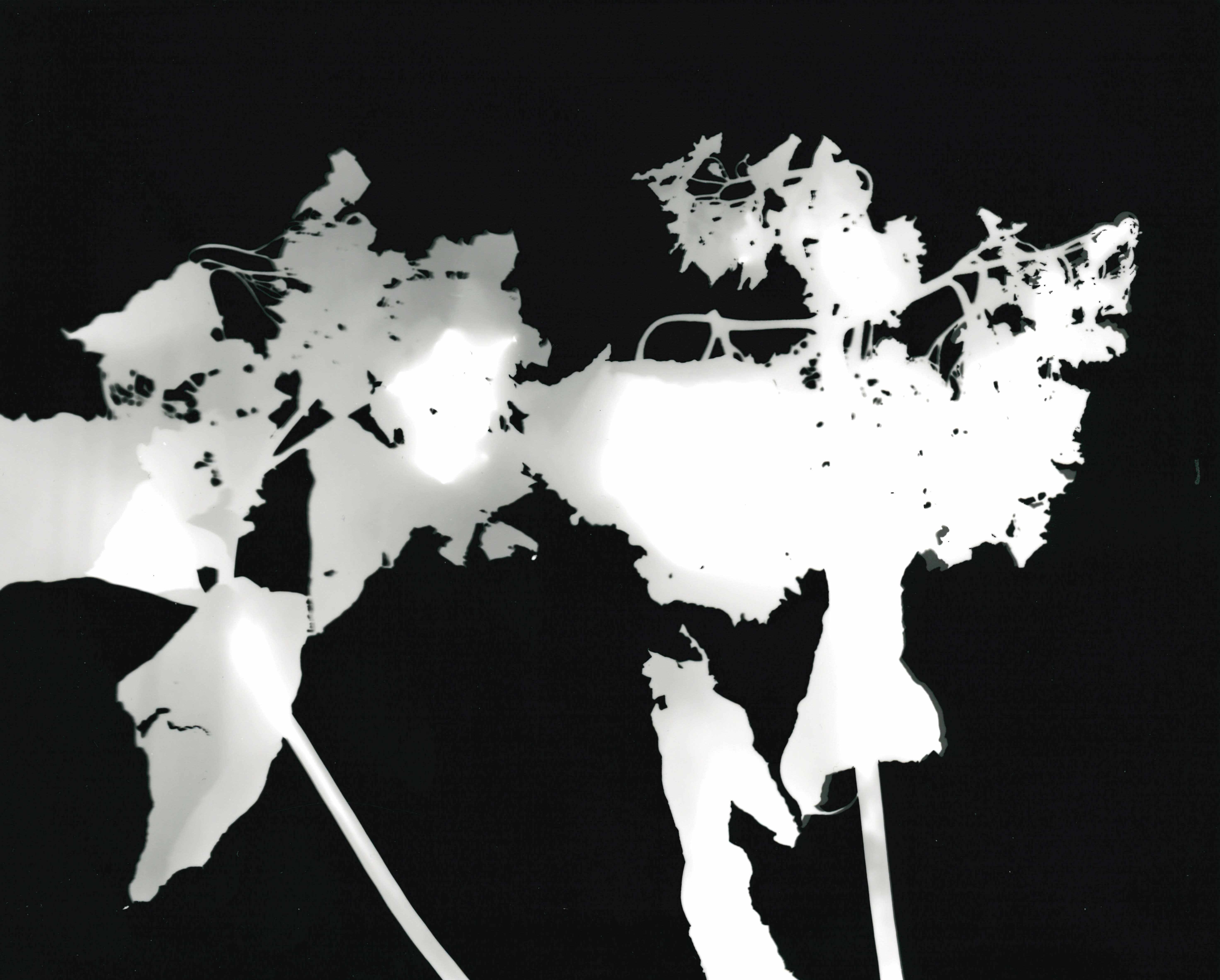
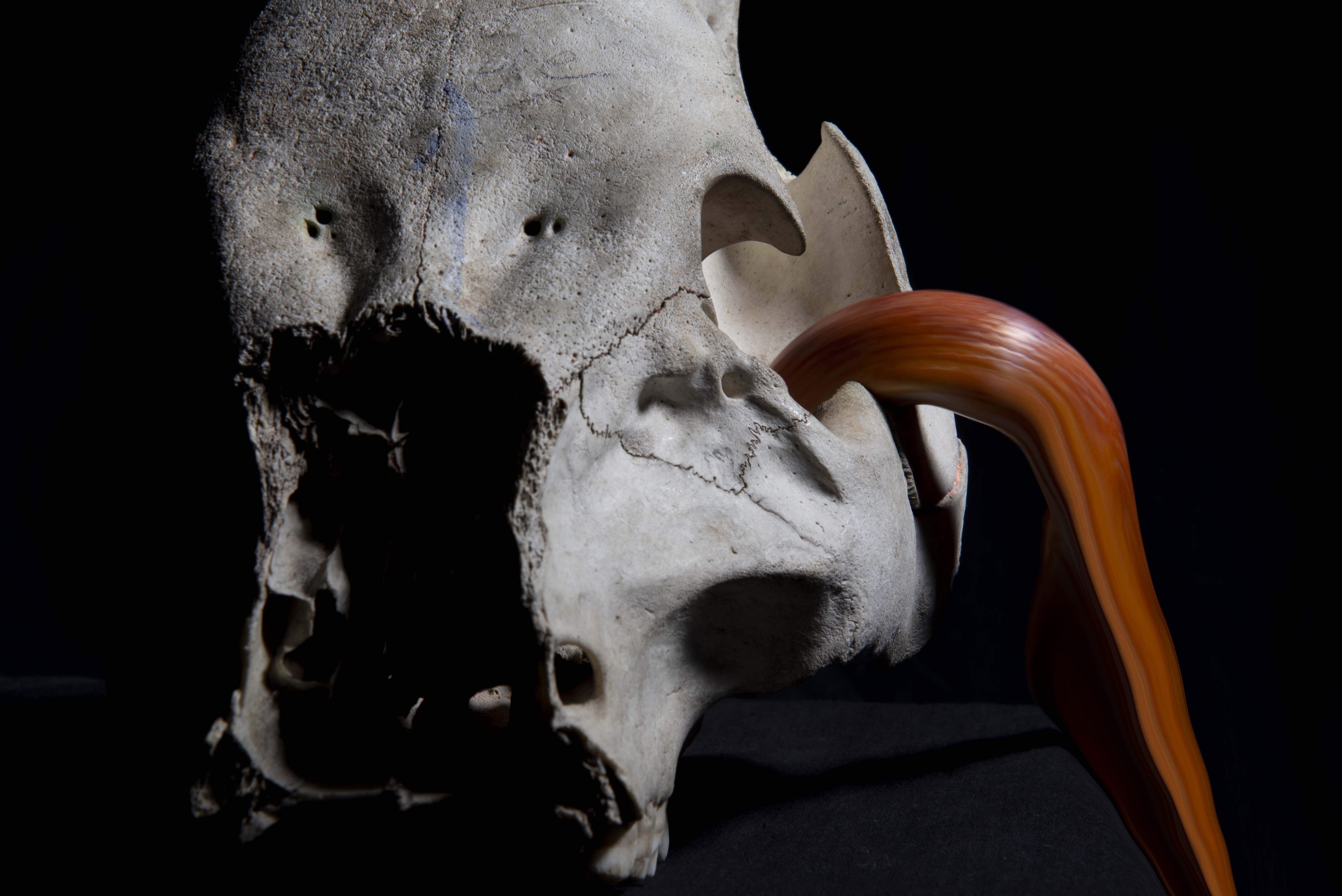
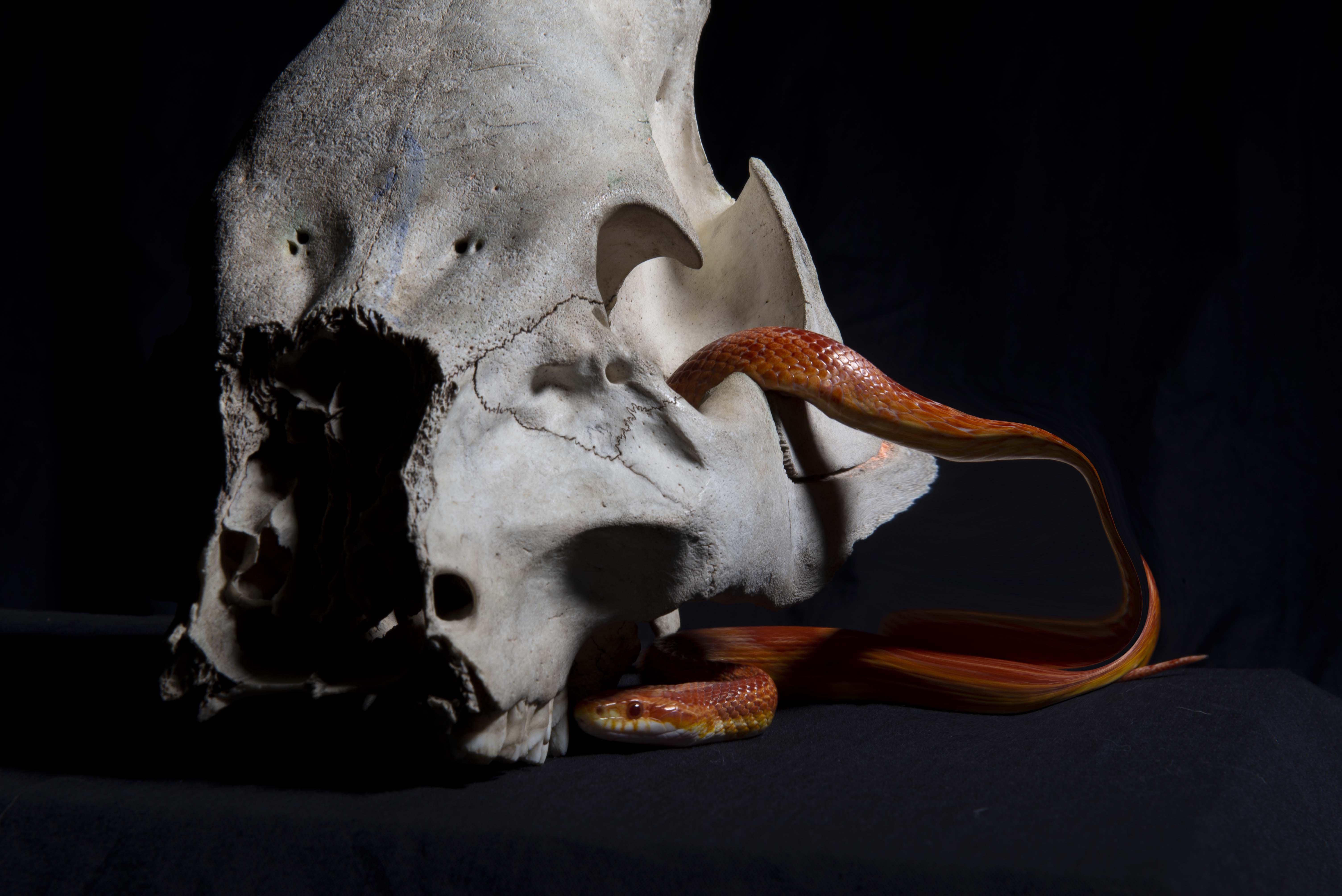
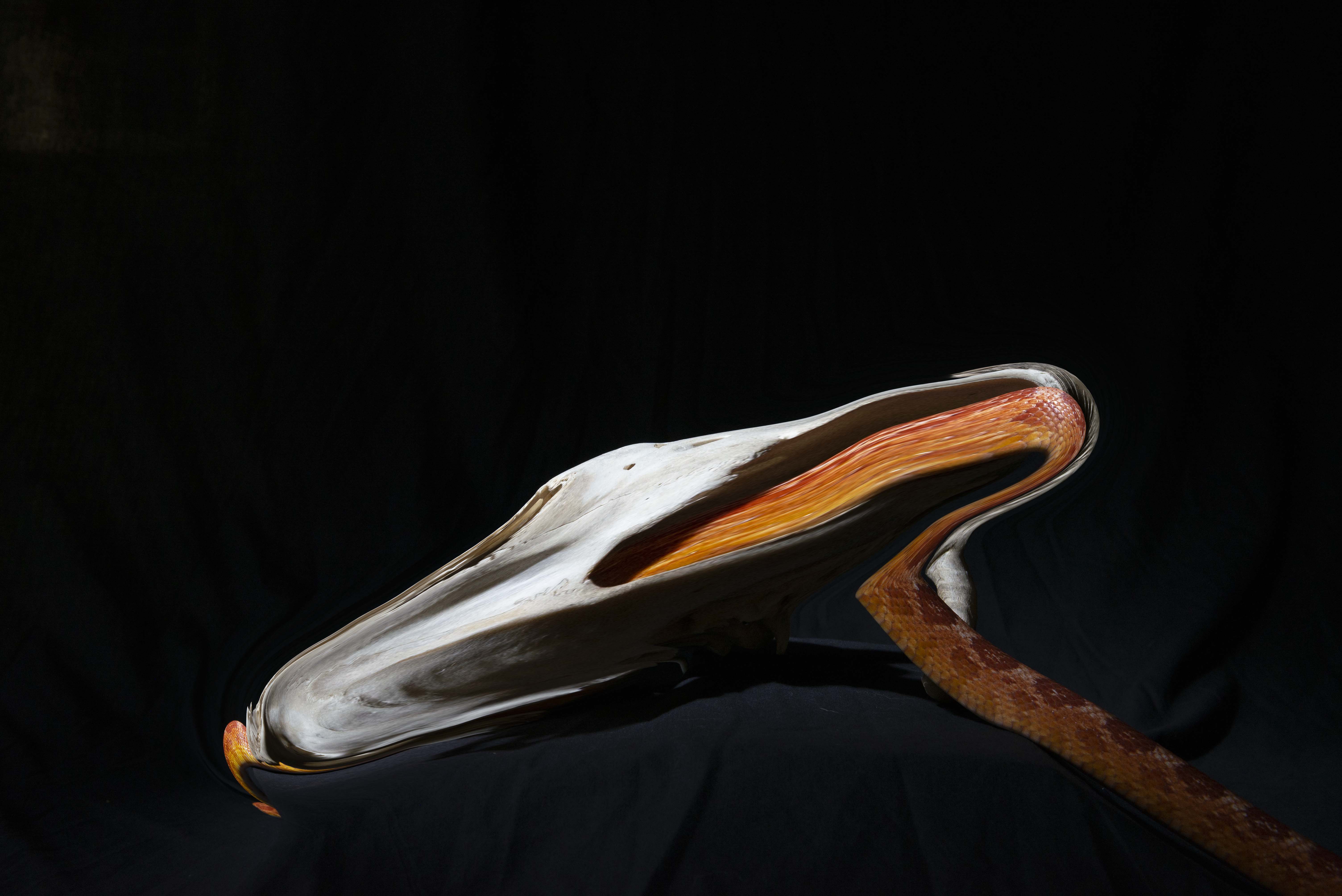
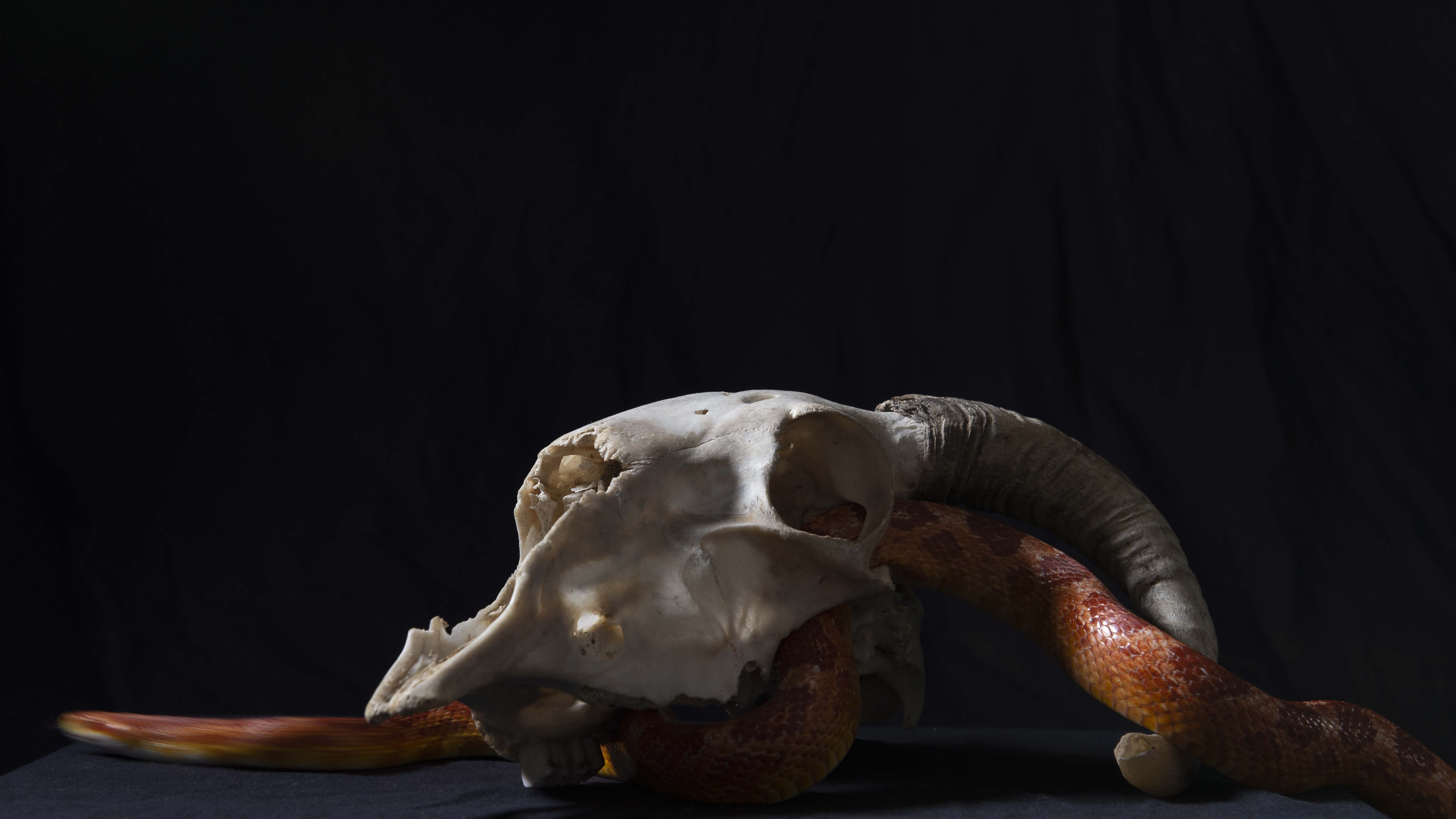
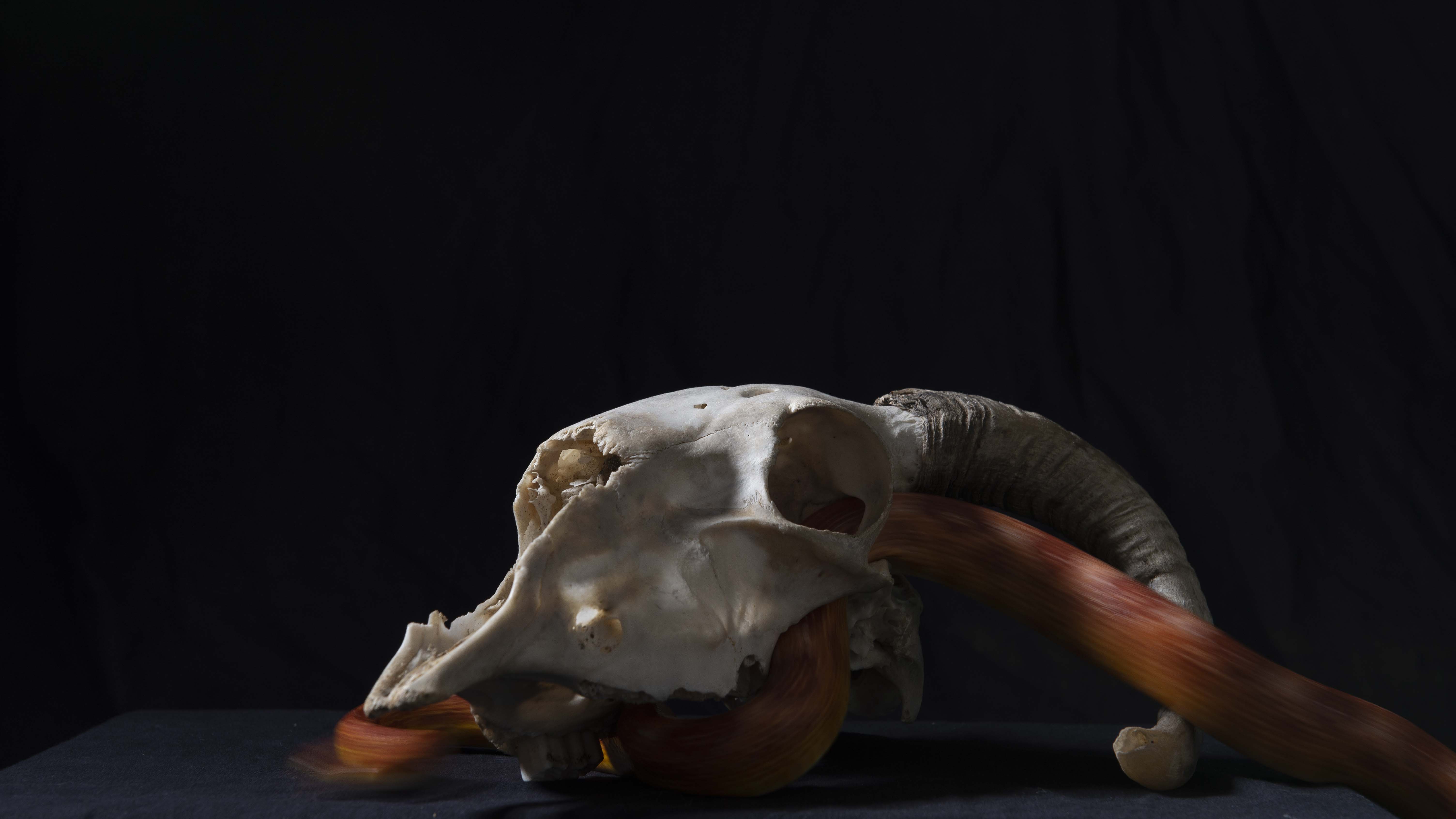
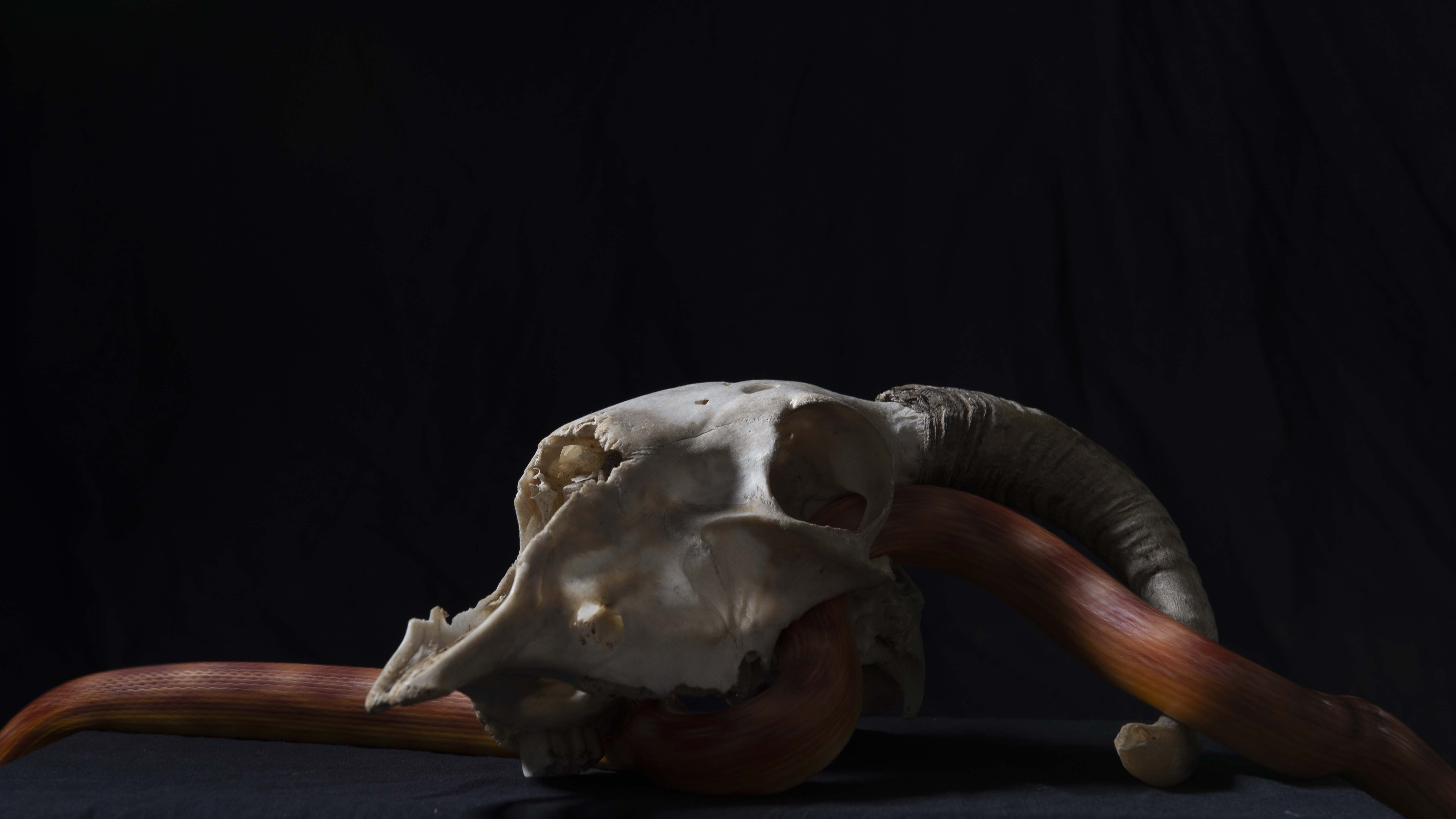
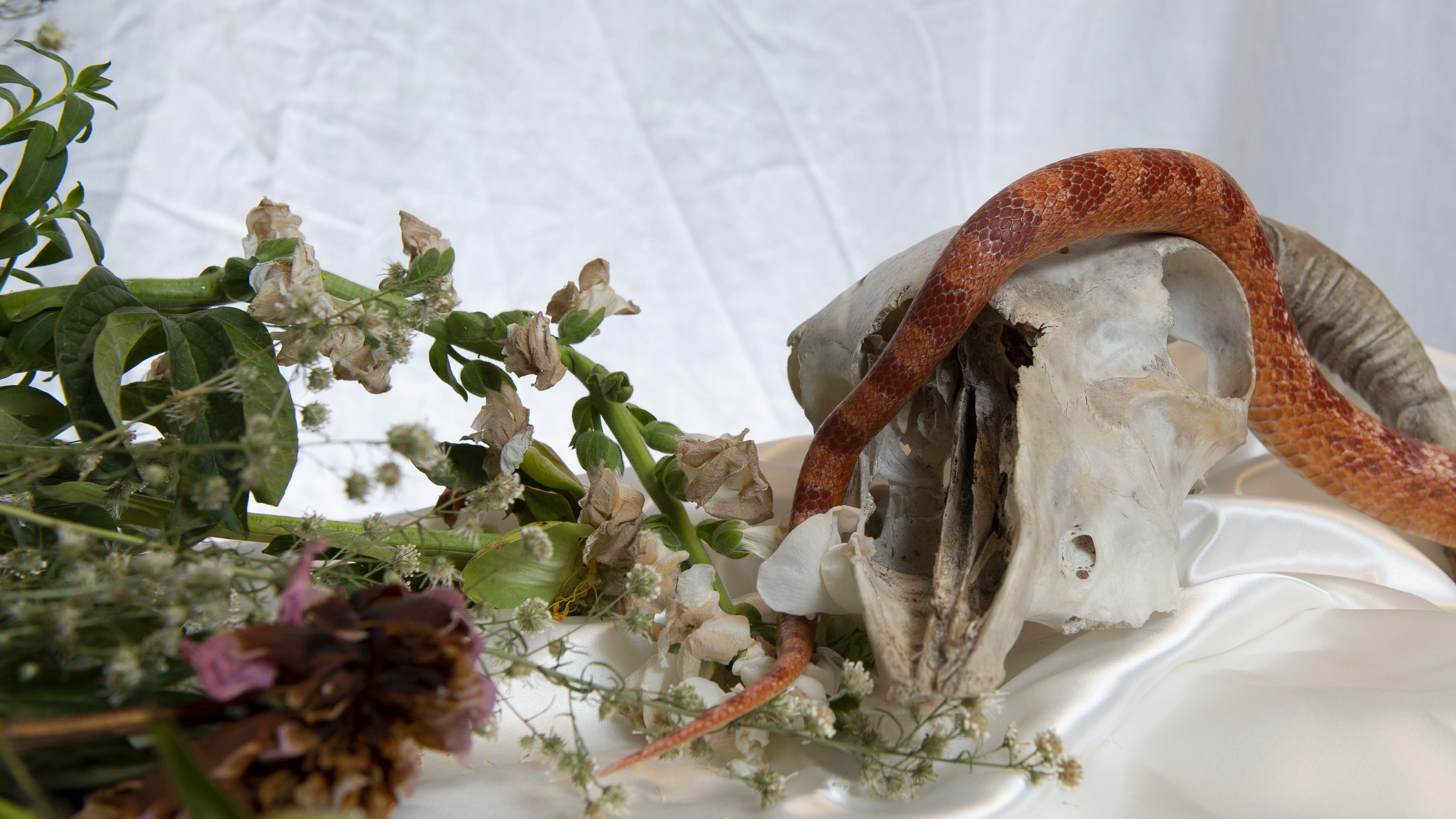
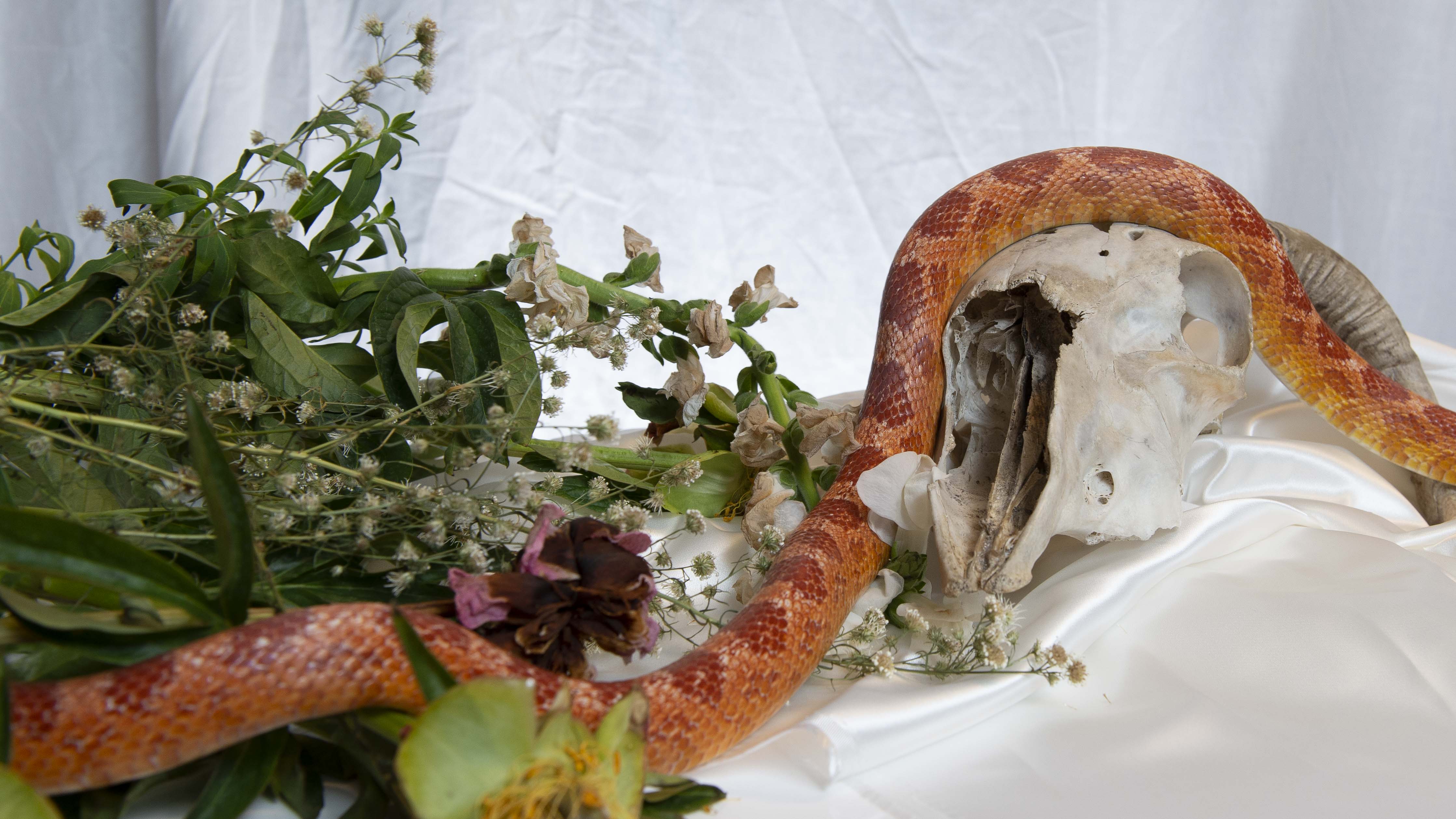
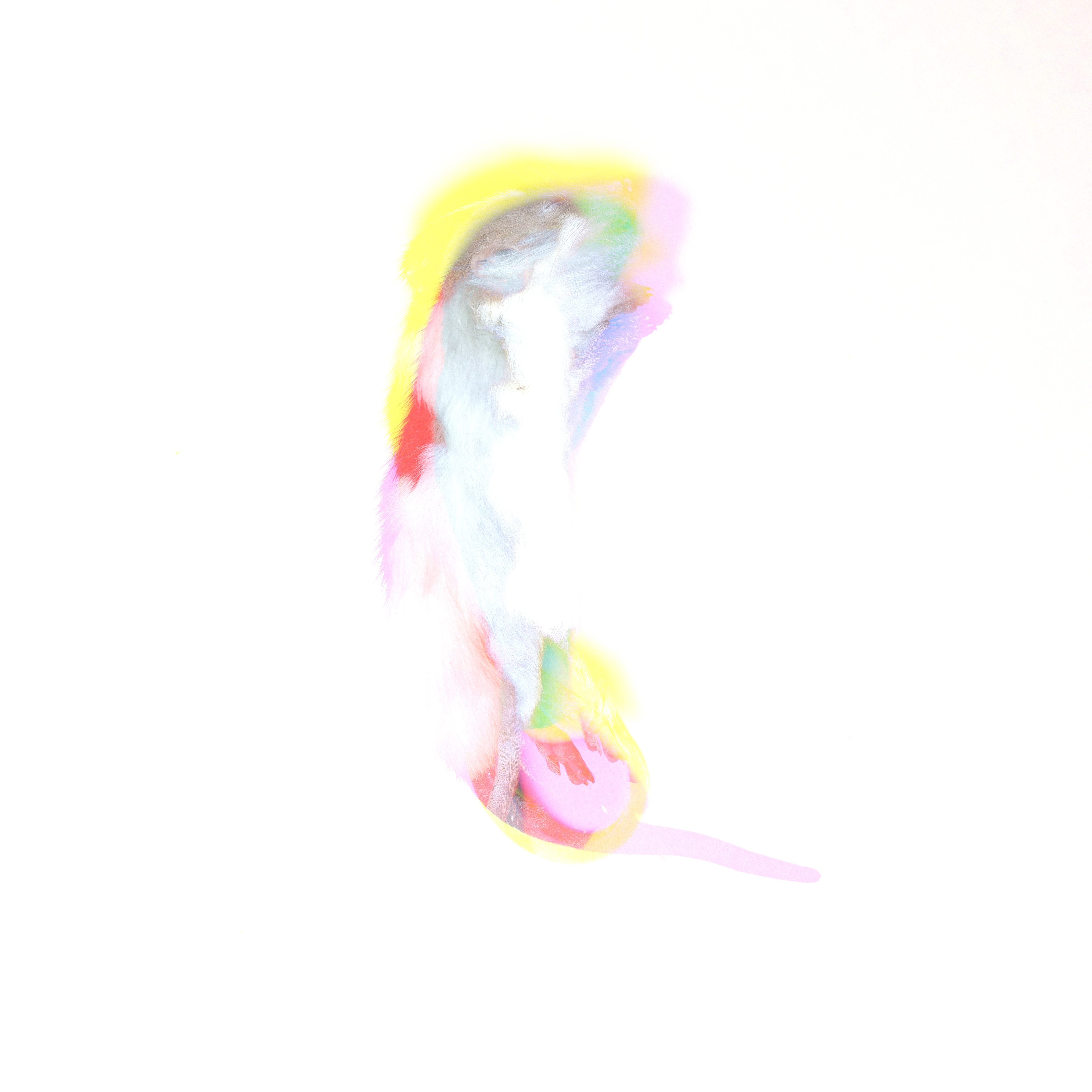
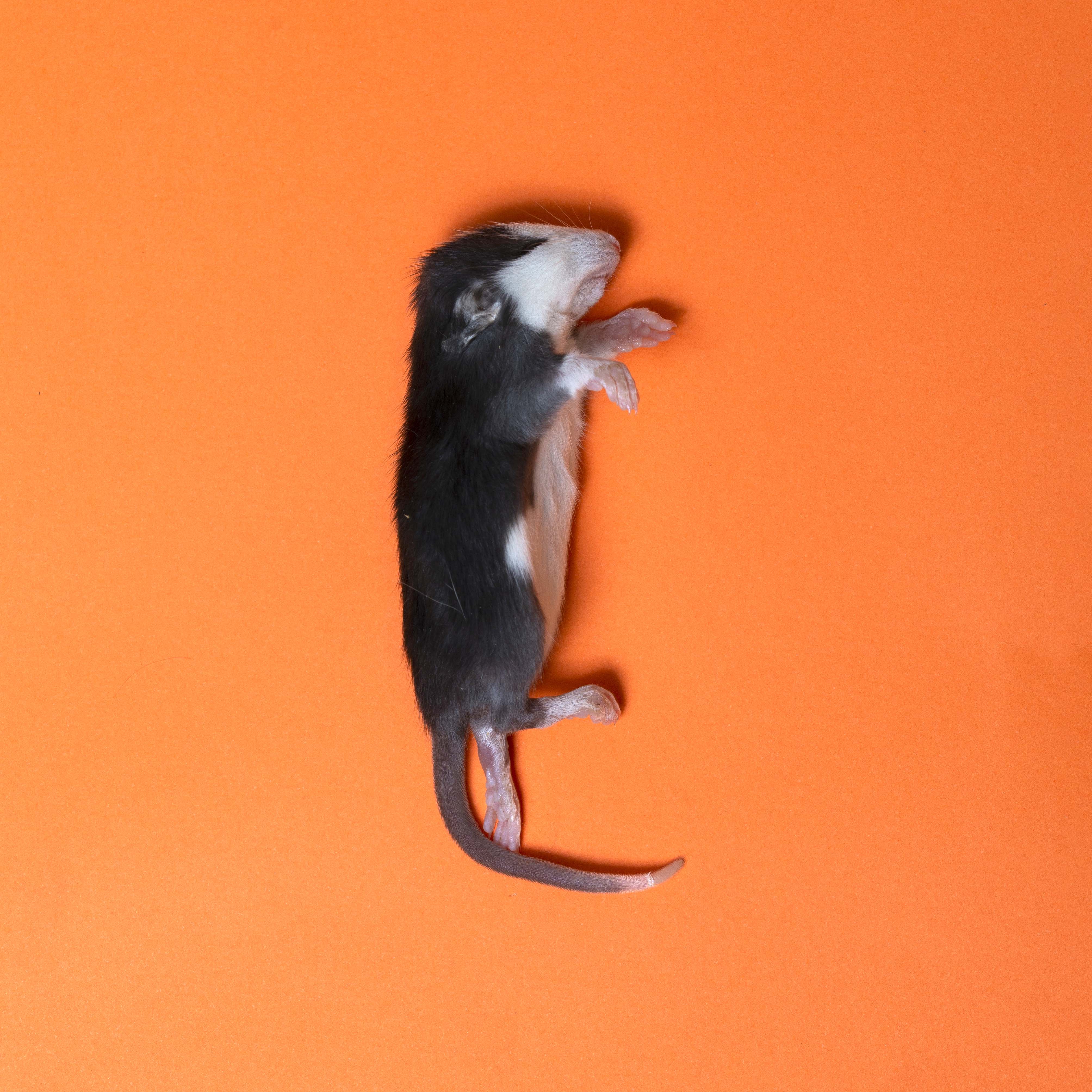
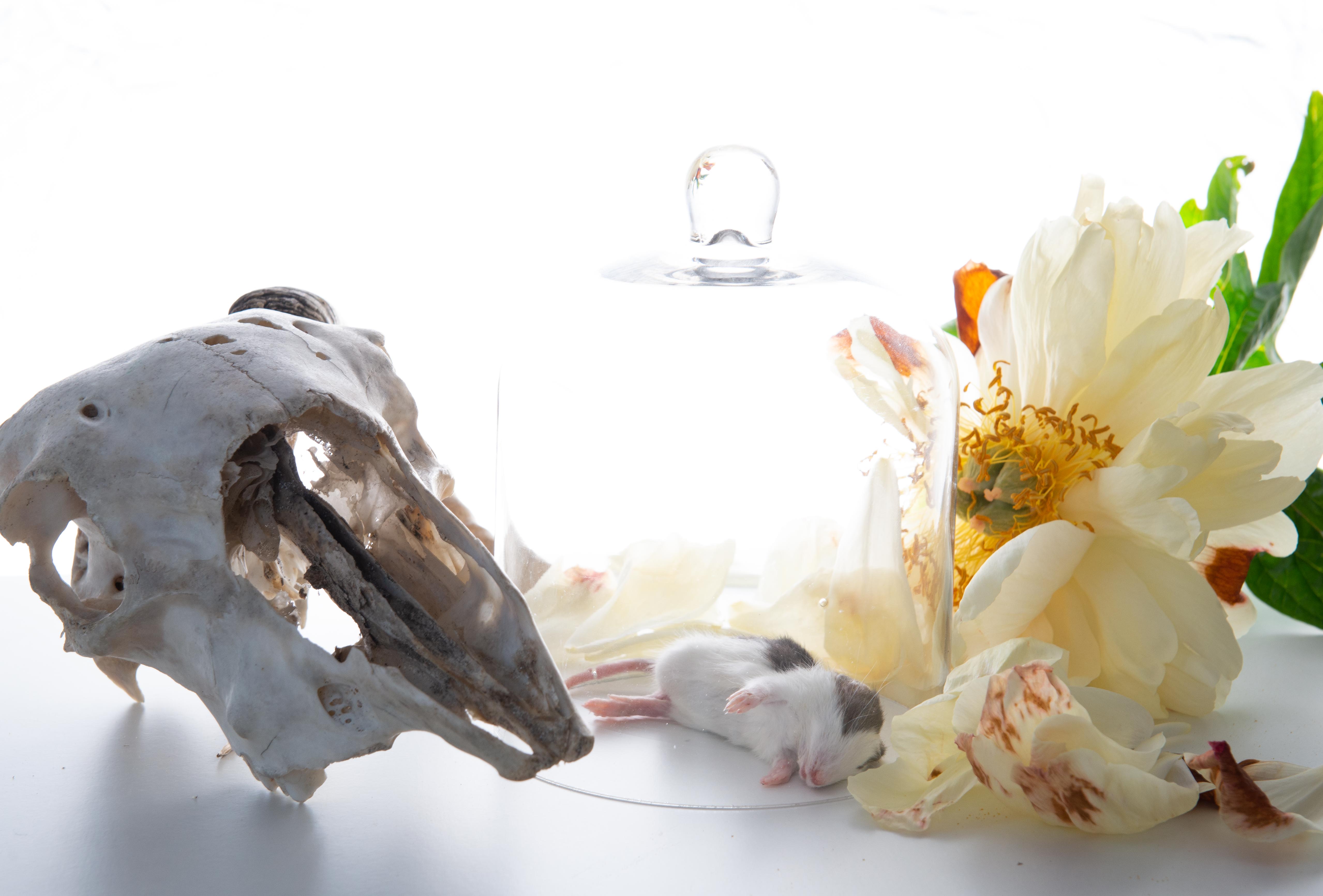
From here I need to take one step back and question what is it that draws me to this. Is it about death? Life? Decay? Why did I do what I did? What is the relevance of the snake? Of the objects in my scenes?
When I first started out with ‘still life’ photography it was with the feeling that it’s an area of practice I had never really visited before. Upon inspection I felt that it had been just that our typical view of what ‘still life’ should mean lead me to think I hadn’t.
So what is it about for me? What draws myself to the subject matter so far?
Simply, iconography. During my initial research during module 3 I observed the iconography and symbolism found in many still life fine art paintings. All visual culture is the representation or misrepresentation of a subject. With photography this is more overt. My first feelings were to replicate these.
As this module has progressed I’ve tried to start finding my own path and becoming more contemporary with my practice. The objects within my scenes are often due to what is available to me or that I can ‘crowdsource’ from other people.
One key question in this webinar was ‘what is the relevance of the snake. A simple answer could be that it was available to me so I used it. Symbolically the snake is often drawn from the story of the garden of Eden and the creature who tempted Adam and Eve to eat the forbidden fruit. As a punishment the creature was made to crawl along the ground on its belly for the rest of its days. This element of temptation and greed is important to many but snakes also conjure different feelings in different people dependent on their exposure. Am I possibly tapping into this fear? Similarly with the rats. Many have fears and phobias of them and they are often perceived as animals of disease and plague. Their portrayal so far in my practice has been one of peace and stillness as opposed to life.
Could stopping photography be helpful here? For a bit?
Particular interest was shown in the images of the rats set on different coloured papers.
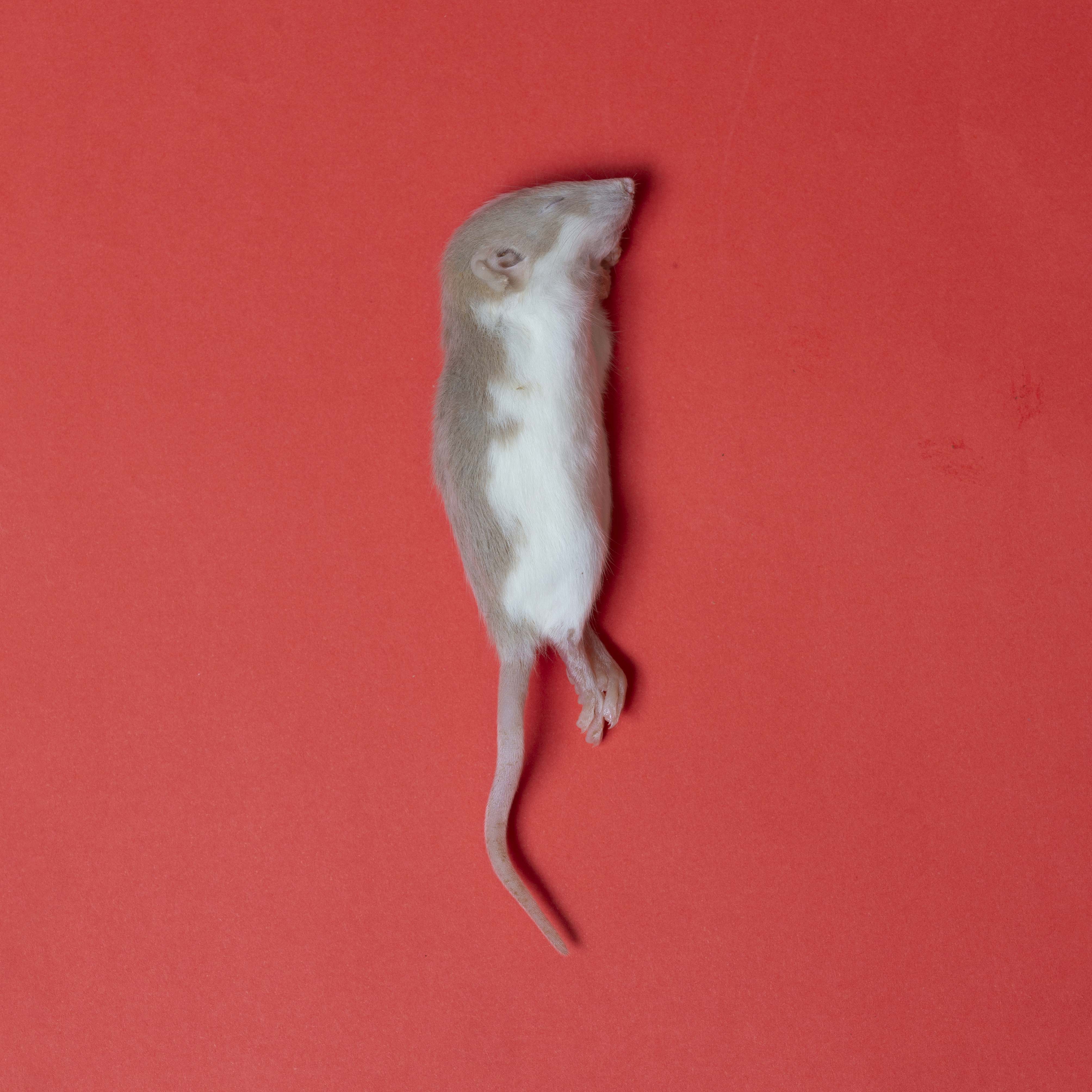
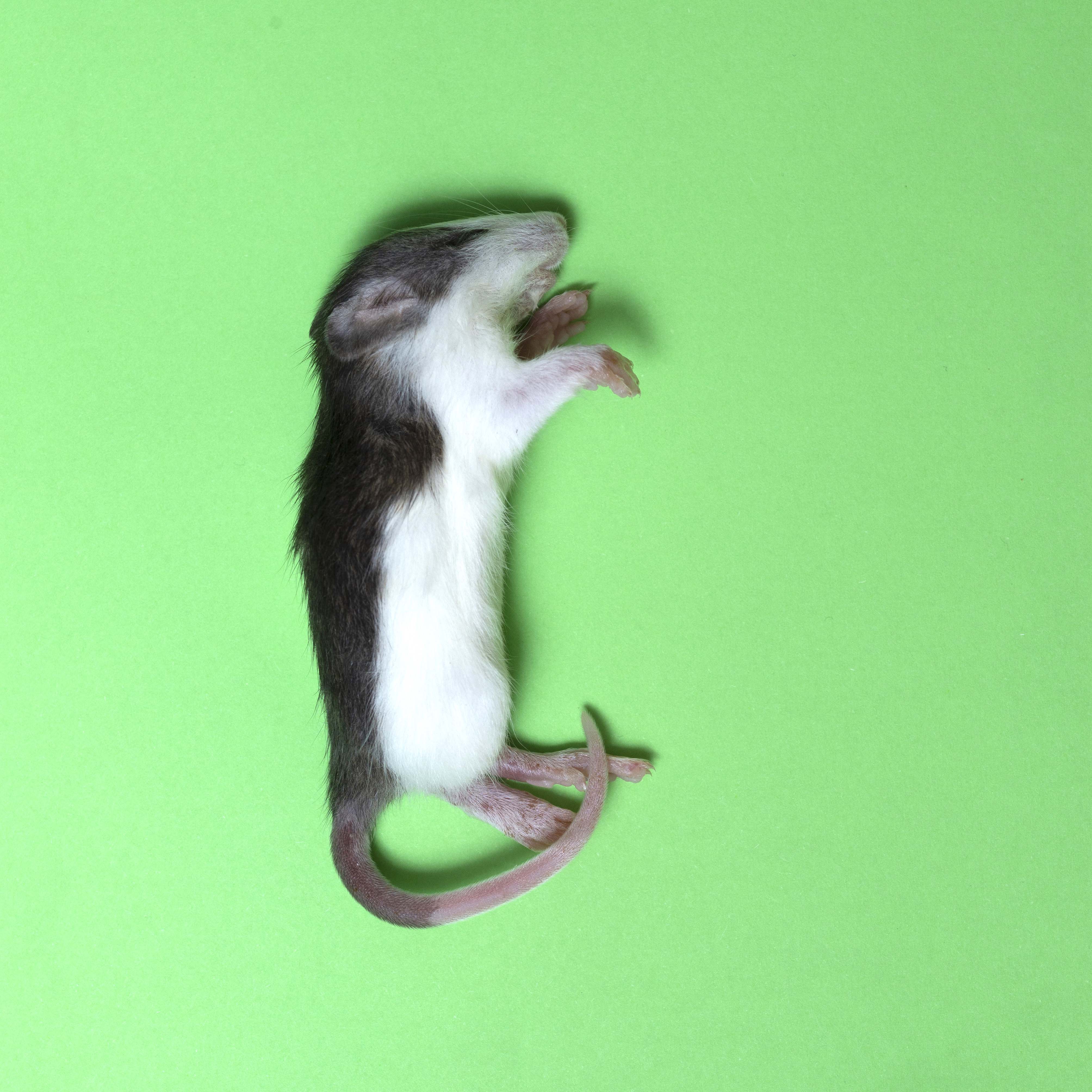
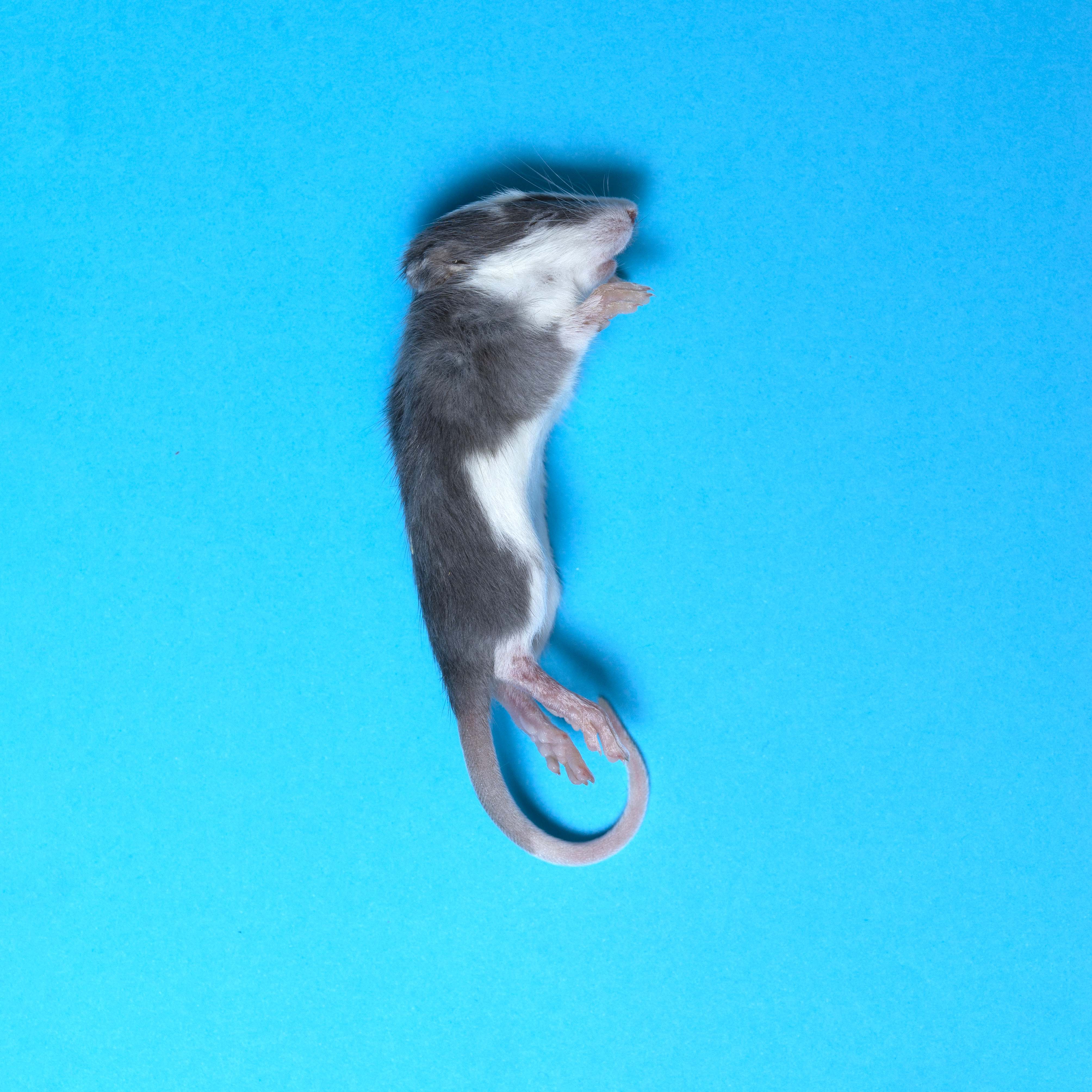
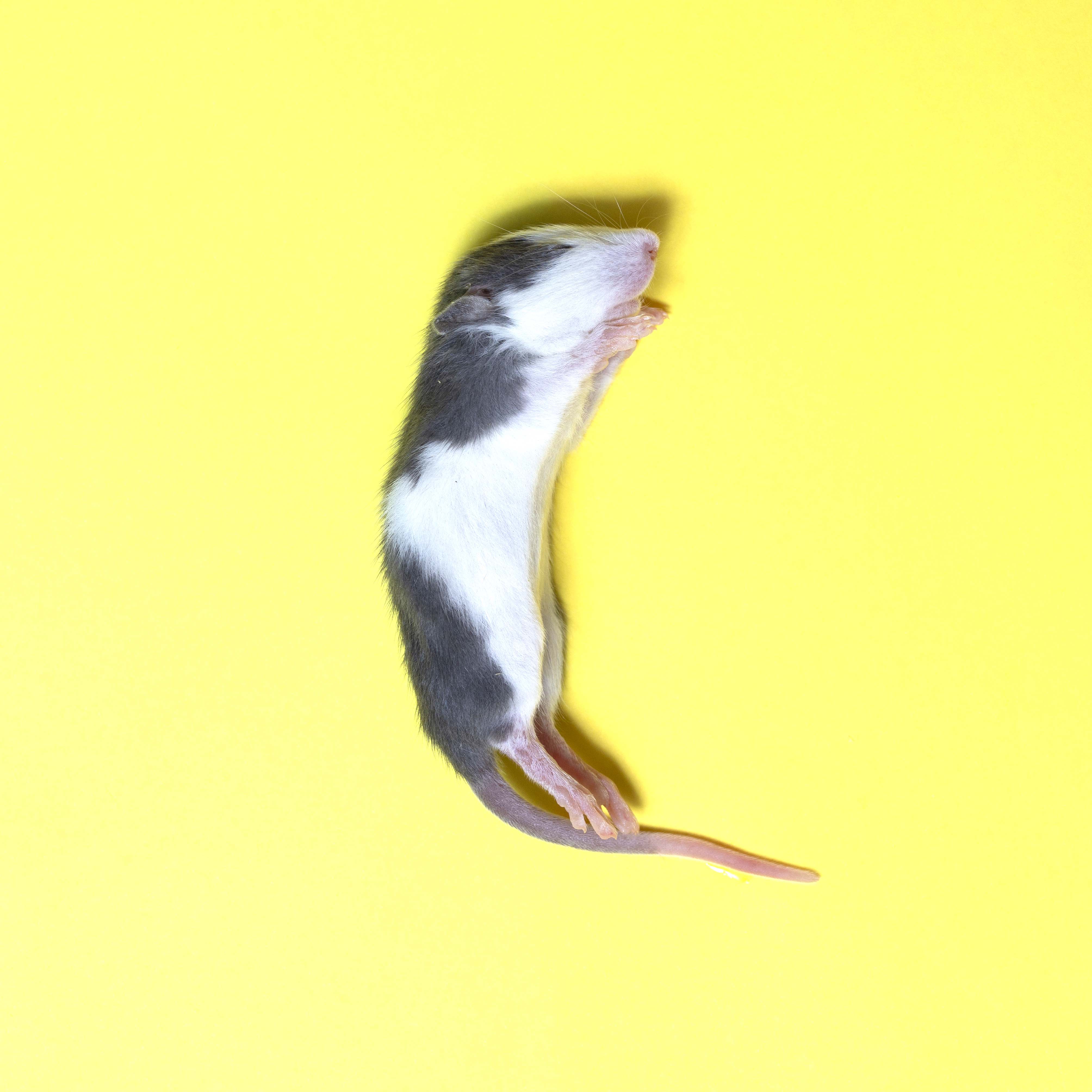
It’s about death and life at the same time. A bit more context needed. One thing mentioned here by Cemre made so much sense and I’m amazed it got passed me before. The term ‘Still Life’ is literally a coming together of death and life – ‘Still’ to be still or dead and ‘Life’ representing life, to be alive.
I also made mention of my intentions for Landings but this was not discussed a great deal.
A few artist recommendations were made and I will visit these in my CRJ but at this point am unsure how I would like to integrate these.
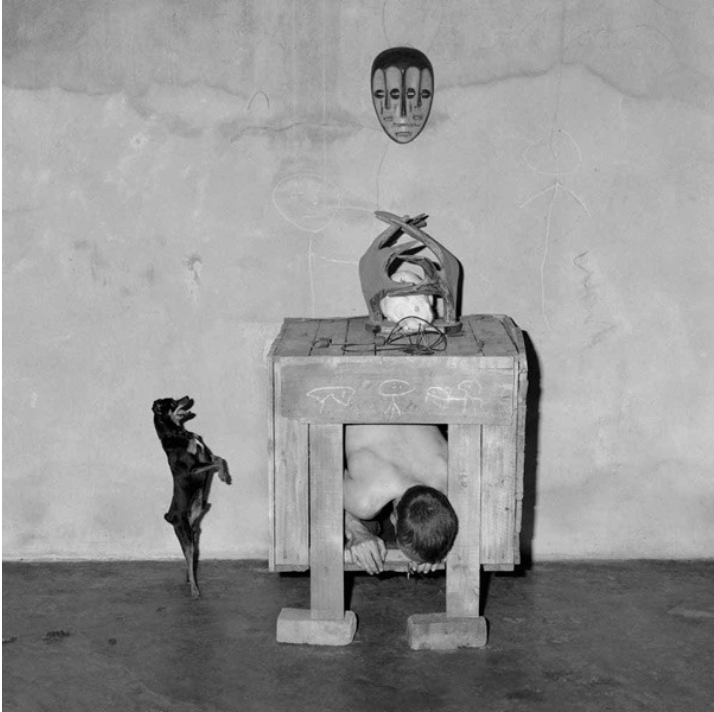
Roger Ballen 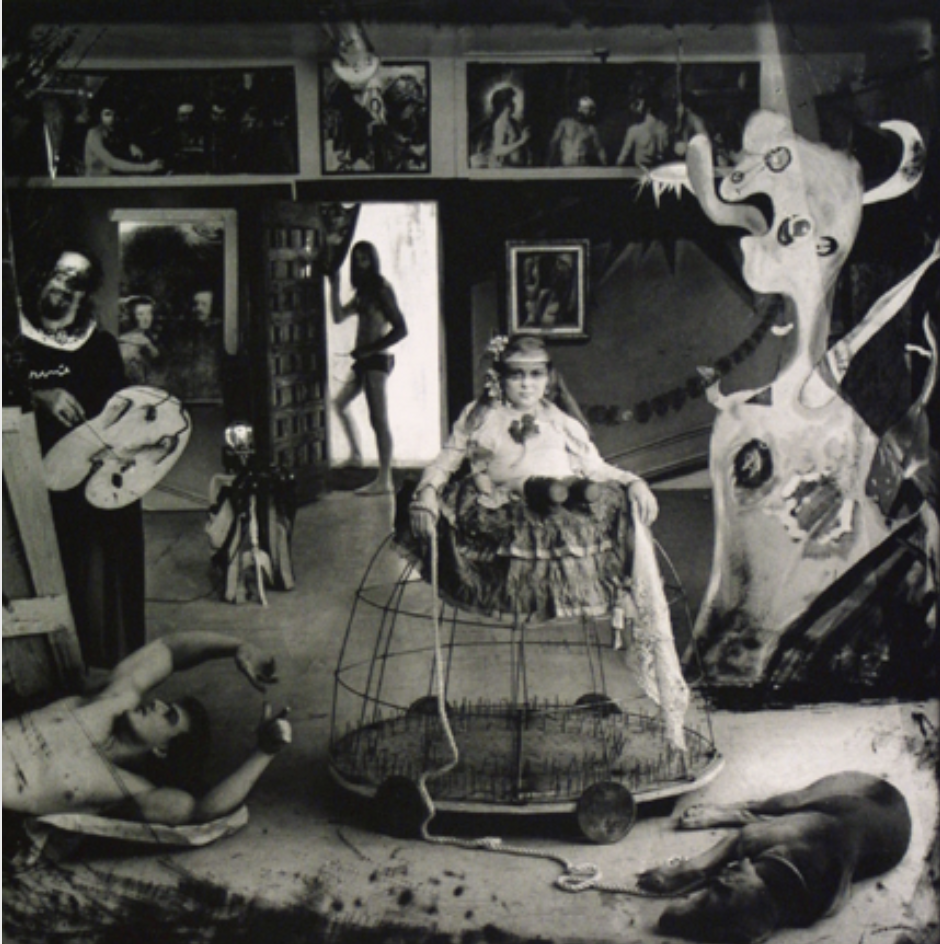
Joel-Peter Witkin 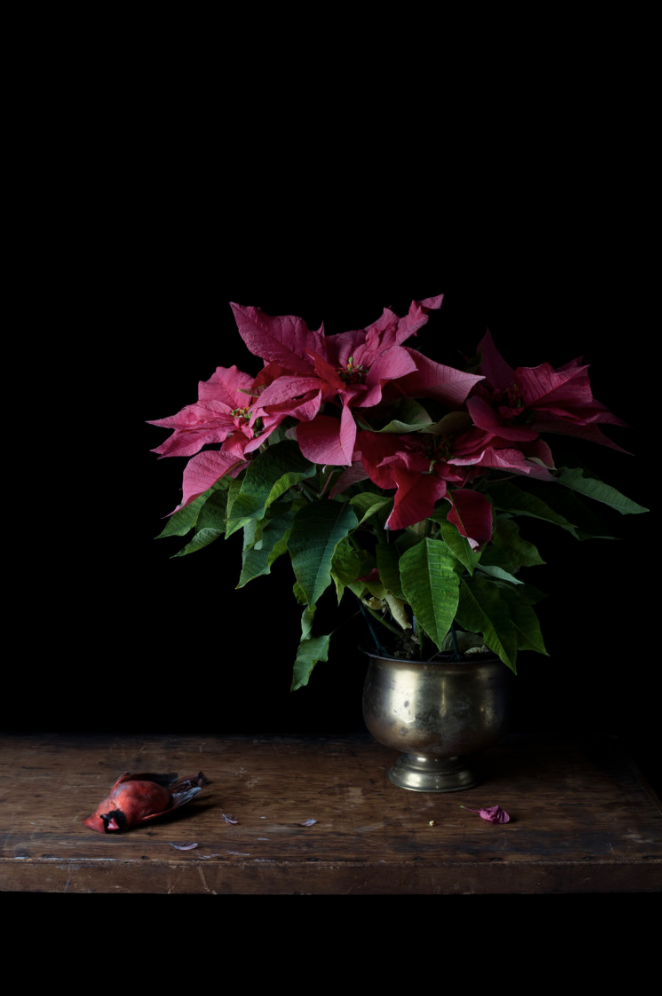
Kimberly Witham
Upon a brief visit to these artists I feel that the work of Witkin and Ballen is a step too far towards the macabre for me and my work. The work of Witham however is definitely in need of further study and photographic interpretation. Whether that happens as part of this module or the next is unclear due to modules 5 and 6 being the FMP.
In hindsight I feel that joining the webinar, with a tutor I am not familiar with and who is not familiar with my work, made the experience feel rushed and confusing. This could have been helped by better prep or keeping composed or by better planning to ensure I attend only with Laura.
 Andrews Masters Journey