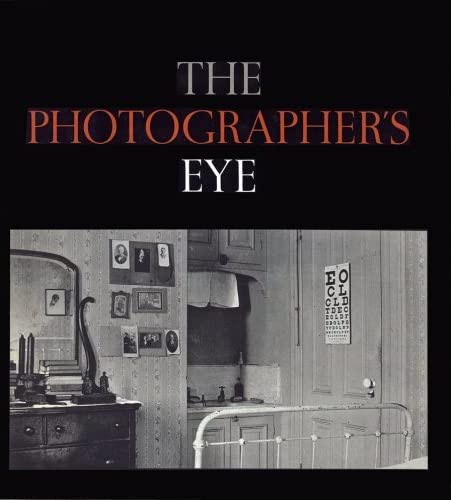
In his 1966 text, John Szarkowski outlined that photographs are composed of five main elements; The Thing Itself, The Detail, The Frame, Time and Vantage Point. From my reading of The Photographers Eye I intend to outline below each of these elements and my consideration of those elements to my own practice.
It was the photographer’s problem to see not simply the reality before him but the still invisible picture, and to make his choices in terms of the latter.
John Szarkowski, 1966
The Thing Itself. When considering this first element I feel it is important to ask ourselves a key question. Does ‘The Thing Itself’ refer to what is before the camera? Or to the physical photograph? In the 21st century we’re all very guilty of possessing and making many thousands of pictures, but how many of us own or produce ‘photographs’? A printed outcome from our pushing of the button.
To photograph is to confer importance.
Susan Sontag, 1977
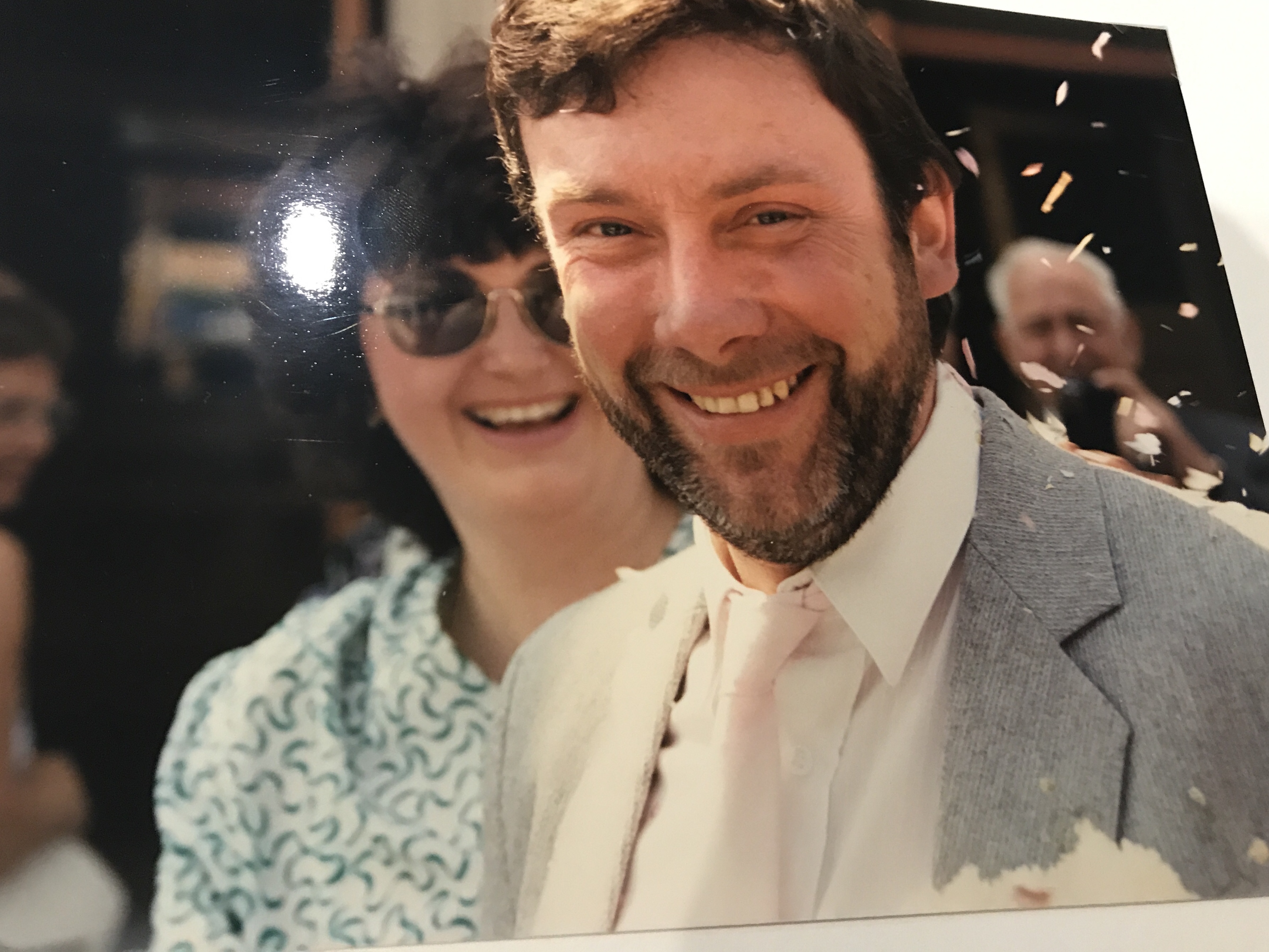
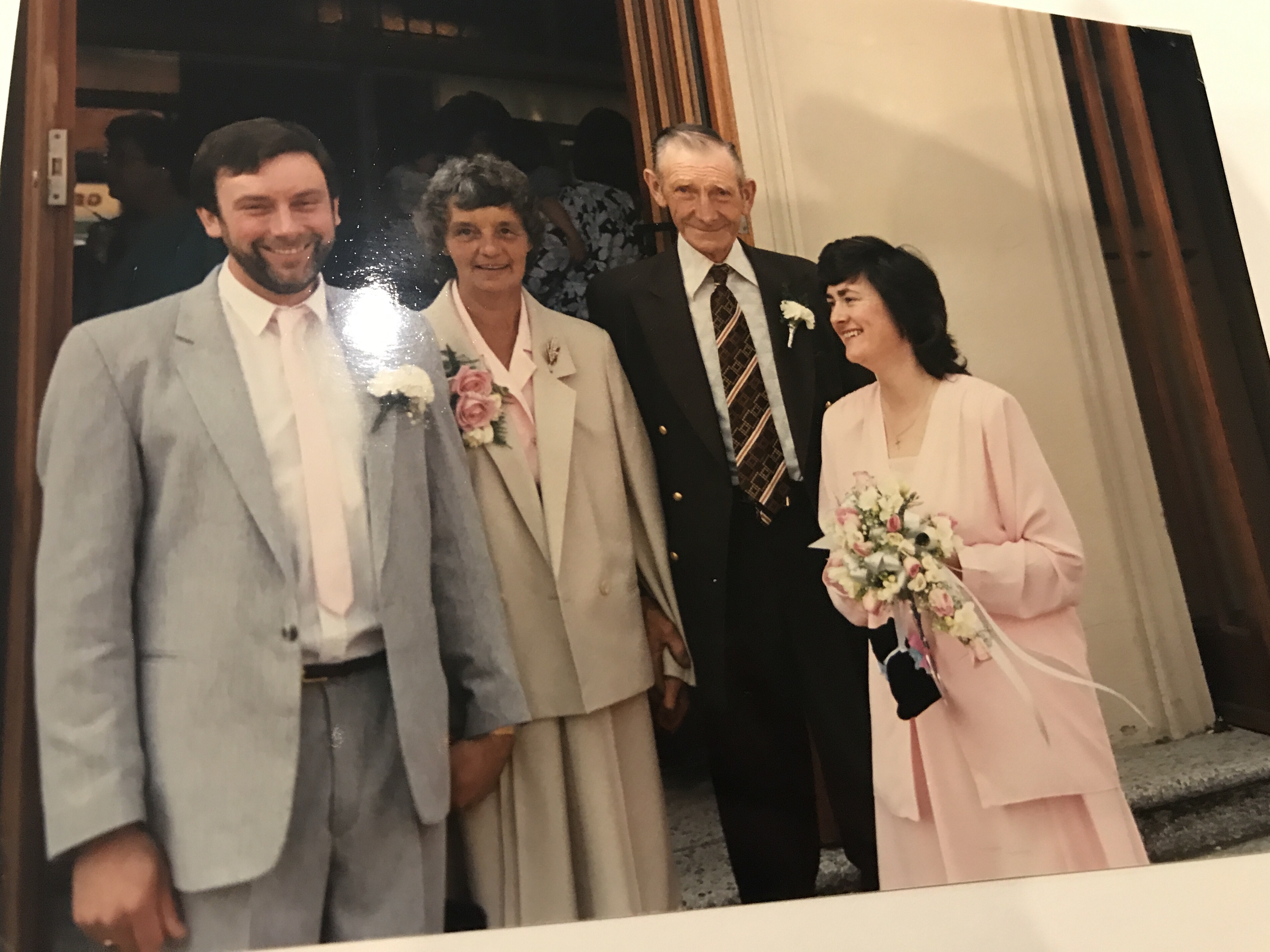
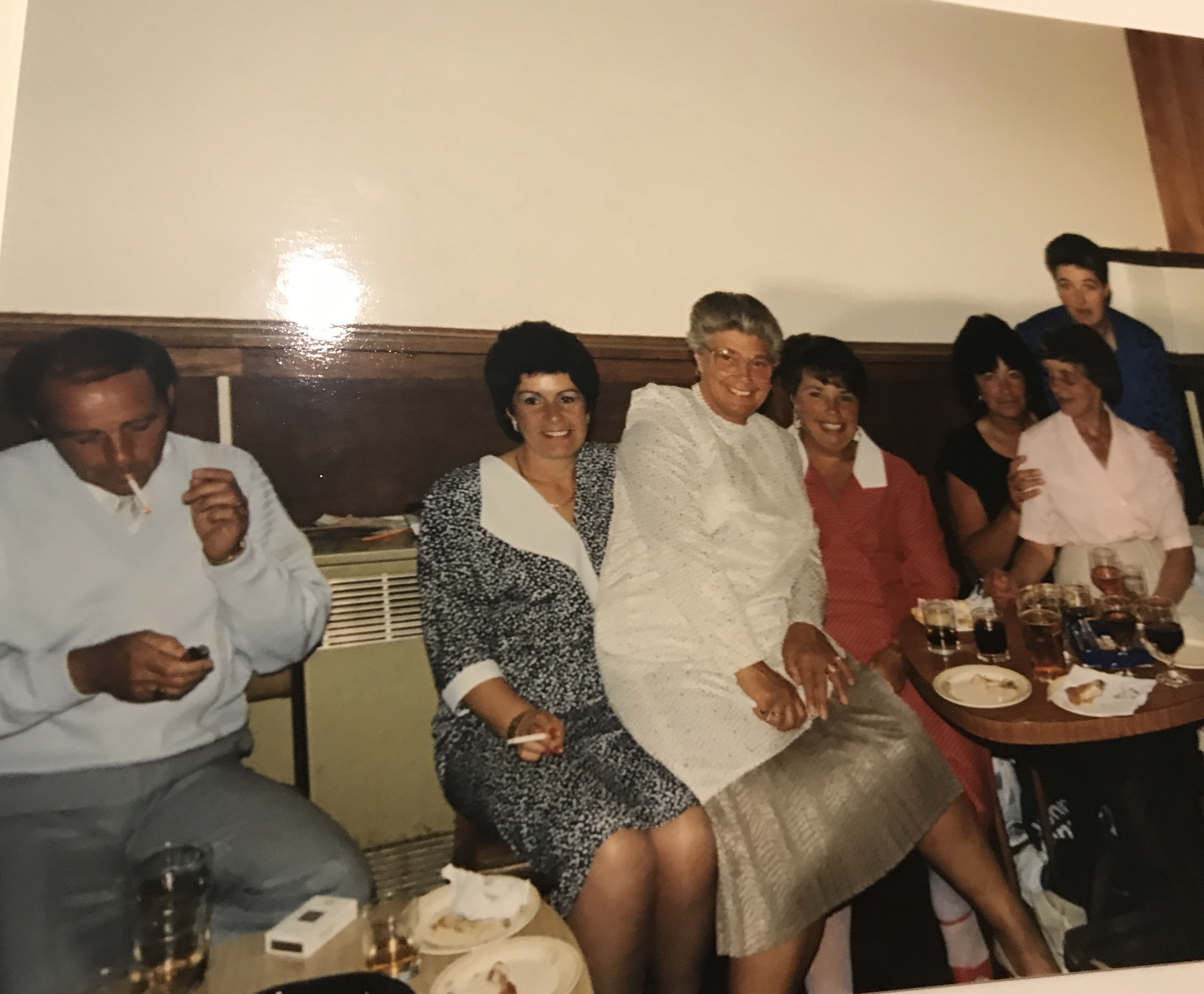
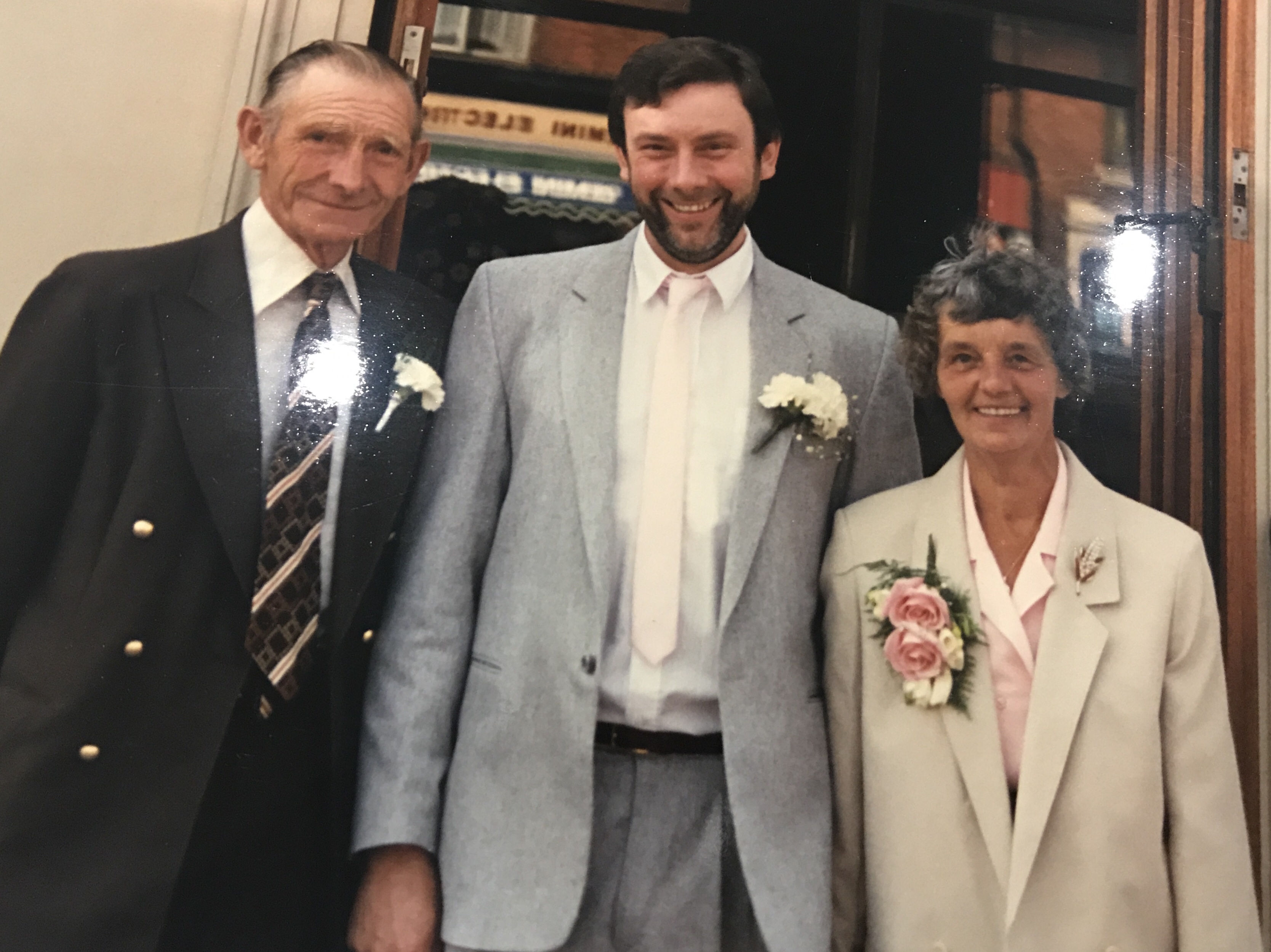
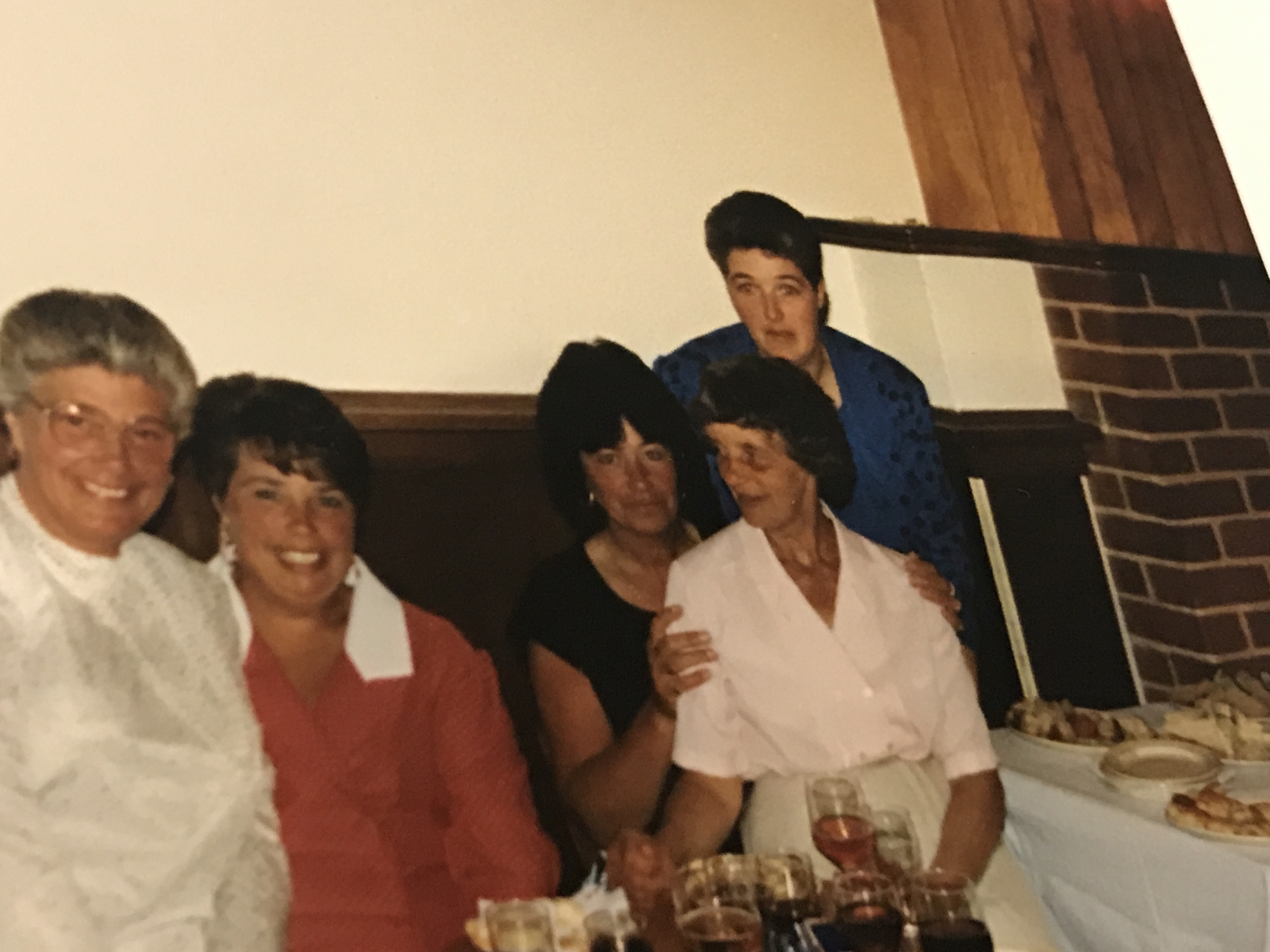
Below are a few images from my parents wedding. They pictures of pictures rather crudely taken on my iPhone while looking through the photo album in which they reside. I was not at my parents wedding and this is, somehow, the first time I looked at my parents wedding album in all my 31 years of life. The Thing Itself is believed to have happened because there are photographs proving its happening. The Things Themselves exist in this album but yet this is the first time I have held them and viewed them. For myself, I recognise immediately many of the people within the images. My mother and father foremost as well as my aunty. Other faces are some I have not seen in many years such as my grandfather and grandmother, who have been deceased for seven and twenty years respectively.
He could not, outside the studio, pose the truth; he could only record it as he found it, and it was found in nature in a fragmented and unexplained form – not as a story, but as scattered and suggestive clues.
John Szarkowski, 1966
The Detail. The early assumption was that the camera did not lie and that it told the truth of what was in-front of it at that time. To an extent this is correct in so far as that which is in an image was once before a camera. However we in the 21st century know all too well that the photographer and the image lie on a far too regular basis. Whether that detail is in an honest or dishonest portrayal of a subject or a harmless joke of sorts is another matter.
If we for a second consider that the camera and photographer are not lying then we consider ‘The Detail’ to mean the accurate portrayal of what was once there. Where painting would try in vain to be as accurate as possible it could not compete with the photographic reproduction of a subject that the camera could bring.
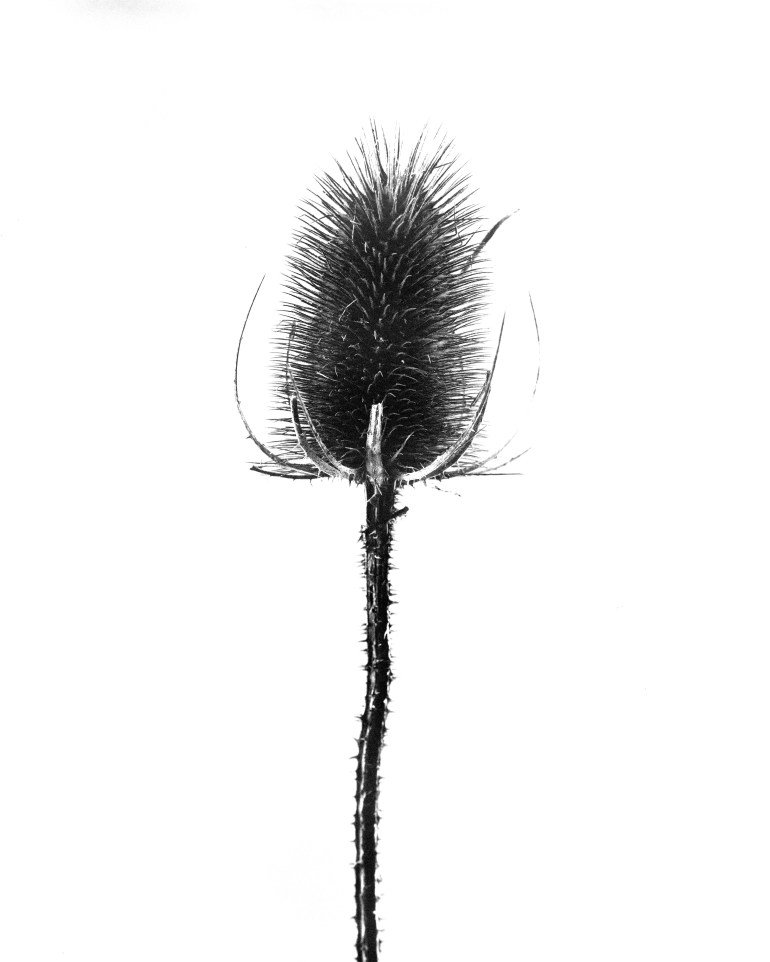
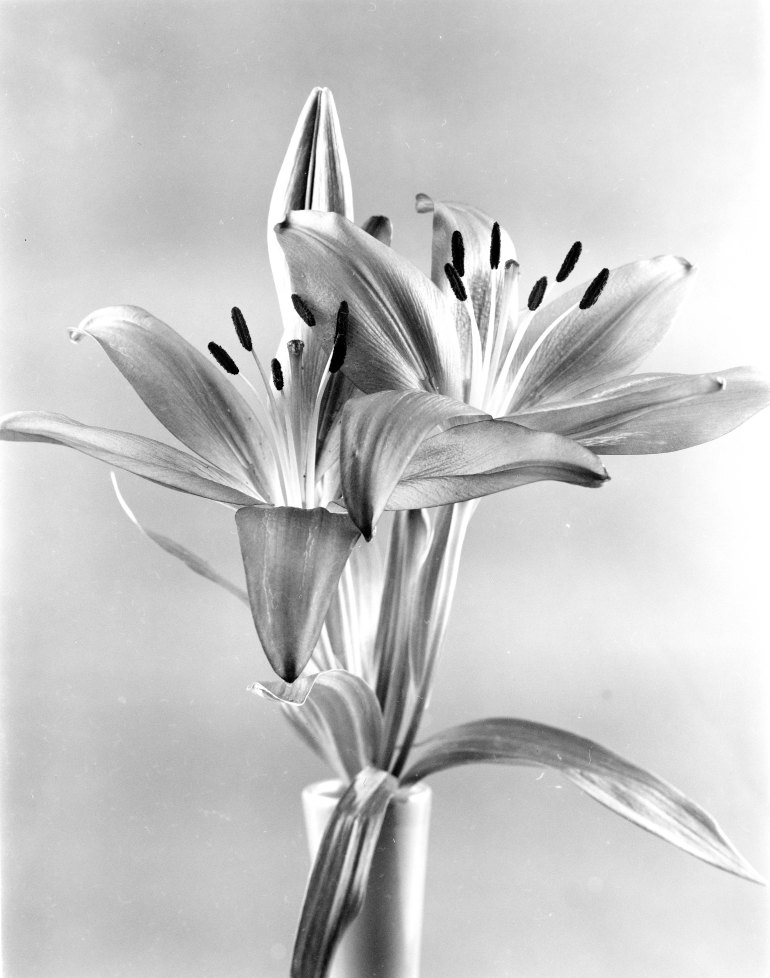
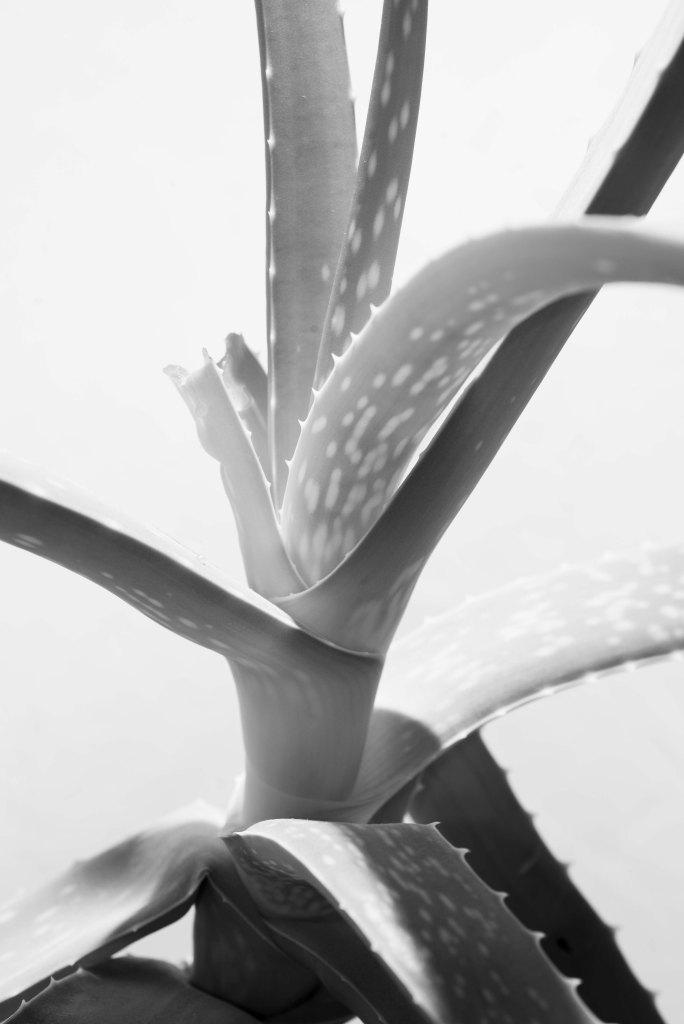
Since the photographer’s picture was not conceived but selected, his subject was never truly discrete, never wholly self-contained. The edges of his film demarcated what he thought most important, but the subject he had shot was something else; it had extended in four directions. If the photographer’s frame surrounded two figures, isolating them from the crowd in which they stood, it created a relationship between those two figures that had not existed before.
John Szarkowski, 1966
The Frame. As with the canvas and the artist, the camera and its photographer chooses what to include and what to omit. When we frame our image we place all manner of considerations to our process. Where we stand, how high our tripod is, the angle of the camera and chiefly how the image looks to our eye. Whether composed through a viewfinder, on a ground-glass or, as is more common, the phone screen, the way we hold our camera and wait to ‘push the button’ is the fundamental frontier between painter and photographer.
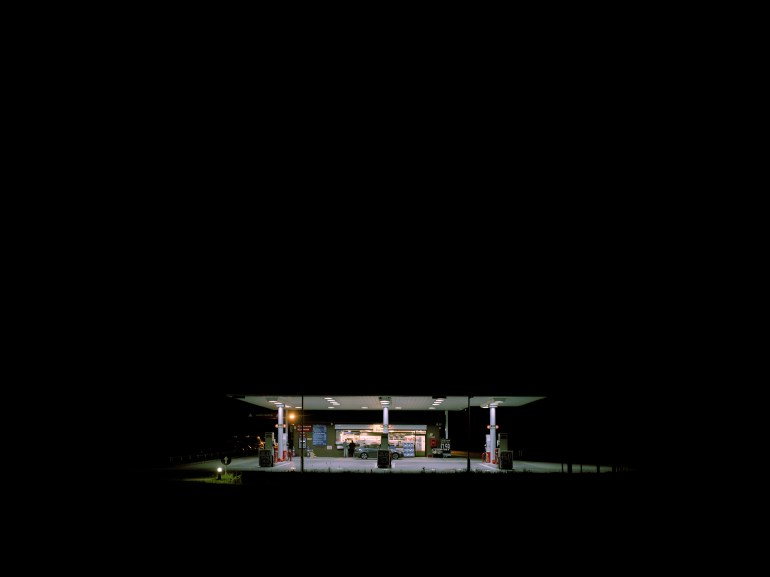
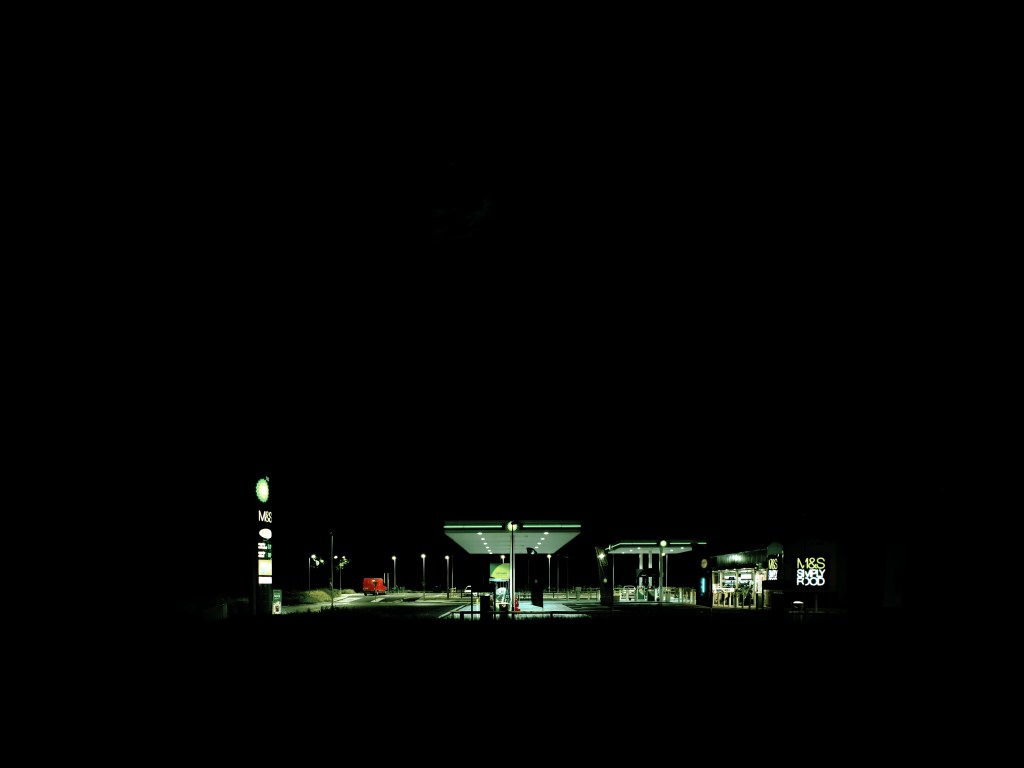
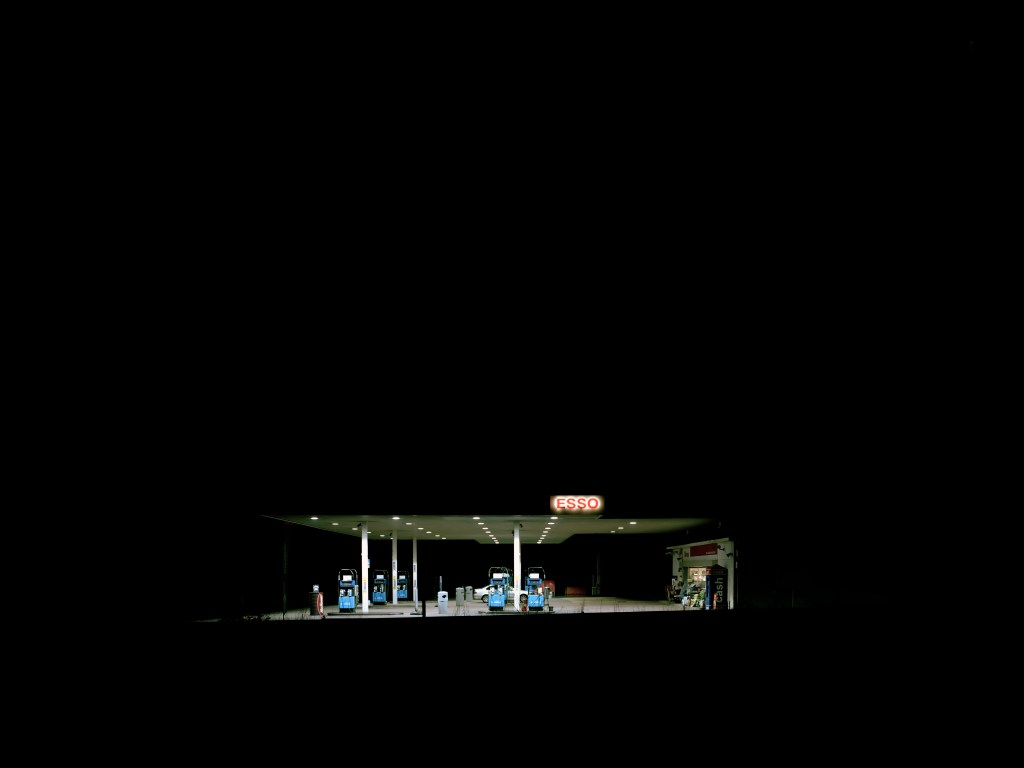
Below are a set of image by myself from a body of work I’ve shared before on this MA programme. A Road Petrol Stations at Night was all shot on 5×4 large format camera and the framing of the images and the consistency of this framing from one image to the next forms the syntax Barthes spoke of and his use of the term ‘concatenation’.1
…the thing that happens at the decisive moment is not a dramatic climax but a visual one/. The result is not a story but a picture.
John Szarkowski, 1966
Time. As photographers we are agents of time and light. What the painter takes prolonged time to capture the photographer can imprint in a fraction of a second. The time used on an exposure can impact what we make and how it’s shown. As photographers we ALL have time as a factor in our practice. Whether it’s an aesthetic of the image or not, time is key to the creation of the photograph.
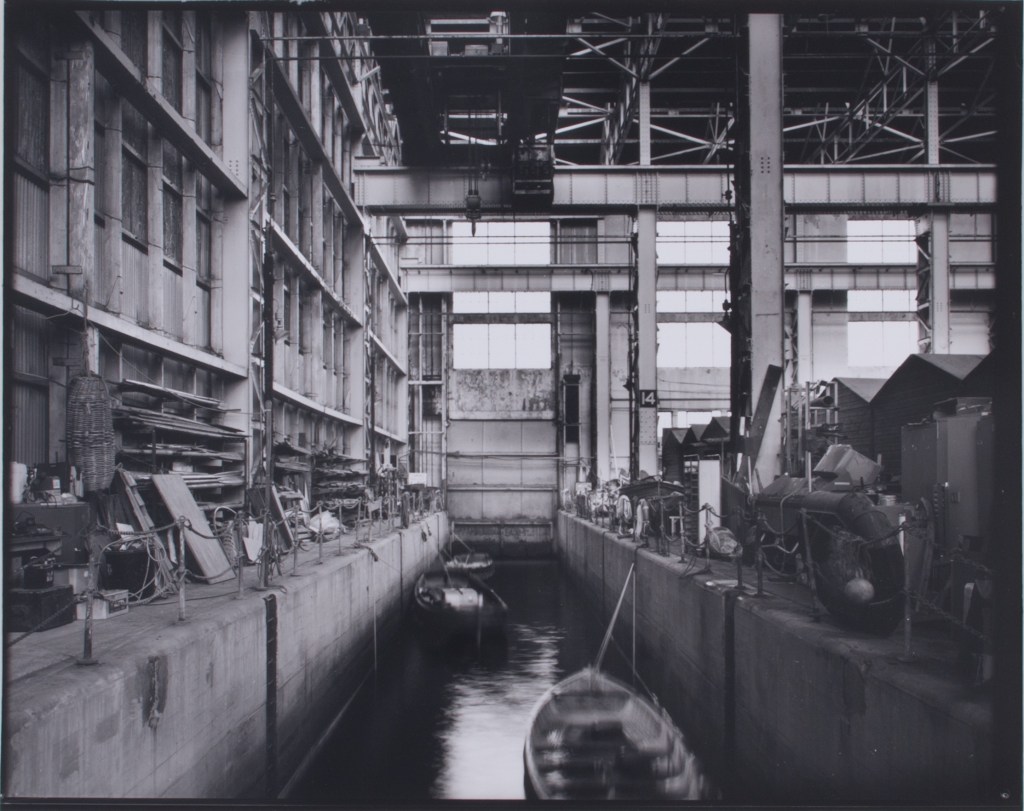
The example below comes from some of my past practice in a documentary series around historic preservation agreed of the historic dockyard in Portsmouth, England. The darker lighting conditions and the low ISO film resulted in the rising and falling of the boat in the channel becoming a blur.
What the photograph reproduces to infinity has occurred only once: the photograph mechanically repeats what could never be repeated existentially.
Roland Barthes, 1980
For the artist photographer, much of his sense of reality (where his picture starts) and much of his sense of craft or structure (where his picture is completed) are anonymous and untraceable gifts from photography itself.
John Szarkowski, 1966
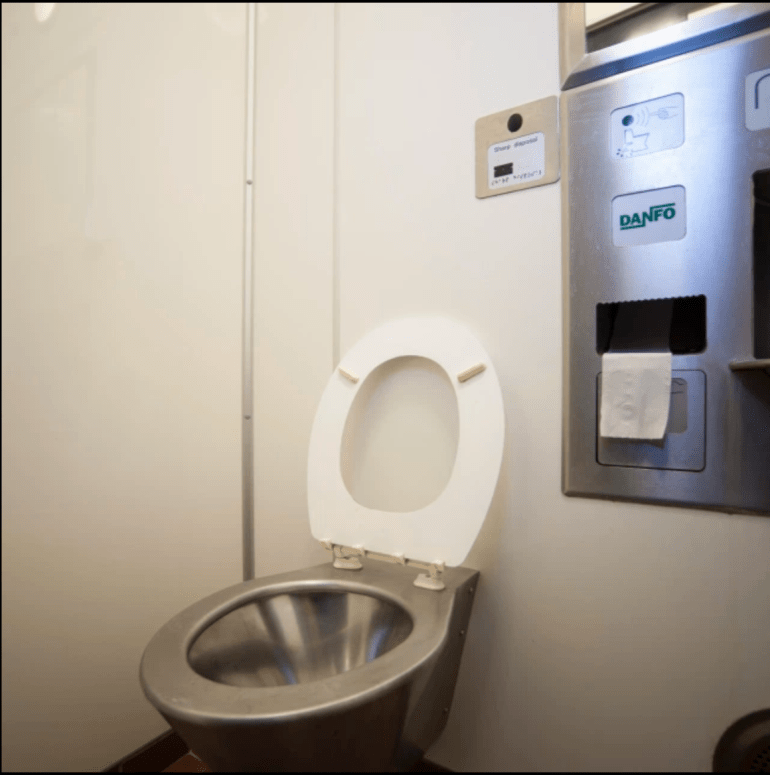
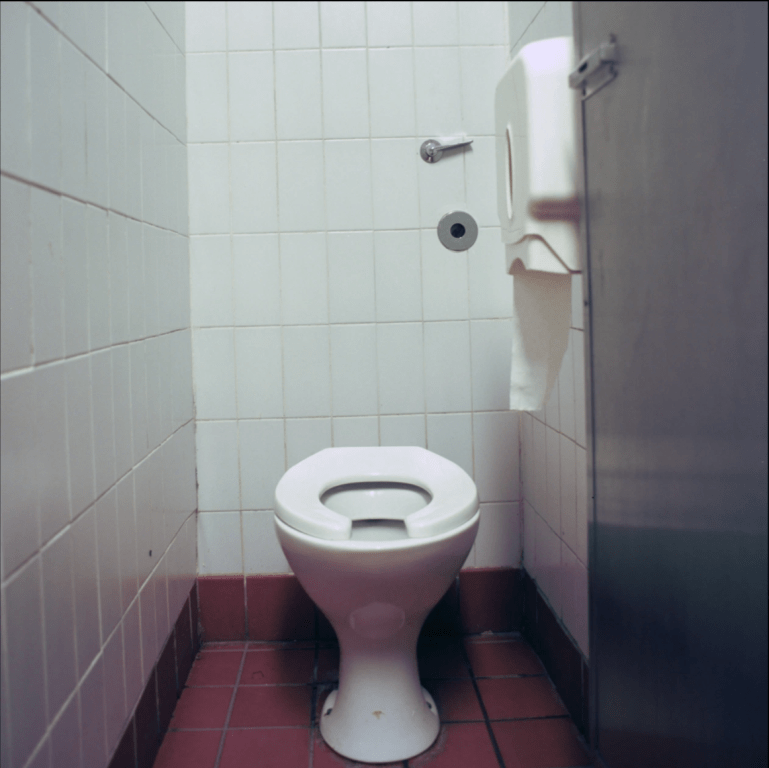
The Vantage Point. As photographers we have a responsibility to show what is before the camera whether this is an inconvenience or not. The vantage point is always what our camera sees. Sometimes this is more controversial than other times.
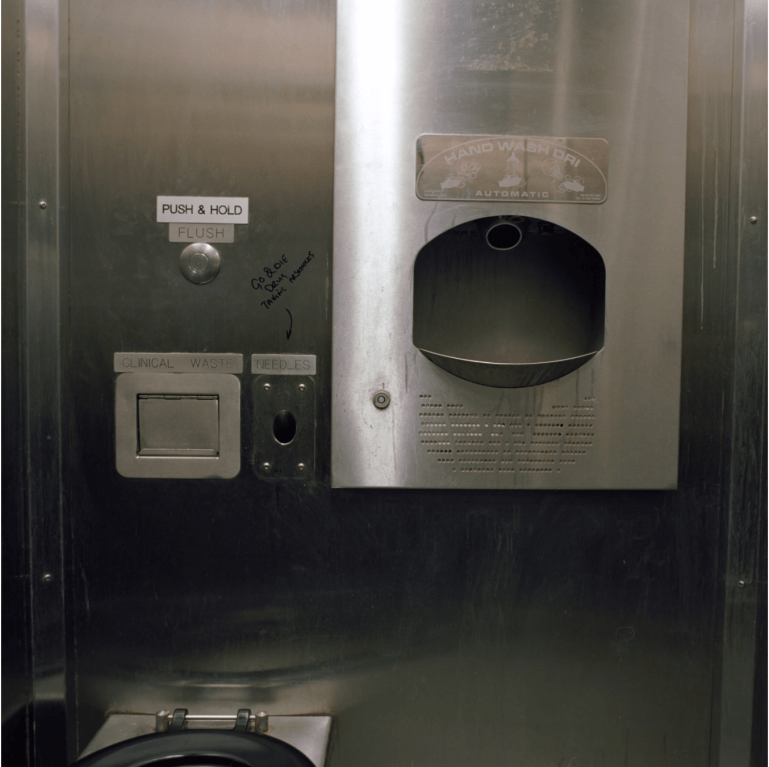
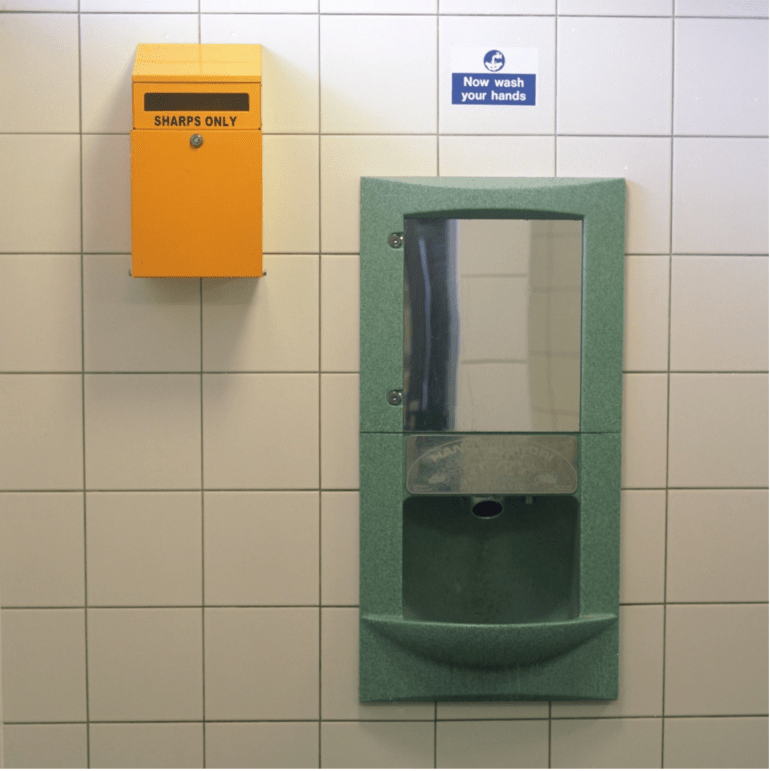
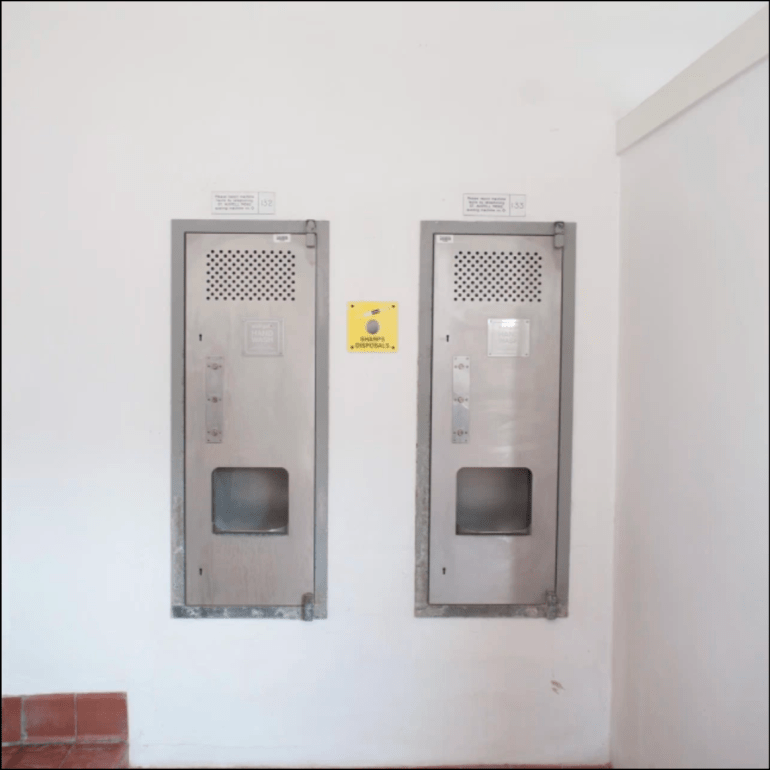
The set of images below comes from some of my other practice photographing hypodermic needle disposal bins found in public toilets. Sharps Only sets out to use my vantage point as the hunter of these images and to bring them into public knowledge. Different people interact in different ways with these images. Some are shocked and eye opened to see that such a thing exists. Others reflect upon he other reasons for their existence.
My personal take on it is around some of these bins being found in public toilets beside beaches. As a father of small children the thought of my kids stepping on anything that could bring them harm makes me recoil in horror. These disposal points are necessary to ensure such items are disposed of safely.
REFERENCING FOR THE PHOTOGRAPHERS EYE
REFERENCE FOR IMAGE MUSIC TEXT WITH NUMBER 1
REFERENCE FOR SUSAN SONTAG
 Andrews Masters Journey