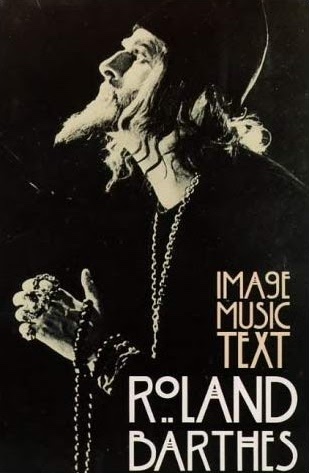
One of his harder texts to read, Image, Music, Text sees the French literary theorist set out an analysis of many elements within visual culture. Although much of what he discusses in these essays engages the use of sound and type with visual imagery, these rules are applicable in the field of Photography. In Barthes essay on The Photographic Message he sets out six elements and discusses them; Trick Effects, Pose, Objects, Photogenia, Aestheticism and Syntax. I will aim to set these out in this post and reflect upon them in relation to my own photographic practice both on this MA programme and beyond.
Trick Effects. Before negotiating ‘trick effects’ as an area of discussion it’s important to point out that Barthes wrote in a pre-digital era. This collection of essays was brought together in 1977 with the first digital cameras not commercially emerging until the 1990’s. The trick effects employed in photography in the 21st century are vast and largely accepted. Whether it is the ‘airbrushing’ of a models face in a billboard campaign or the bringing together of images in an obvious way. More recently this act of ‘Photoshopping’ an image has been largely rejected and opposed as deceiving.
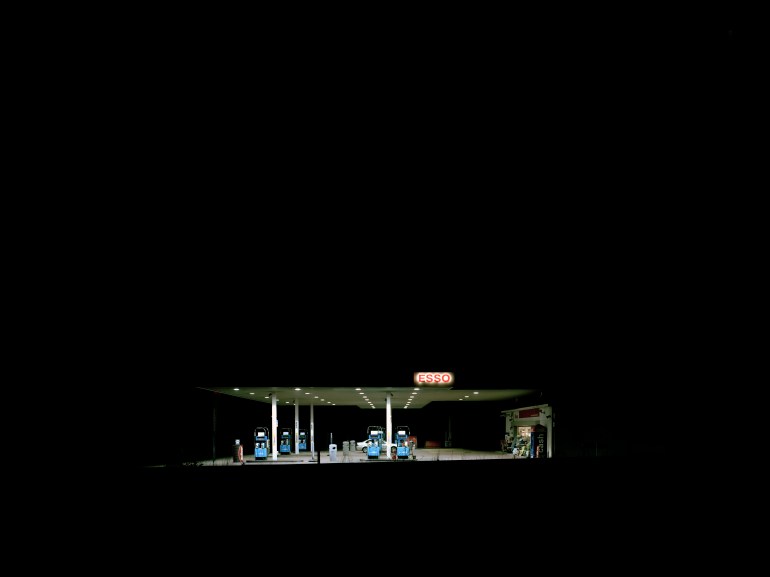
The image below comes from my own practice and is from my series ‘A Road Petrol Stations at Night’. The trick element here comes in the use of the open camera technique. Once the exposure has begun one covers the lens and pauses the timer upon the approach of a passing car. Once the car has passed the lens is uncovered and the timer resumed. This trick effect denotes that the space of the road during the exposure was devoid of cars. The truth is away from this.
The methodological interest of trick effects is that they intervene without warning in the plane of denotation.
Roland Barthes, 1977
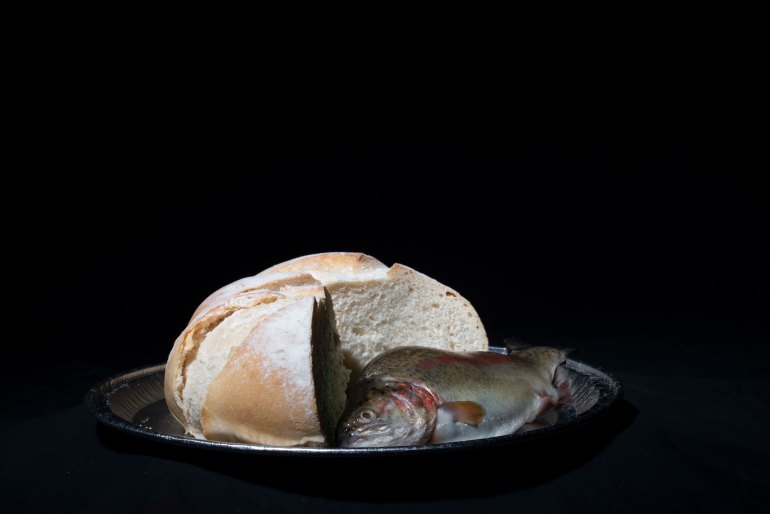
Pose. If one considers the act of photographing as the ‘making’ of pictures rather than the ‘taking’ of pictures then the image becomes a construction, a posing of elements. If carefully considered, these elements change the connotation of the image. Many of these elements tape into stored up stereotypes and signs to convey a message. The next image below comes from my own practice during this MA and is an arrangement of bread and a fish. The signification in this image is of the biblical tale of Jesus feeding the five thousand using simply five loaves of bread and two fish. This connotation is only possibly because of, as Barthes outlines below, ‘a store of stereotypes attitudes’.
The photograph clearly only signifies because of the existence of a store of stereotyped attitudes which form ready-made elements of signification.
Roland Barthes, 1977
Objects. For the next reflection I am going to go straight to an analysis of my own image which is shown next. First, context. The image comes from an on going study which I’ve previously spoken about on this MA programme. Photographing the table top remains of people’s meals in cafes, restaurants, service stations and fast food outlets. The scene speaks that people were once there but are no more and have only left evidence, artefacts if you will, of their once presence.
The scene below consists of a discarded soup bowl on a plate with the remnants of bread. The plate and bowl are reusable and awaiting collection for washing and reusing. The print on the plate suggests a more middle class variety of establishment while the heavy weight cutlery supports this. If we compare this to a fast food outlet where one would see litter or packaging which contain branding, here we do not.
The table top is more of the variety of a picnic bench with stencilled lettering akin of an outside area of a cafe. This is supported by the flagstone paving seen to the left of the frame. All of these symbols carry their own associations and ideas, these may be different in different people but are generally the same. This, combined with the discussions from the previous ‘Pose’ element, build a narrative of the scenes connotations.
The interest lies in the fact that the objects are accepted inducers of associations of ideas or, in a more obscure way, are veritable symbols.
Roland Barthes, 1977

Photogenia. Here we are referring to those elements unique to photography. The techniques by which the photographer create their image. The lighting, the aperture, the shutter speed. All leading to the overall exposure. My own practice image comes from this MA programme where the scene is ‘embellished’ by the light. This light has been manipulated through the combined use of honeycomb grids and the exposure settings of the camera.
In photogenia the connoted message is the image itself, ’embellished’ by techniques of lighting, exposure and printing.
Roland Barthes, 1977
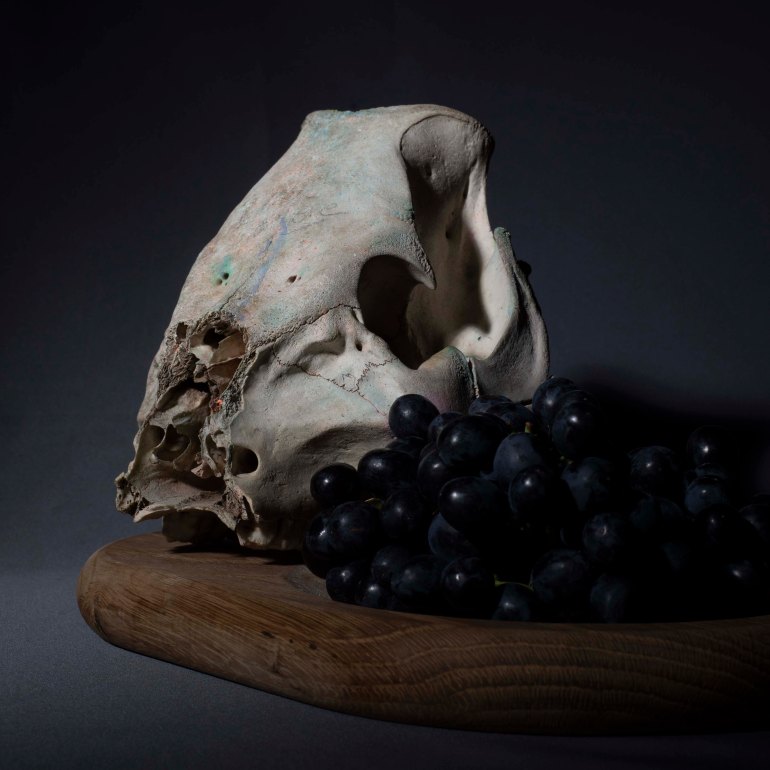
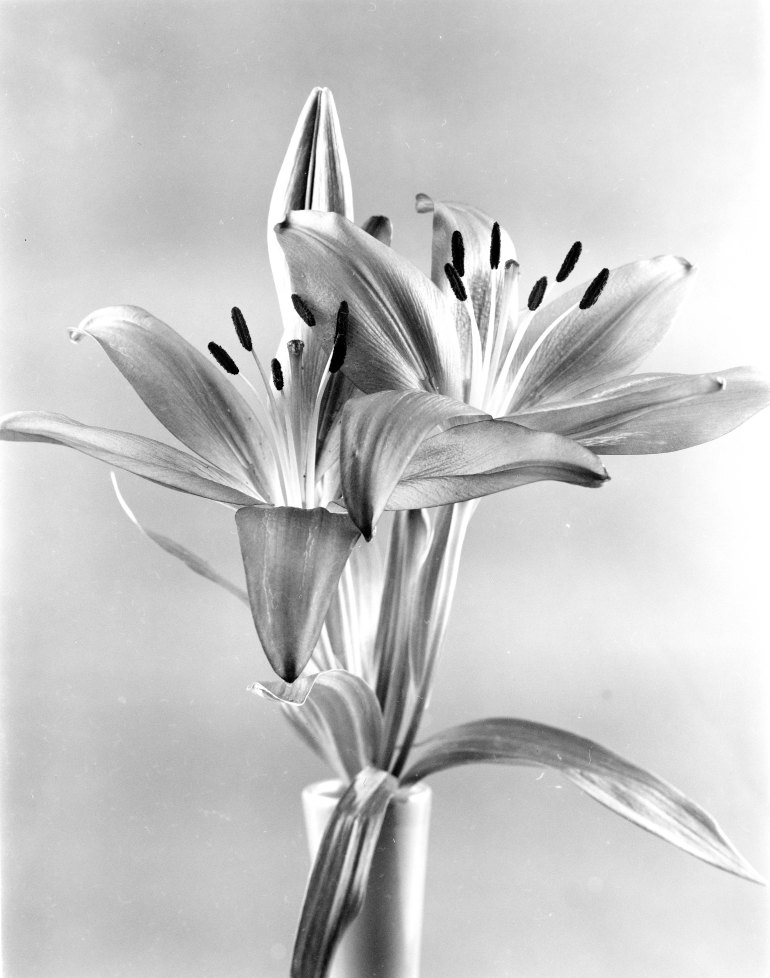
Aestheticism. All traditional art forms are connotation, every move deliberate and subjective. Although there is no such thing as an entirely objective photograph, photography is by its nature more able to be objective than any other art form. For my own practice image in this element I have included the next photograph depicting a lily. The deliberate use of the lighting and large format film have created this almost metallic aesthetic to the image. With photographs saturating our lives, the aesthetic of the image is critical to imprint on the mind of the viewer. Without this sticking power, the photographic image dissolves into the abyss of the heavily saturated lives we are living.
…when photography turns painting, composition or visual substance treated with deliberation in its very material ‘texture’, it is either so as to signify itself as ‘art’ or to impose a generally more subtle and complex signified than would be possible with other connotation procedures.
Roland Barthes, 1977
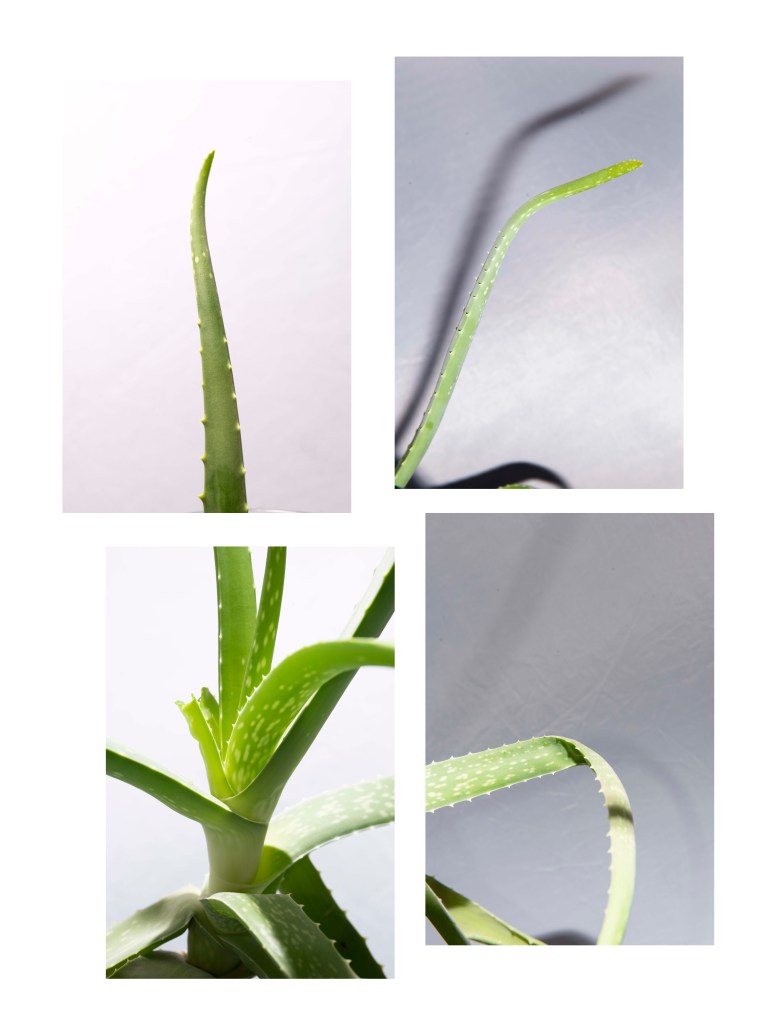
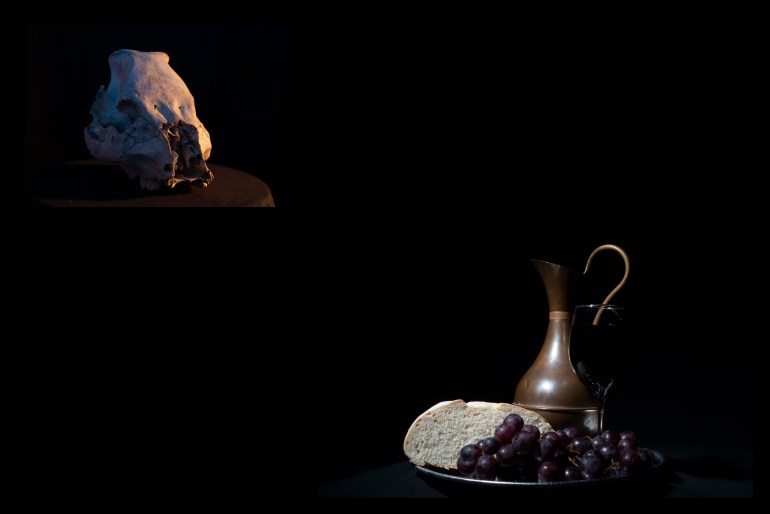
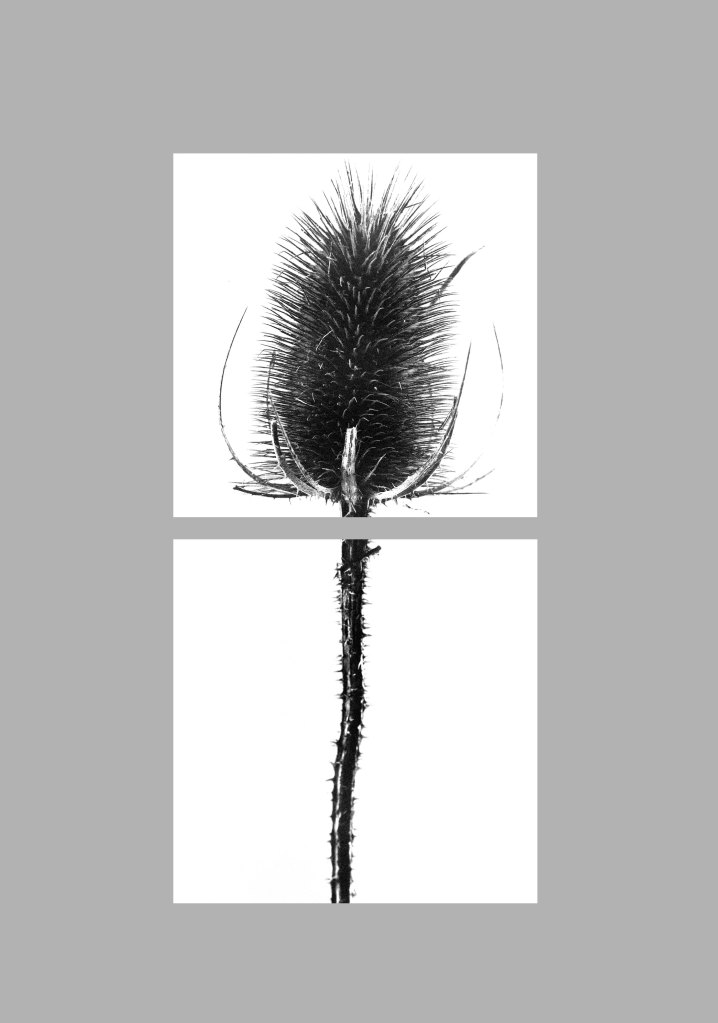
Syntax. Typically Syntax is defined as being the rules upon which the structure of a sentence is governed. Photographically speaking it can refer to the rules and semiotics around the image. Through Image, Music, text, Barthes uses Syntax to consider how several photographs may come together to form a sequence. Barthes defines this as the ‘concatenation’. As part of my reflection upon this, and as part of my project development, I have considered some of my images in concatenation with each other. These examples are shown below and feature more collectively in a post of their own. Further Experimentation with Images – Syntax and Concatenation
…the signifier of connotation is then no longer to be found at the level of any one of the fragments of the sequence but at that – what the linguists would call the suprasegmental level – of the concatenation.
Roland Barthes, 1977

Barthes, R. (1977). Image-Music-Text. London: Fontana Press
 Andrews Masters Journey