
What images do you remember?
Why was this?
Where did you see them?
First considering 9/11, my experience of which was intense. I remember being glued to the TV watching BBC News as soon as I got home from school. The next day I bought a copy of every paper that day, I believe these are still at my parents somewhere.
The array of images was overwhelming and is a large factor in our desensitization to death and disaster. The most iconic of which would be ‘the falling man’.
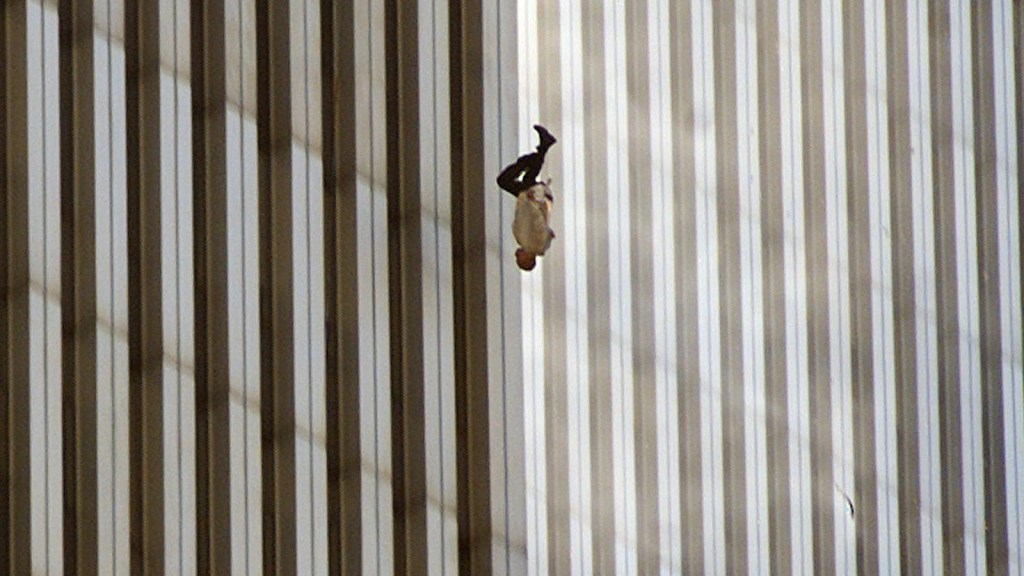
Often forgotten around ‘the falling man’ is that he was not the only one to jump that day and many news networks interviewed individuals on the ground while people were falling. In this case, do still images resonate more with us than moving? Has this one image ‘The Falling Man’ come to represent all who fell that day?
What types of images provoke change for you?
What sort of aesthetics do they employ?
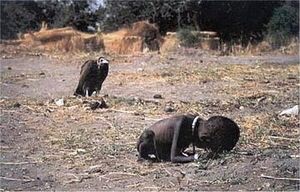
As with all images their impact is subjective on ones upbringing and conditioning. An image of particular impact for me is shown below and is that of ‘Starving Child and Vulture’. Captured in Sudan during the famine of 1993 by Kevin Carter it depicts an emaciated toddler collapsed on their way to a food distribution center with a vulture looking on in the background.
The impact of the image is undeniable and helped turn the tide of the worlds response at the time. This shock aesthetic is important. Many people need shocking or even uncomfortable imagery to provoke them into action.
For a more recent example I have decided to source something from the ongoing Covid 19 pandemic. It’s impossible to avoid the growing coverage to the virus which has gripped the world’s attention. To do this I am using the below image from the Italian response.
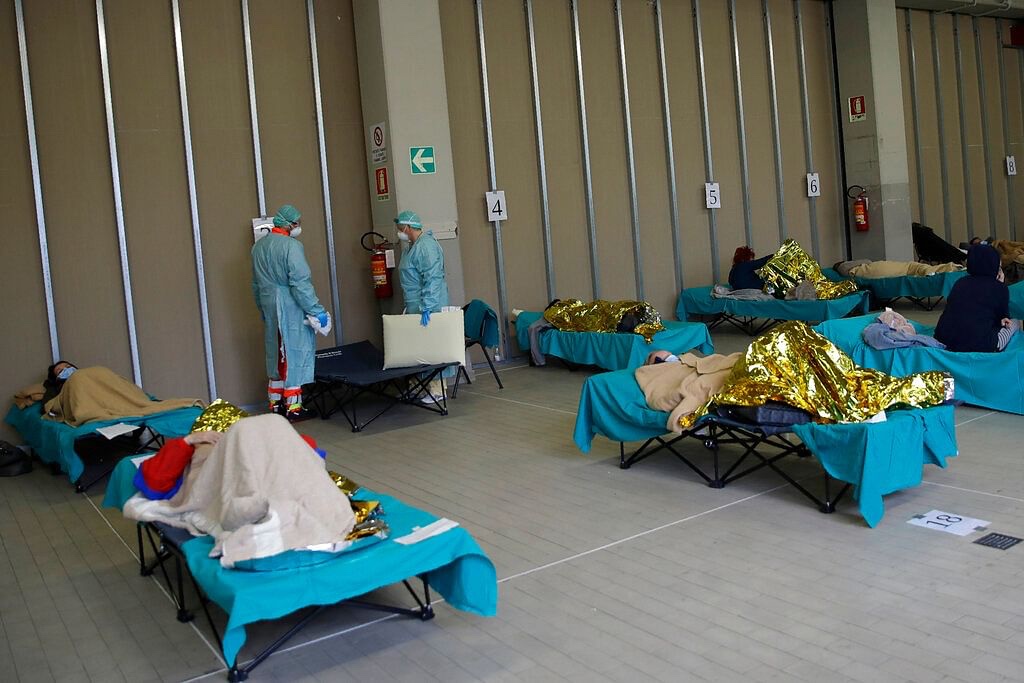
The image plays into a lot of preexisting tension and many elements are instantly recognizable amongst many presently.
Are we desensitized to images of conflict today?
What imagery provokes change for you?
Why?
In a western culture yes we are desensitized to images of conflict. The over saturation and speed of transmission of shocking imagery means they have become of a second nature to us and so their impact is somewhat diminished.
Images to provoke change is subjective on ones own experience. For me an image which would provoke change would be, at this point in my life, that of the suffering of young children. With young children myself these images strike home and make me consider ‘what if these were my kids?’
 Andrews Masters Journey