
For this reflection I have chosen adverts that aren’t necessarily paired together but come from the same brand, Gillette. Over the years the razor giant has been a staple for gender based advertising. With separate products for men and women which look and feel different and are marketed very differently they are a treasure trove of semiotics and symbology.
For this exercise I have taken the most recent UK advert for each ‘Gillette’ and ‘Venus’, the brands product for females. First watch the video below for the Venus advert and this is then followed by my reading and reflection beneath it.
‘My Skin. My Way Stories.’ takes anecdotes and quotes from supposed users of the products and posits them next to models which we come to assume are the originators of those quotes. The focus is on the ‘imperfections’ left behind by life and the womens experiences of life. This comes in the form of Caesarean section scars, stretch marks, other operation scars and skin conditions. These are focused in on closely so we are unable to escape what is being shown. The types of people being shown are broad, they are different ‘sizes’, different skin tones and ethnicities, they are a spectrum of society rather than a segment. One is a mother and so we see the maternal side to women, a kind of support which only a mother can give. There are no males featured in the advert and no reference to the need to ‘shave for men’. In one shot there is a group of women together in sisterhood, often referred to as Sororal.
Moving away from the featured individuals and onto visually the use of the blue sea and the blue sky matches very closely with the tone associated with Venus products and used in the branding banner within the campaign. These visual links are powerful and essential to brand identity, after-all what would Coca-Cola be without the red? Rather obviously the products are seen being used cementing what this campaign is about.
Musically we have the commonly associated tune of Bananarama’s ‘Venus’, another element which is synonymous with the Gillette Venus brand however this time it is different. Where usually the song lyrics and those featured time and time again in Venus adverts read ‘I’m your Venus, I’m your fire, At your desire’, this alternative has been re-written to read ‘I’m my Venus, I’m my desire, my desire’. This shift between ‘your’ to ‘my’ is subtle yet powerful and moves from being the subservient to being the strong independent female. It’s female empowerment in razor blade form.
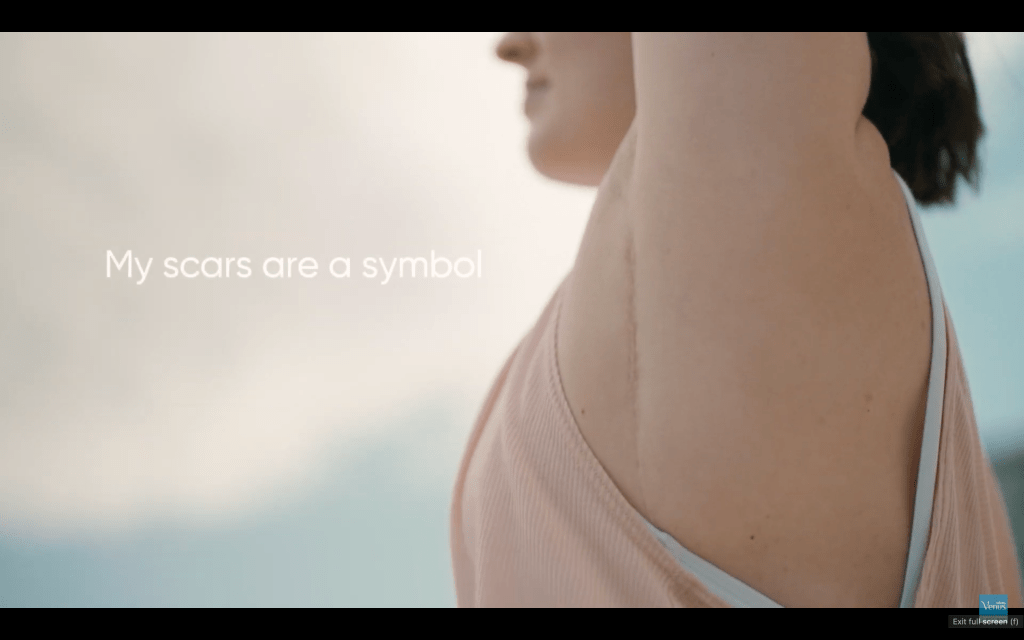
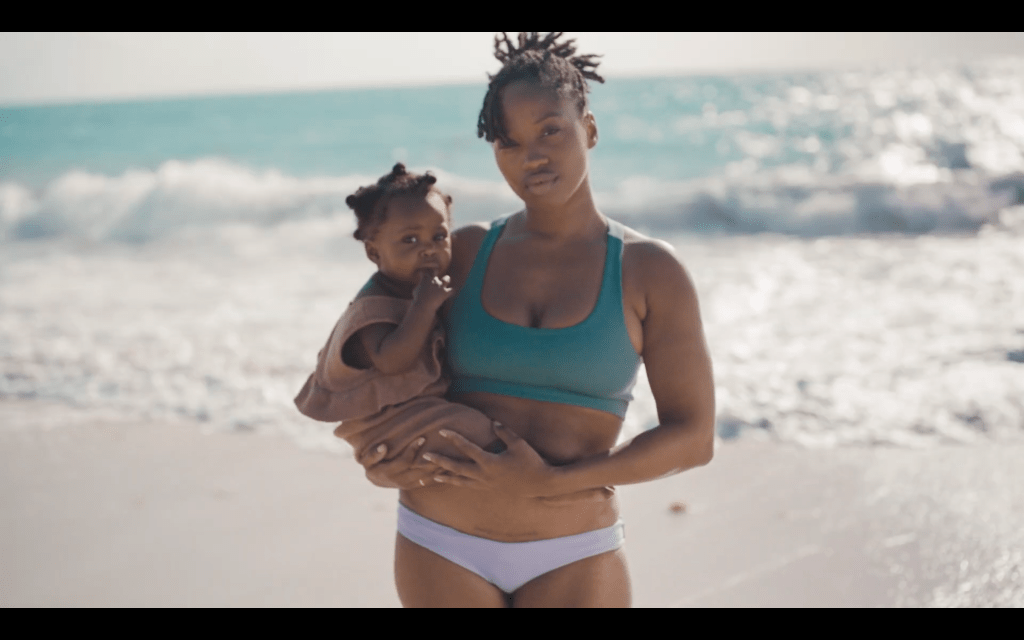
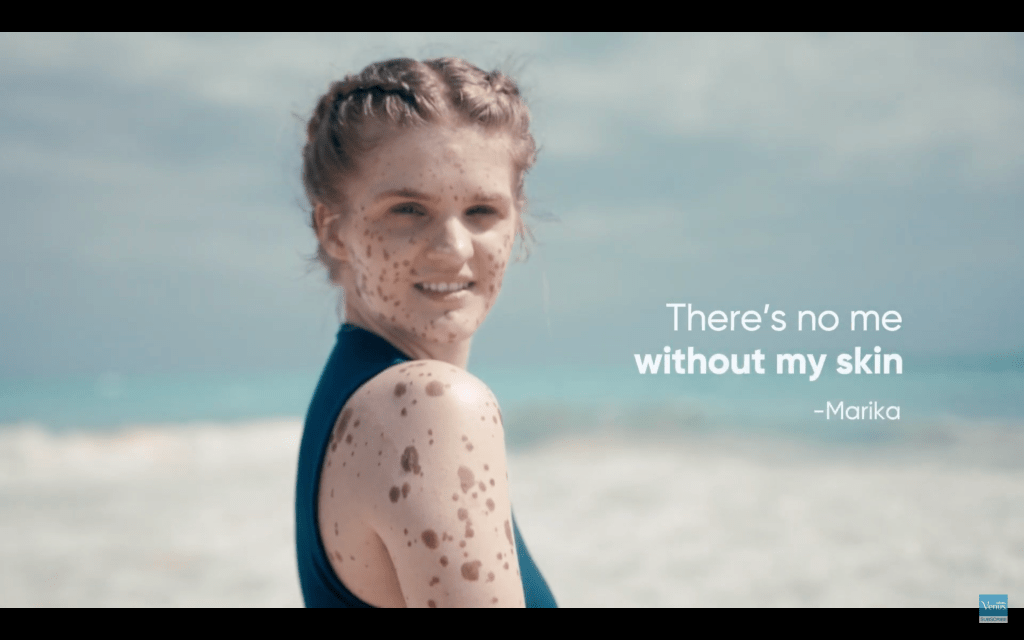
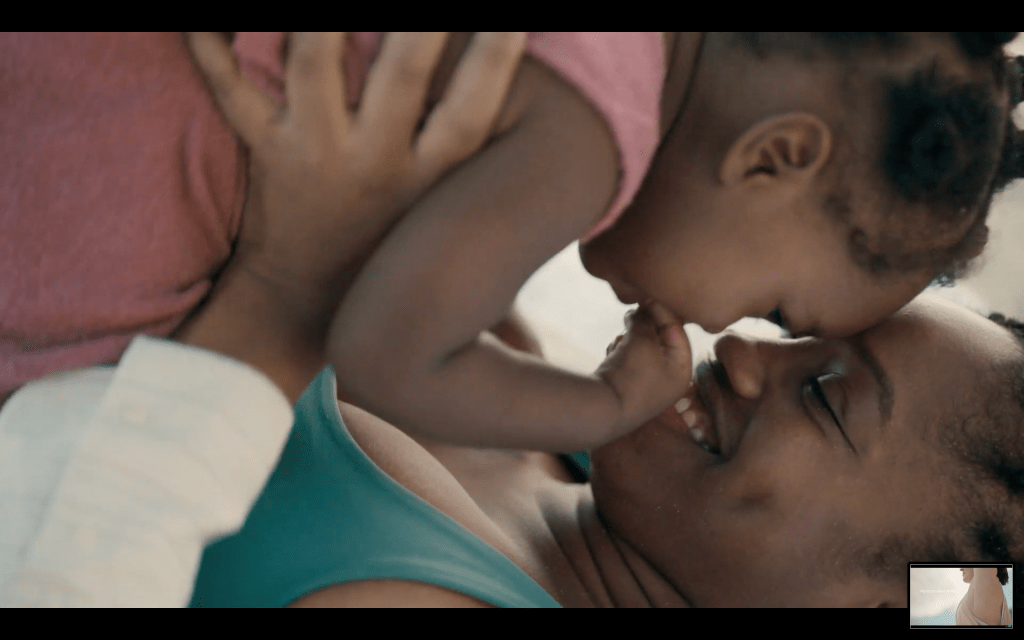
As has been done by many, largely female brands, the campaign features ‘real women’ without the use of celebrity endorsement. This is particularly relevant to finish on as the male equivalent outlined below opts for the use of celebrity to promote the product.
For the other side of the gender coin I have chosen the below Gillette advert. I will break this apart beneath it so please watch first and then consider my points.
This advert follows closely in the wake of the highly successful 2019 campaign about toxic masculinity and ‘boys will be boys’ to tackle head-on the growing issue in football of racism and prejudice. On the note of toxic masculinity and ‘boys will be boys’ it is worth pointing out that these terms do not occur anywhere and, furthermore, the well known hook of Gillette, ‘the best a man can get’, is also missing.
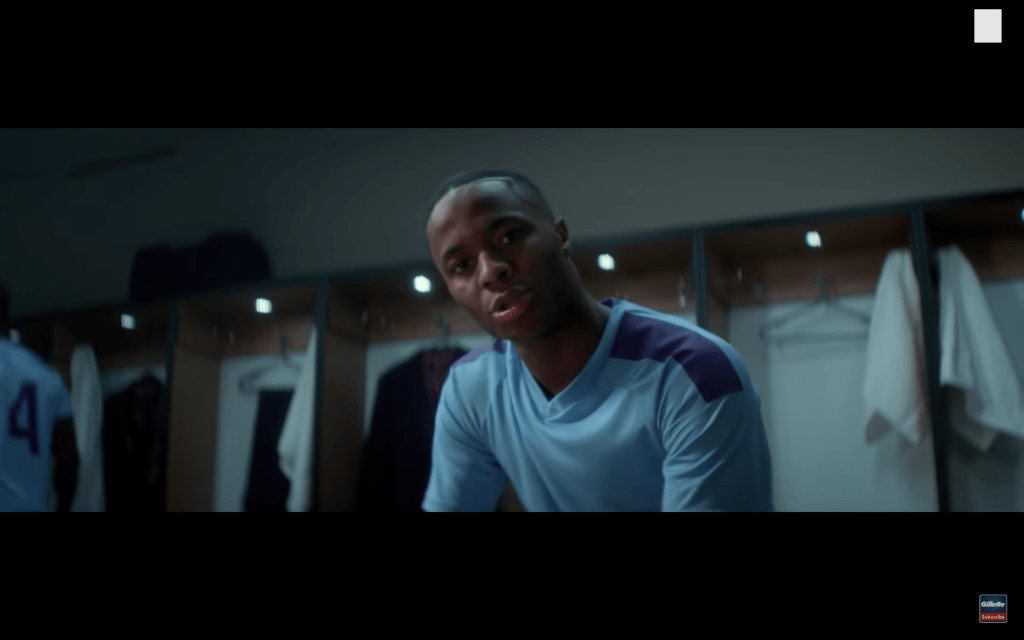
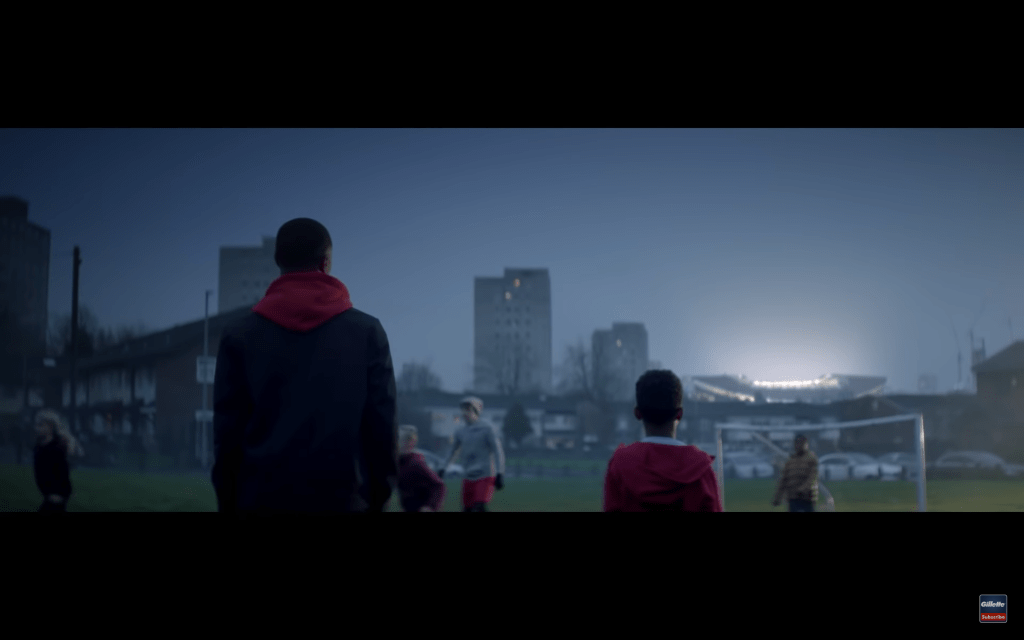
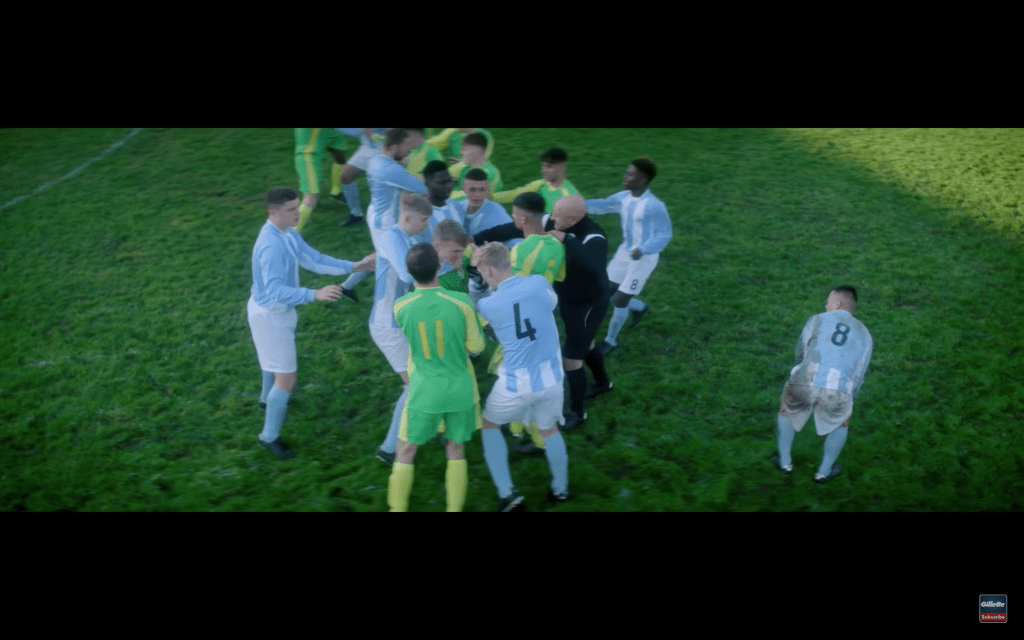
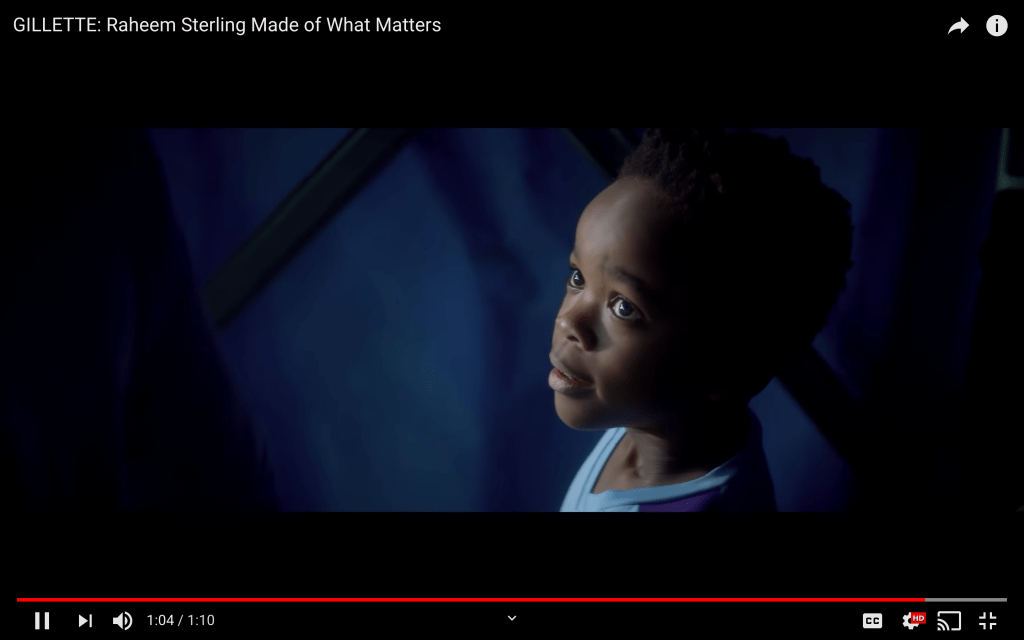
Visually this advert is a lot darker than the Venus campaign with a very clear targeting of males particularly those with an interest in football. This dark approach is not unusual in male gendered advertising and has become a staple for what we expect male gendered adverts to have. The message is clear with scenes of bullying, racism and prejudice in the first half of the advert which moves into an intolerence of these behaviours and acceptance of one another as the piece progresses. This show of toxic masculinity comes to a head with the adverts celebrity endorsement (more on that in the next paragraph) stood in the tunnel of a football stadium with a young black mascot looking up to (literally) his idol before coming onto the pitch.
This campaign have opted for a celebrity endorsement, however this endorsement has very particular relevance as he, Raheem Stirling, has been the victim of racial prejudice on both a national and an international level while playing the sport he loves and, in essence, doing the job he loves. With occasional ‘piece to camera’ and the constant narration, set to rather dramatic but non-specific tension building music, cements the intention for the advert. This is an ’emotion stirrer’ rather than an ‘lifestyle seller’ where the campaign is less about the celebrity endorsing the brand and more about the brand endorsing the celebrity and his own goals.
Although I have set these two campaigns beside each other their brand is as far as their similarities go. They are defined from each other rather than requiring each other. This breakaway from the patriarchy model of marketing is surely a sign that gender based advertising is turning a corner and becoming less about selling a product and more about changing the world.
 Andrews Masters Journey