
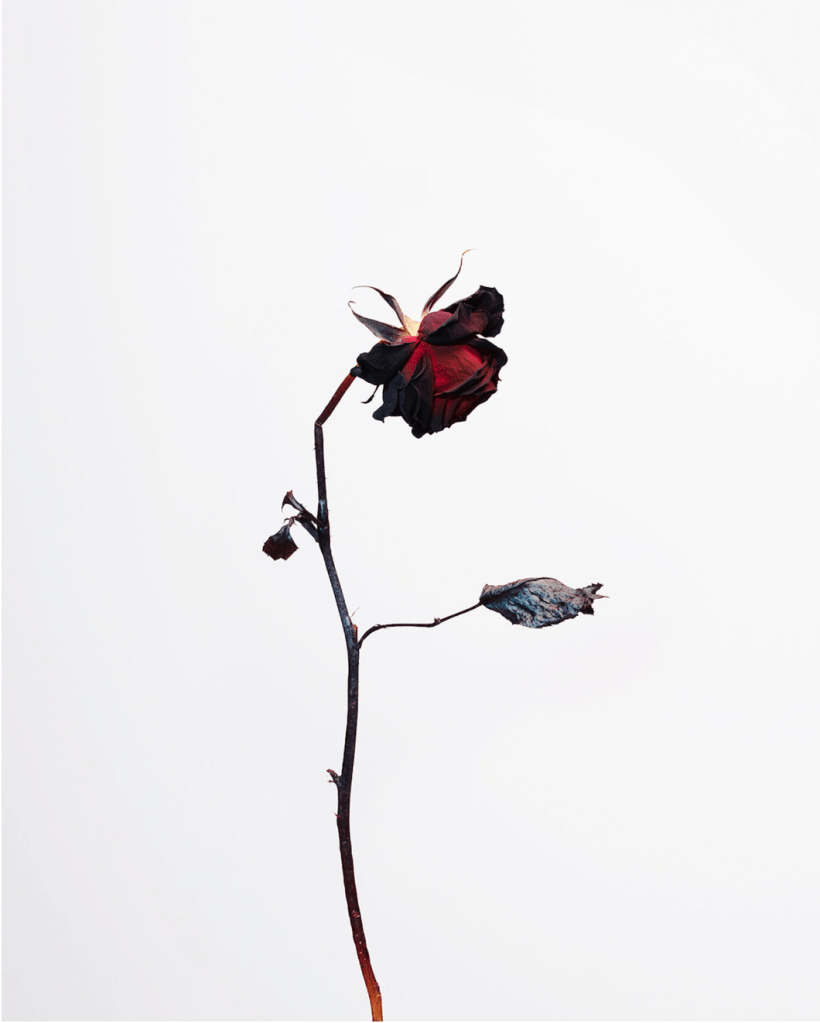
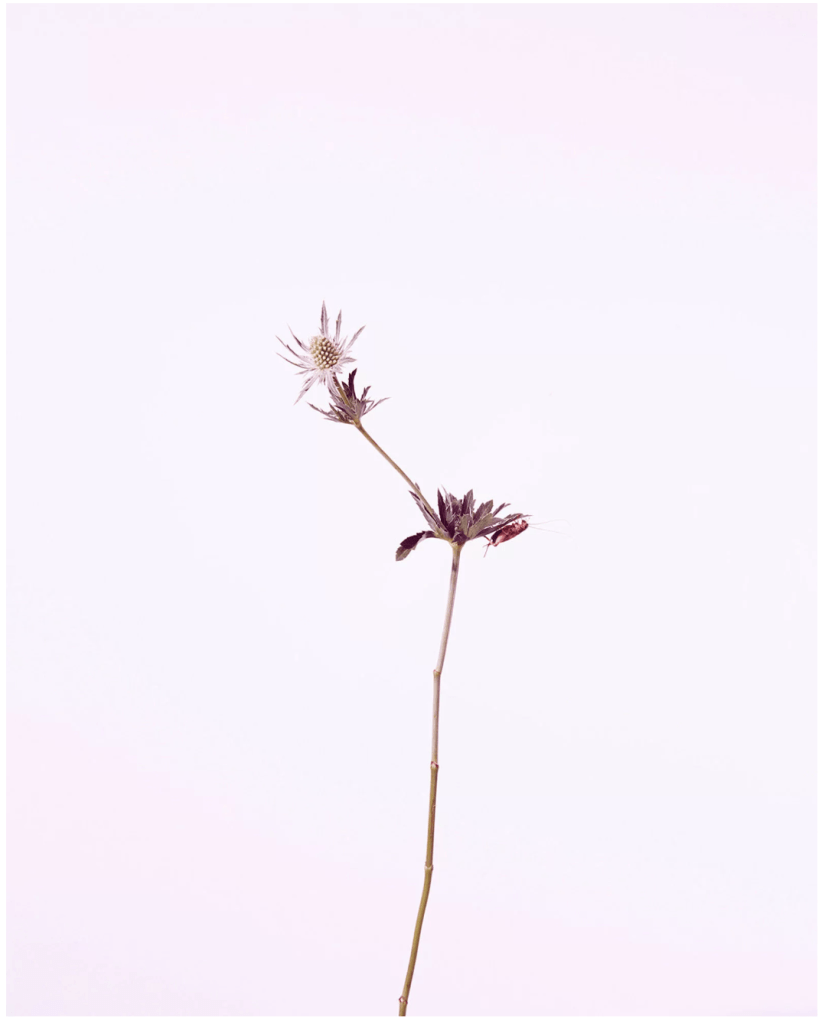
The work of Felicity McCabe is most definitely a more contemporary journey through still life photography. Crisp whites and a punchy colour set, the work sets out to reconsider what the still life photograph is or should be. I have split McCabes work into four different areas. First we have botanical specimens, this is followed by flat still life’s almost copy stand-esque. Thirdly there are mosre abstract studies experimenting with light and object. Finally I have grouped two sets of images which form their own typological collections.
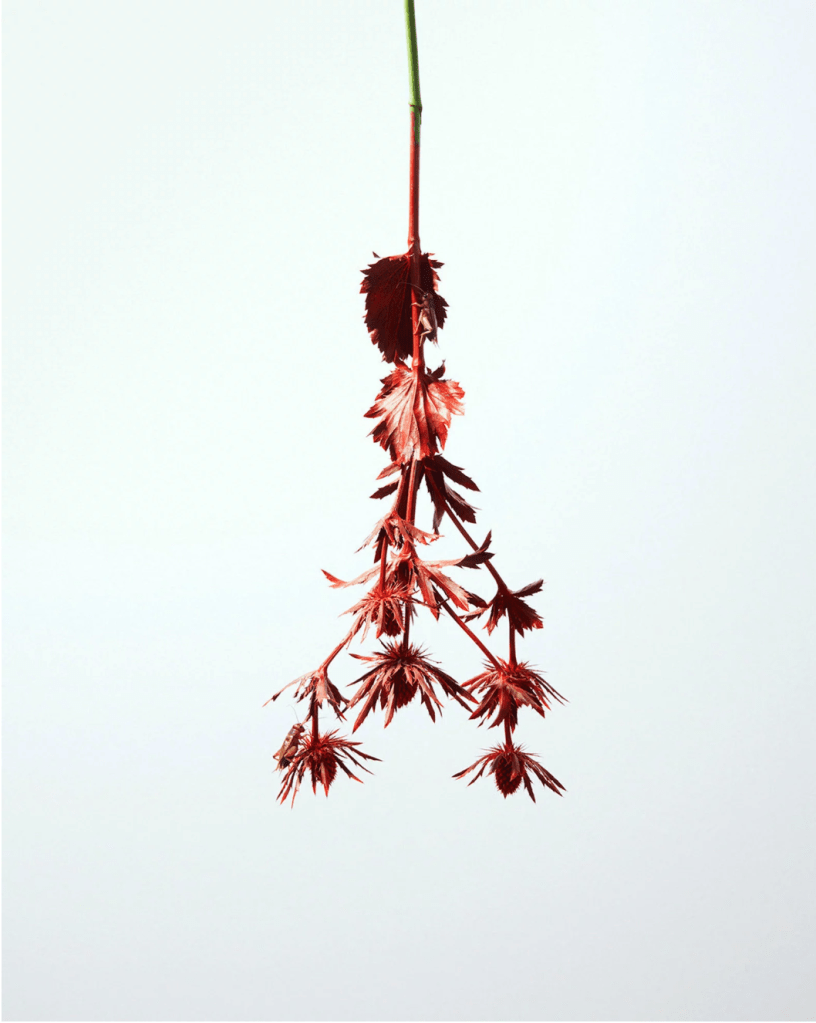
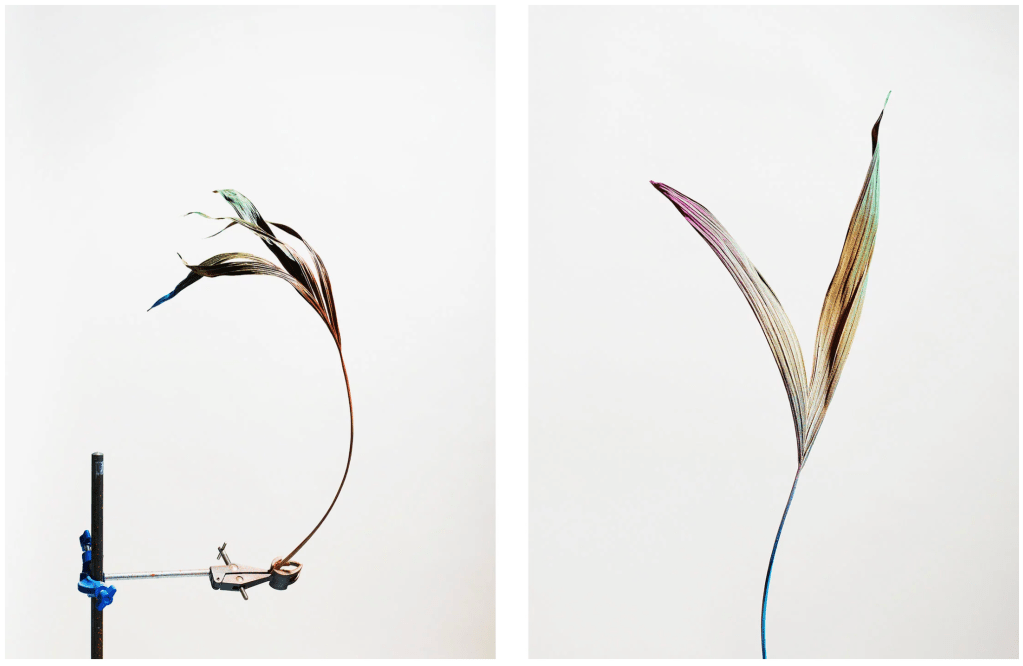
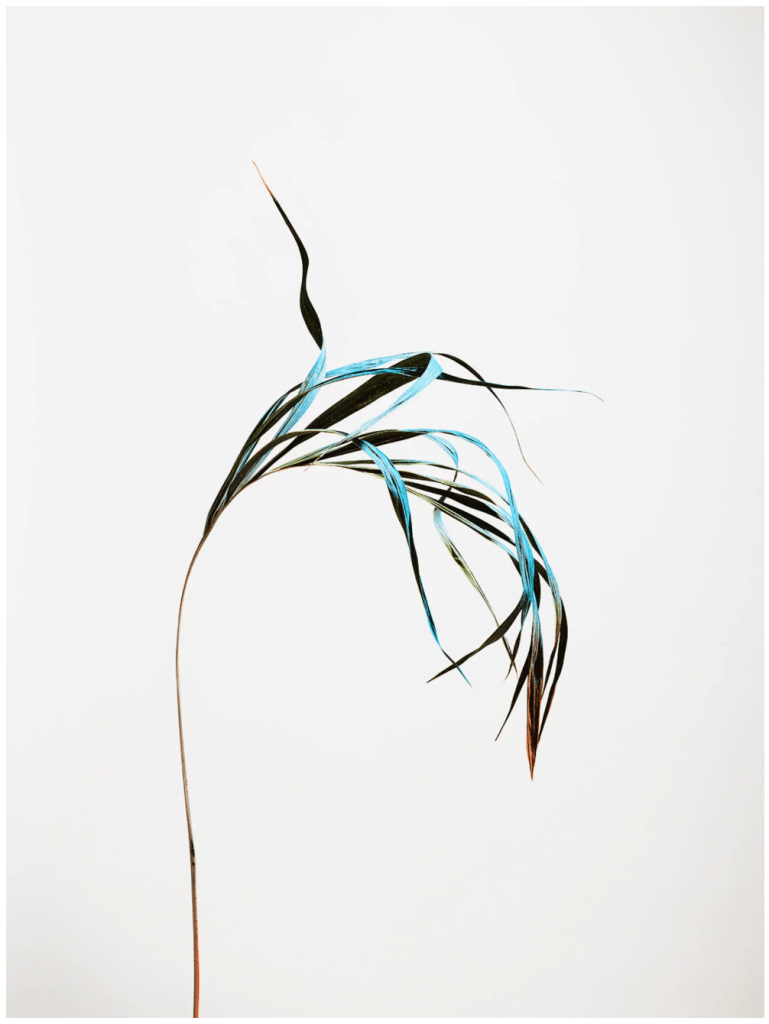
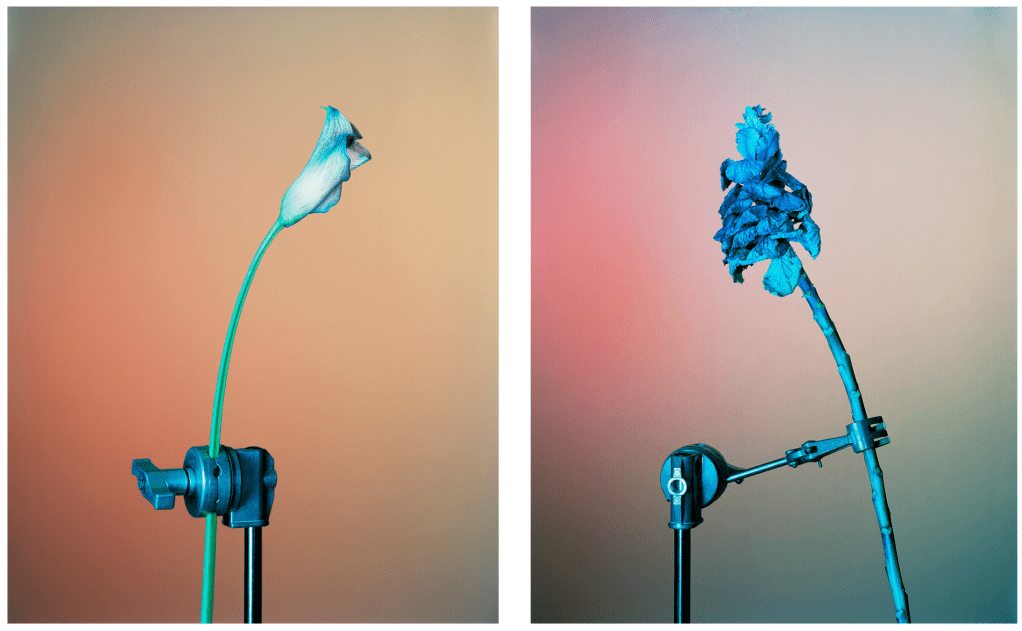
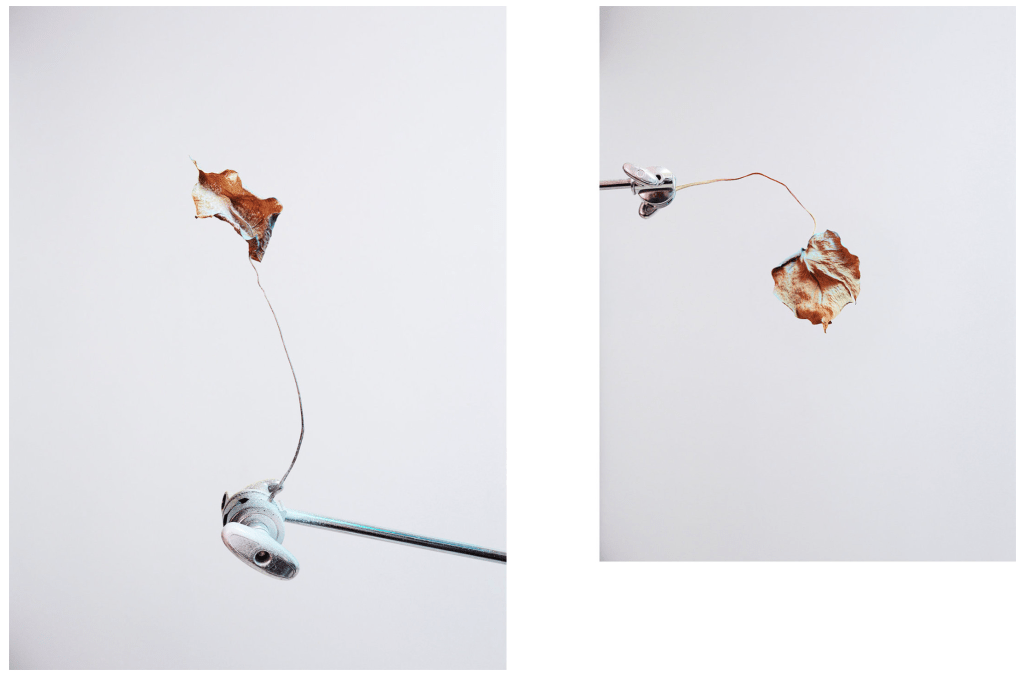
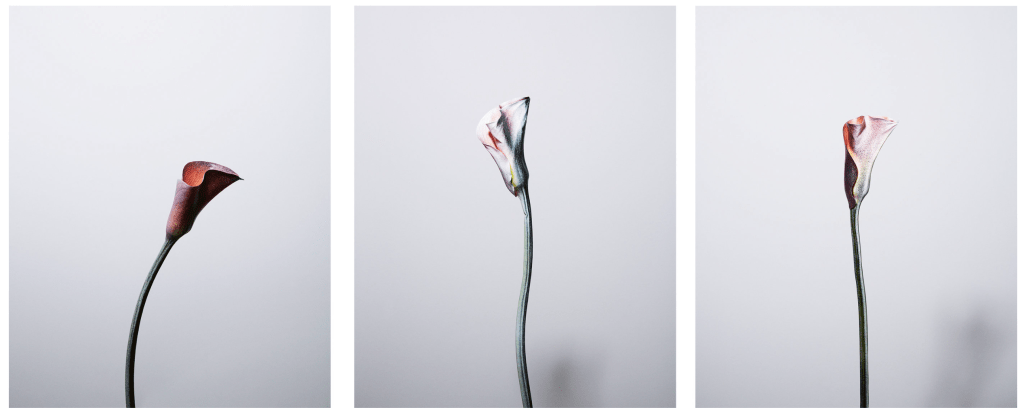
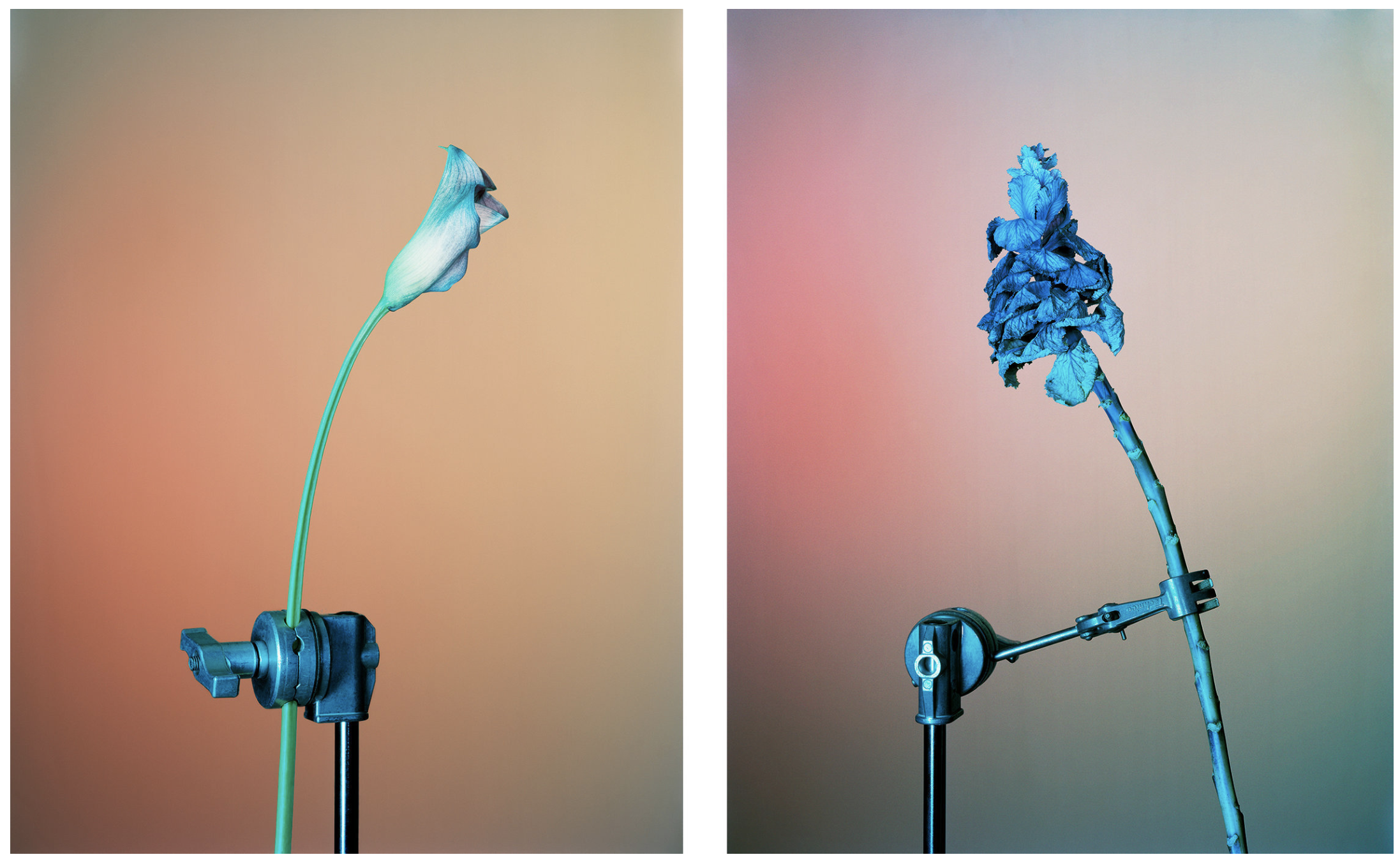
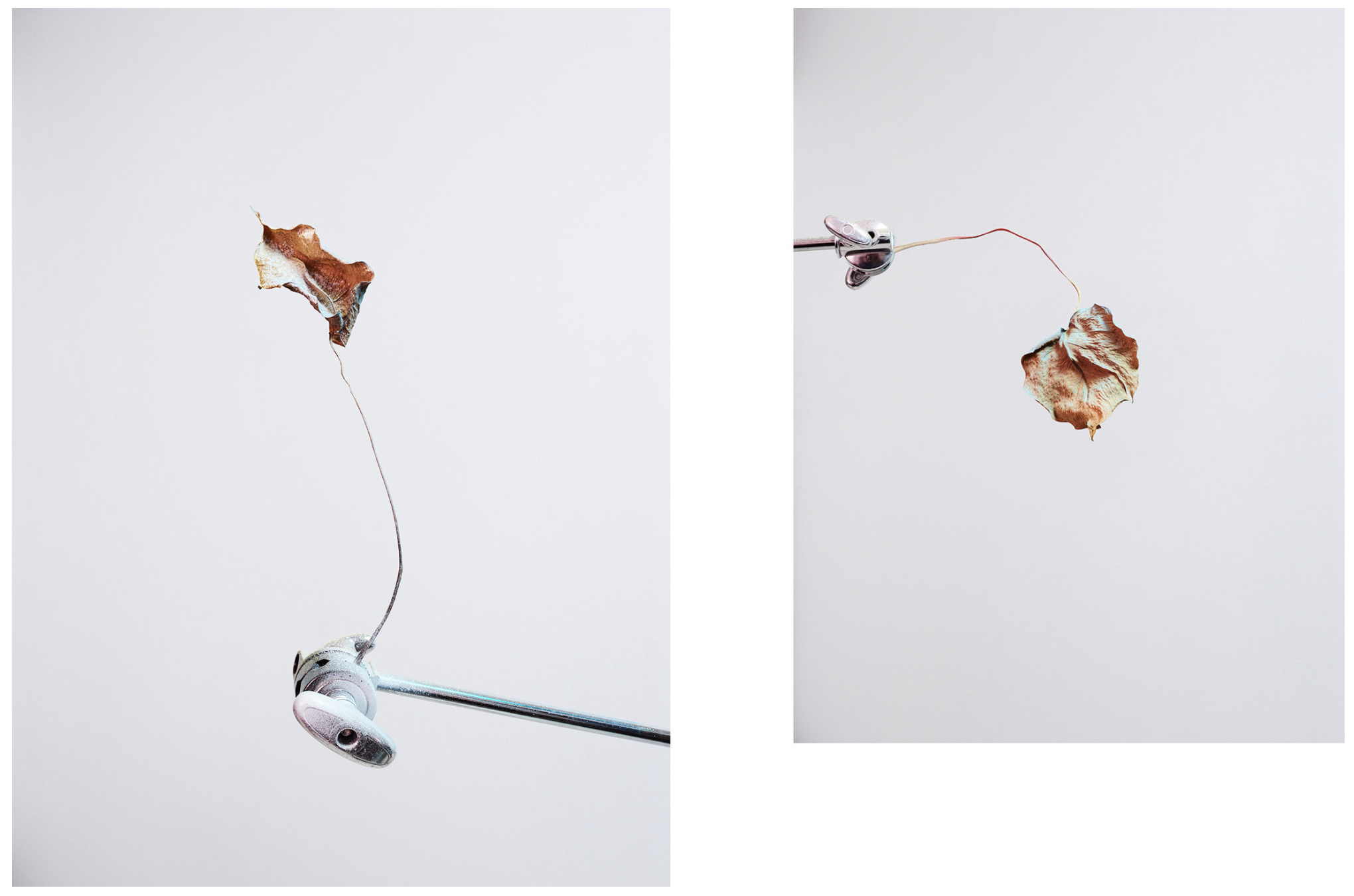
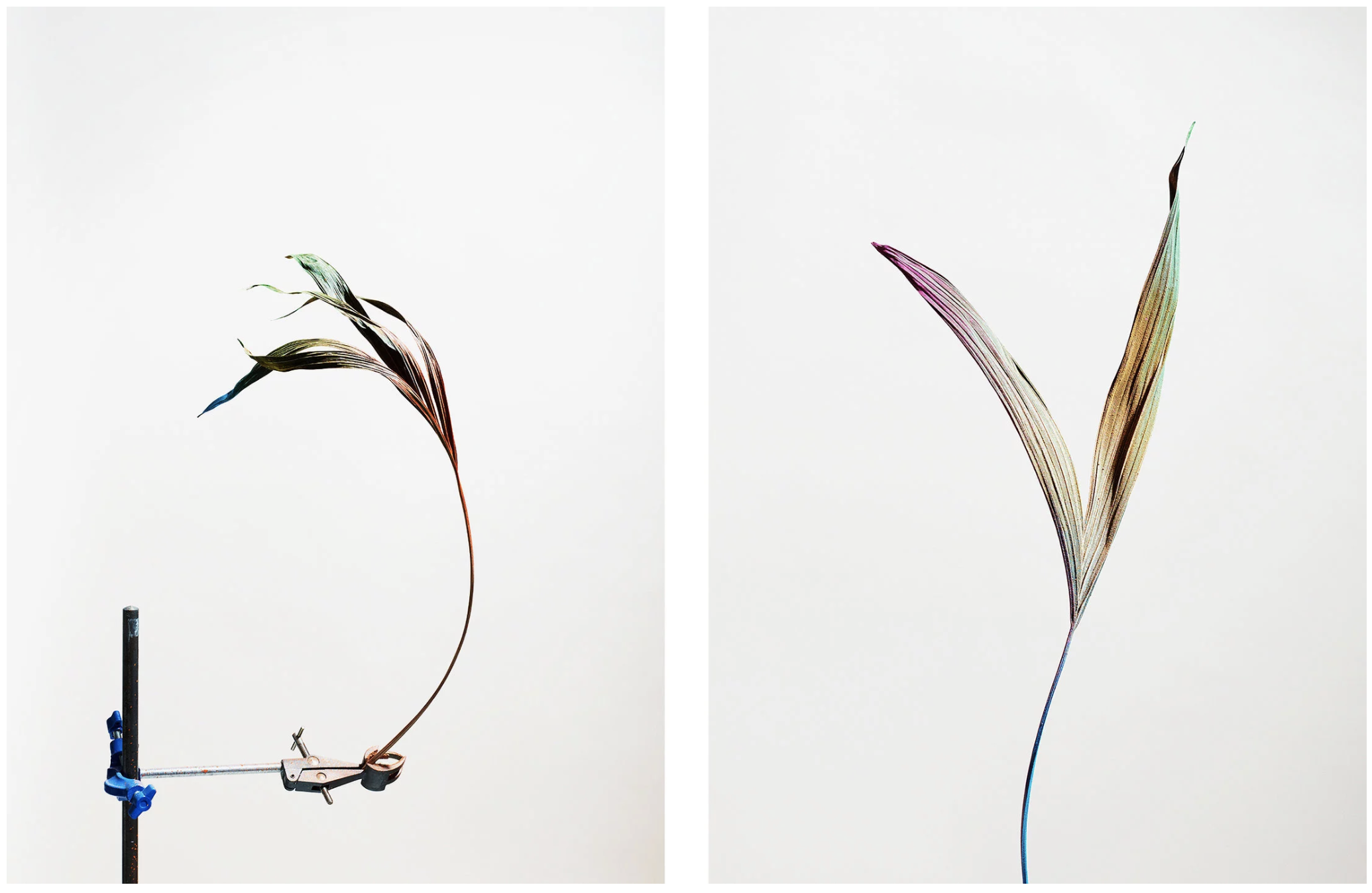
The first set below I have grouped based upon their botanical nature. Many of the studies are wilted and decaying furthering the symbolic denotation in still life of the ephemeral nature of plant specimens. I find interesting the coming together of theories I have looked by Barthes and Szarkowski around Syntax (Barthes) and The Frame (Szarkowski).
I make reference to The Frame (Szarkowski) due to the approach of often including the apparatus for the creation of images (clamps etc) within the image space. Usually hidden from view, these accessories become as much a part of the image as the samples they support. Syntax (Barthes) comes in reference to the use of multiple images paired together to create new compositions, Barthes referred to this as ‘concatenation’.
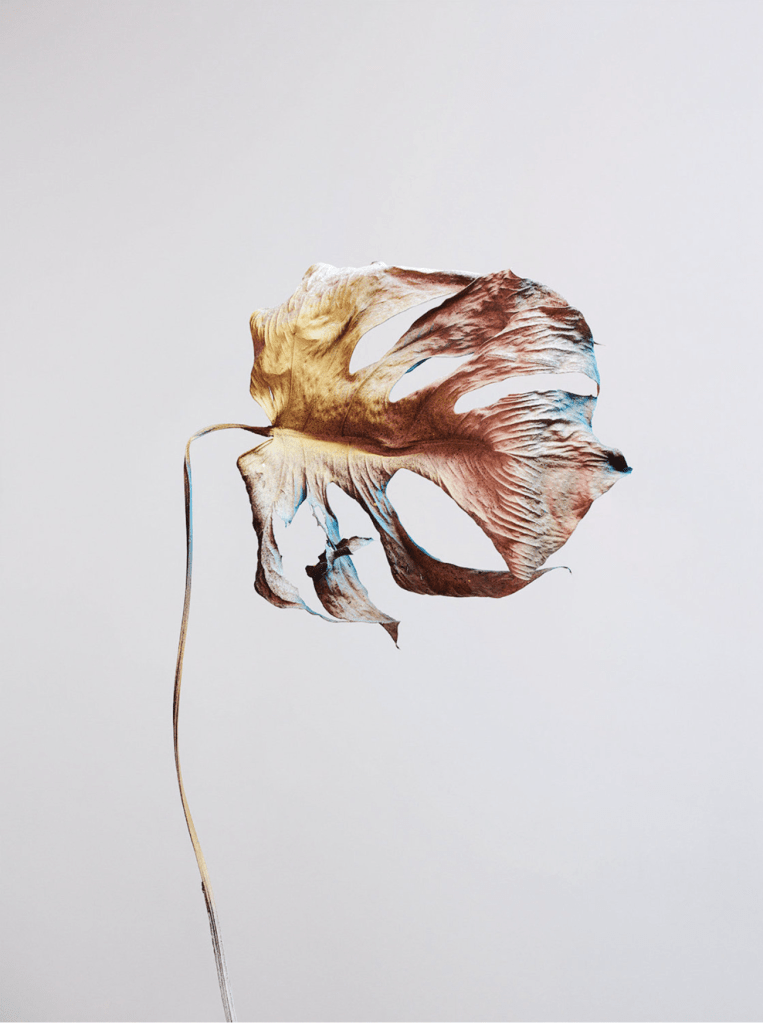
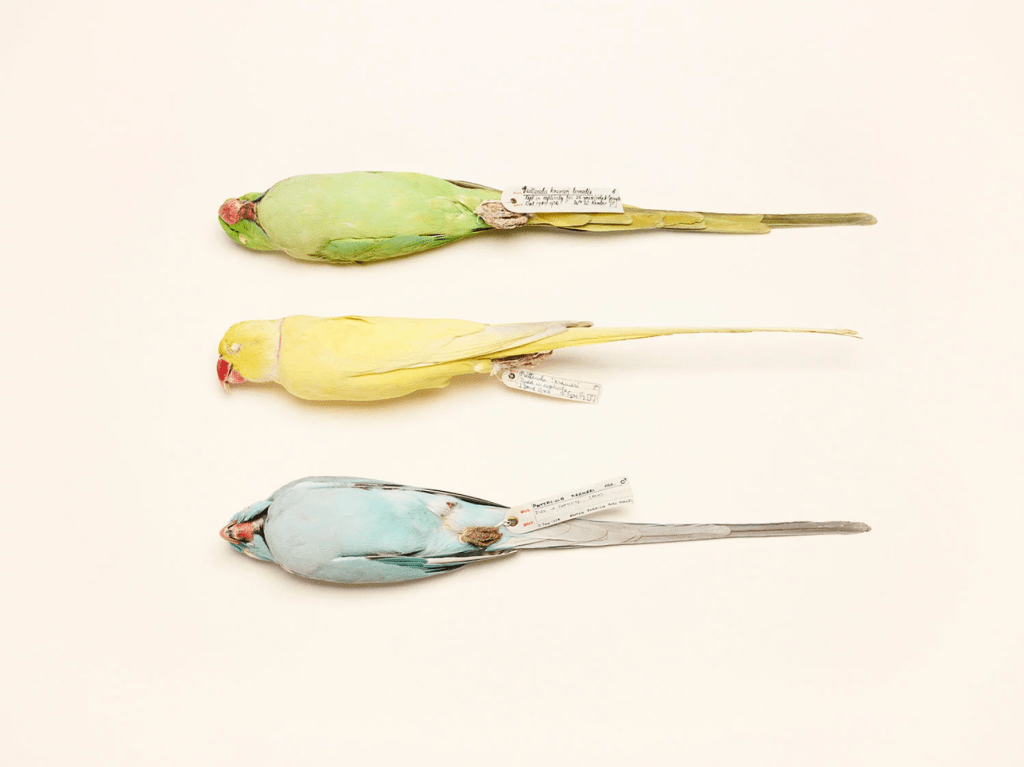
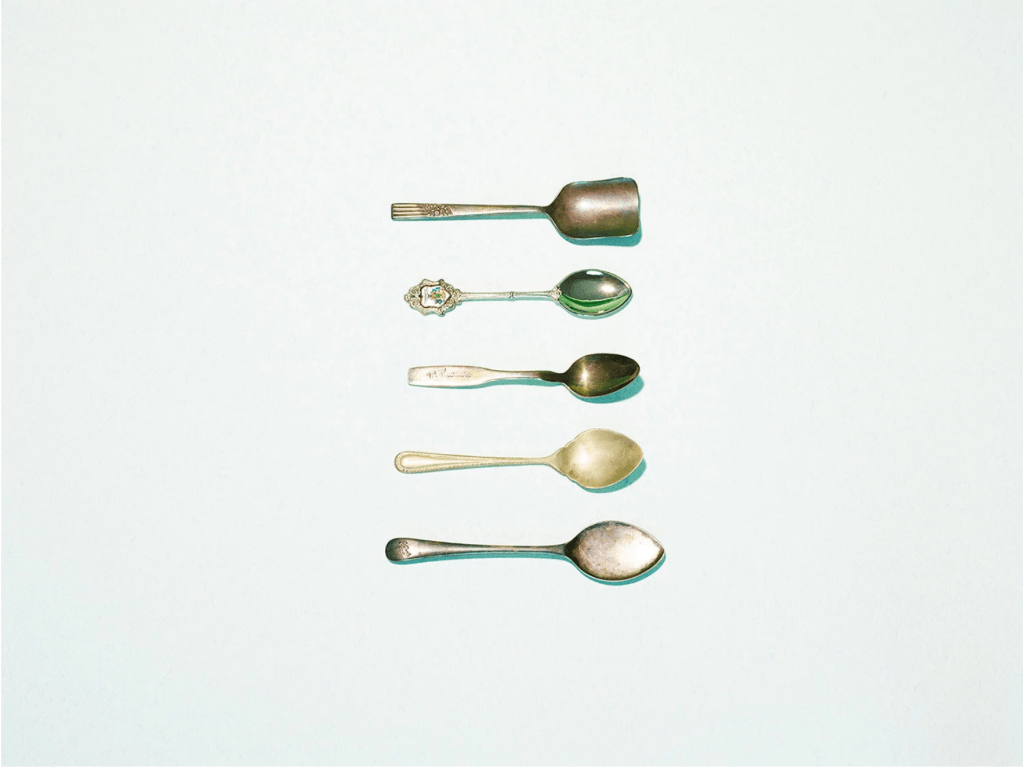
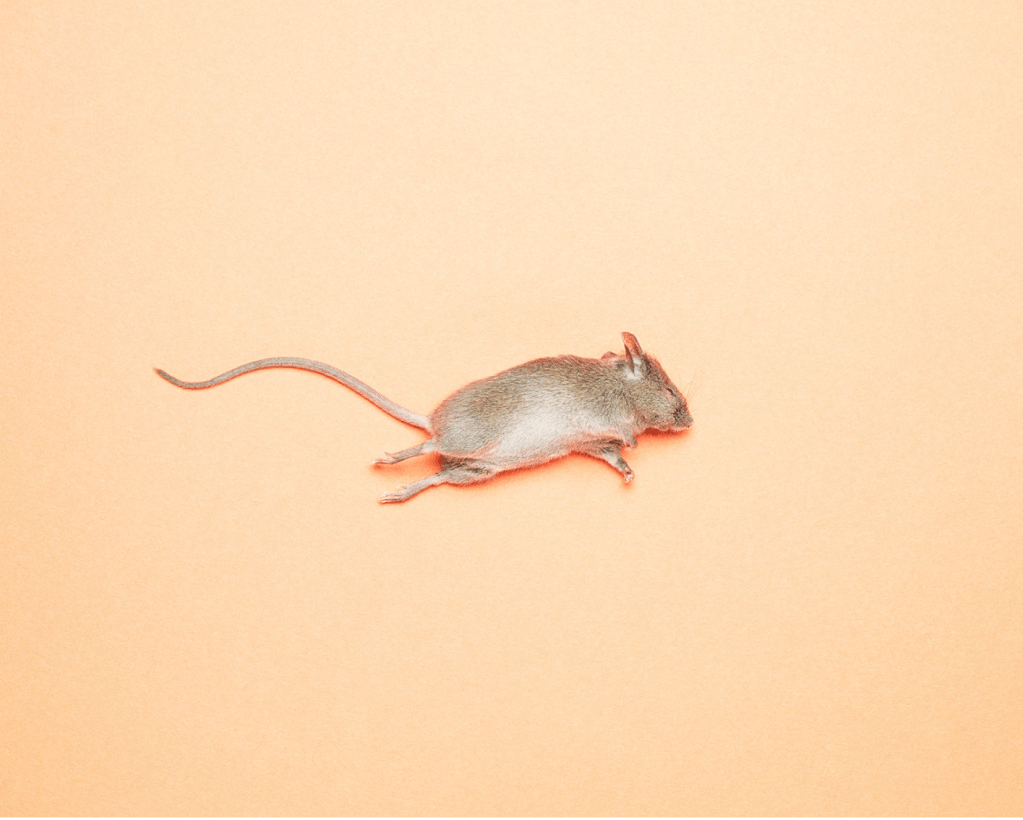
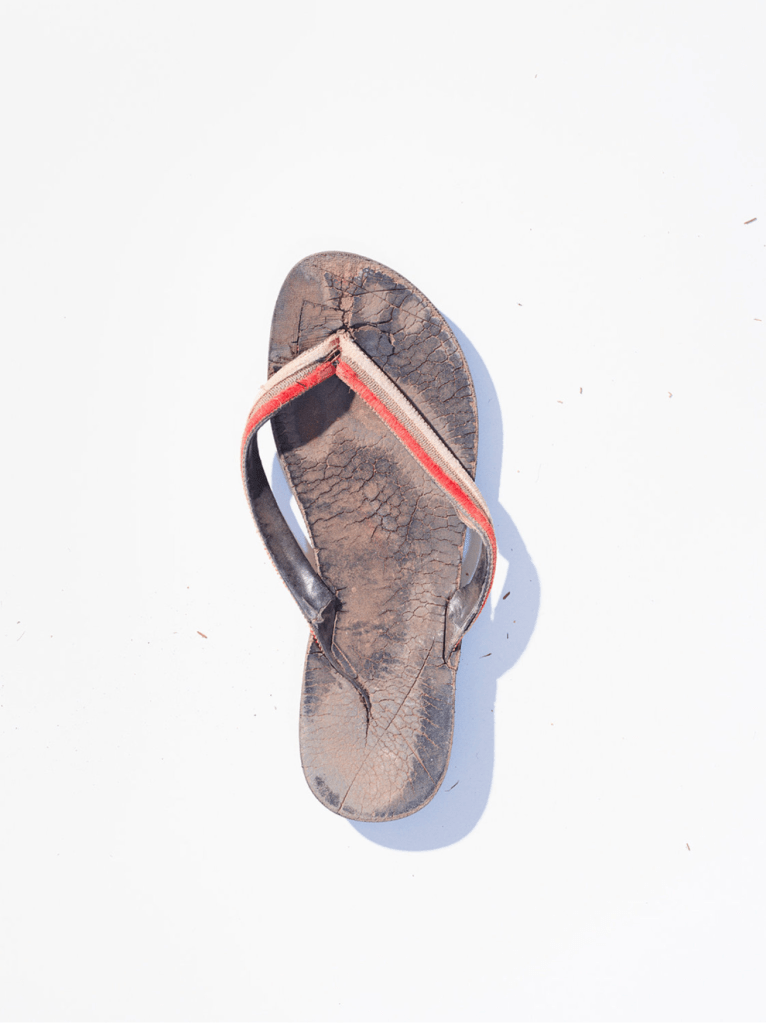
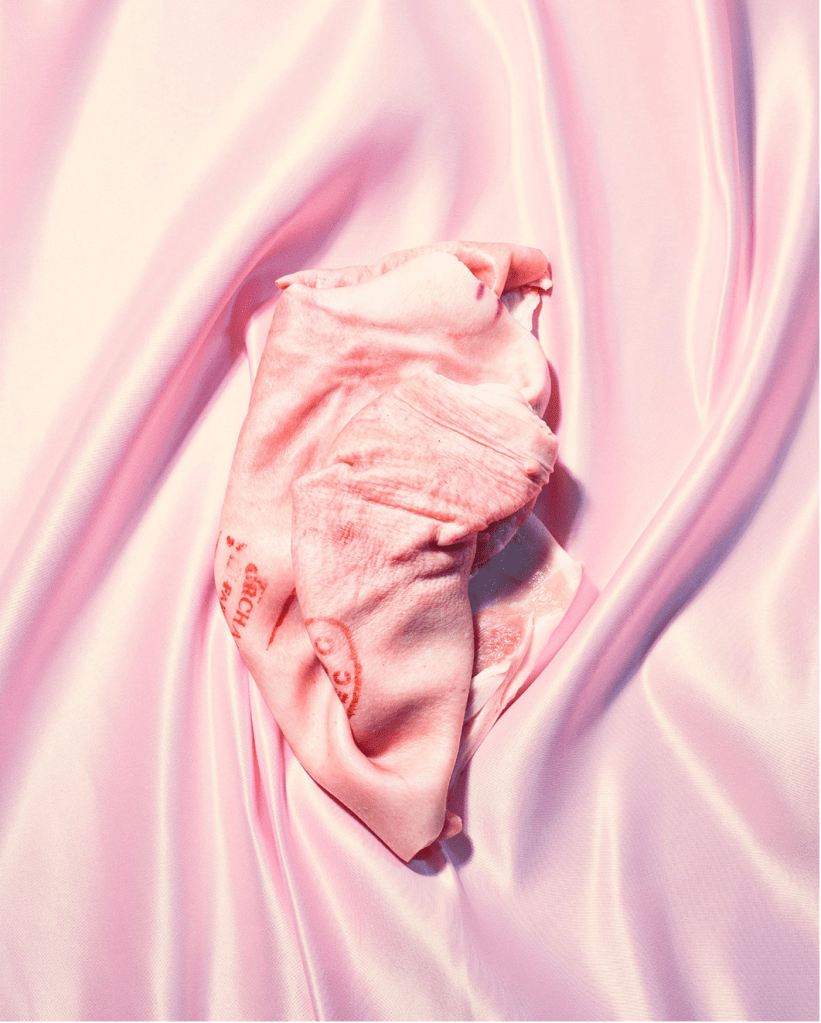
This second set of imagery by McCabe comes photographed flat upon a generally neutral surface. We as the viewer are not always looking straight down at the subject matter and the casts of the lighting vary greatly.
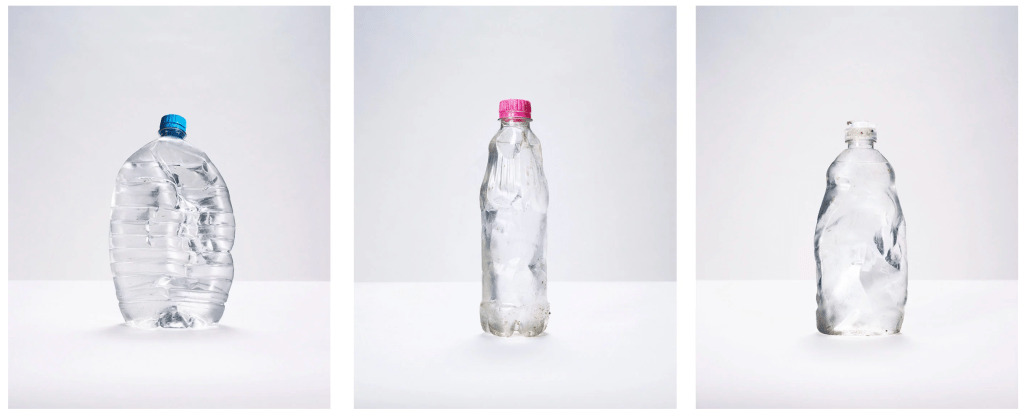
Some of the subject matter is of quite a bizarre nature and some takes the form akin to museum cataloguing for reference. The flip flop image for me is very reminiscent of the images of rubbish by Irving Penn. The damaged surface of the subject matter arranged as objectively as possible yet on a background clearly not native to the object.


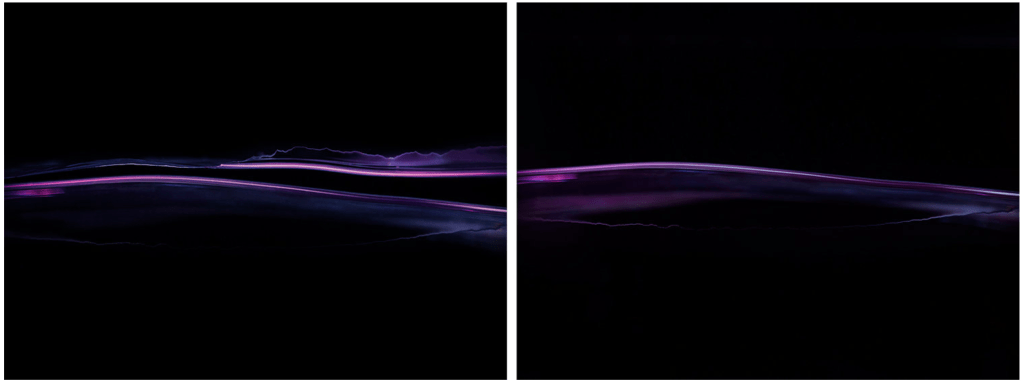
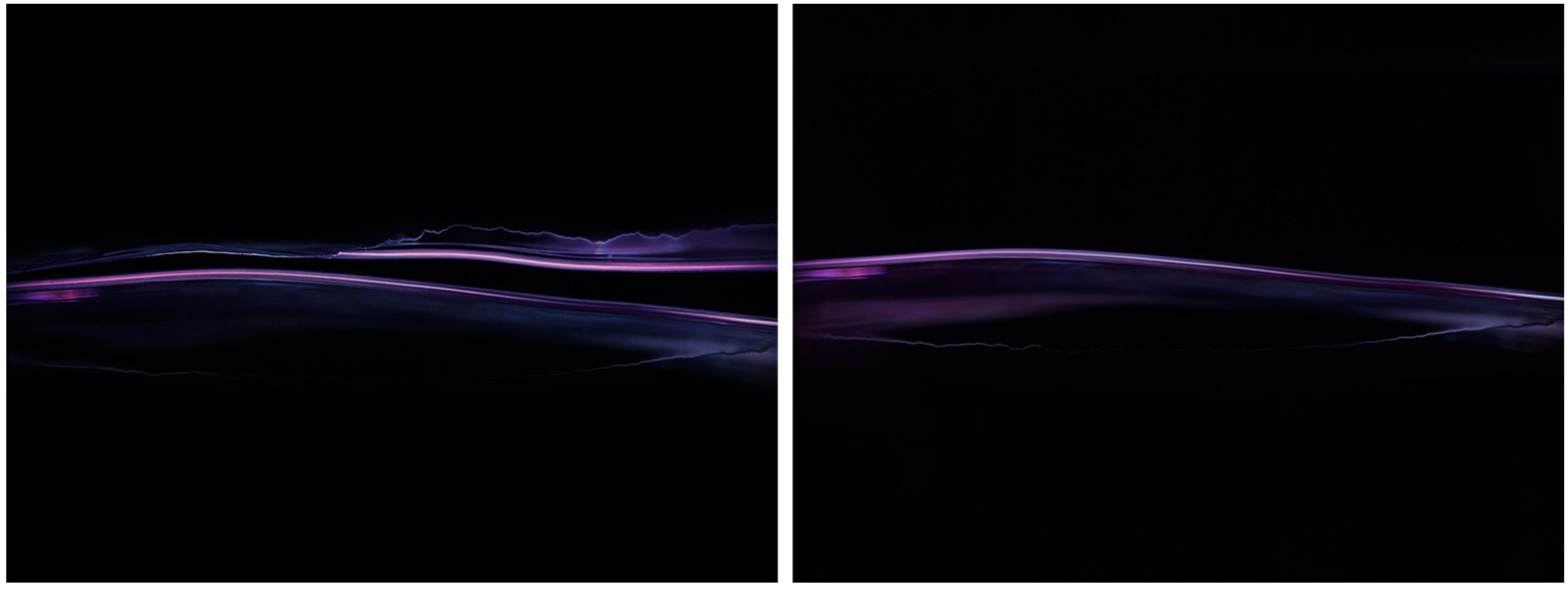
This second set of imagery sees a more abstract use of light and composition to create images which urge the viewer to look again and look more deeply. The subject matter is generally unclear and the lack of context, in the way these are shown below, begs the viewer to project their own interpretation on to the images. The use of broken glass and experimentation with the direction and colour of light makes great impact here.
Such work requires deeper thought and interrogation when compiling but the results are effective.
We also see a return to the previously discussed concatenation of imagery with the combining of multiple images. The original images remain in their frame space but refer and connect to each other.


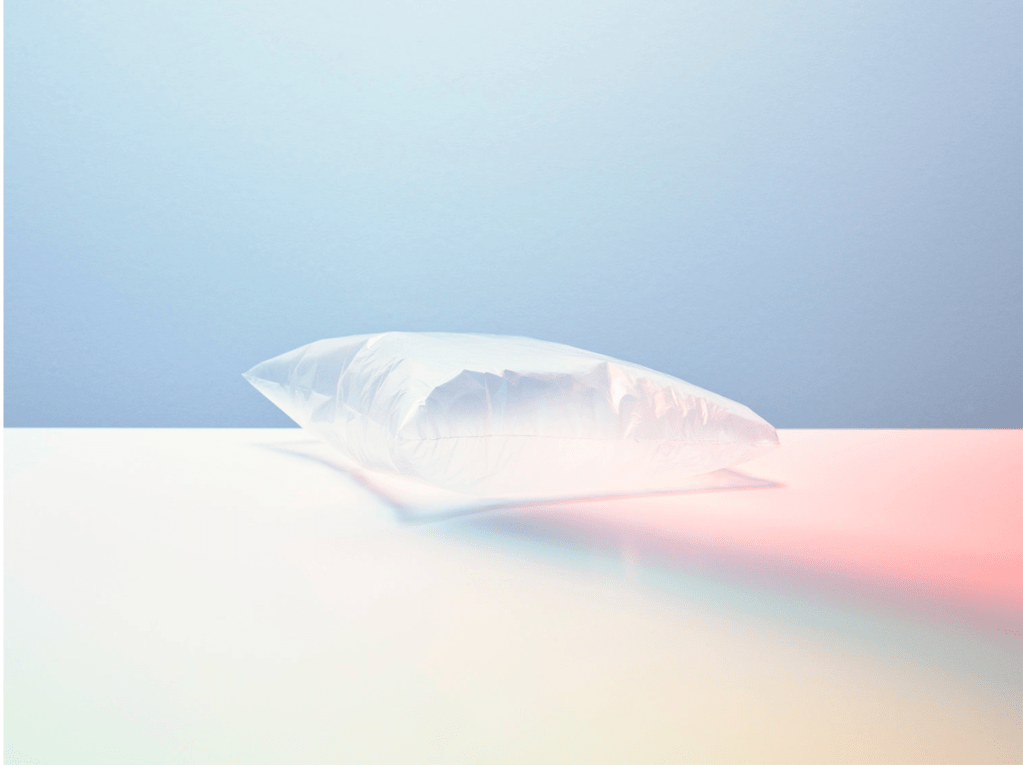
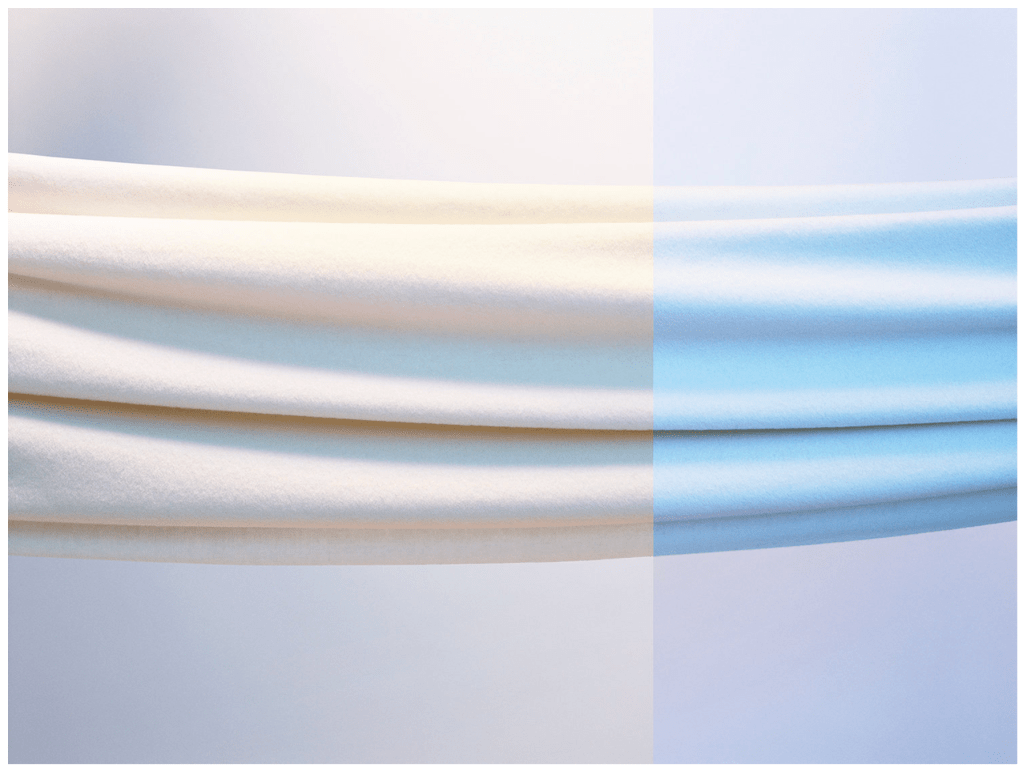
In his use of the term ‘concatenation’, Barthes was making reference to the syntax between imagery and how certain photographs can come together to form a message. Sometimes that message is outside of the connotations of the individual images.
I have brought together some of McCabes combinations of images below to discuss this point. Some have appeared previously while the two triptychs have not. In some cases there are visual elements which connect the combined images, other times there are not. One clear consistency between McCabes concatenations is the artificial pure white background upon which the images are set. This could be compared to that of a white wall gallery space or is simply to be a reduced distraction for the viewer when displaying the images.
McCabe, F. (n.d.). Felicity McCabe. https://www.felicitymccabe.com/
 Andrews Masters Journey