
This week I want to continue to reflect upon the representations of the still life genre within fine art. This will focus around the work of Henri Fantin-Latour, Pieter Claesz, Willem Kalf and Rachel Ruysch. This will be followed by a series of photographic experiments working with more objects and some of the lighting styles found in their work.
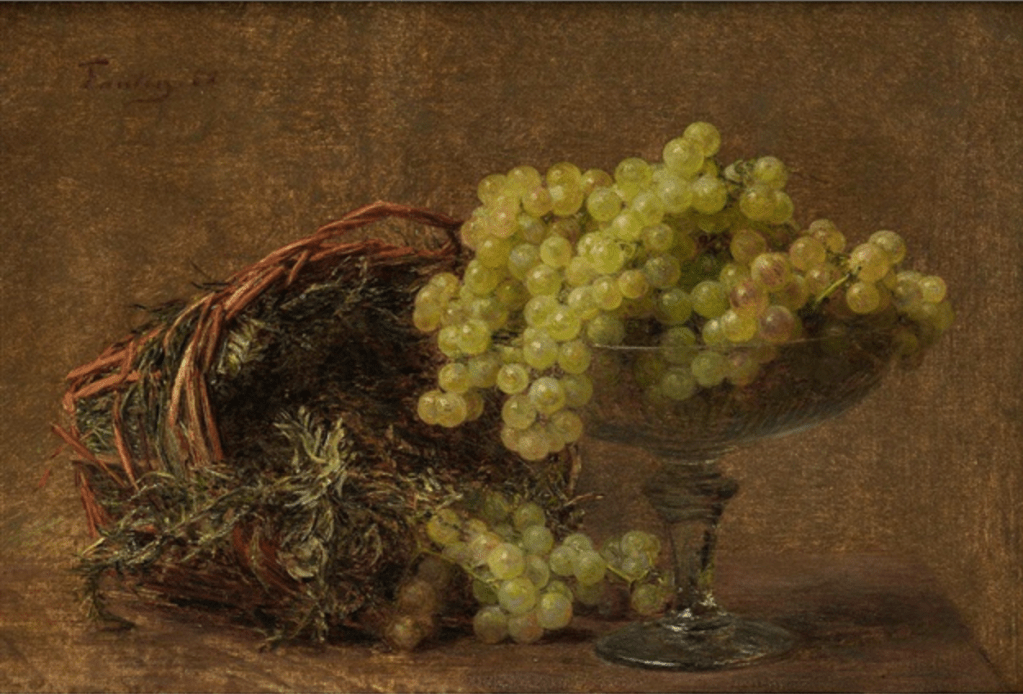
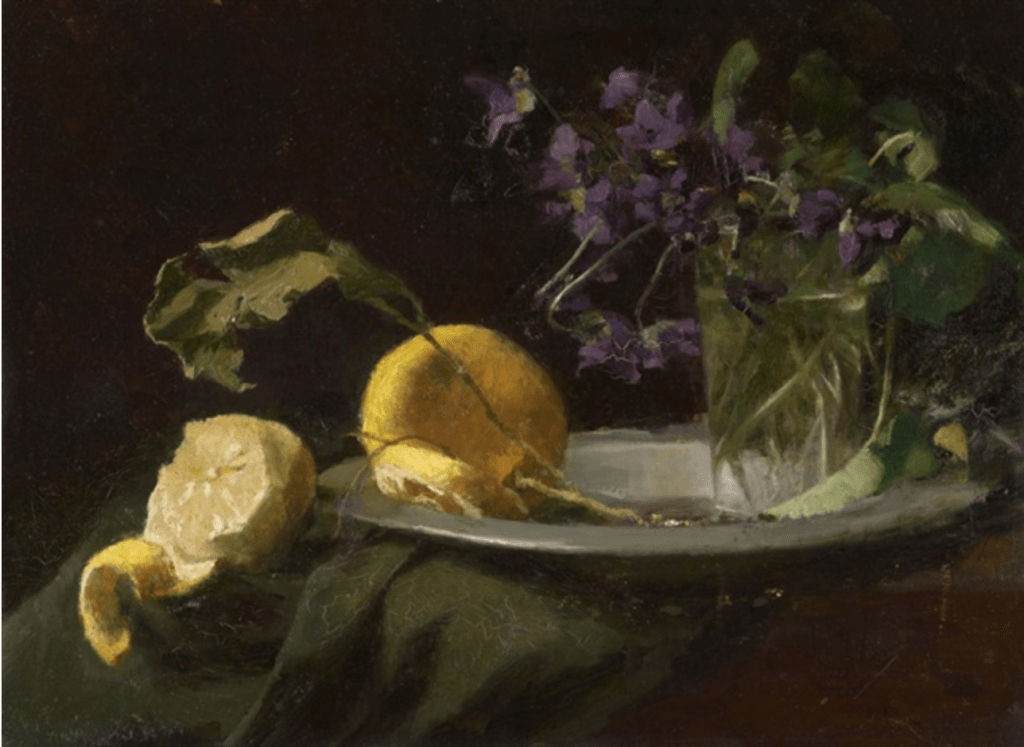
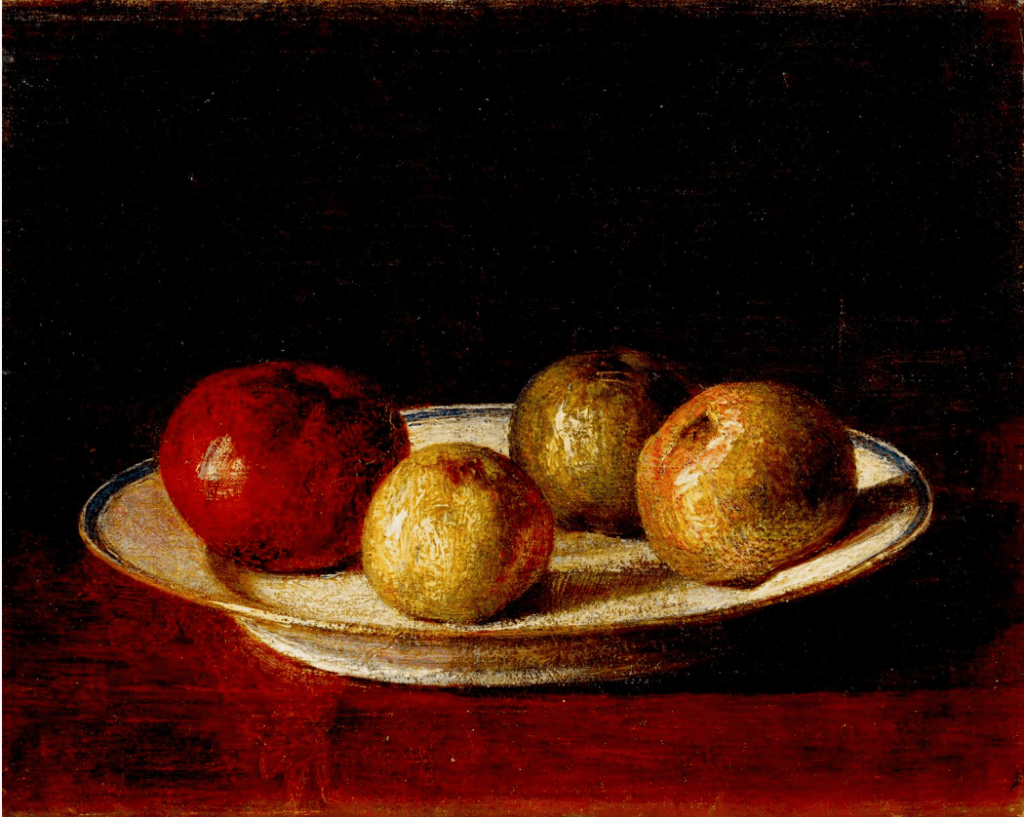
As outlined in a previous post many of the classical still life paintings had symbolism in the objects contained, the lighting and the often arrangement of those objects. Fantin-Latour’s studies of fruit arrangements varied in terms of lighting but all of them possess rich colours. The apples signify the forbidden fruit and the story of Adam and Eve and the expulsion from the garden of eden.
Grapes are often seen as a luxurious fruit and signified a higher status. Two of these examples feature chiaroscuro style lighting with black negative space to aid isolation and concentration onto the arrangement.
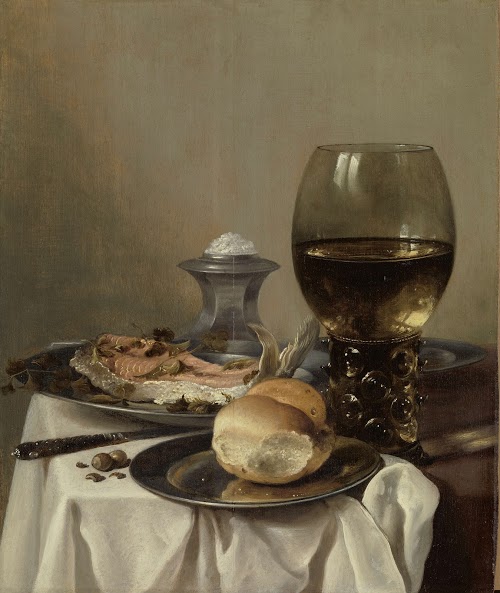

These two examples from Claesz seem to be of the same arrangement or of the same scene. The lighting is light and has the feel of gentle daylight about it. I read the scene as having extensive religious iconography throughout. The fish and the bread could be nods towards the ‘feeding of the 5000’ while the presence of wine as well as bread are indicative of the last supper. The scene is more pantry like with a tan coloured wall in the background and crumpled white table cloth.
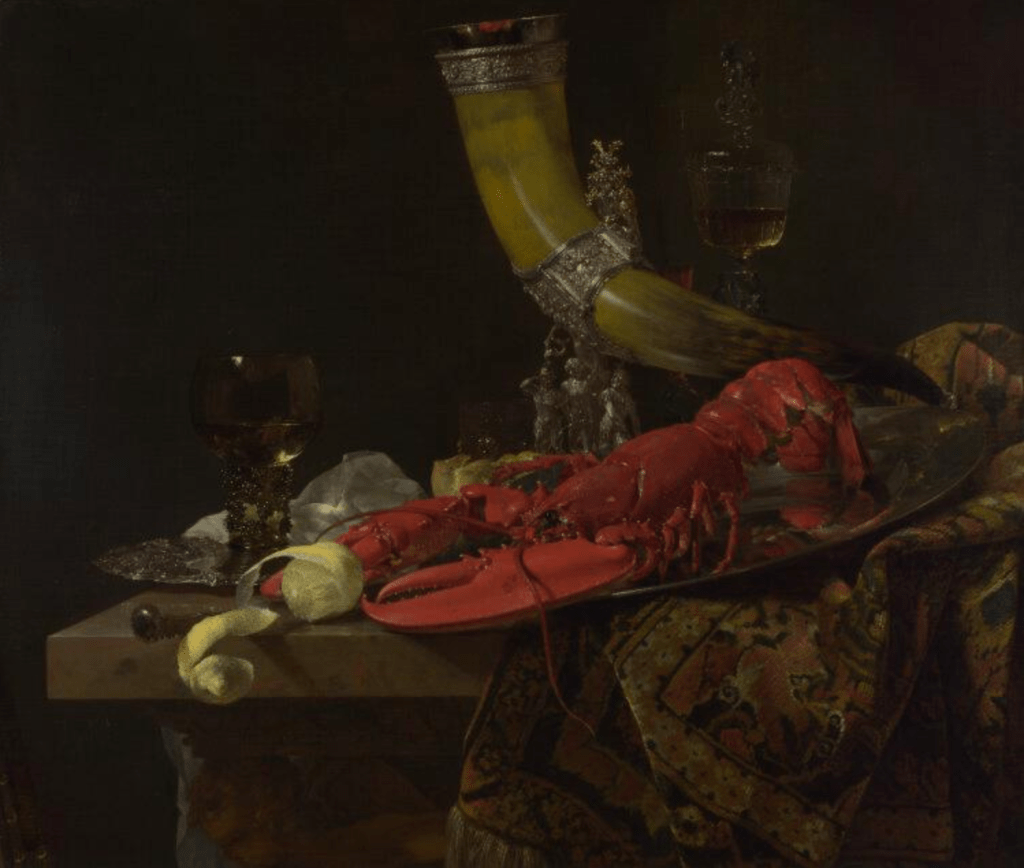
Often depictions of food such as lobster is symbolic of wealth, gluttony and temptation. The rich colours coursing through Kalfs work above is no exception here. Moving through the image to the read we have rich tapestries, a drinking horn and a chalice. The presence of the darkness further the richness of the colours of the artefacts.
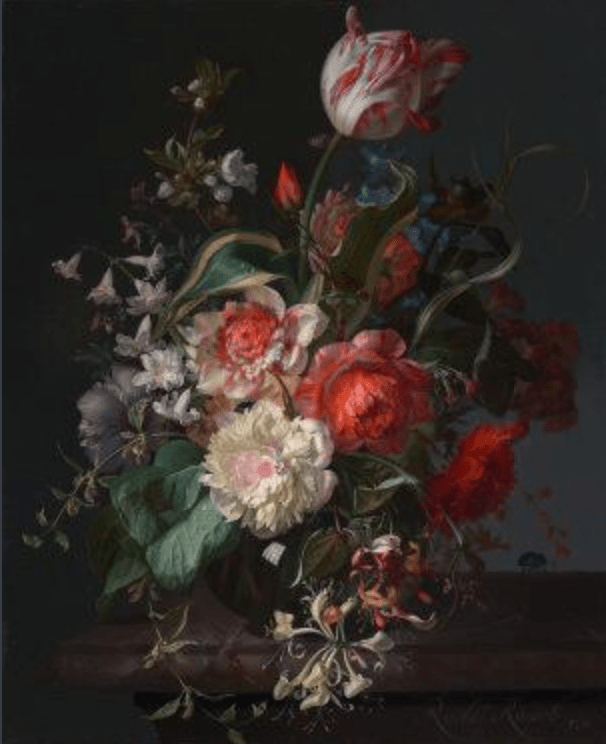
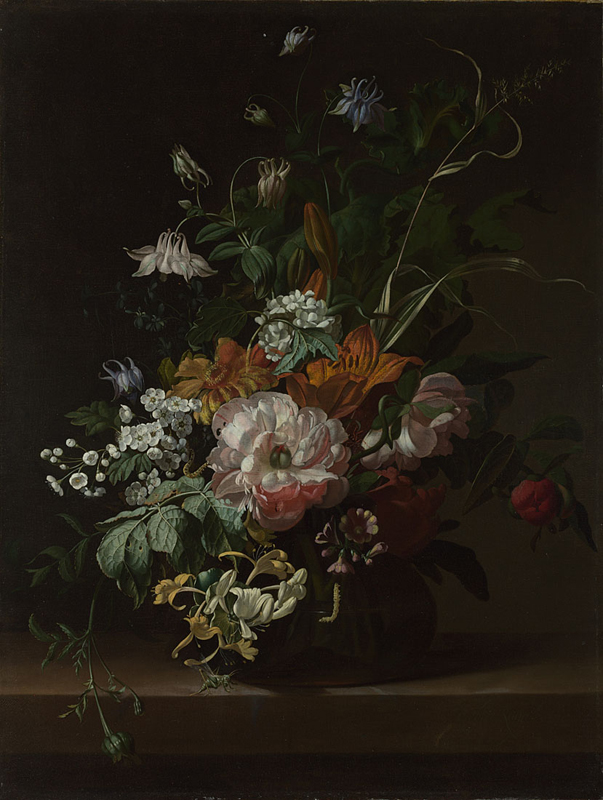
As previously mentioned, floral arrangements so often are such because of the temporality of flowers and plant life, especially once picked or cut. These floral studies by Ruysch, although ‘beautiful’ are very congested and busy. I much prefer the singular, high key studies of plant life found in many photographic still life arrangements.
 Andrews Masters Journey