
How many photographs have you seen today?
What contexts did you see them in?
The number would easily be above a thousand. In my role as a secondary school photography teacher I teach over 200 students a week and so see a lot of images! Then add in my own practice, this MA and then images seen on a daily basis the number would be very high.
How many of them were ‘constructed’?
In the case of my teaching a vast majority would be constructed. My practice these days is largely constructed also with much of the content on my personal social media’s being ‘incidental’
In what ways were they constructed?
Many constructed as part of project work undertaken by my students. In the case of my own practice, constructed through still life scenarios.
Did you read them as records or recognise their artifice?
In most of the constructed images I recognise the artifice but in much of my personal social media images they are more records.
In what ways do you ‘construct’ your images?
All my photography is constructed in one way or another. From choice of angle, exposure, framing and then selection after capture.
How do you balance fact and fiction?
In still life photography scenarios the balance between fact and fiction lies in the indexicality of the objects within the scene. Although the entire scene is fictitious the arrangement and nature of the display affects the construction of the scene.
How do we ‘read’ such constructed photographs?
The reading of any photograph, constructed or incidental, is dependent entirely on ones life experience and exposure to the world around them. The reading of a constructed image depends greatly on ones education.
How does context influence our response to them?
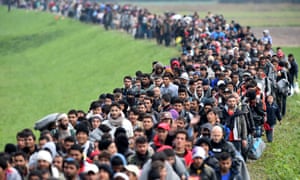
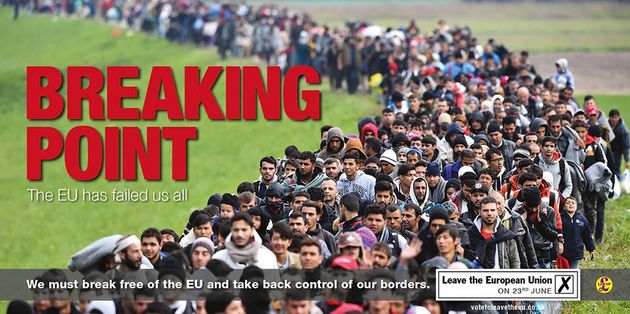
Photographs are not fixed in meaning, context is everything. The context of elements within an image and the way an image is displayed effect our response to all photographs. History has shown us that images misappropriated into different contexts can do great damage. A timely example is the one show below. Jeff Mitchell’s image of refugees fleeing a war torn country was reappropriate by the leave campaign during the EU referendum to convey a different message and to use these people’s plight for political motives.
 Andrews Masters Journey