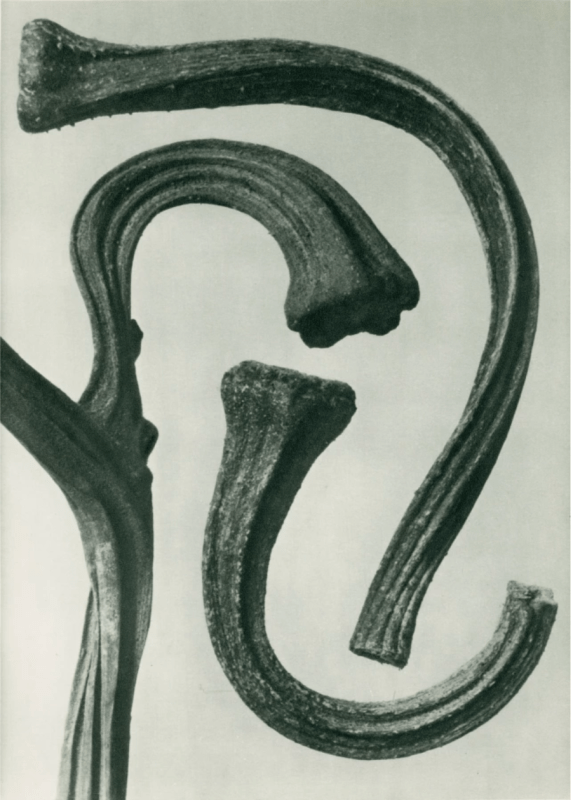
Working in the early 20th Century, Blossfeldt sought inspiration for his plant forms from the works of Fox-Talbot and Anna Atkins and their floral contact prints made in Calotype and Cyanotype forms respectively in the 1800’s. A lecturer of architecture, Blossfeldts original purpose for his photography macro studies of plants was to draw inspiration to use in the design of buildings. The resulting images have gone on to become admired as photographic works in their own right.
Blossfeldts extreme mastery of the technical elements of photography make these images as striking today as they were then. Ranging from plant specimens to seed pods, the images often take the appearance more alike iron works than organic.
Many of the examples appear to be flat upon a surface while others, such as the seedpods, seem more photographed standing up. There are three elements I can draw from which make these images most successful and they link strongly the concepts laid out by John Szarkowski. In Szarkowskis book, The Photographers Eye’, he laid out five formal concepts which he felt applied to every photograph. Detail, Frame, The Thing Itself, Time and Vantage Point.
The Frame and The Vantage point come together in Blossfeldt’s work to create a complete lack of sense of scale. These forms have no reference point, as a result we as the viewer are unaware of how big or small they are. The frame often excludes the continuation of the specimen and focuses our viewers attention onto a particular segment of what is on show. As discussed briefly above, the vantage point focuses us on a level with the specimen and concentrates our attention.
As my exploration of forms continues I want to experiment with many of the methods that Blossfeldt would have applied in his work. With particular attention to the frame, vantage point and, in this case, lighting.

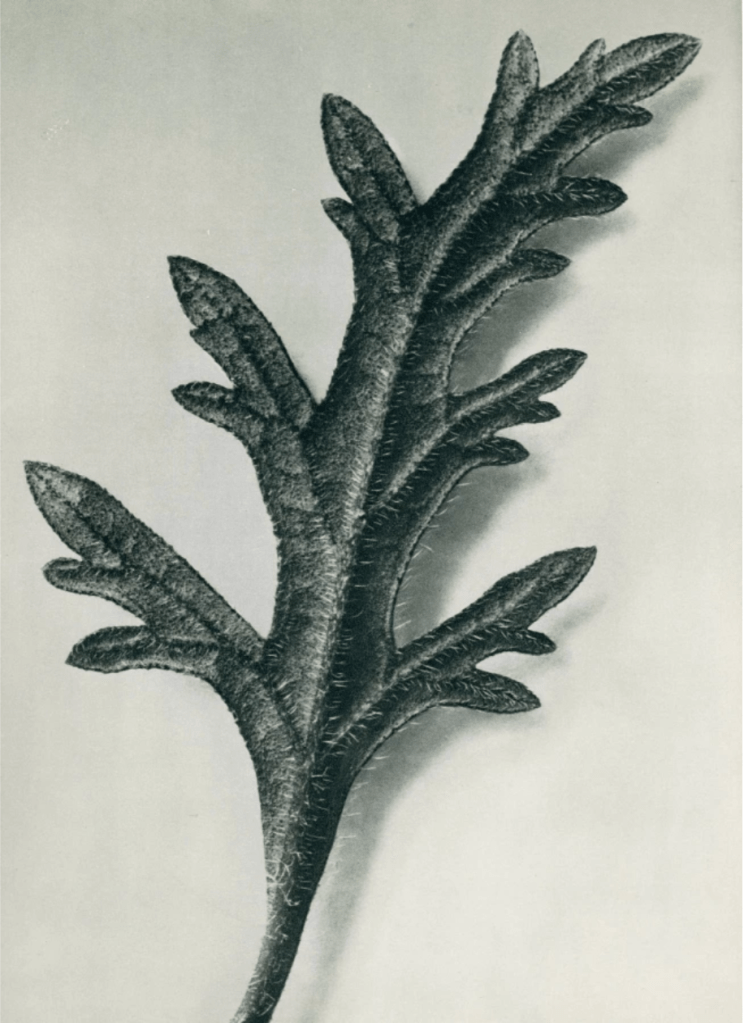
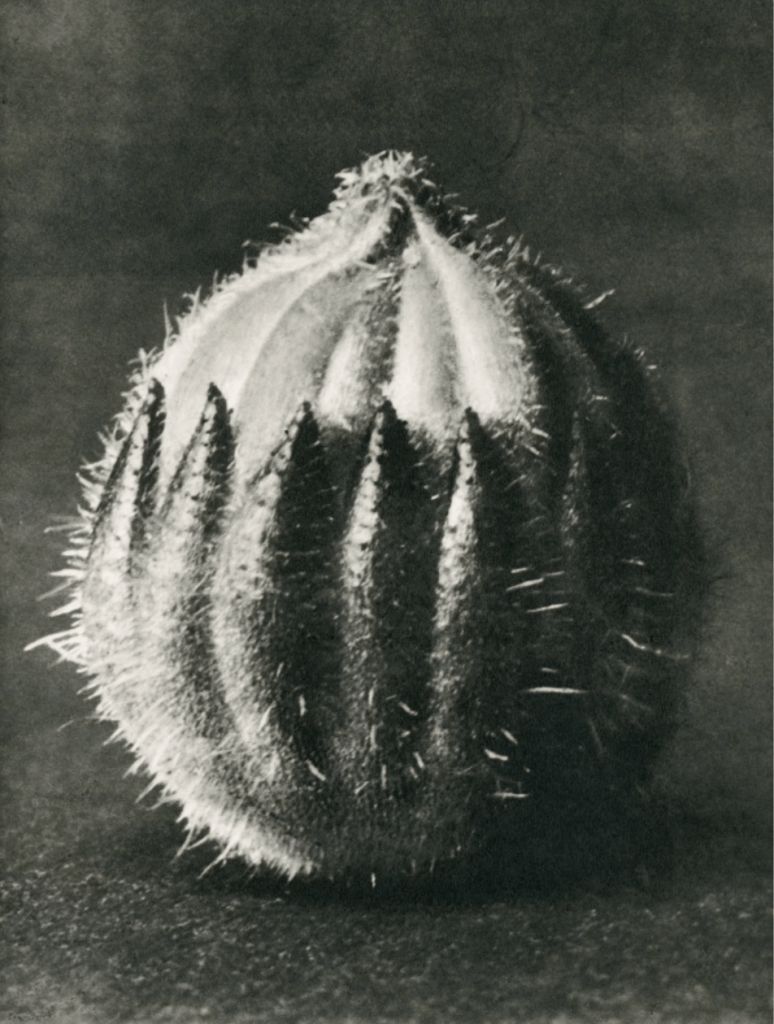
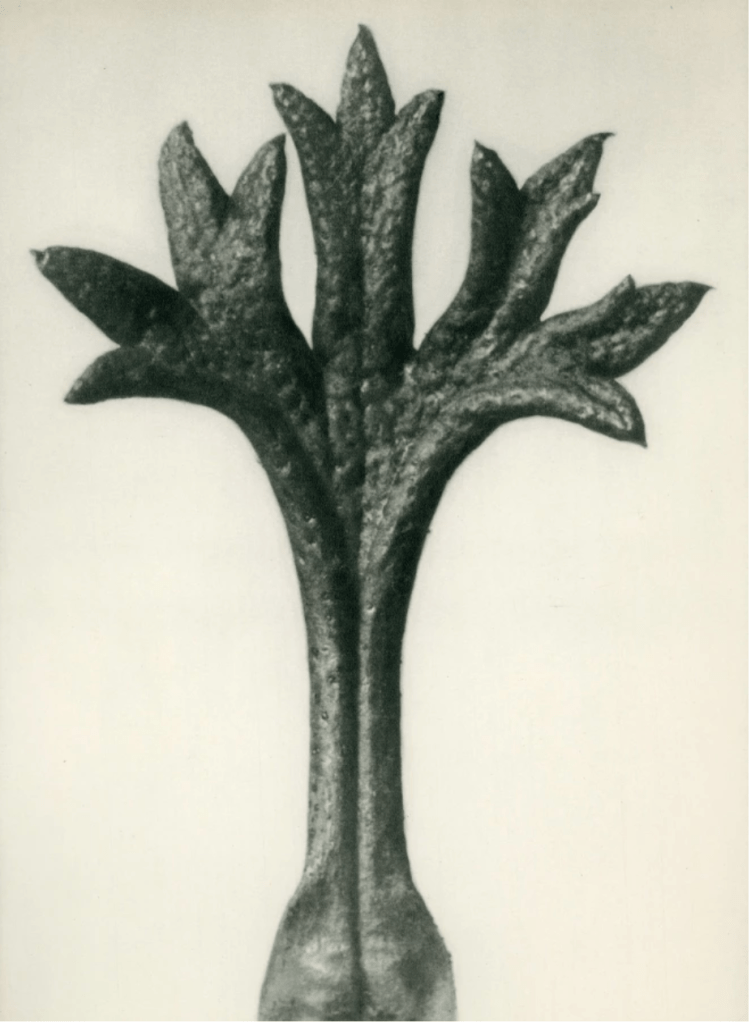
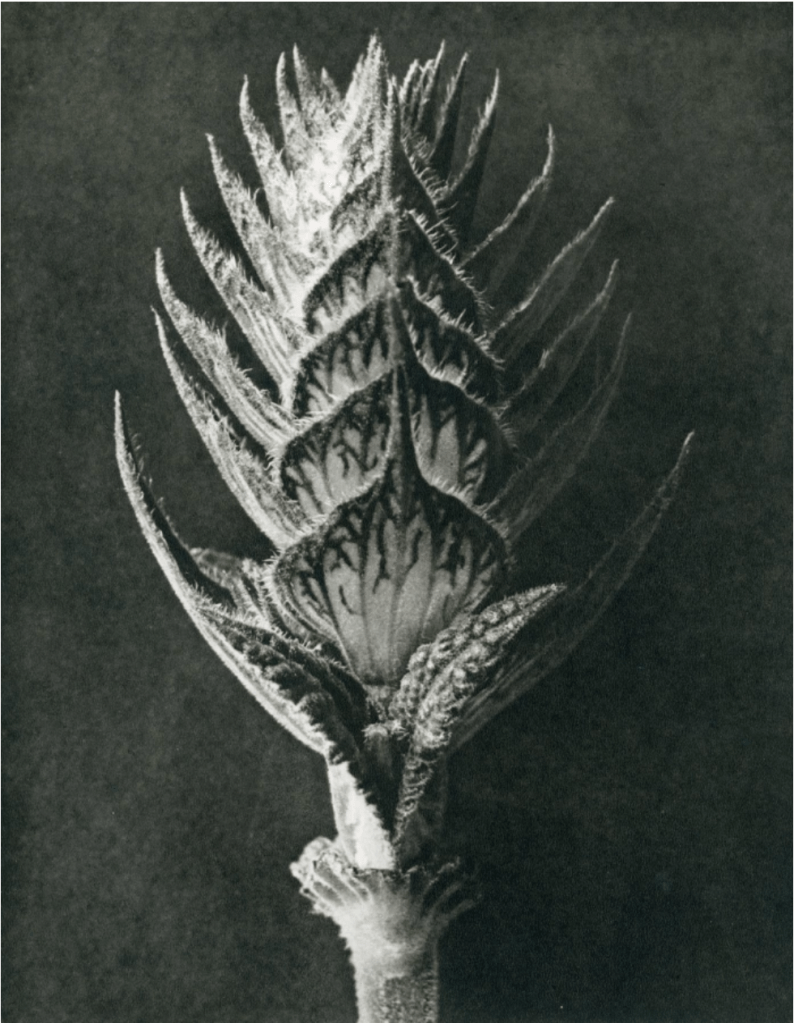
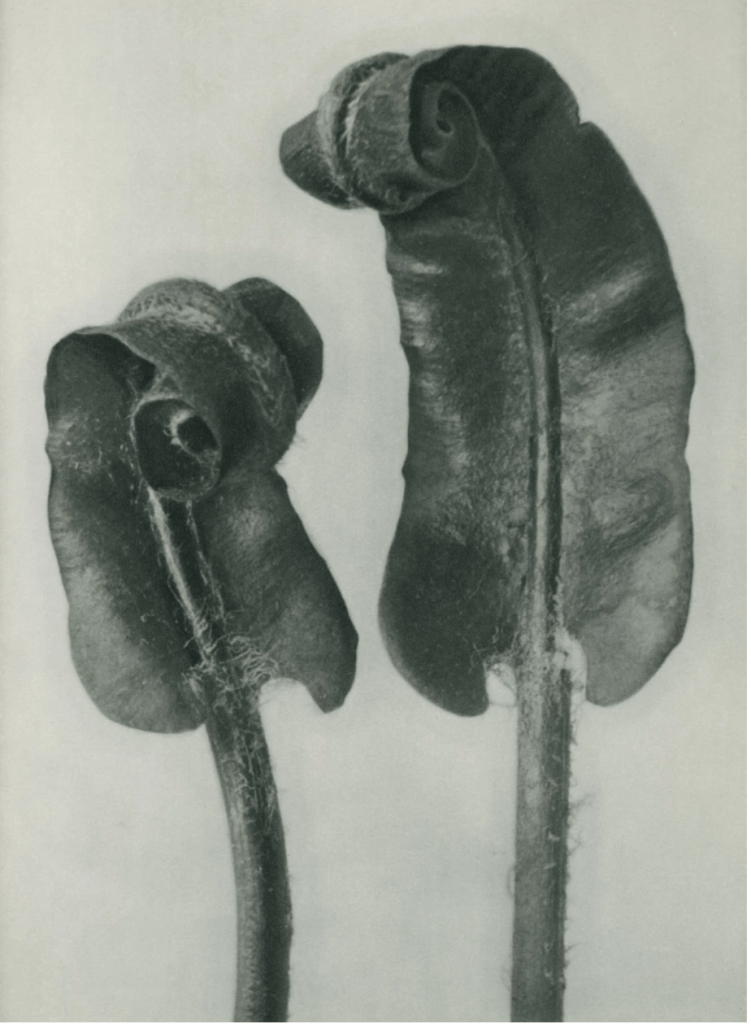
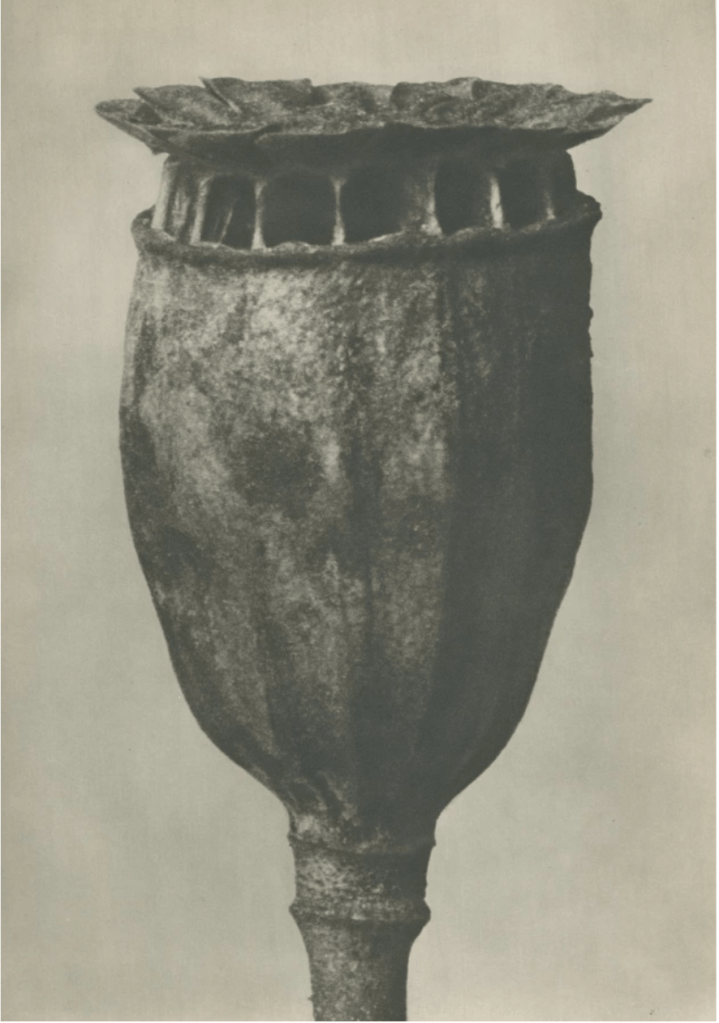
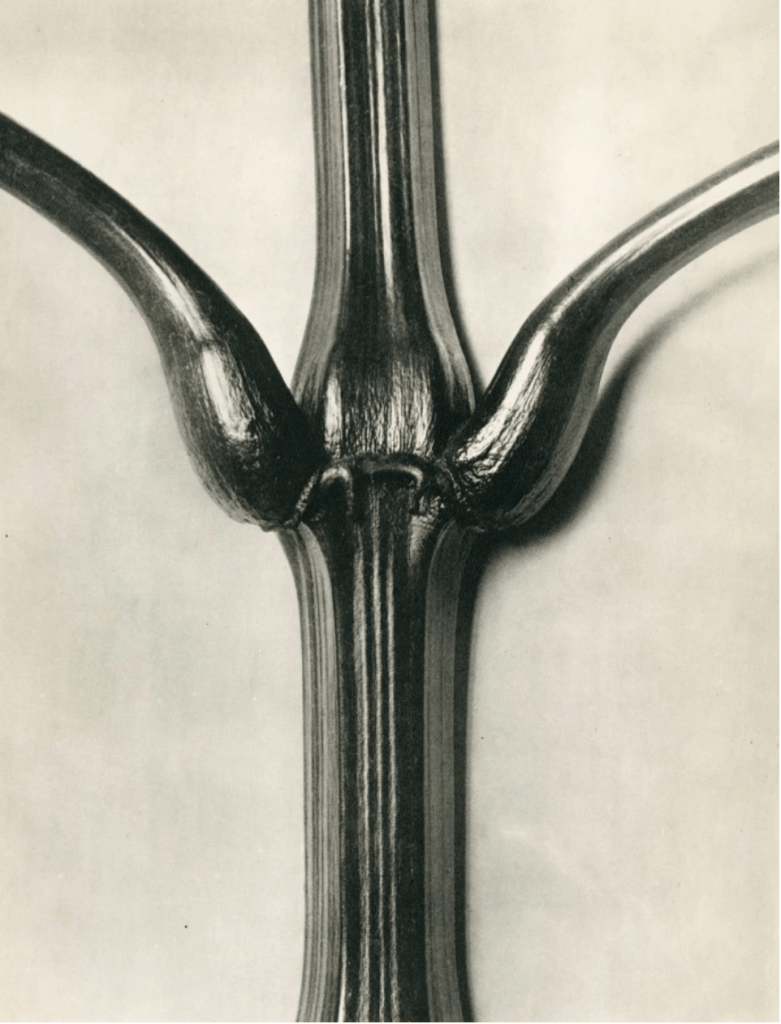
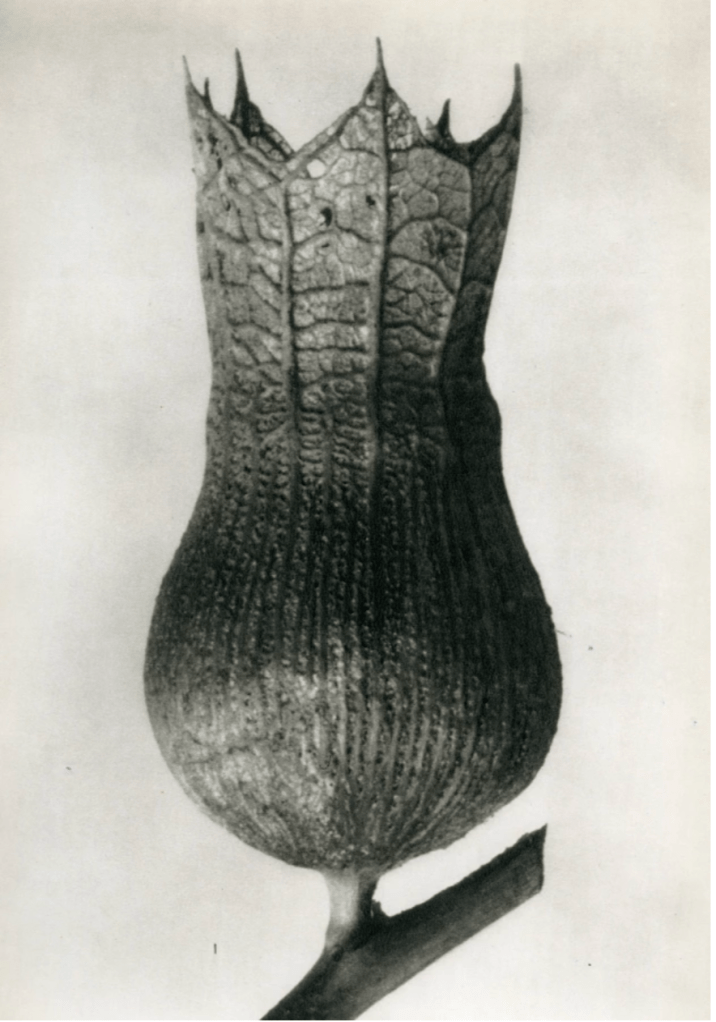
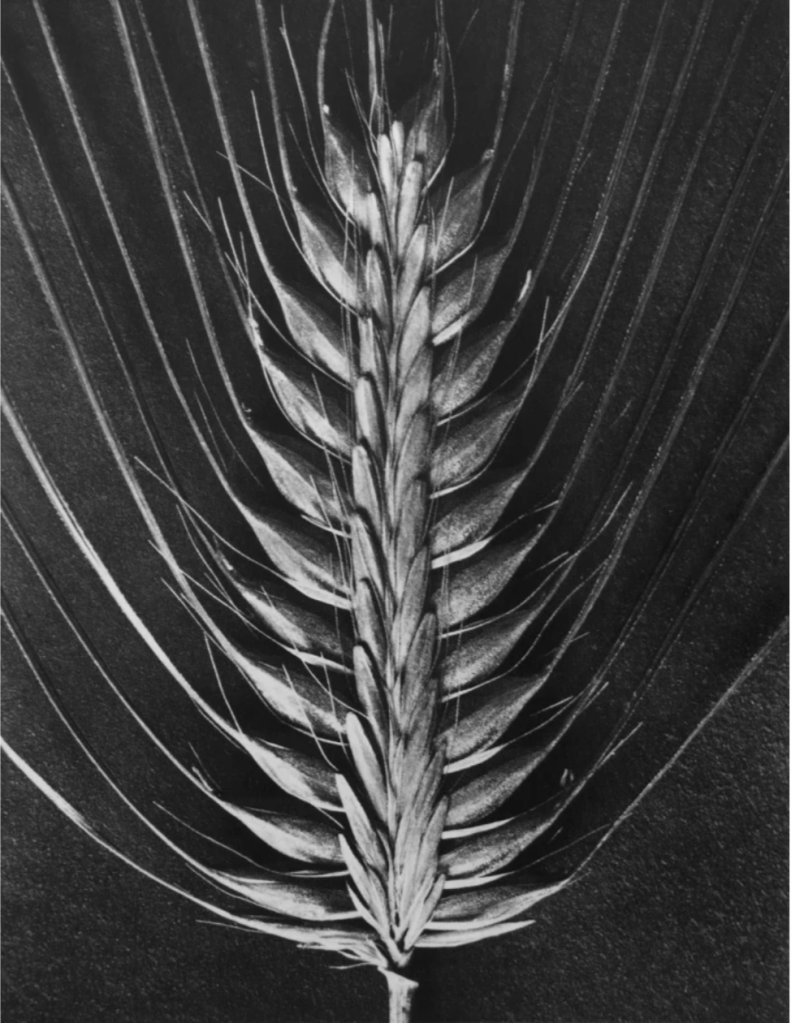
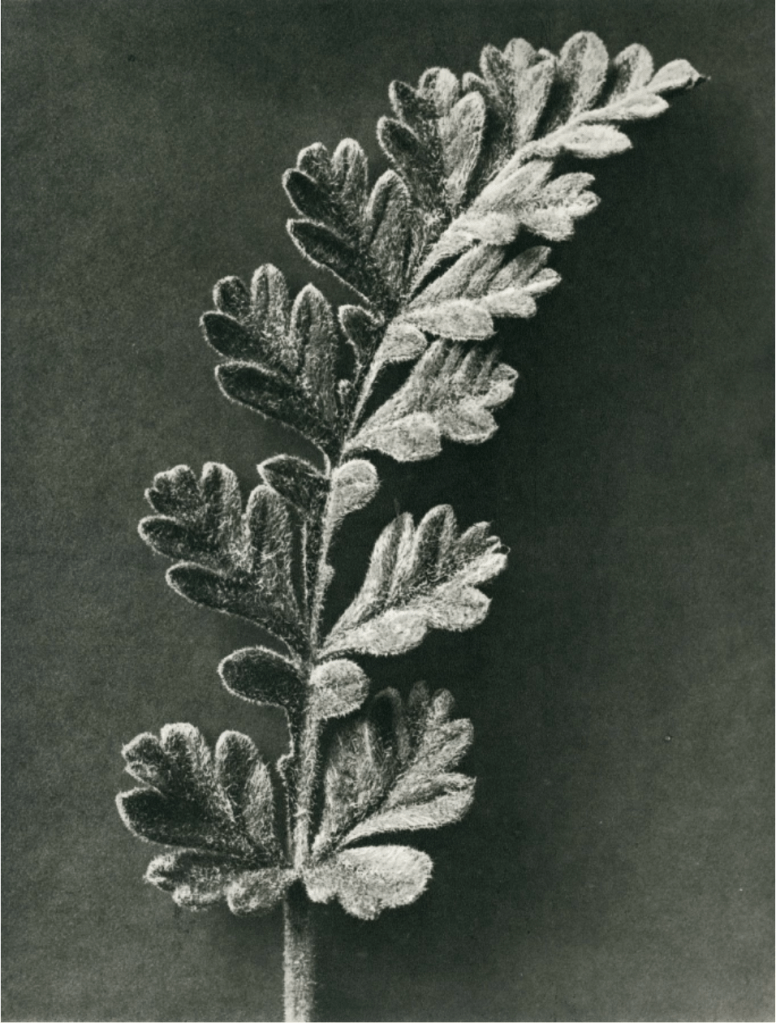
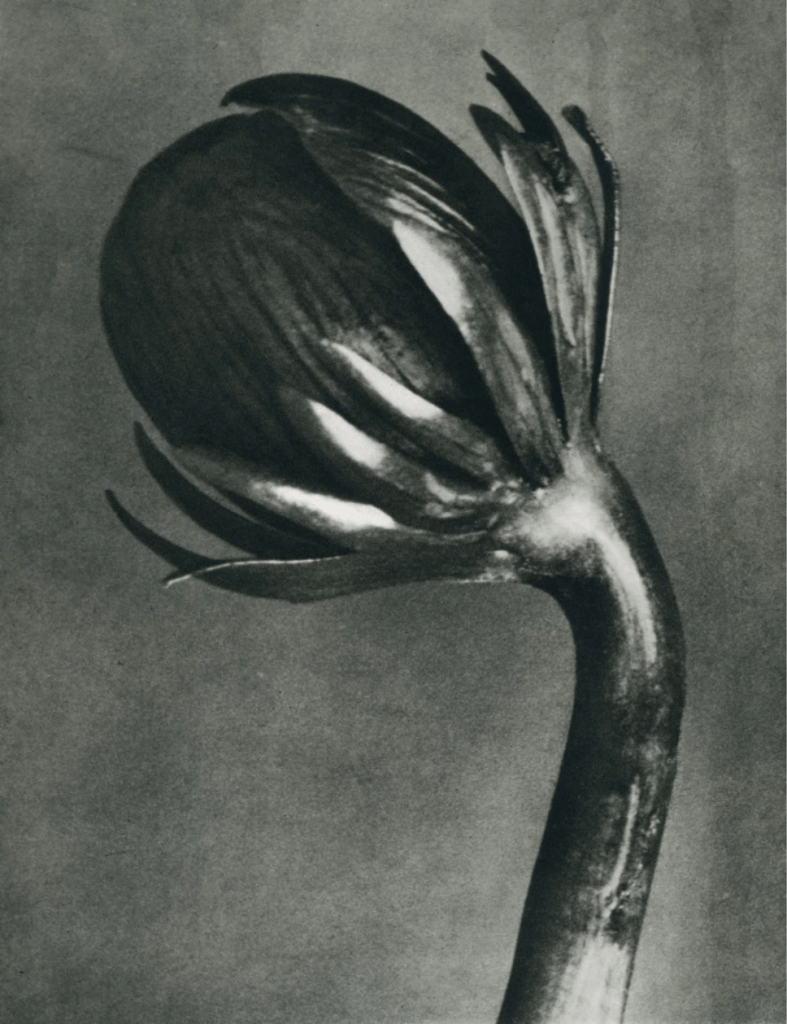
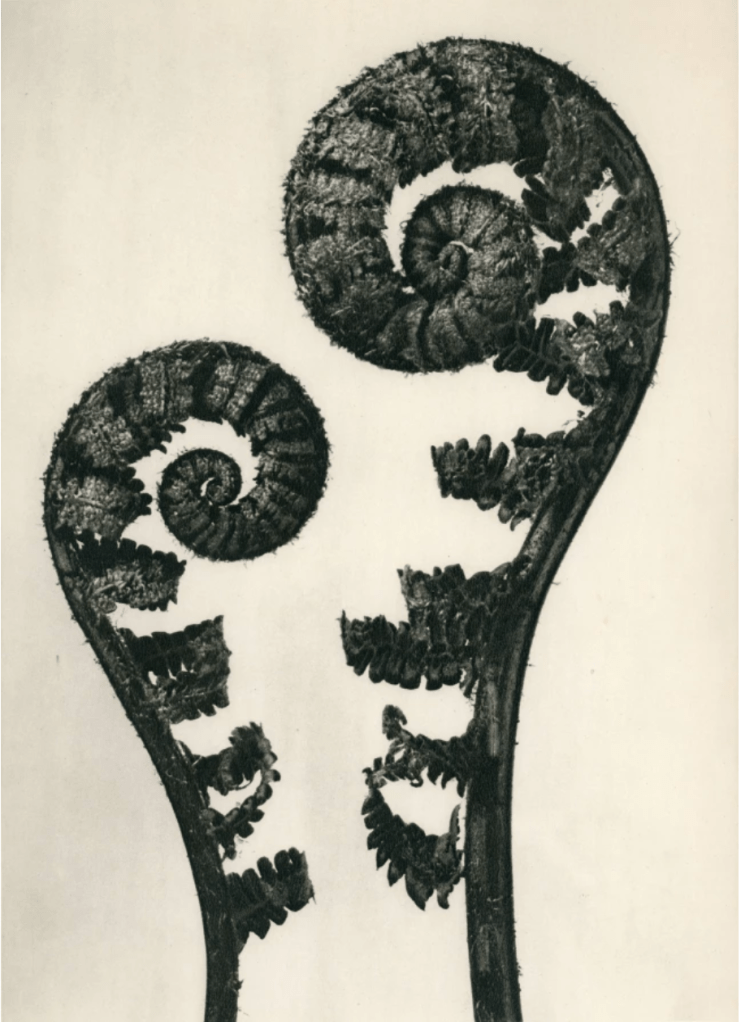
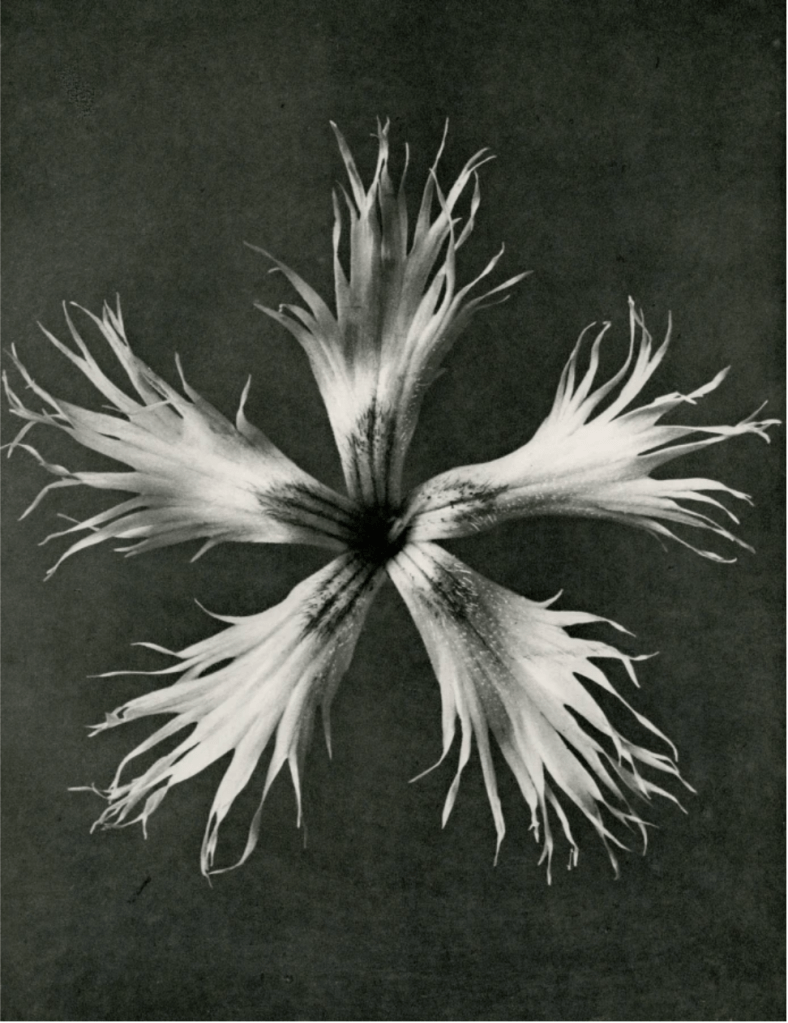
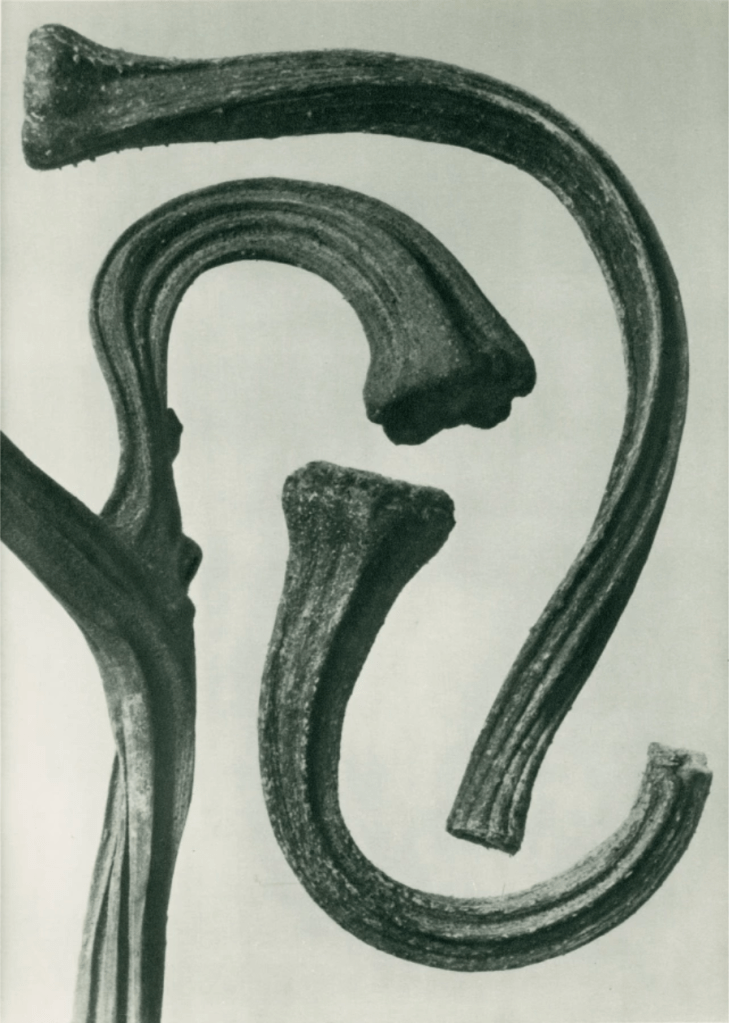
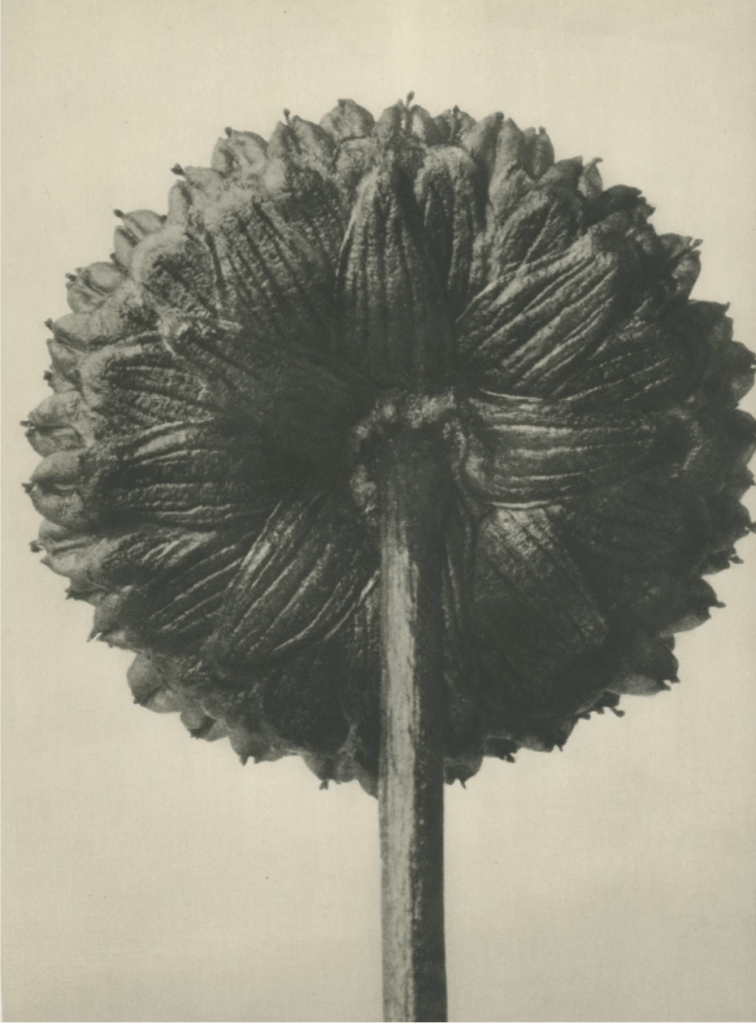
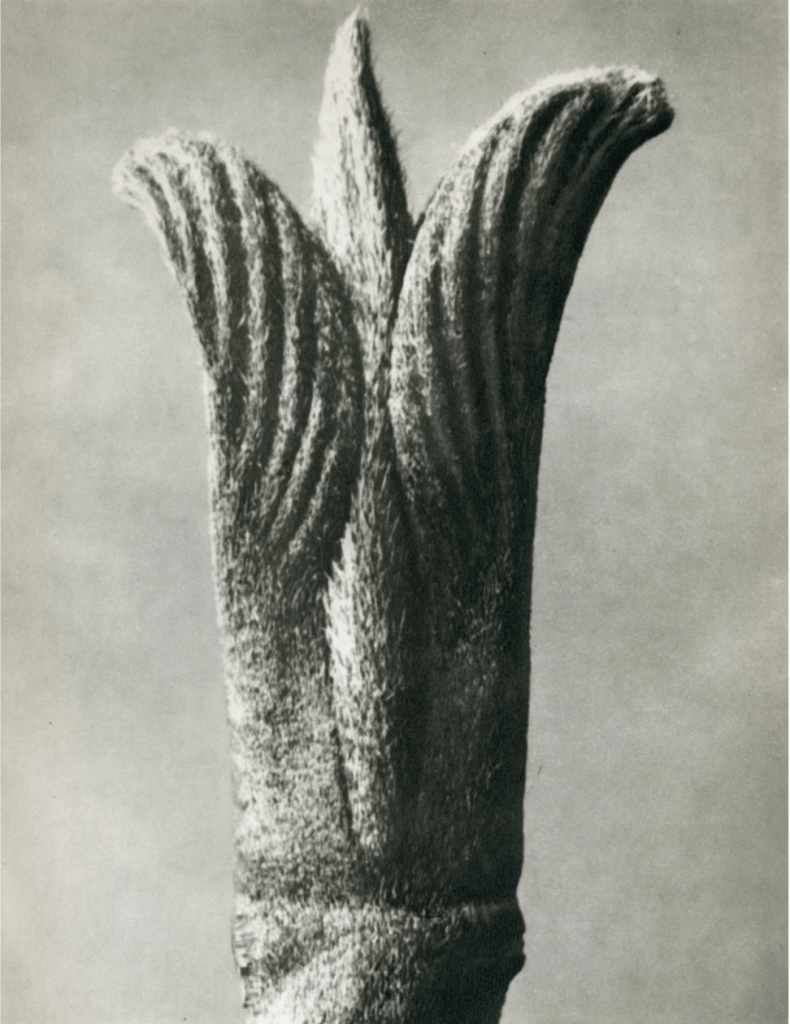
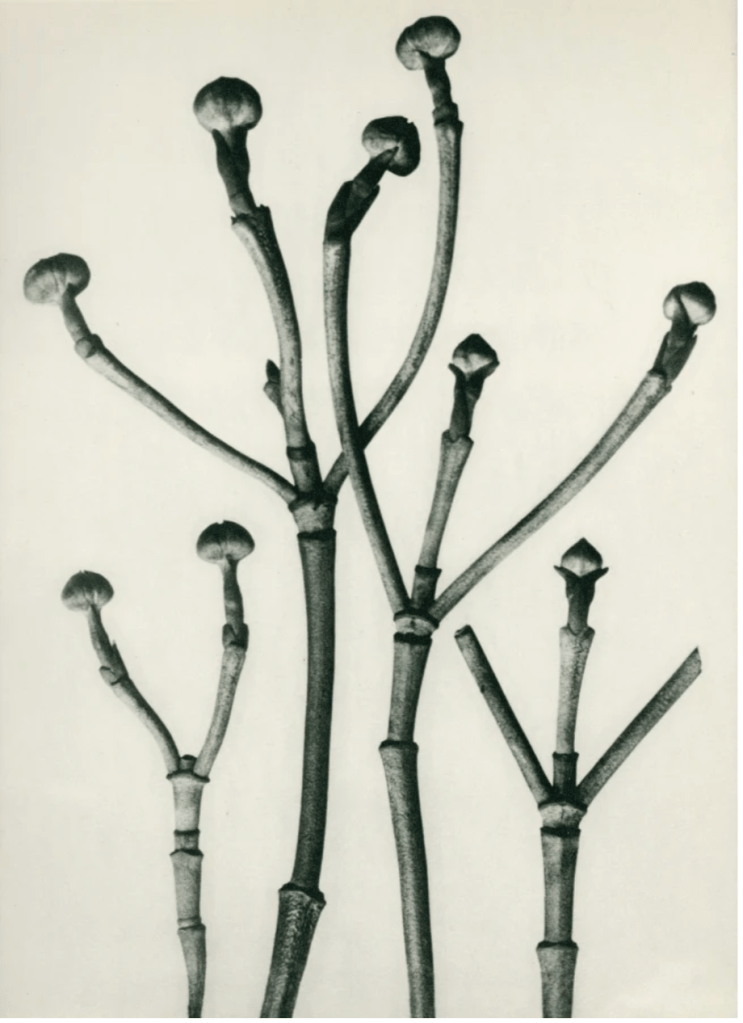
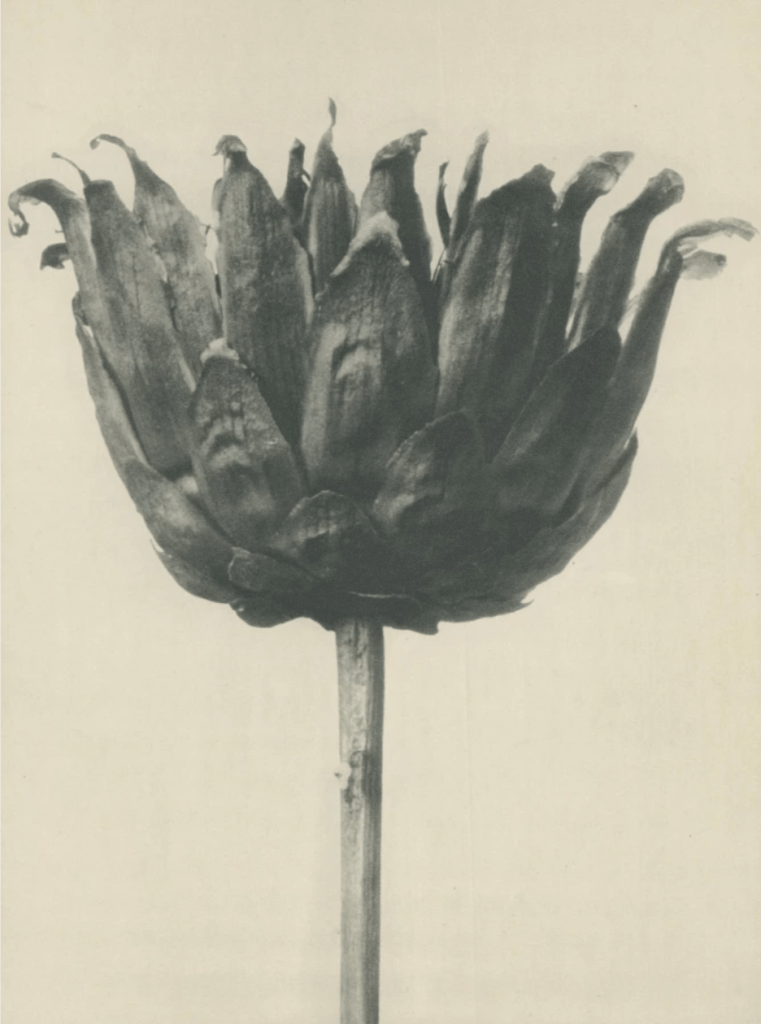
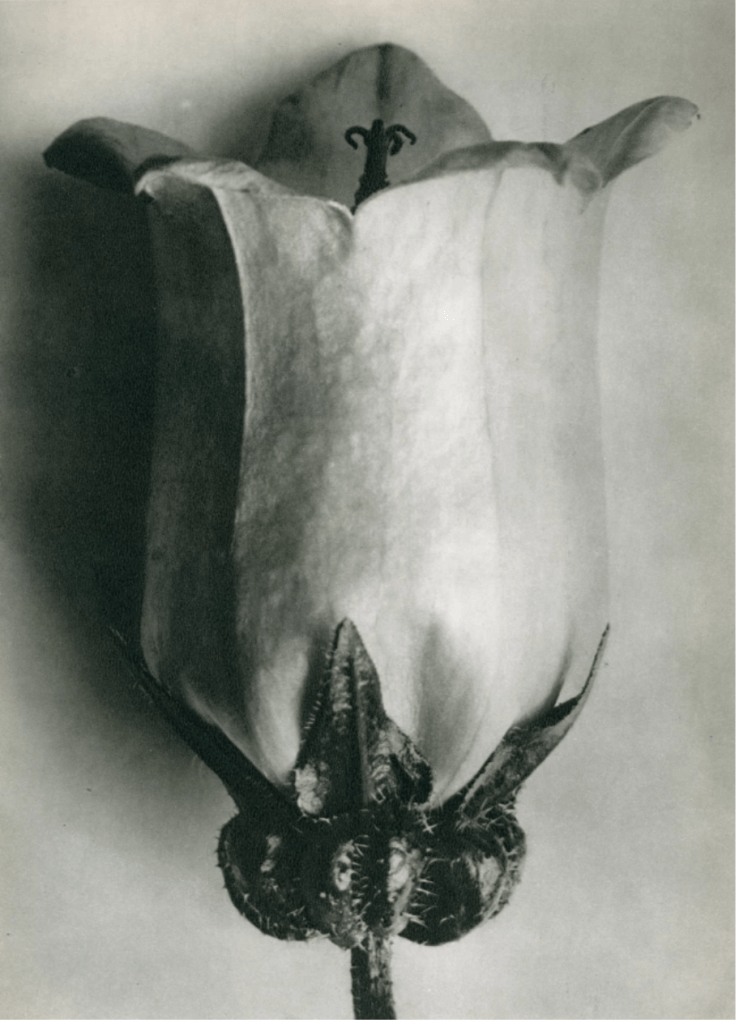
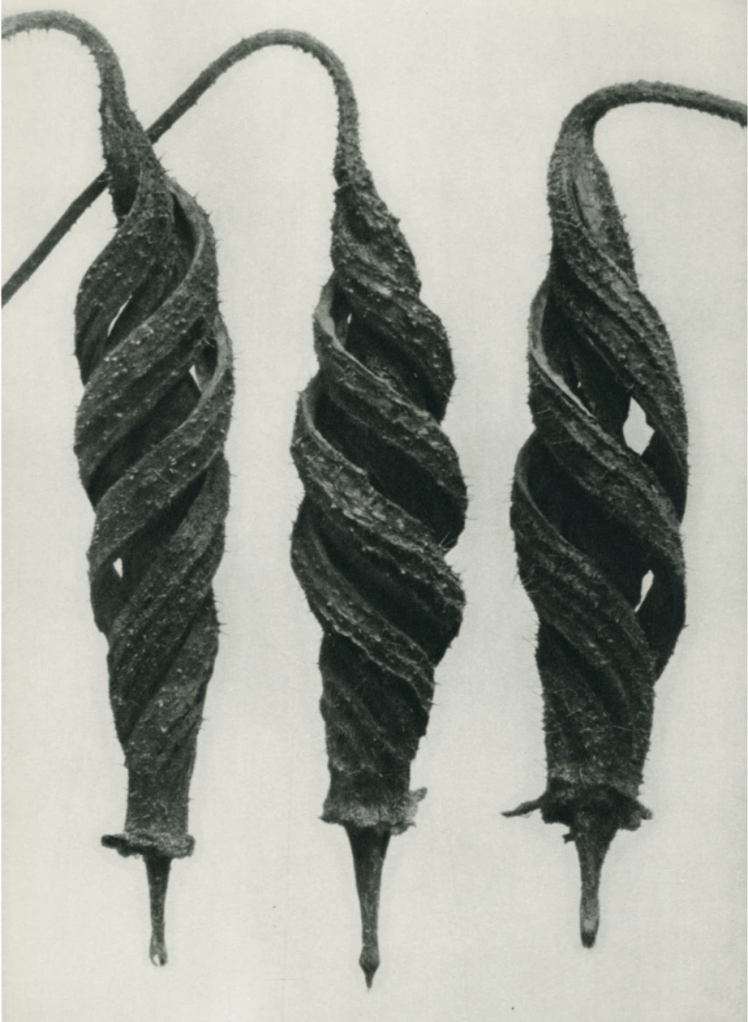
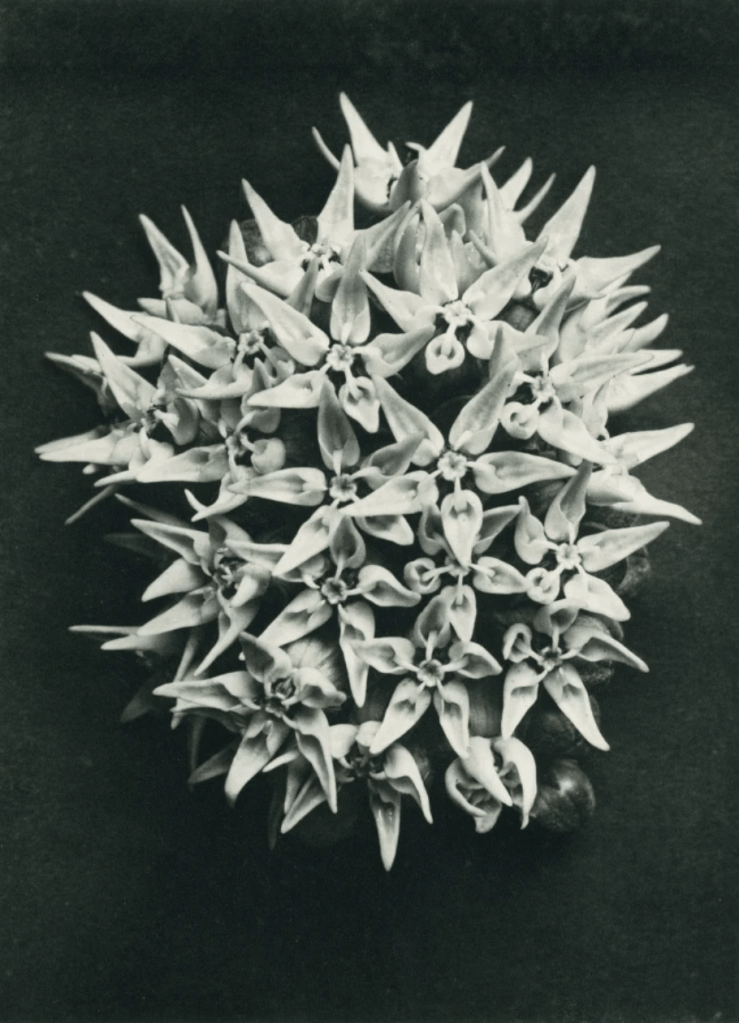
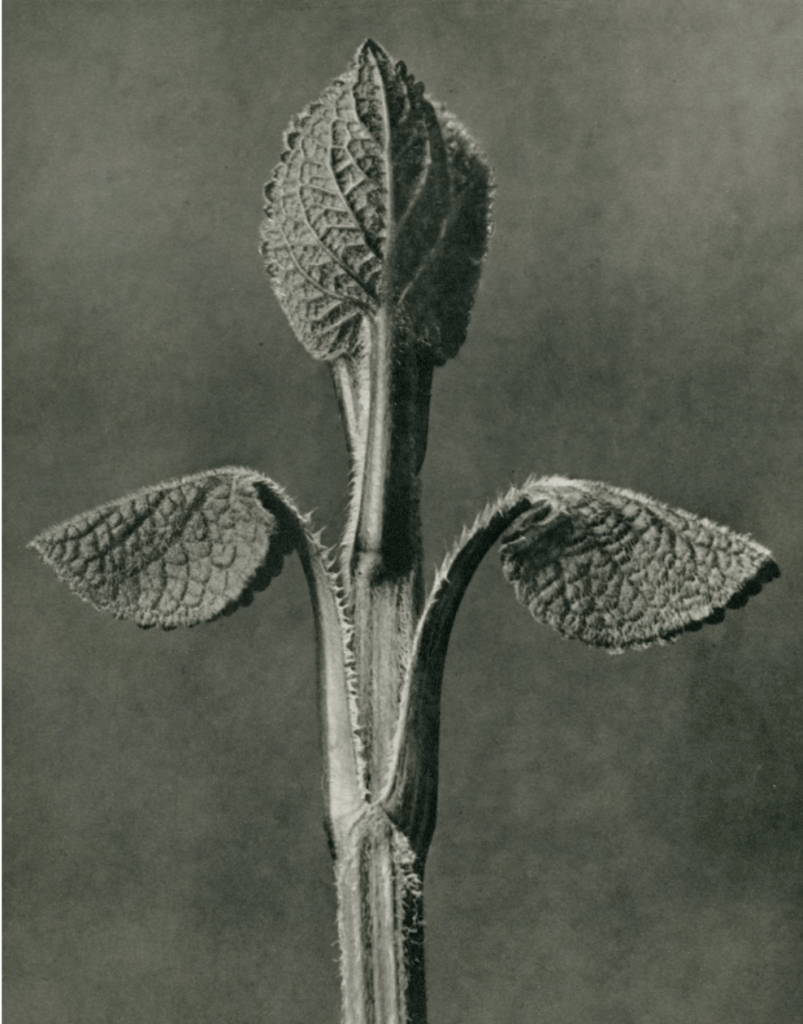
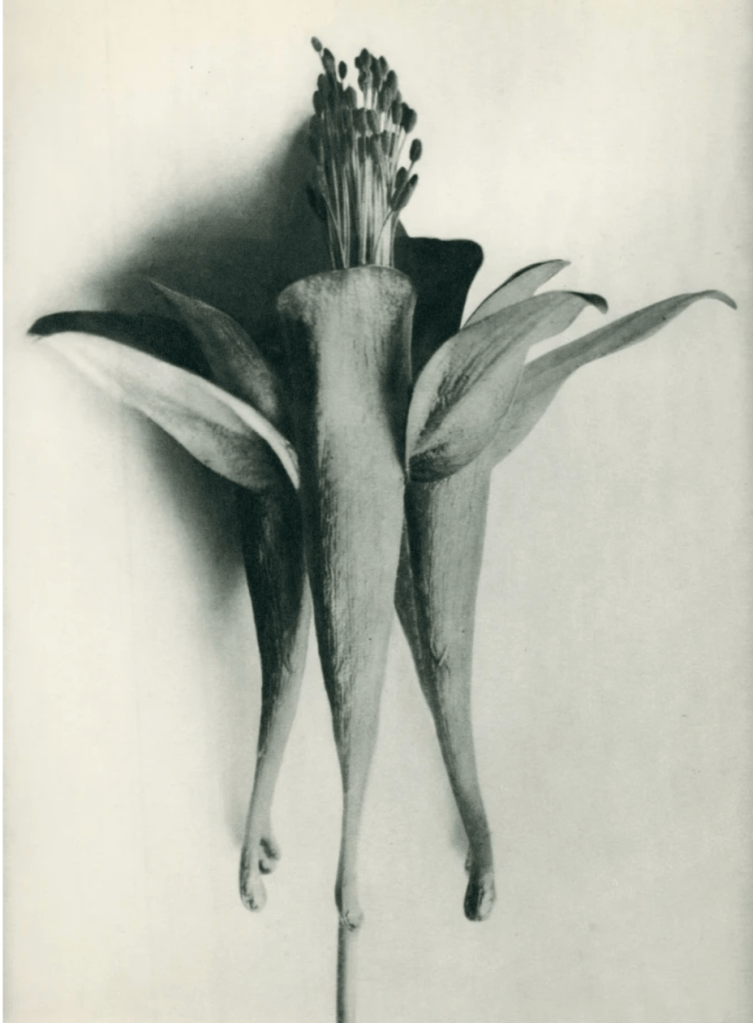
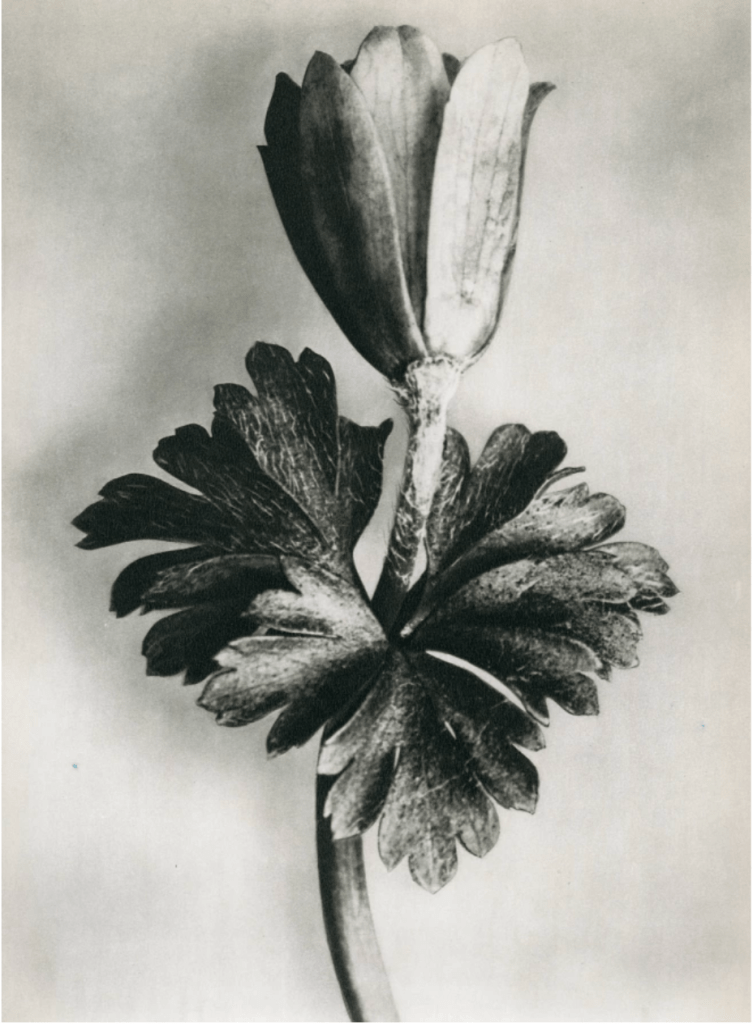
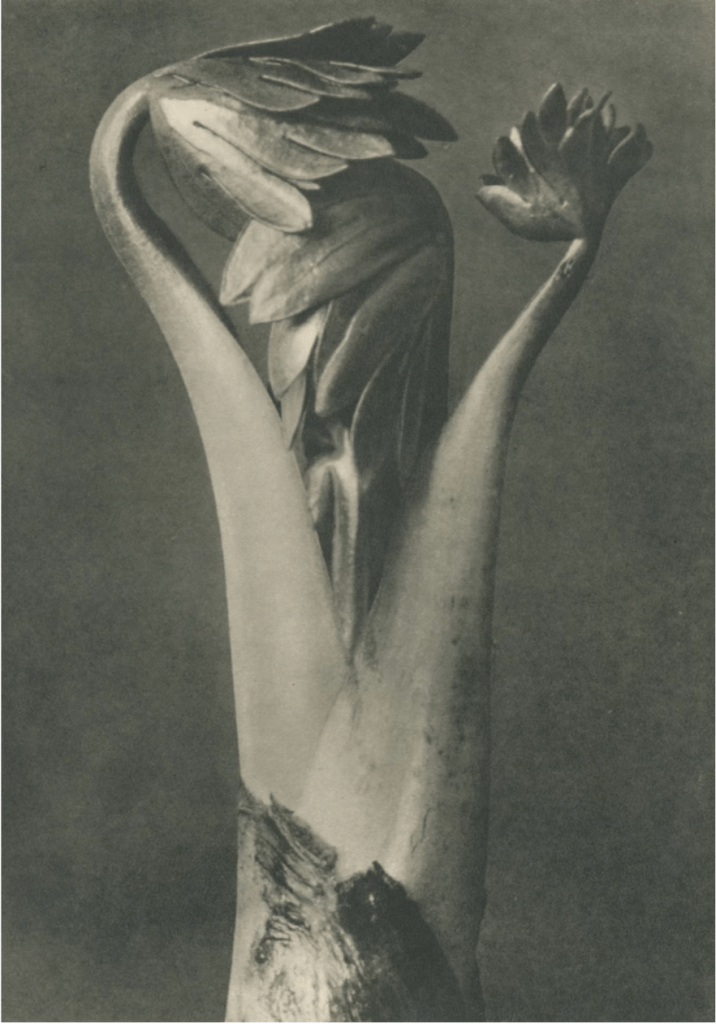
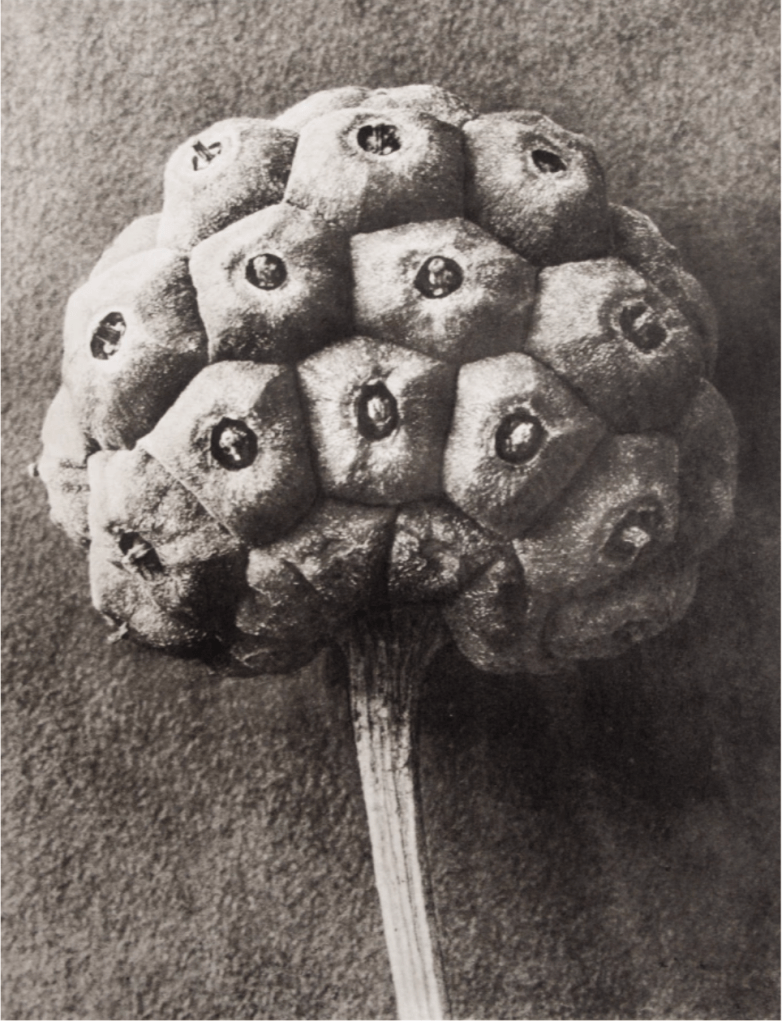
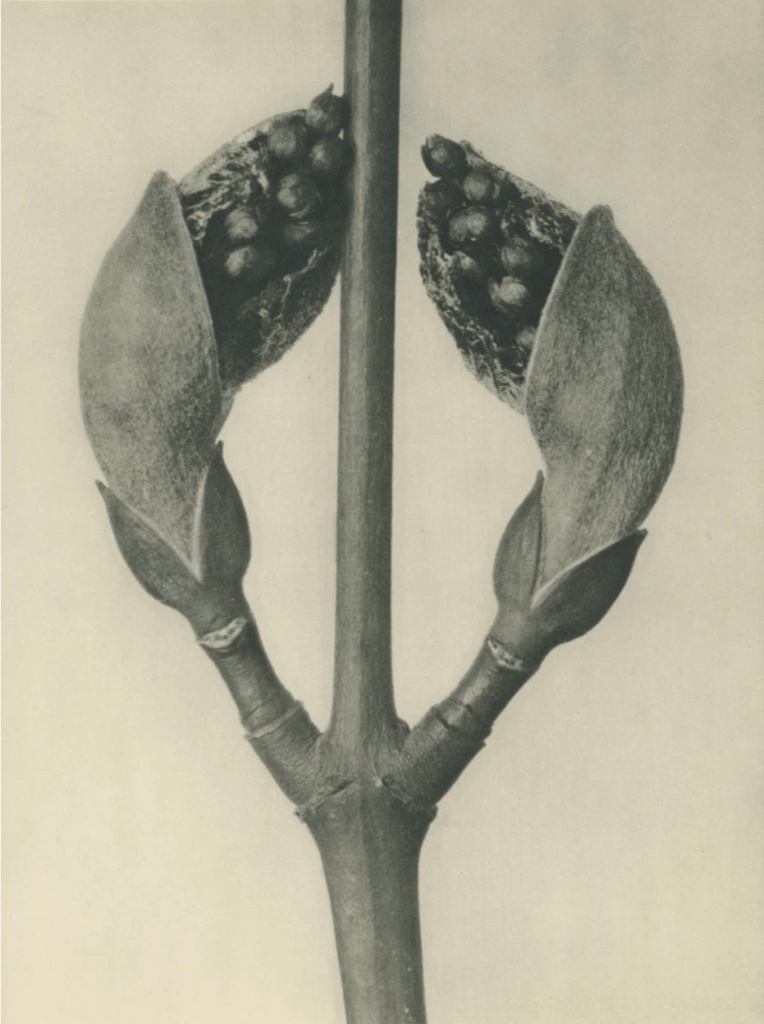
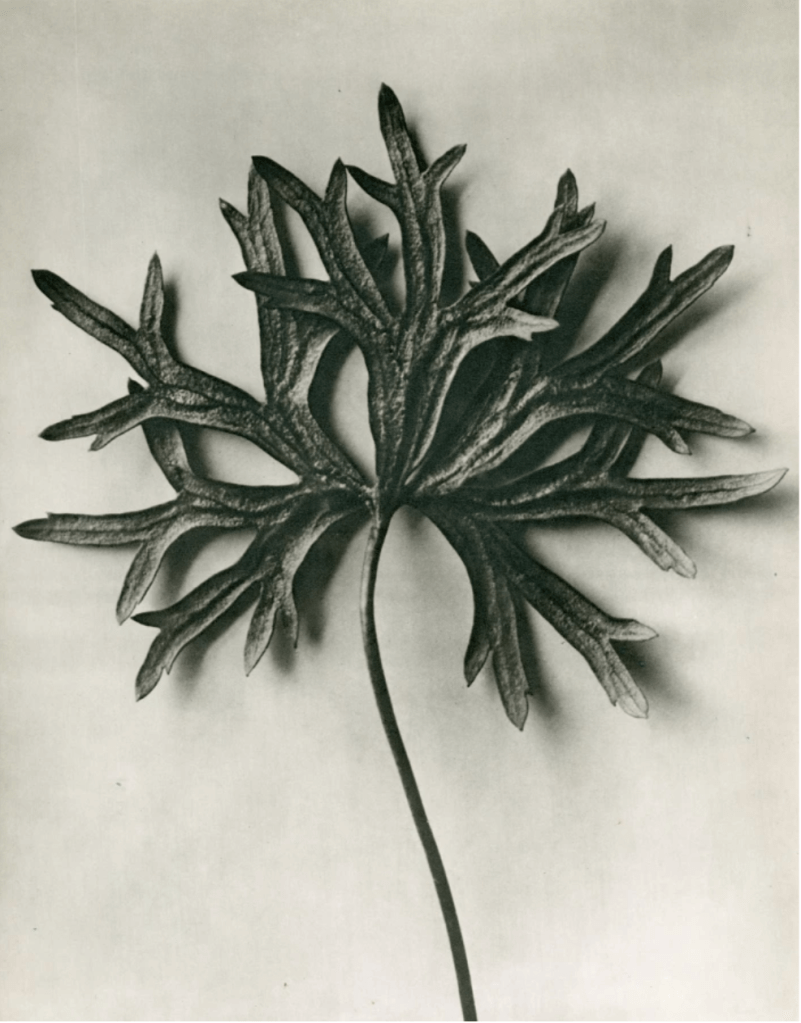
Blossfeldt, K. (2020). Karl Blossfeldt. https://www.michaelhoppengallery.com/artists/58-karl-blossfeldt/overview/#/artworks/10440
 Andrews Masters Journey