Type here about Penn
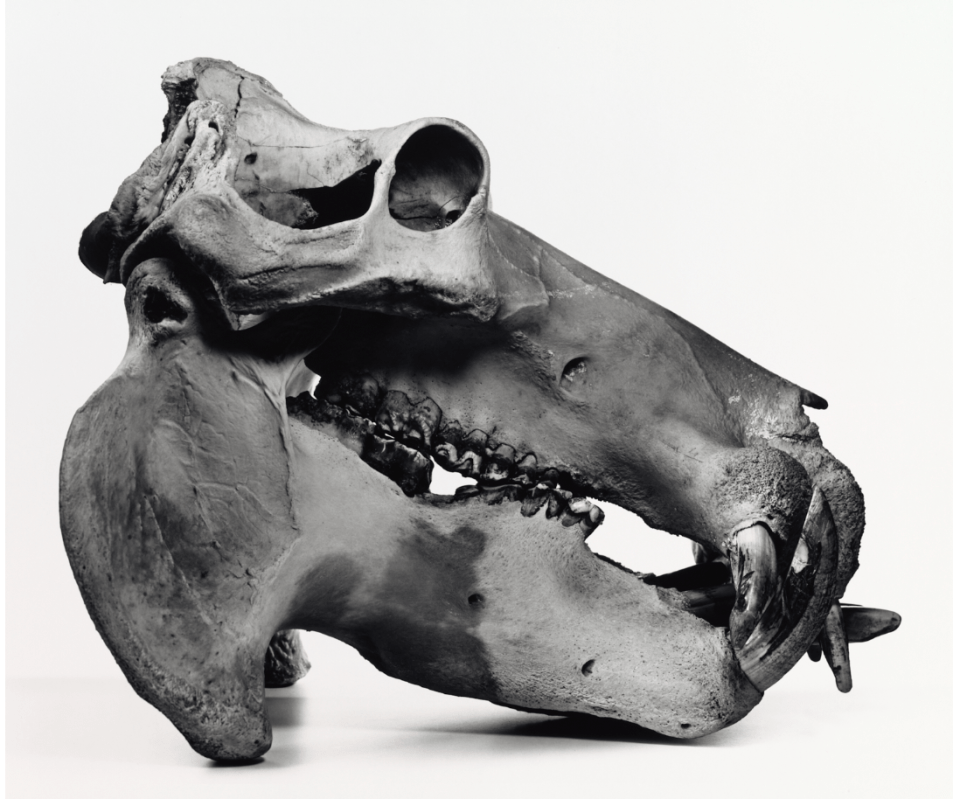
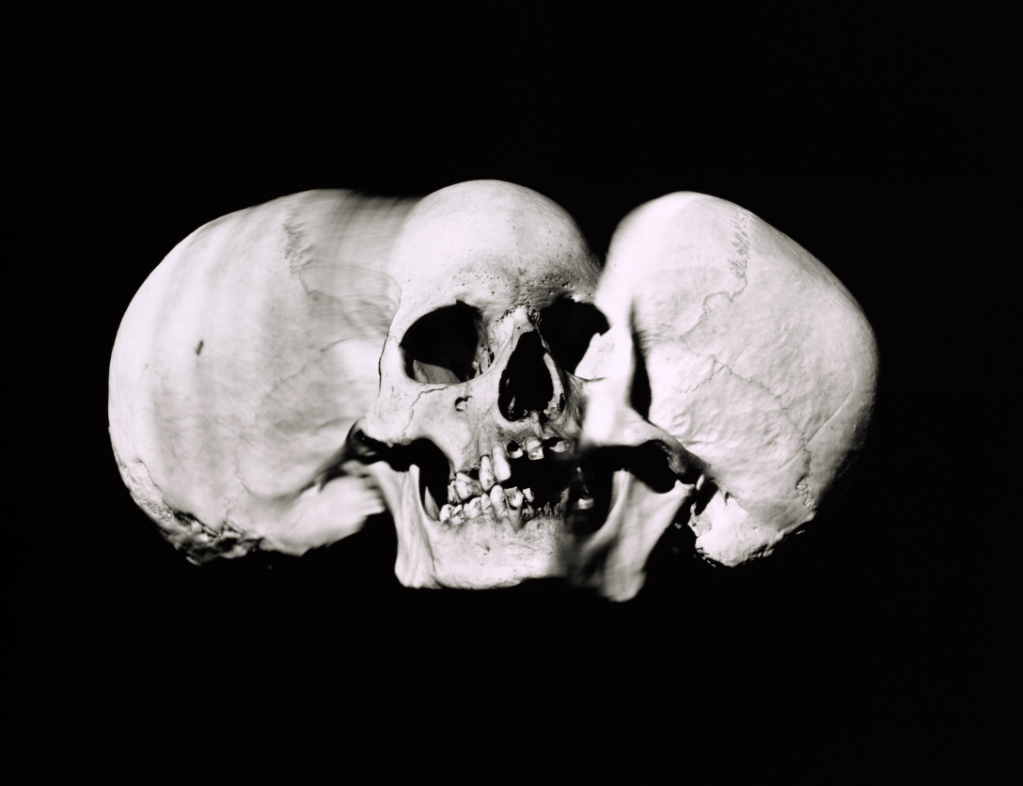
Skulls being symbolic of death and the fragility of life, they make superb photographic subjects. Everyone has an interest in this area of the human form regardless of their background or conditioning. With consistent lighting but differing backdrops, the skulls have a big impact on the viewer. We find ourselves on a level with the subject and reading the detail of the image.
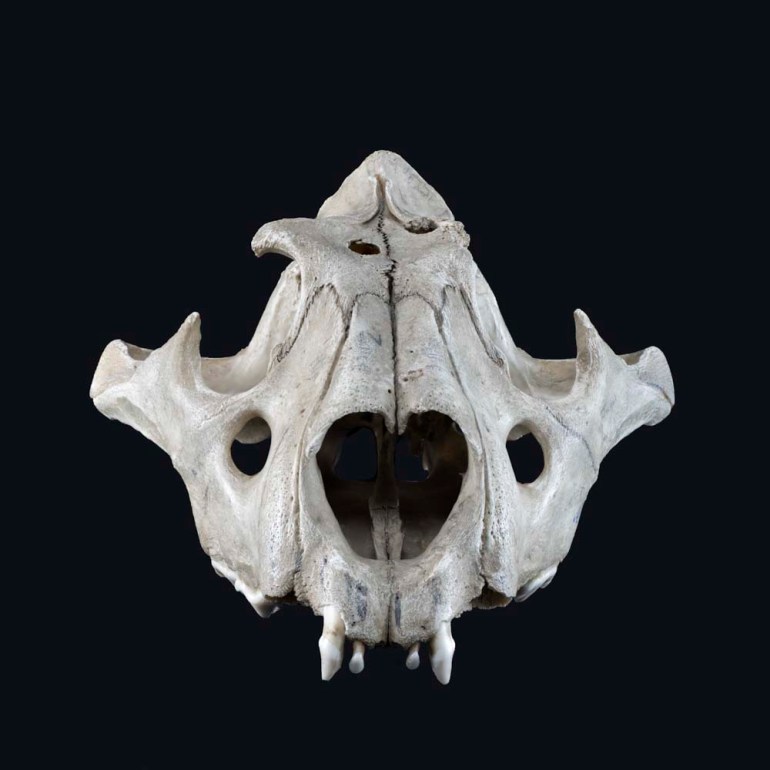
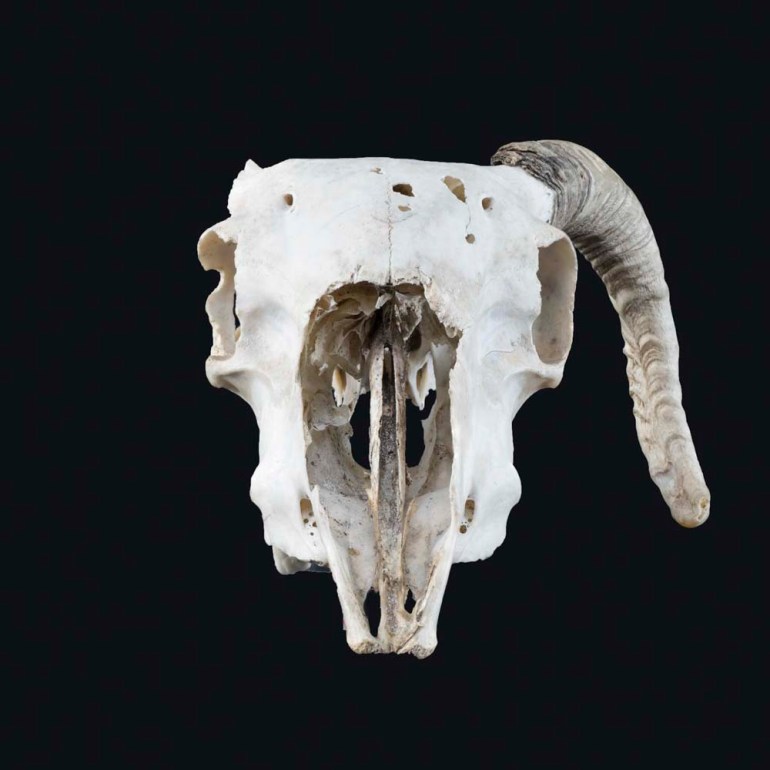
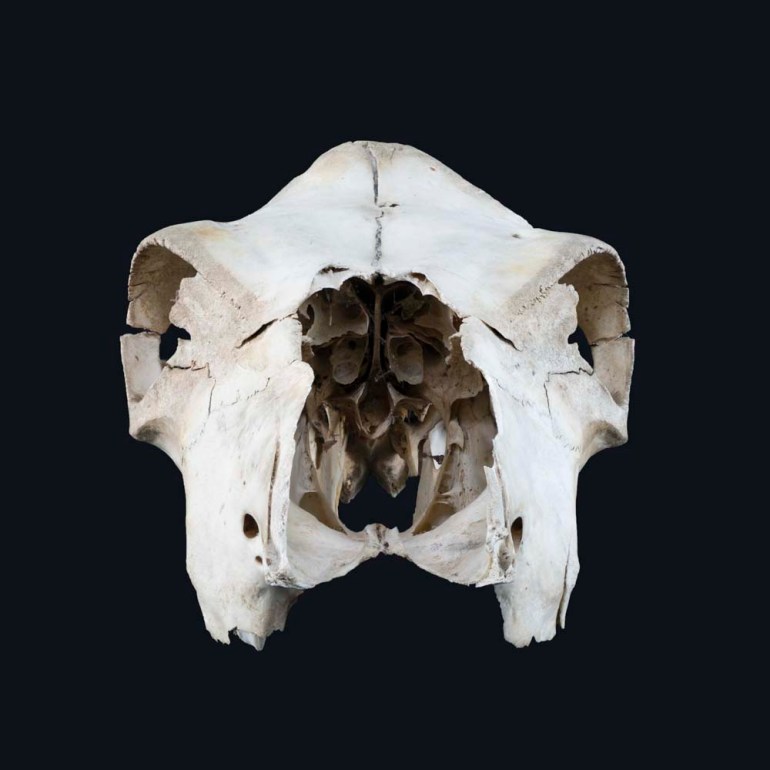
These images, particularly the deformed human skull on a black background remind me greatly of some of my pre-existing experiments. These experiments involved the use of focus stacking to achieve a ‘hyper deep depth of field’ and utilising high key studio lighting on a black background. Examples of these are shown above. Originally created as part of a collaboration with another photography, the images sit as a triptych but I would always be open to the idea of expanding that set.
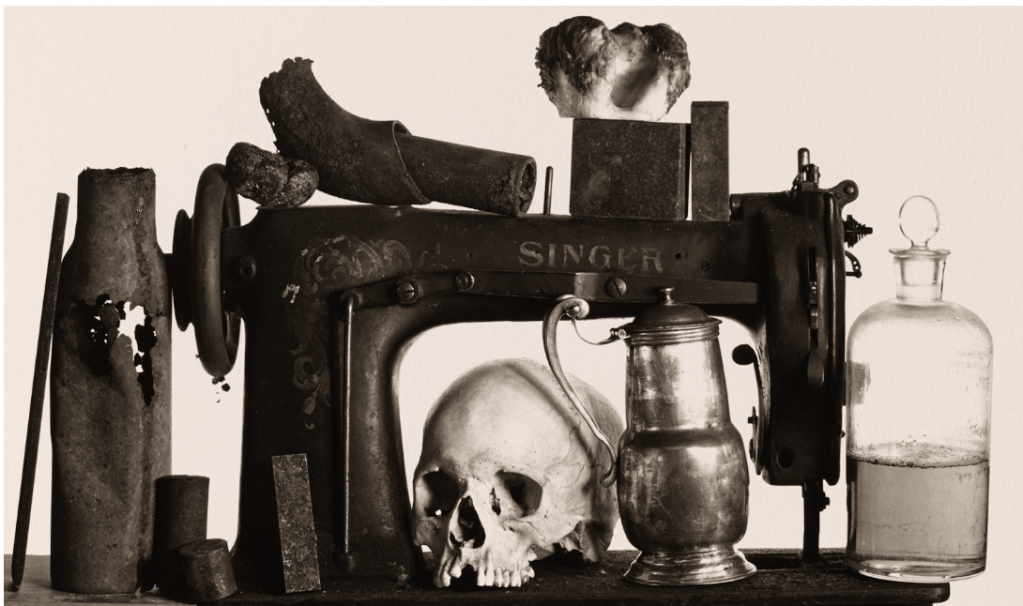
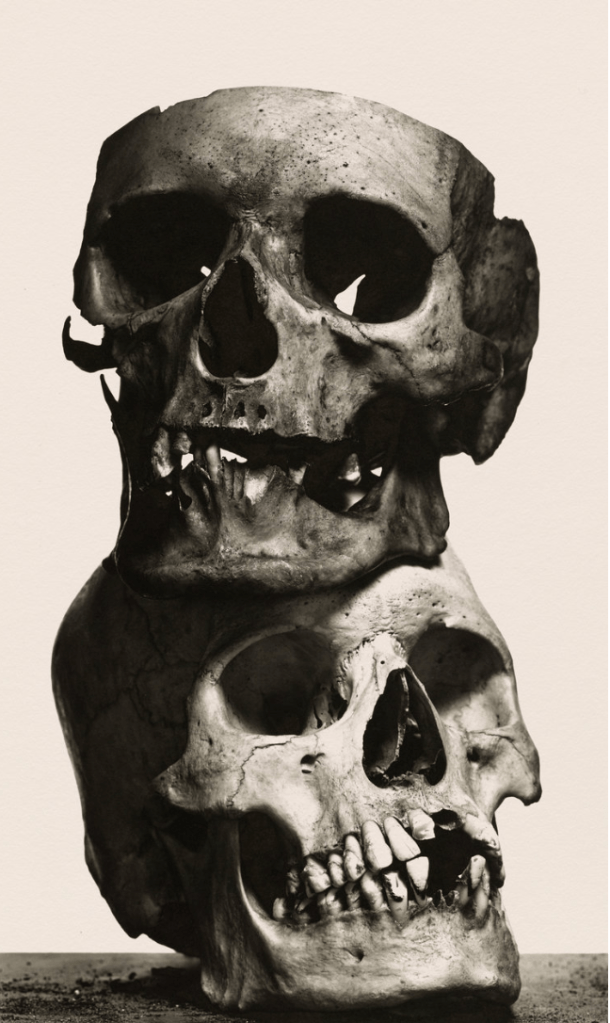
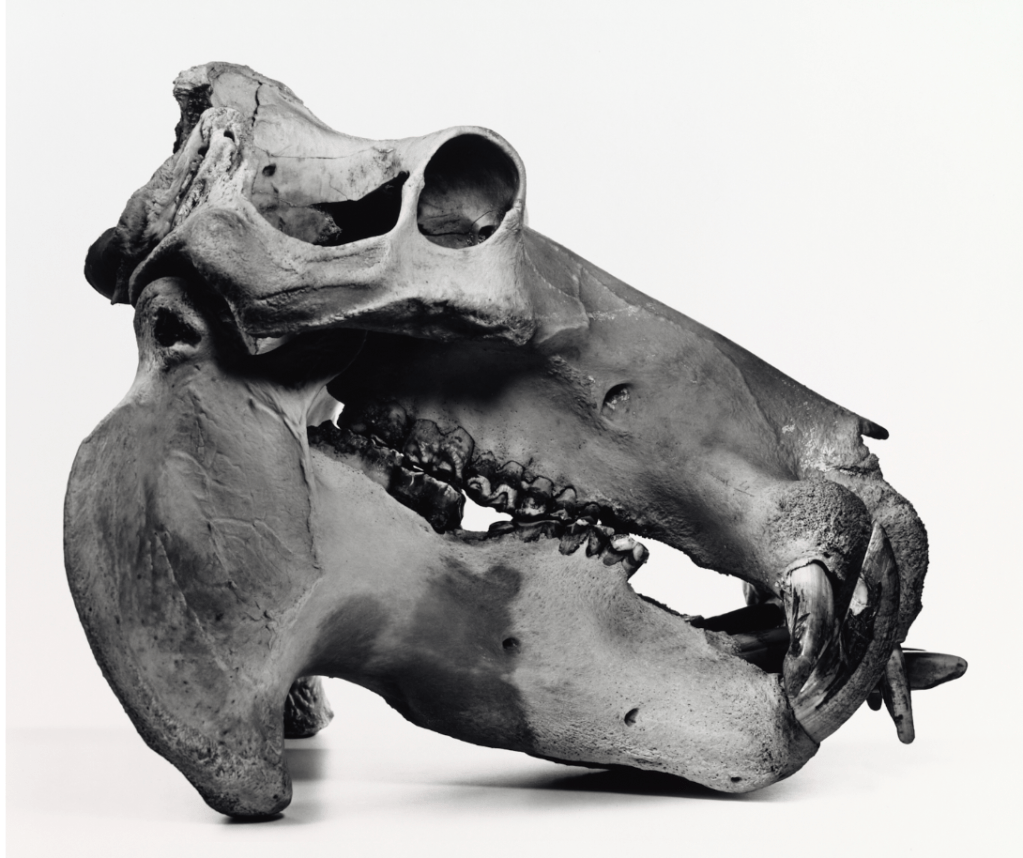
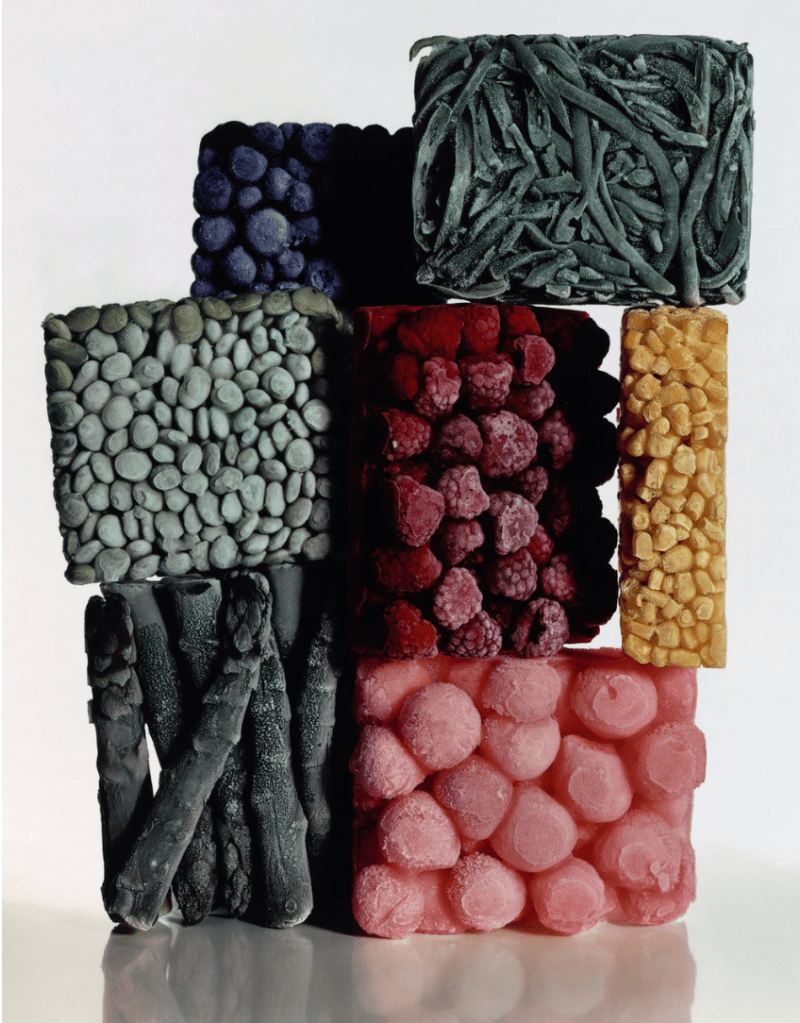
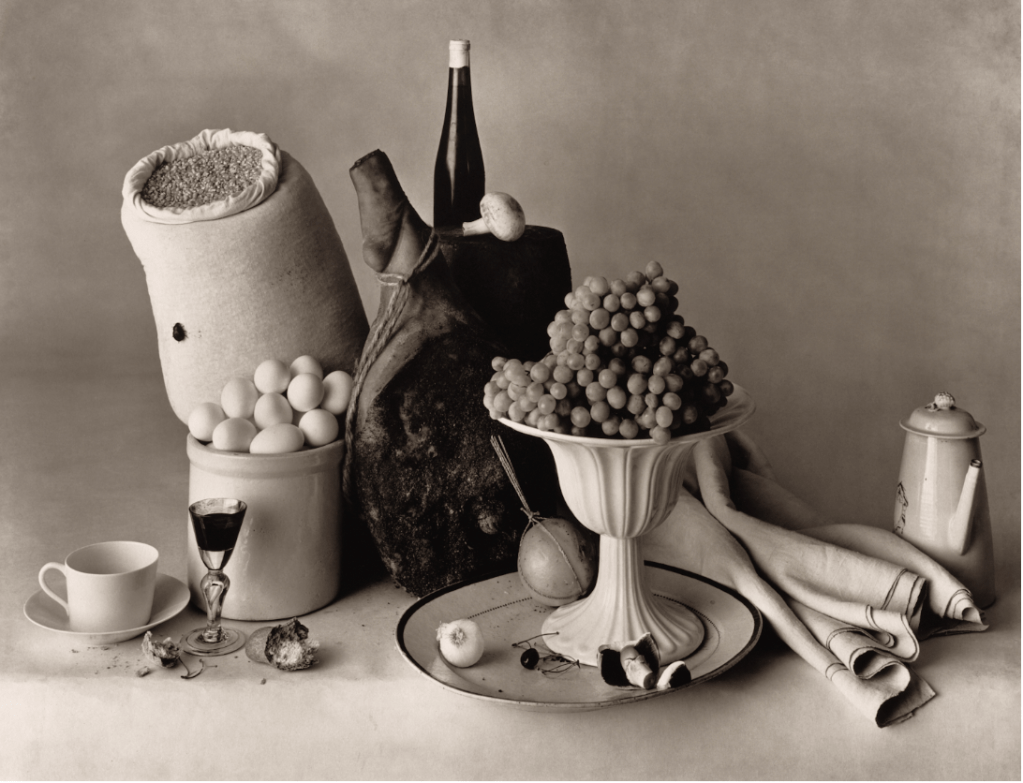
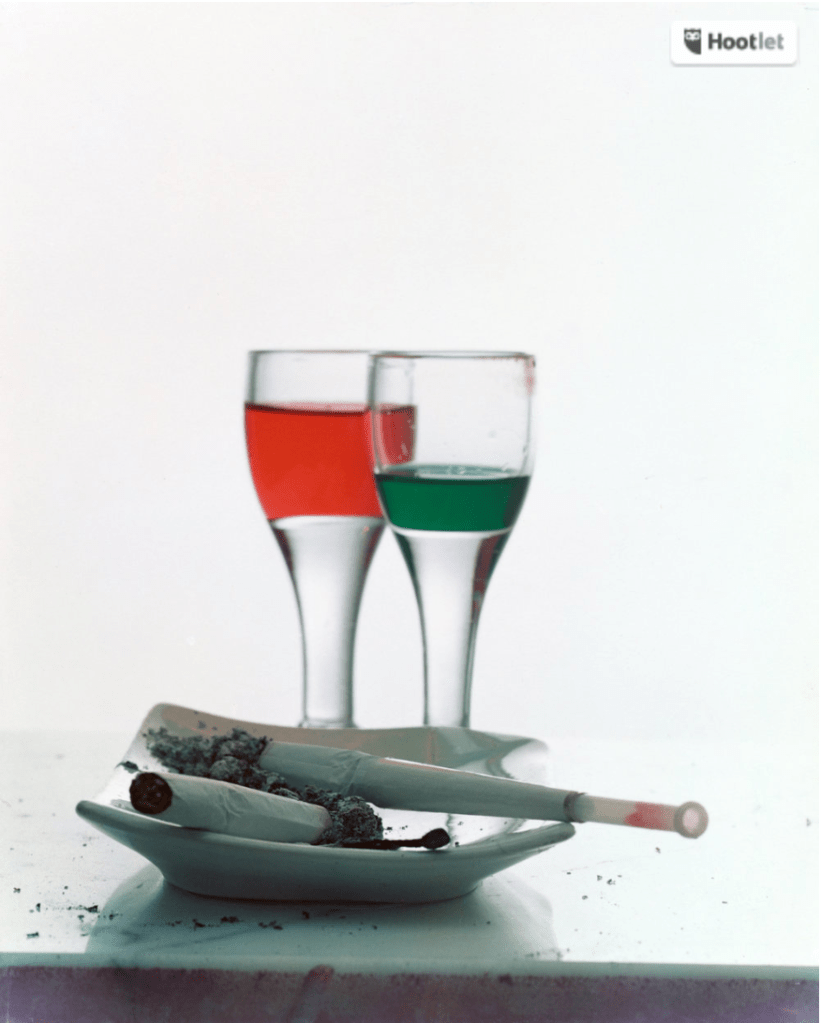
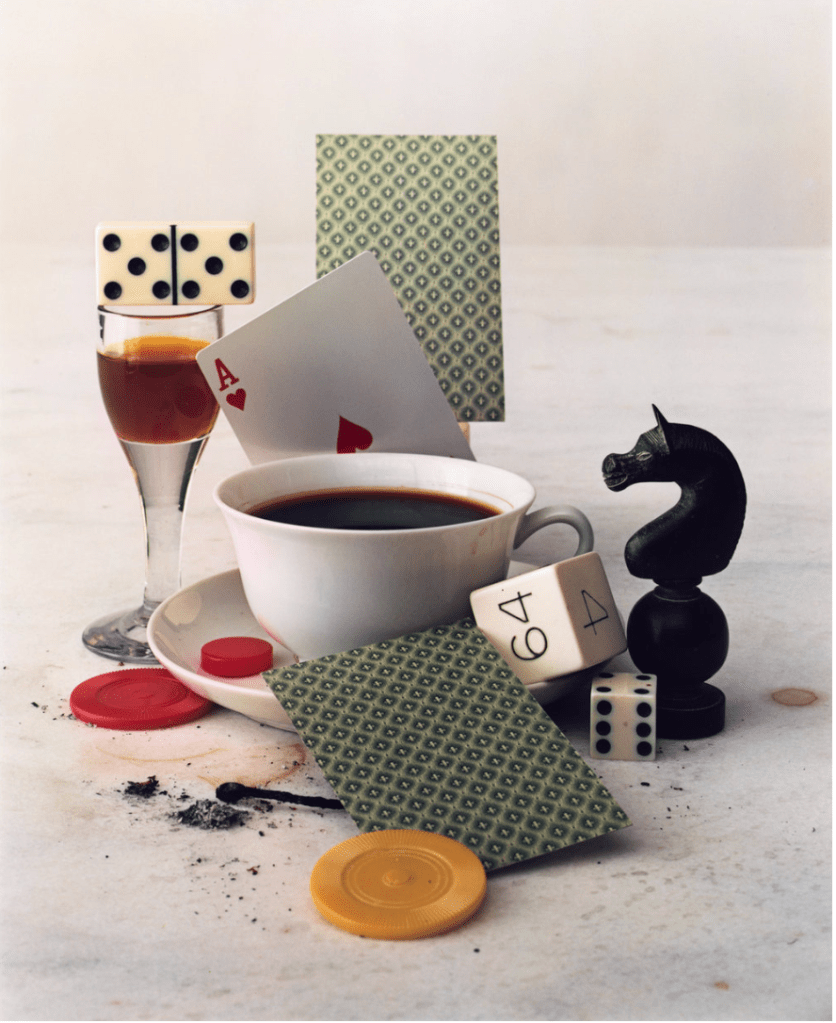
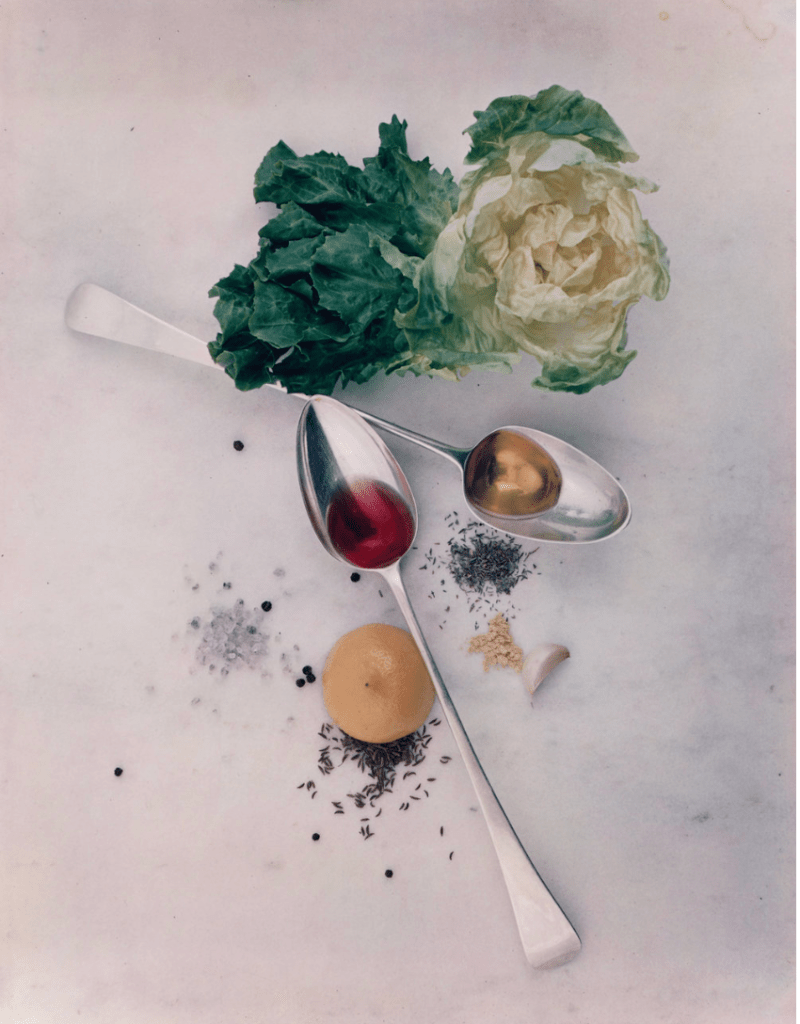
Varying contents within still life scenarios, these arrangements have certain hints from different levels of symbology as well as making their own statements in their own right. The second frame in the gallery below is particularly interesting. With the subject frozen in ice we find ourselves able to read the use of time within the frame. Photography has the unique characteristic of capturing whatever was in front of the camera at that moment. That is certain. With these objects, being suspended in ice they are literally frozen in time as well as having their time suspended by the cameras shutter.
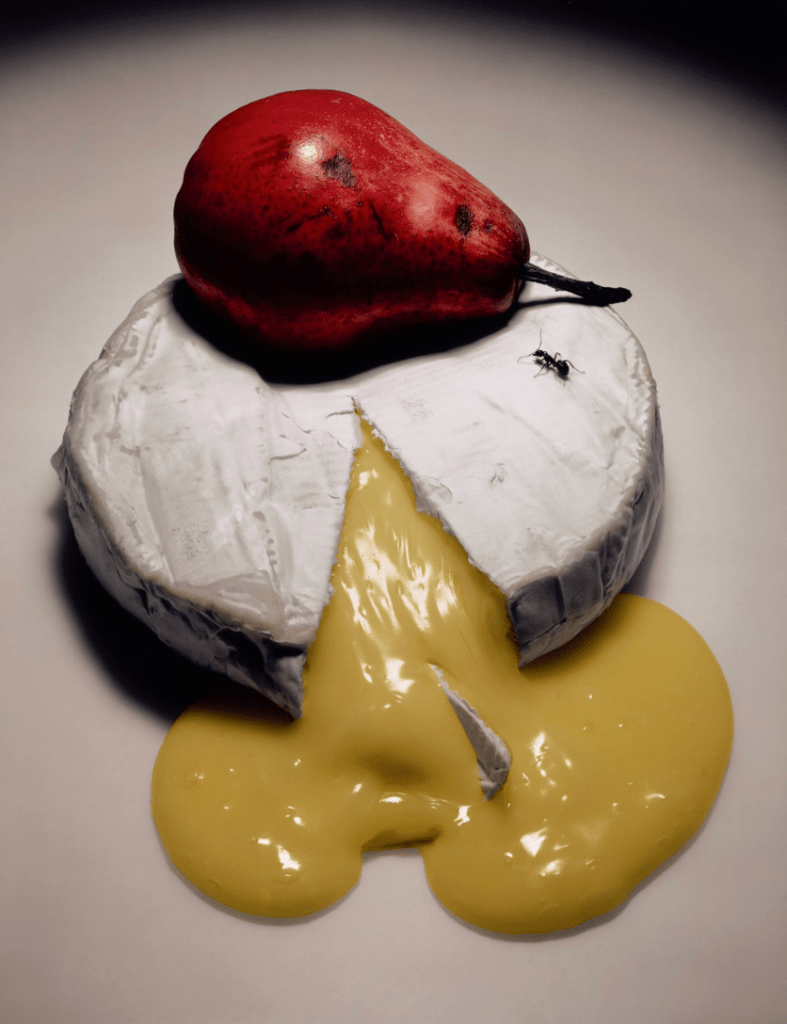
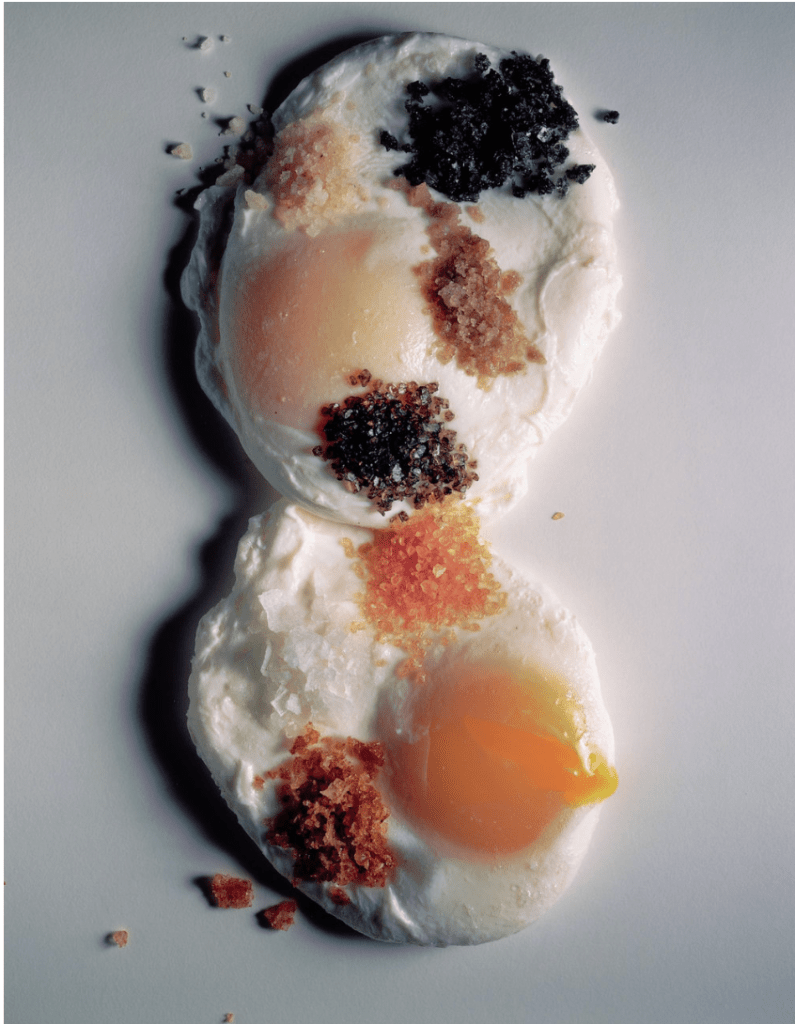
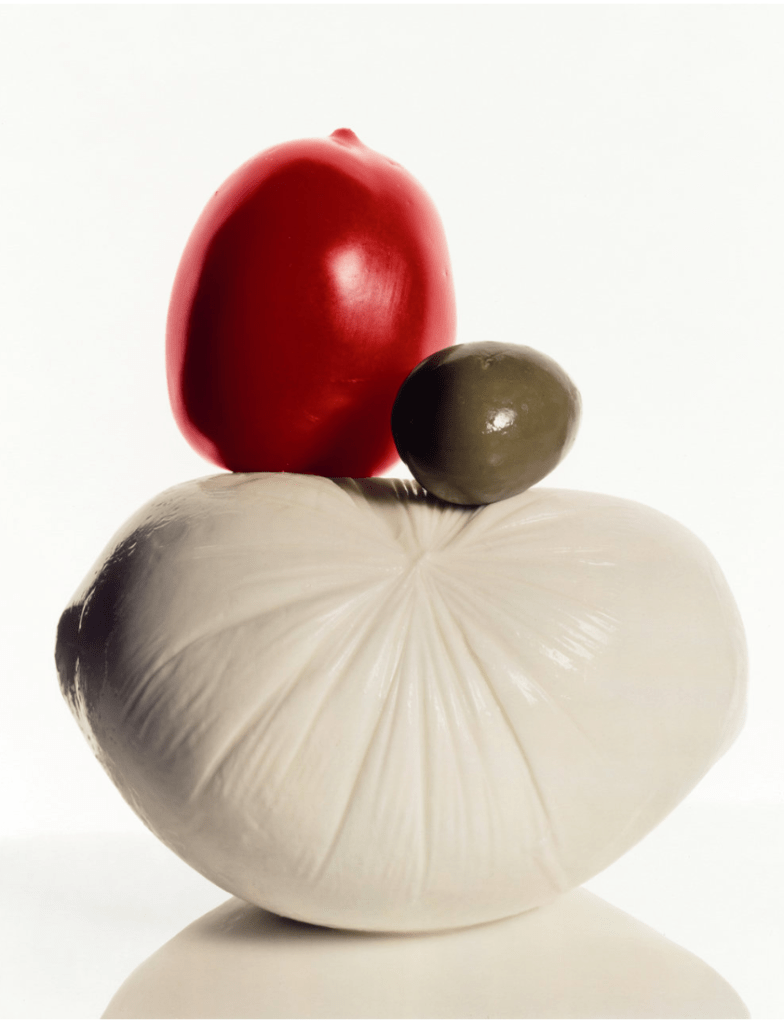

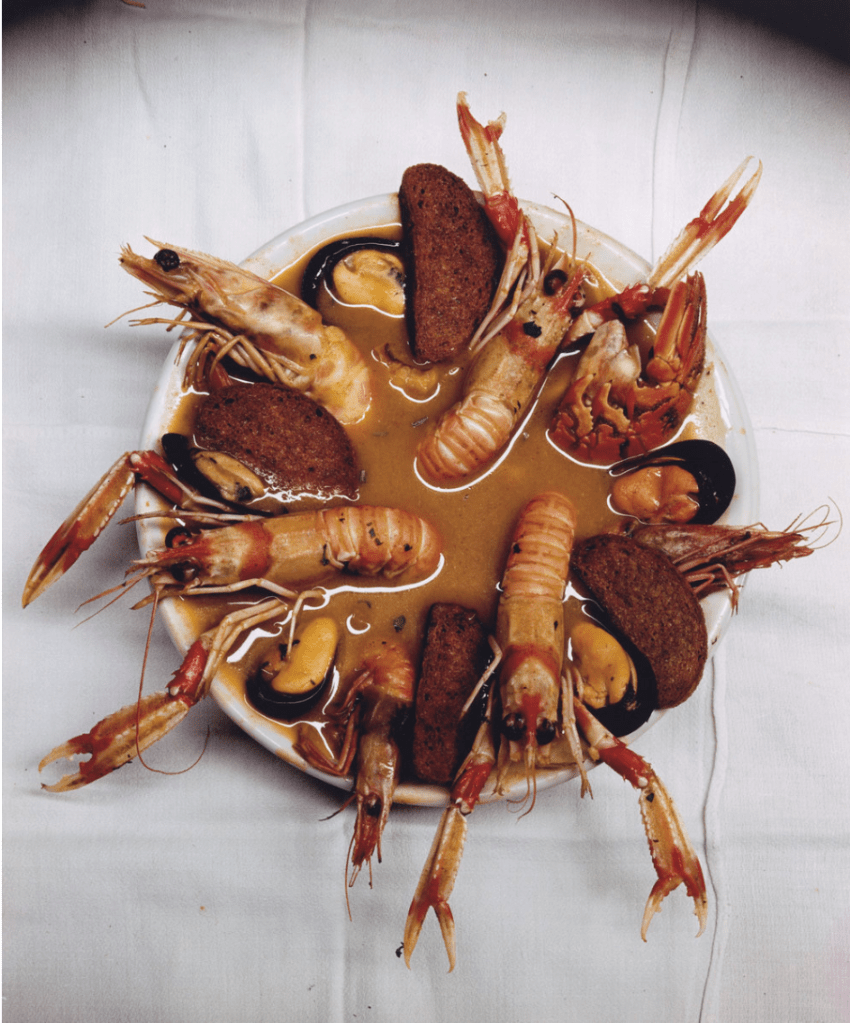
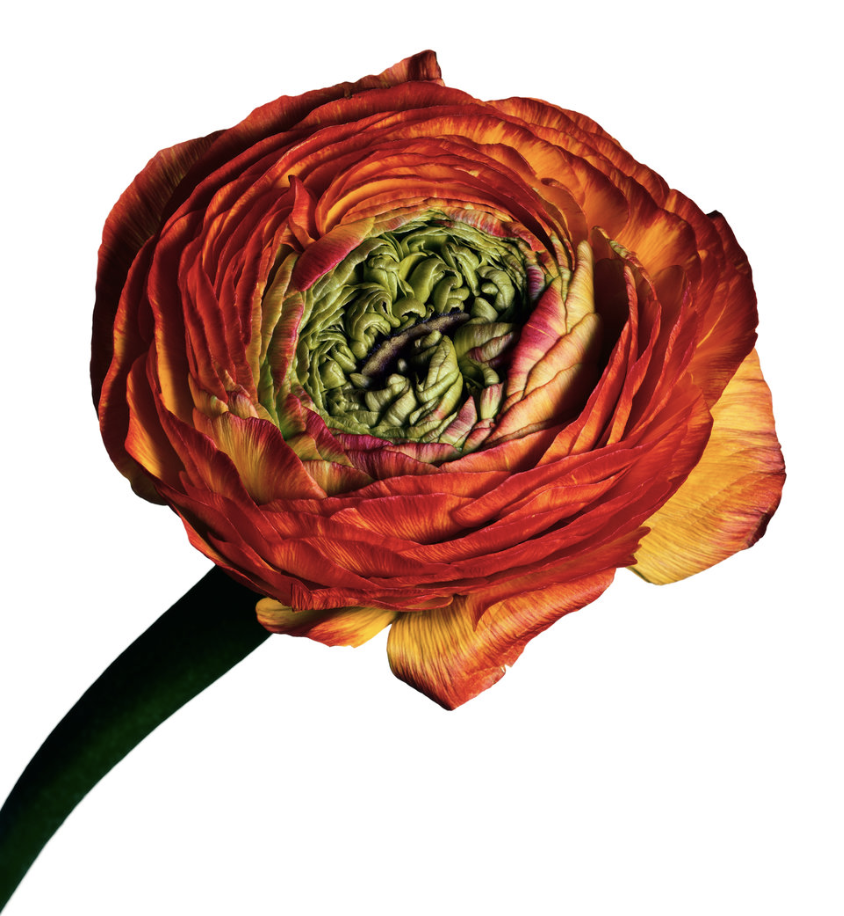
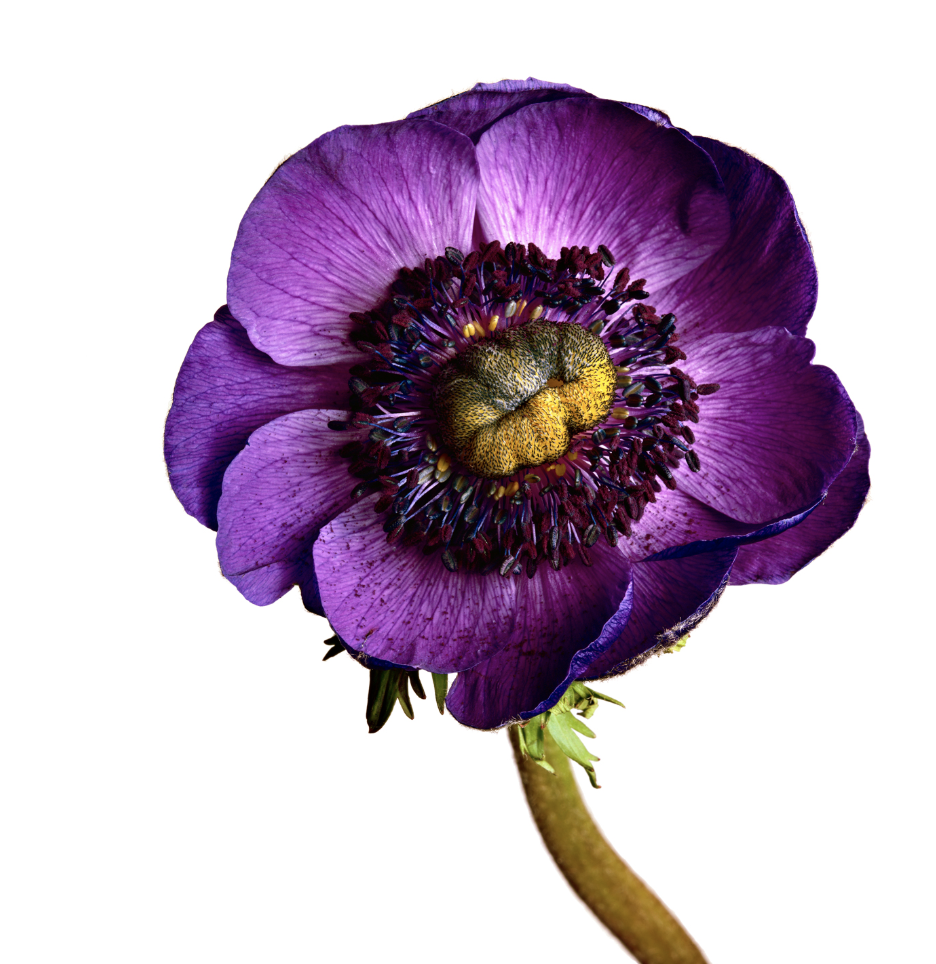
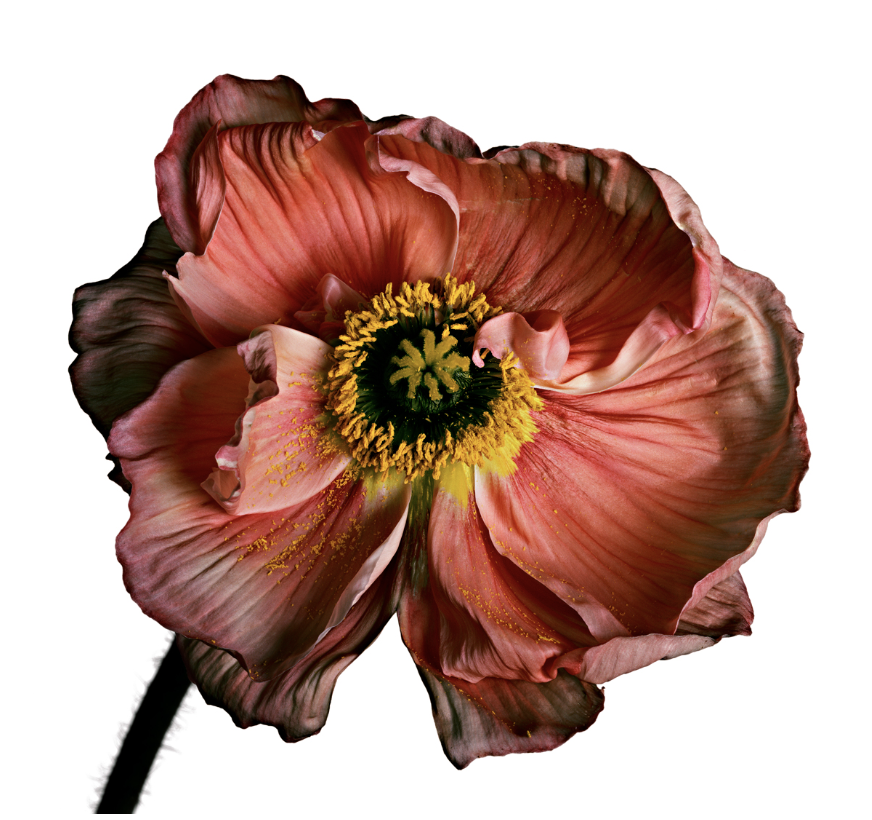
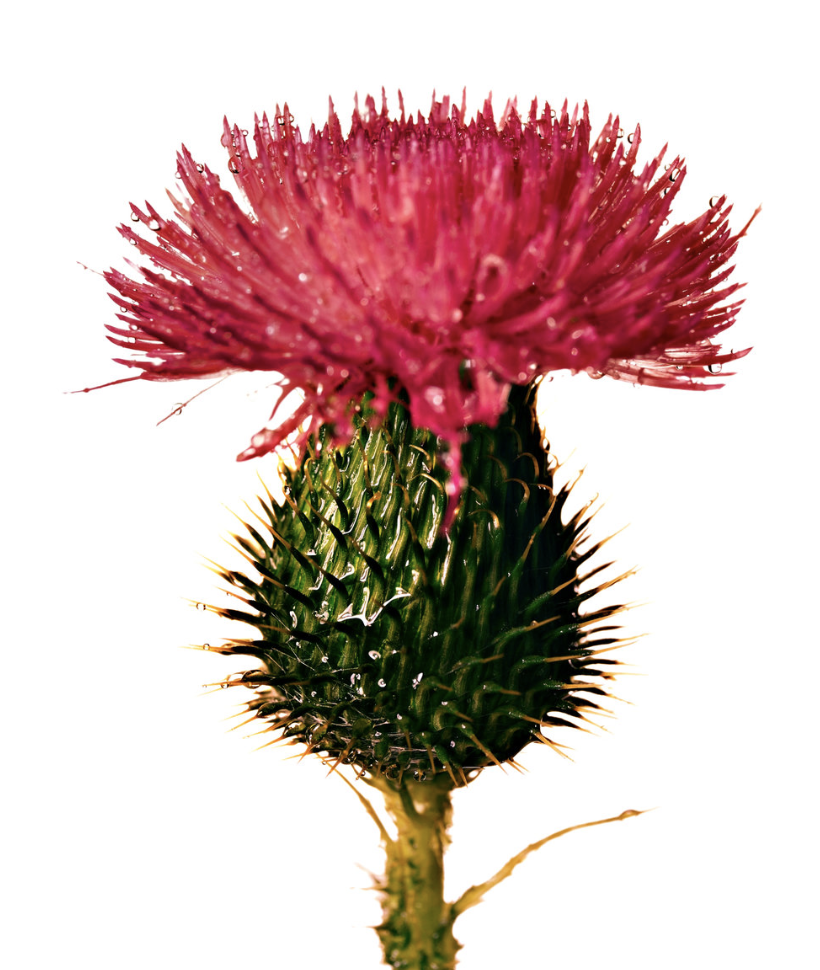
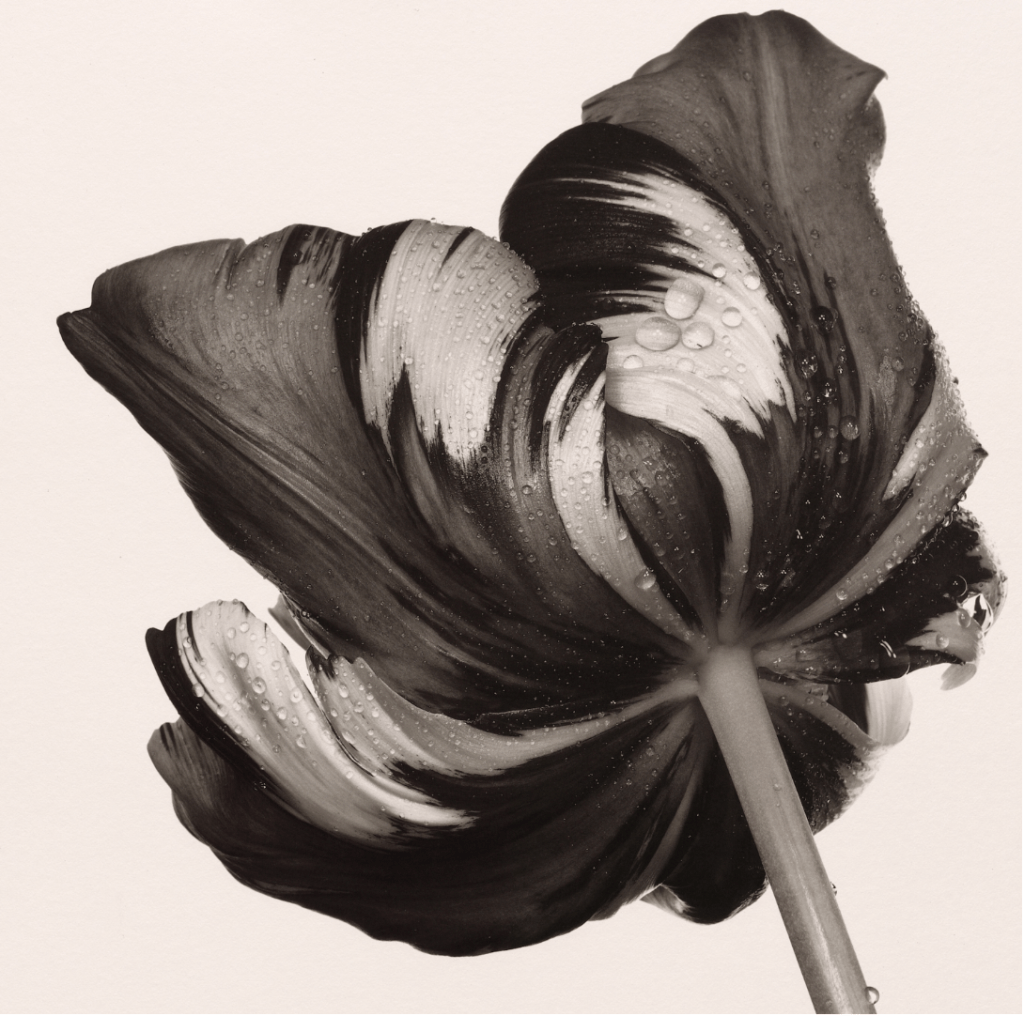
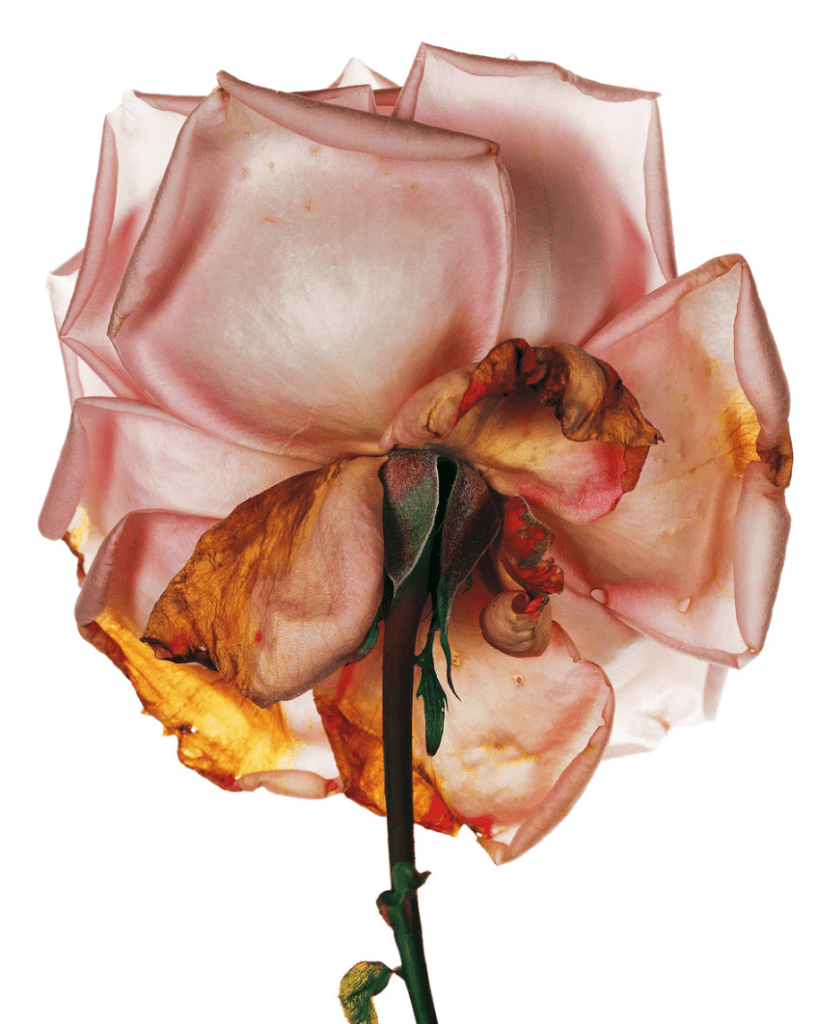
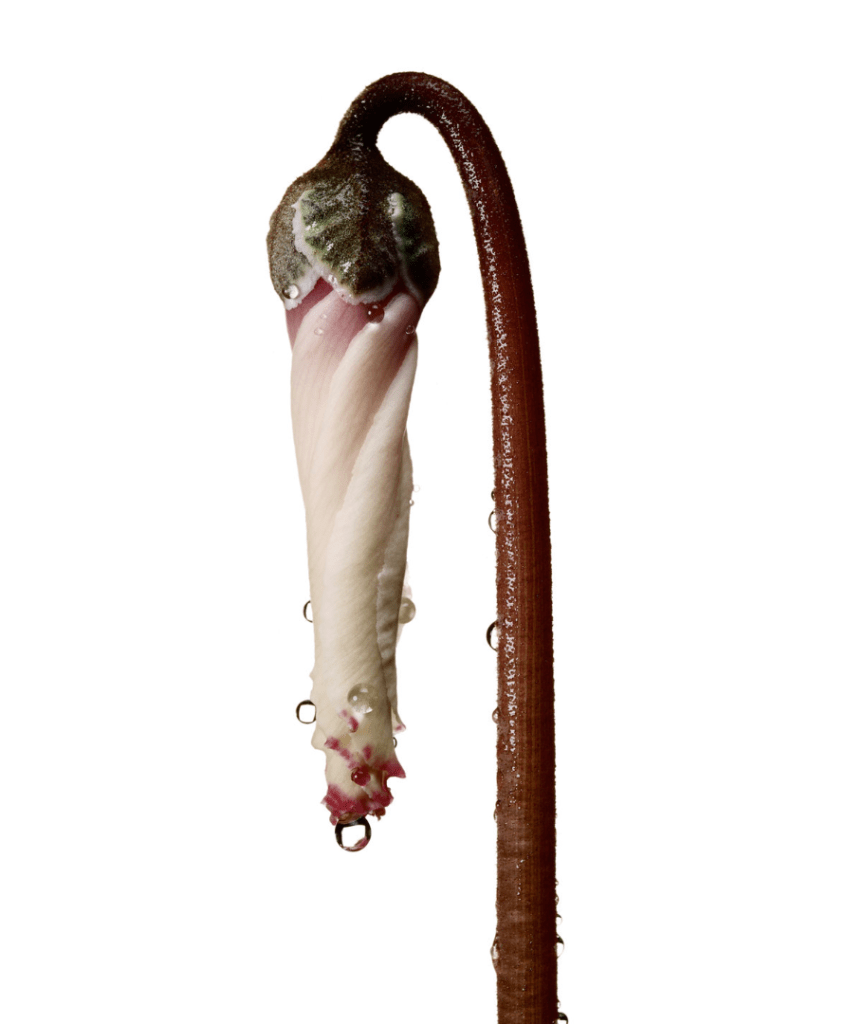
The botanical studies by Penn below are reminiscent of the previously discussed works of Karl Blossfeldt. The significant difference here being the extremely vivid and hard hitting colours that come from working in such a way. With a mixture of key lighting on the background and hard lighting on the subject we have a harmonious connection of isolation and harsh shadows. Similarly to Blossfeldt, Penn has used a macro lens to superb detail and to wipe out any sense of scale leading to impactful and strong imagery. These single subject still life are common in photography, perhaps it is because the photographer wants less distraction for their viewer. Perhaps it is due to the ease with which photographs can be made leading to something more impactful being needed such as detail, colour and ‘punch’.
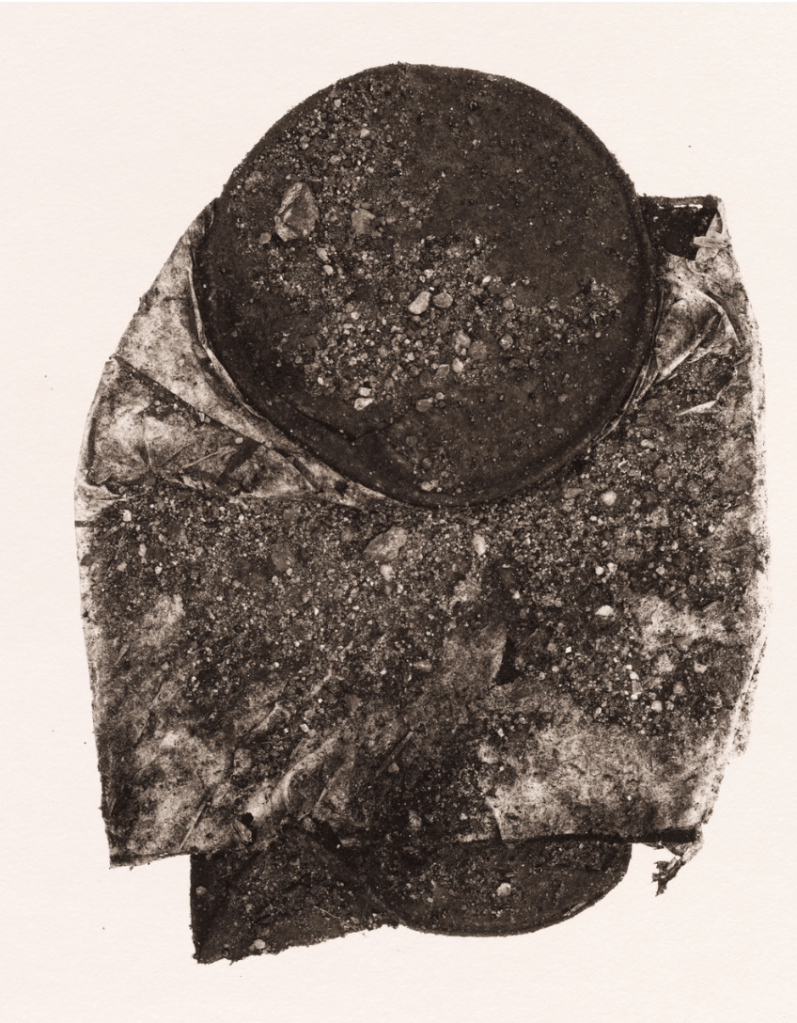
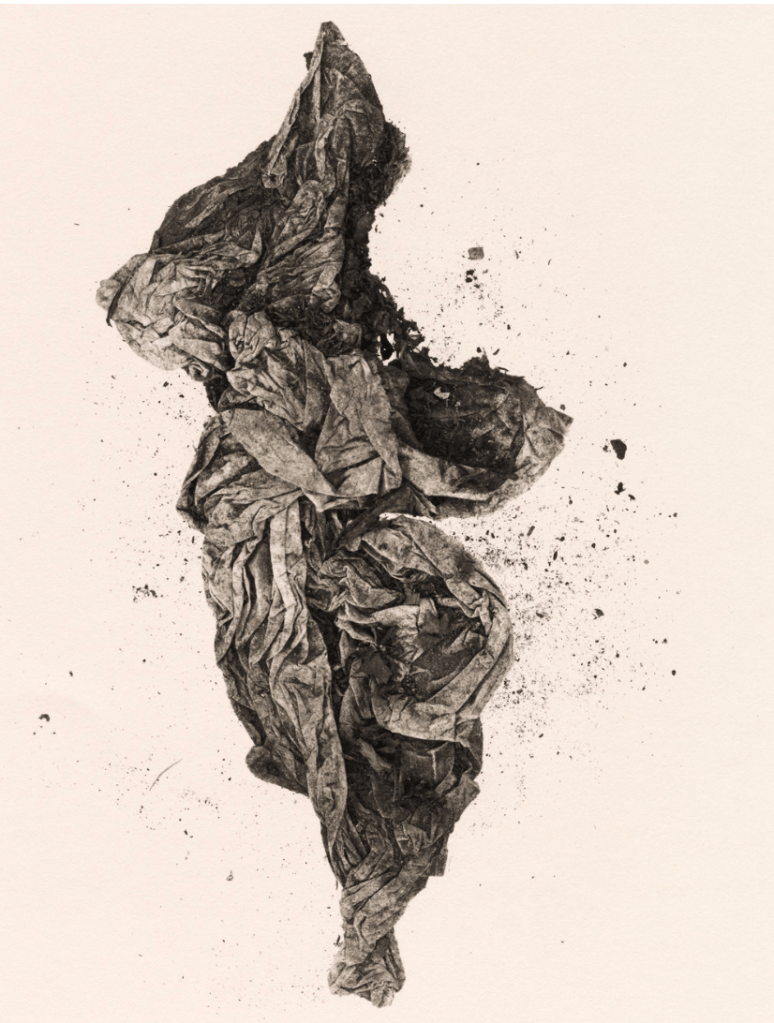
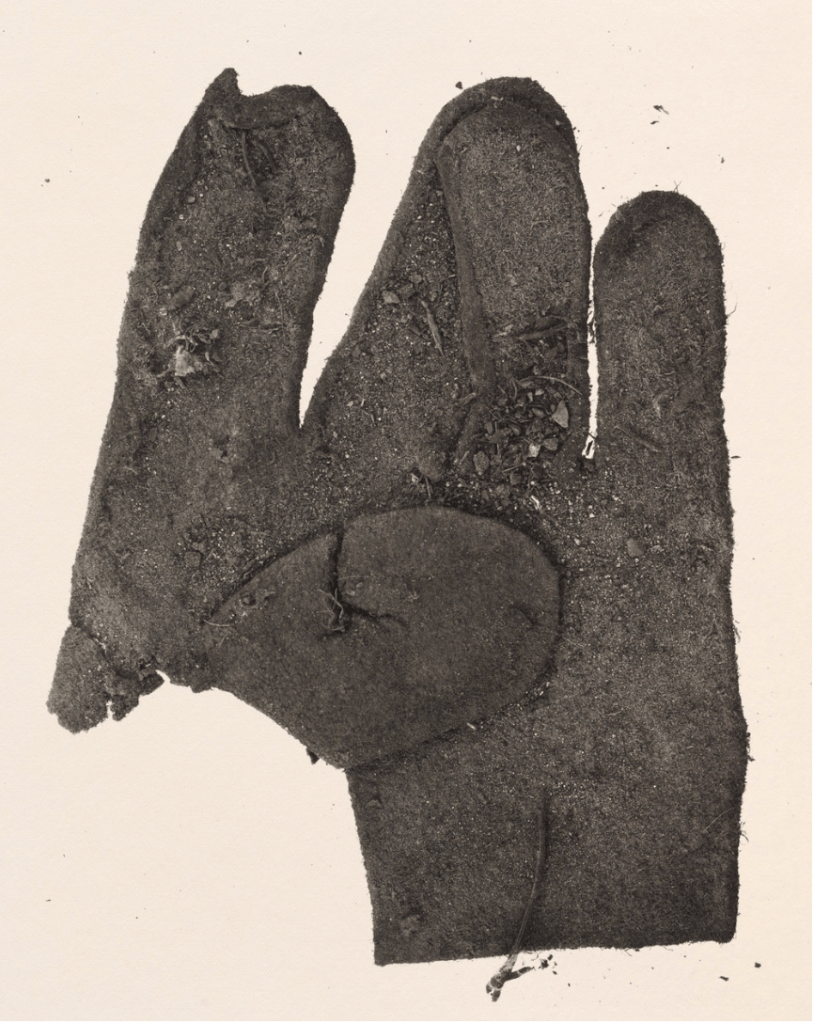
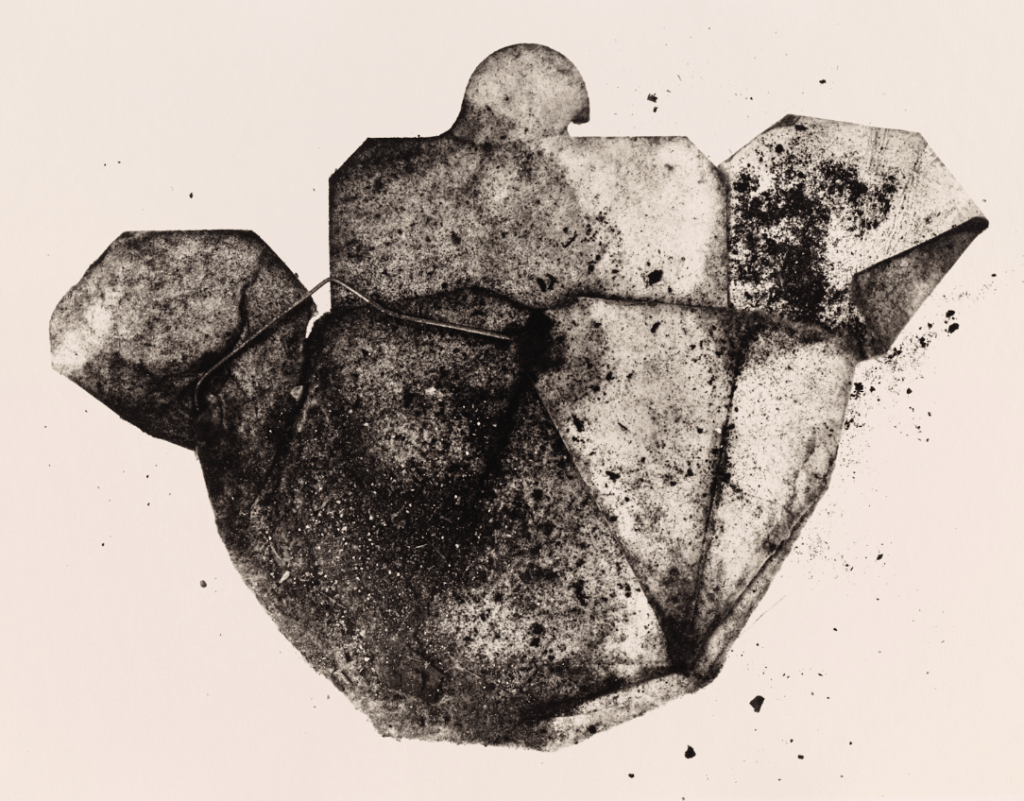
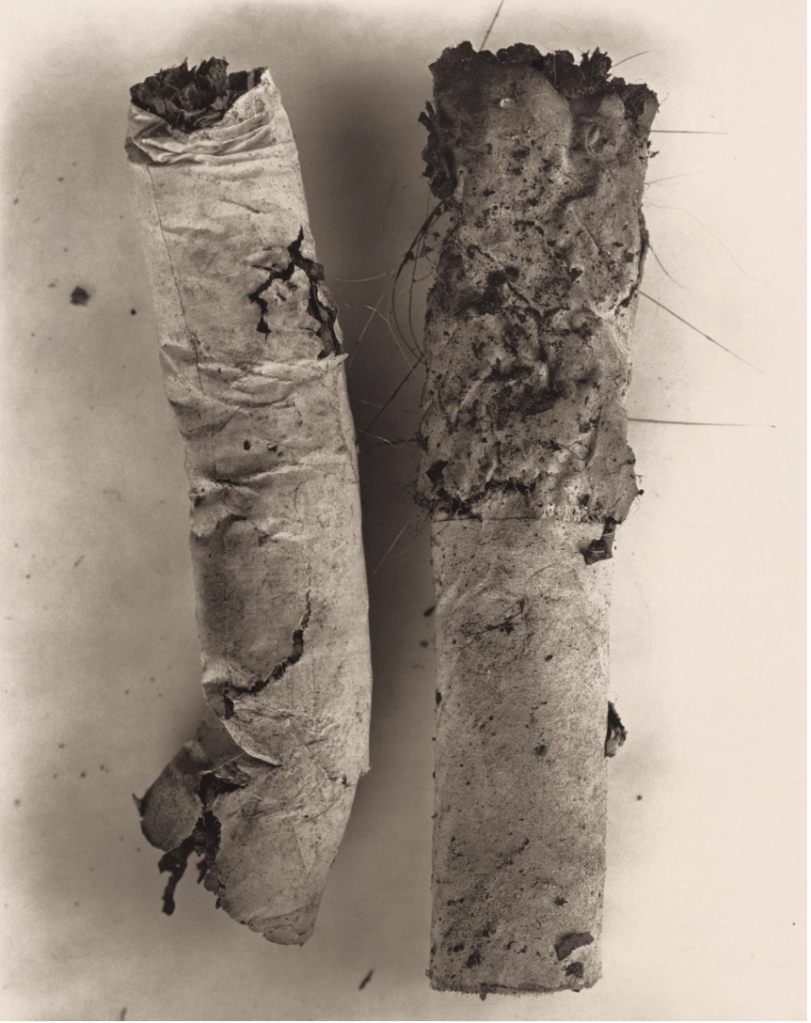
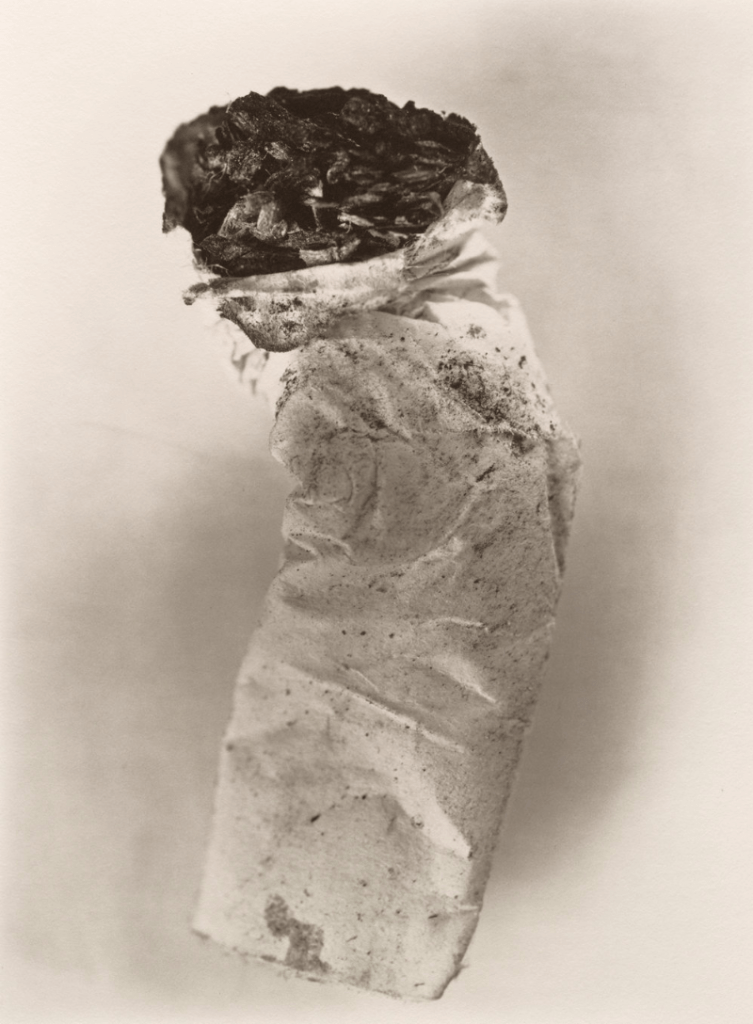
These six frames are greatly intriguing by Penn. The use of found objects removed from their context and photographed forensically in black and white is striking. The lack of perspective and scale takes these images from their reality and pastes them into their own reality. With the subject flat against a substrate we reduce the presence of shadow and contrast. This in turn removes much of the emotions we may project onto the work and we see the subject matter more objectively. I would like to experiment with similar methods and to do so I would like to use Harman Direct Positive Paper which has been pre-flashed to reduce its contrast and increase its sensitivity.
Penn, I. (n.d.). The Irving Penn Foundation. https://irvingpenn.org/
 Andrews Masters Journey