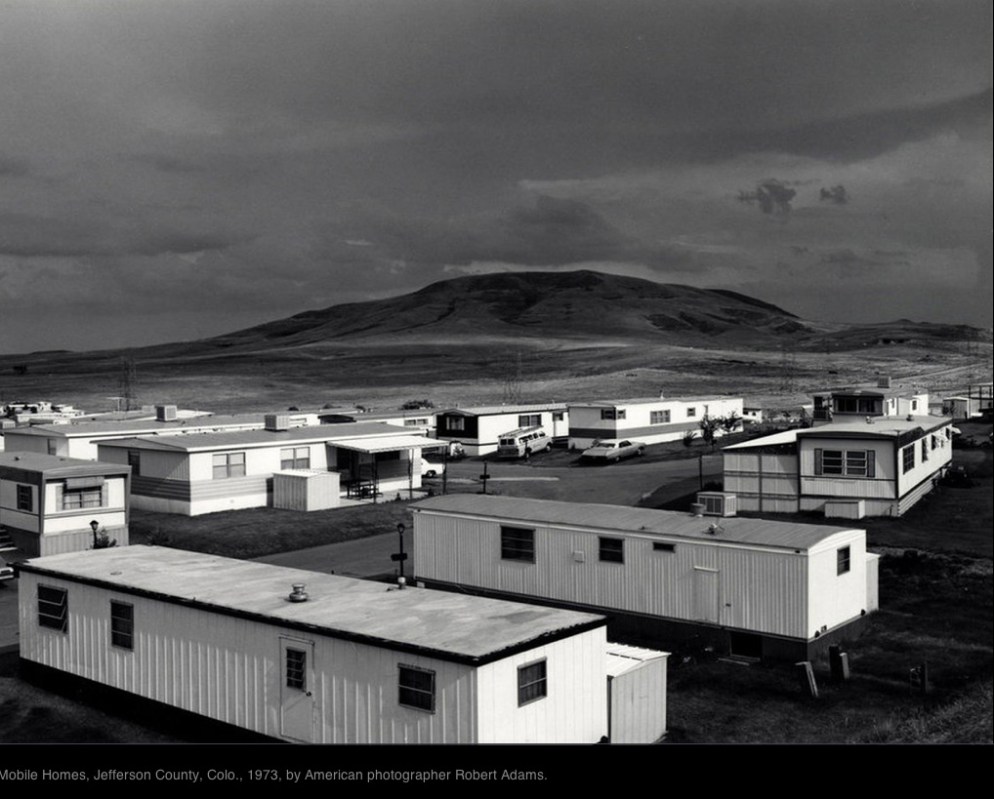
From my previous and current explorations of landscape photography I have come across several times the ‘New Topographic’ movement of the 1970’s. The Tate website defines New Topographics as:
a term coined by William Jenkins in 1975 to describe a group of American photographers (such as Robert Adams and Lewis Baltz) whose pictures had a similar banal aesthetic, in that they were formal, mostly black and white prints of the urban landscape
https://www.tate.org.uk/art/art-terms/n/new-topographics
While the use of black and white film has come to be a defining feature of the New Topographics, the range of colours being exchanged for grey tones, I feel that to work in just a single working method is non-conducive to an indepth exploration of a topic. It is certainly my intention to include black and white film amongst my working methods but to not entirely hinge on that.
In this post I will explore briefly the individuals behind ‘New Topographics’ and how they have come to shape the future from the 1970’s of landscape photography. The most defining of these by far are the Bechers. Through their teachings at the Dusseldorf school of photography, they have gone on to create somewhat legendary individuals of the modern photography world including the likes of Andreas Gursky and Candida Hofer.
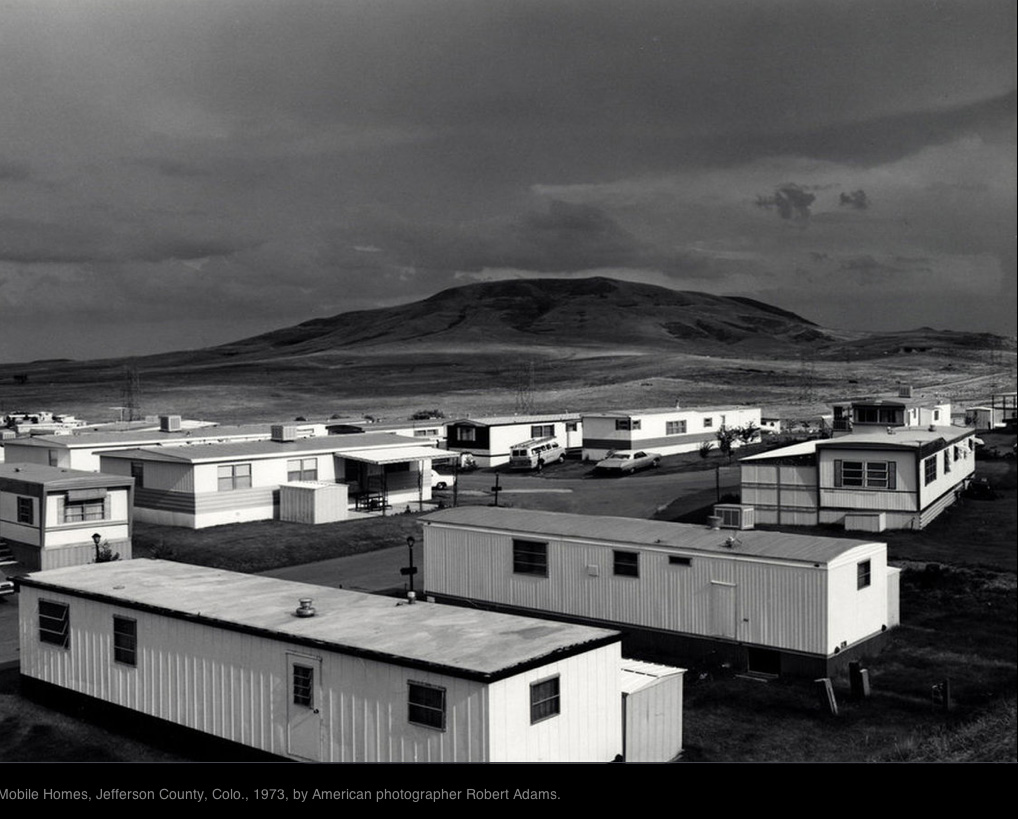
Robert Adams 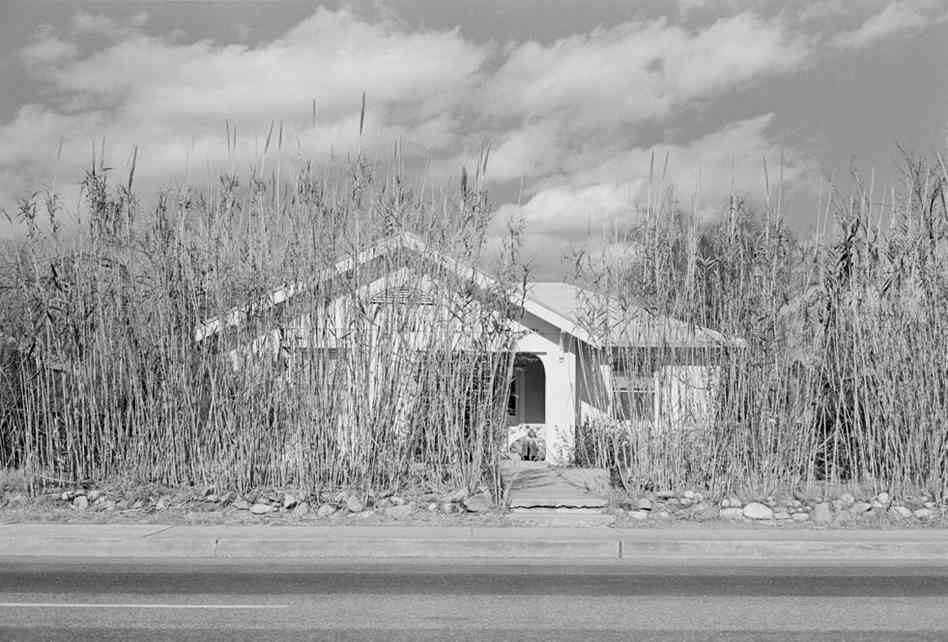
Henry Wessel Jr 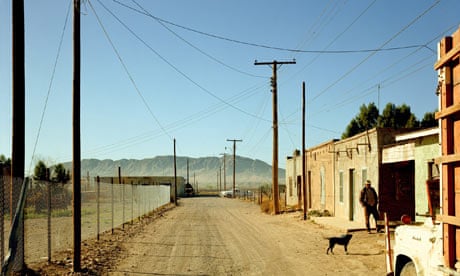
Stephen Shore 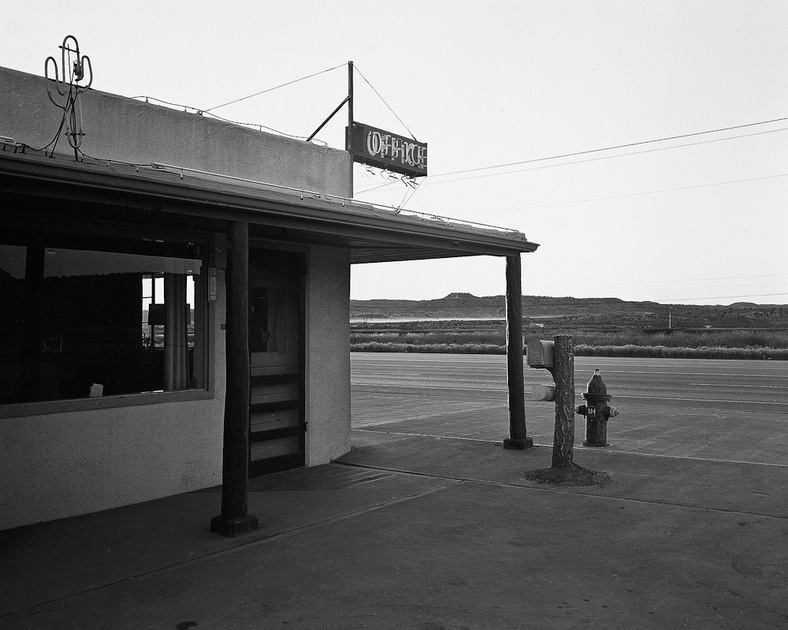
John Schott 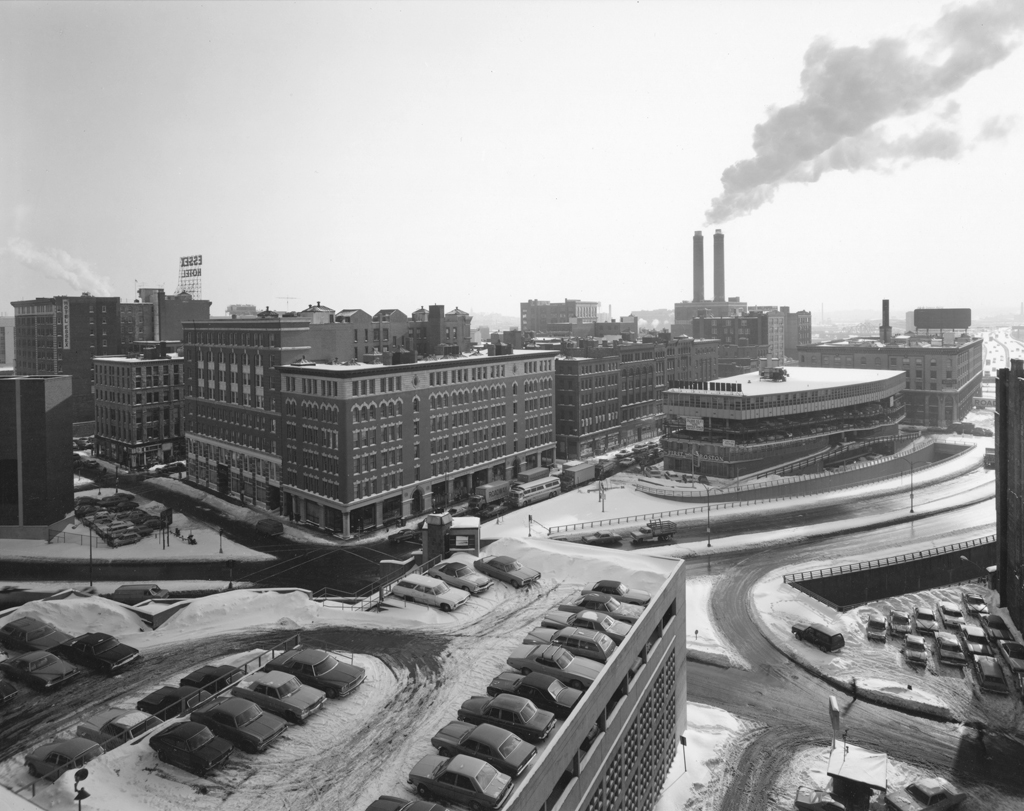
Nicholas Nixon 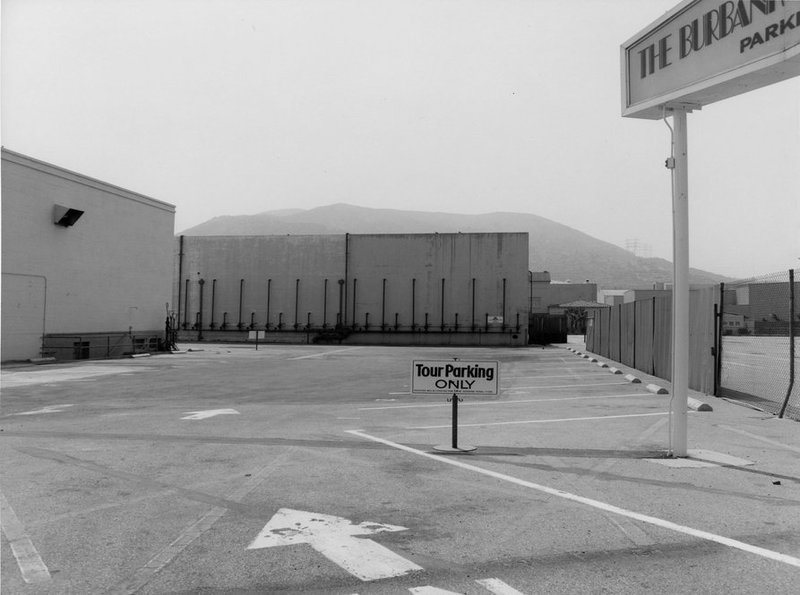
Frank Gohlke 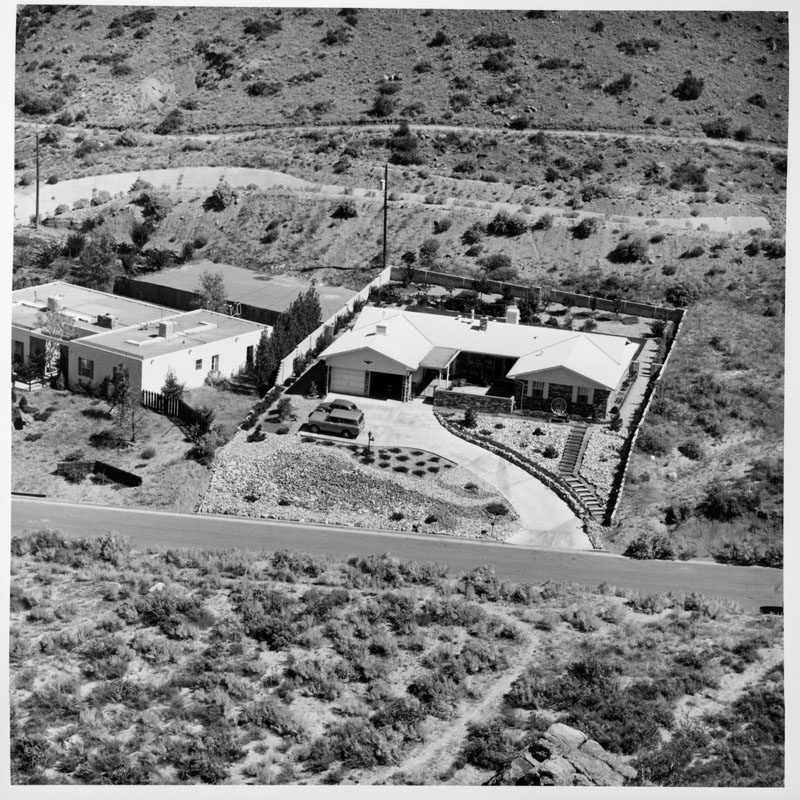
Joe Deal 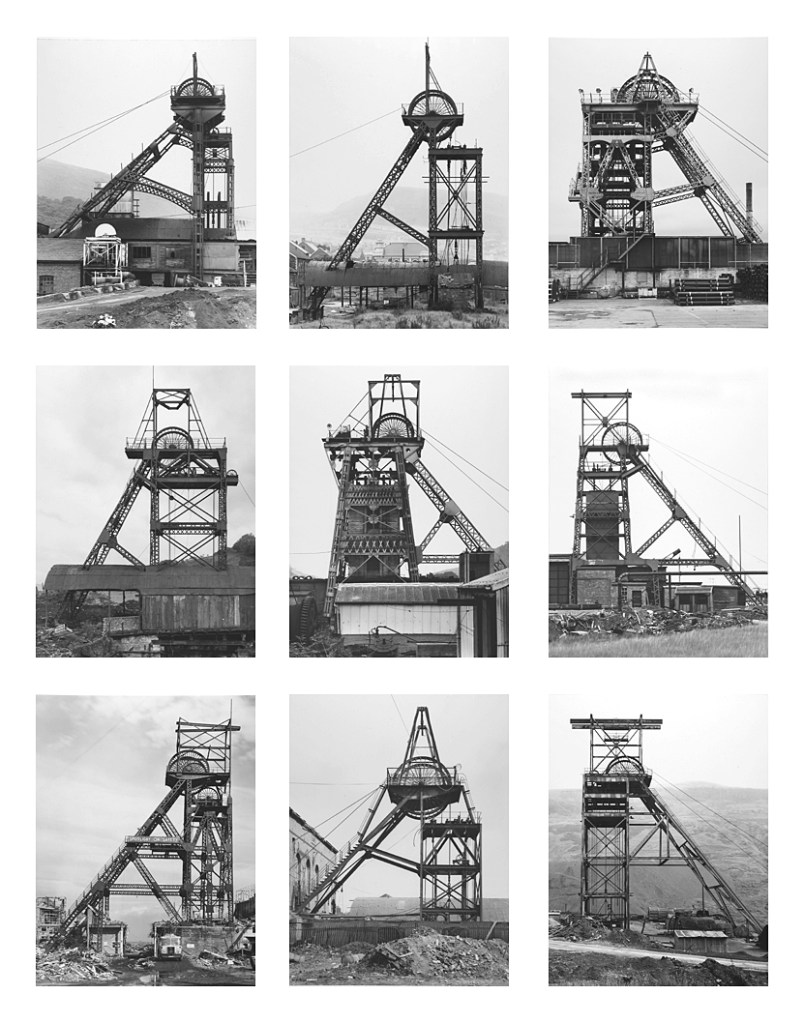
Bernd and Hilla Becher 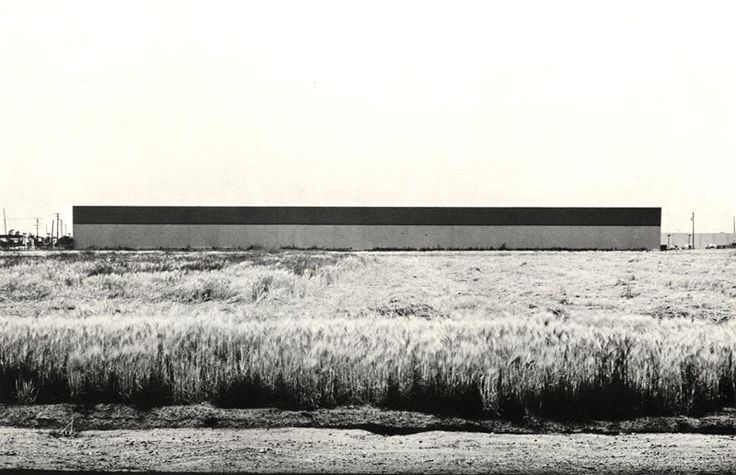
Lewis Baltz
I feel that there is no doubt that the ‘New Topographics’ shifted the definition of what a landscape photograph is or should be and opened the field for debate. As Emma Lewis states in her essay for Holdsworths ‘Transmission’; “The idea that we “live in a biosphere completely altered by our own activity, a planet in which the human and the natural can no longer be distinguished” feeds into the narrative of New Topographics. The acknowledgement of the human impact on our landscape, born out of the emergence of environmental movements of the 1970’s, is key to the success of the New Topographics and transcends beyond and into what I would now define as ‘Post-Modern Topographics’.
It is worth noting that the work of New Topographics is typically often ‘small town America’. With picturesque dusty villages the kind we are familiar with through these photographs being one side to a multi-sided coin that makes up the fabric of the USA. But how does this sit on the International stage? Is it possible, I wonder, to form a ‘New Topographics of Great Britain’?
REFERENCES NEEDED, BOOK AND TWO WEBSITES
New Topographics (n.d.) Retrieved from: https://www.artsy.net/gene/new-topographics
New Topographics (n.d.) Retrieved from: https://www.tate.org.uk/art/art-terms/n/new-topographics
O’Hagan, S. (2010). New Topographics: Changing the landscape of Photography. Retrieved from: https://www.theguardian.com/artanddesign/gallery/2010/feb/08/new-topographics-landscape-photography
Adams, R., Baltz, L., Becher, B., Becher, H., Deal, J., Gohlke, F., Nixon, N., Schott, J., Shore, S., Wessel, Jr, H. (2010). New Topographics. New York: Steidl.
 Andrews Masters Journey