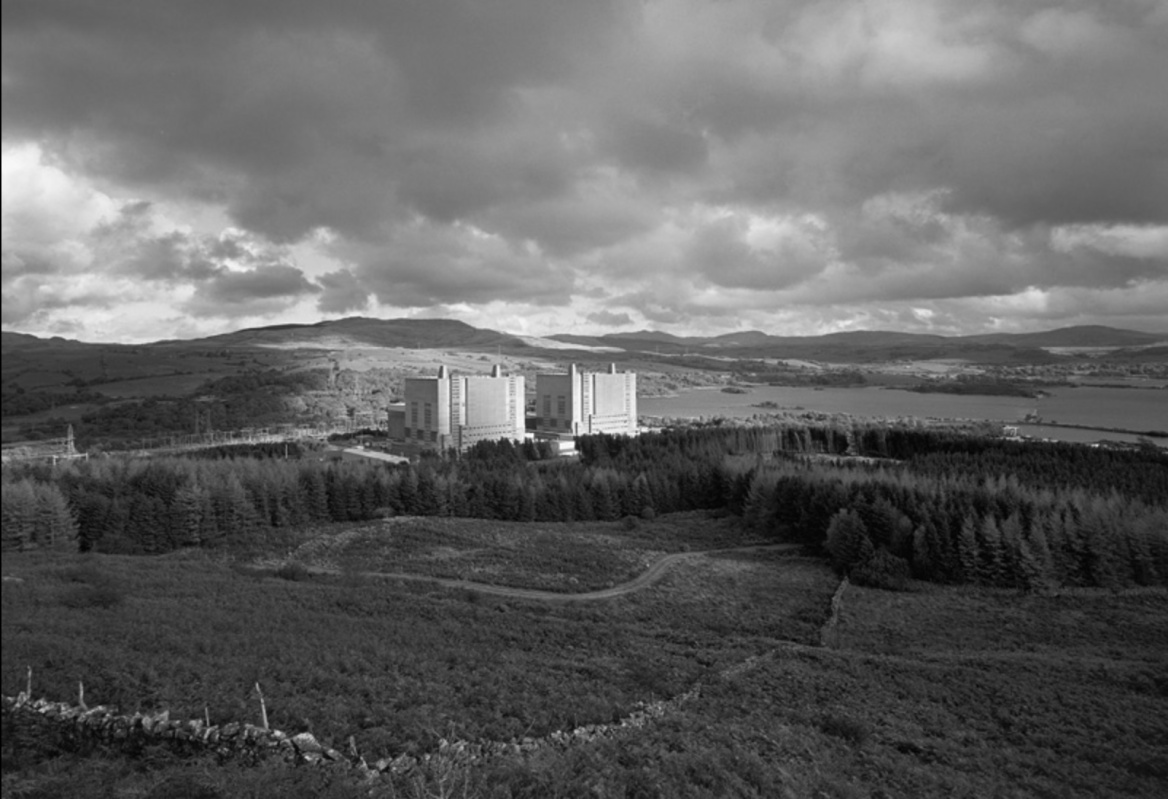
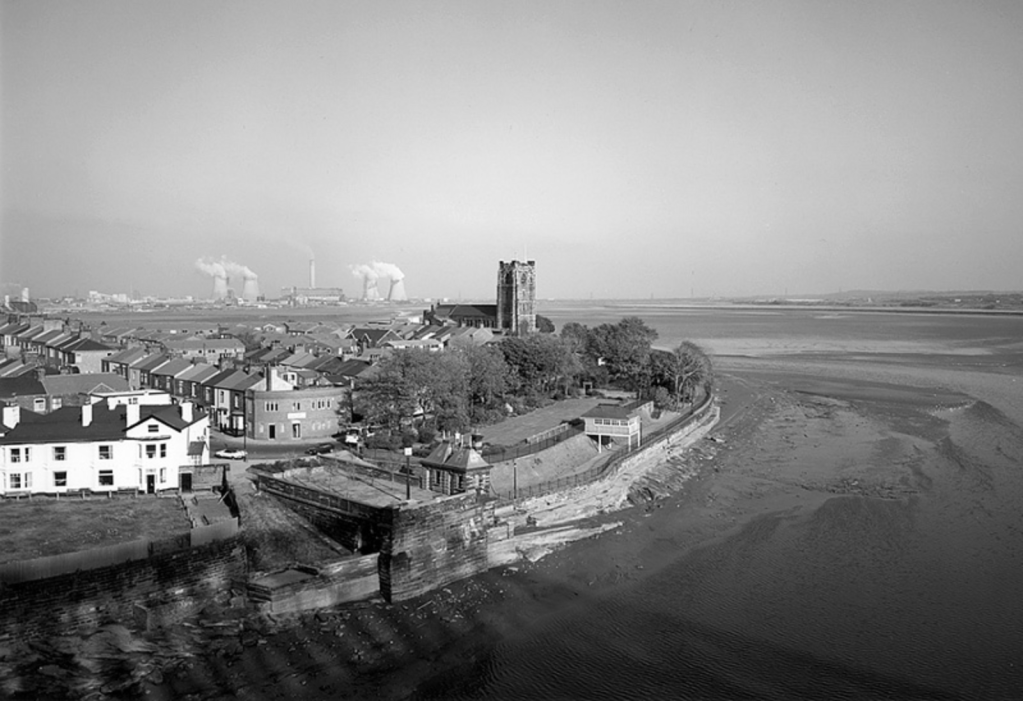
I discovered the work of British landscape photographer John Davies through my reading of How We Are: Photographing Britain. When working through his photography I find myself intrigued by the use of black and white imagery to capture the changing industrial landscapes of Britain.
Historically the Industrial Revolution began in Europe around 1750 and Britain rapidly became a world leader in the mechanisation of processes. From how our food was produced to how we travel, the Industrial Revolution impacted nearly every corner of society. This process, which of course lead to Photography, left the vistas of Englands once ‘green and pleasant lands’ scarred and deformed.
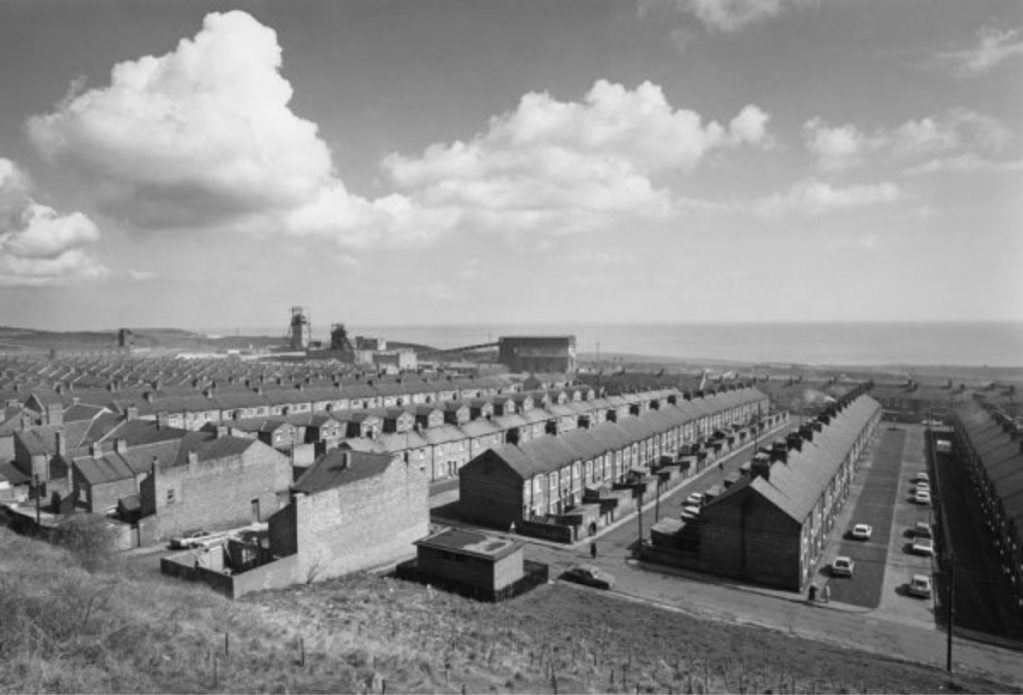
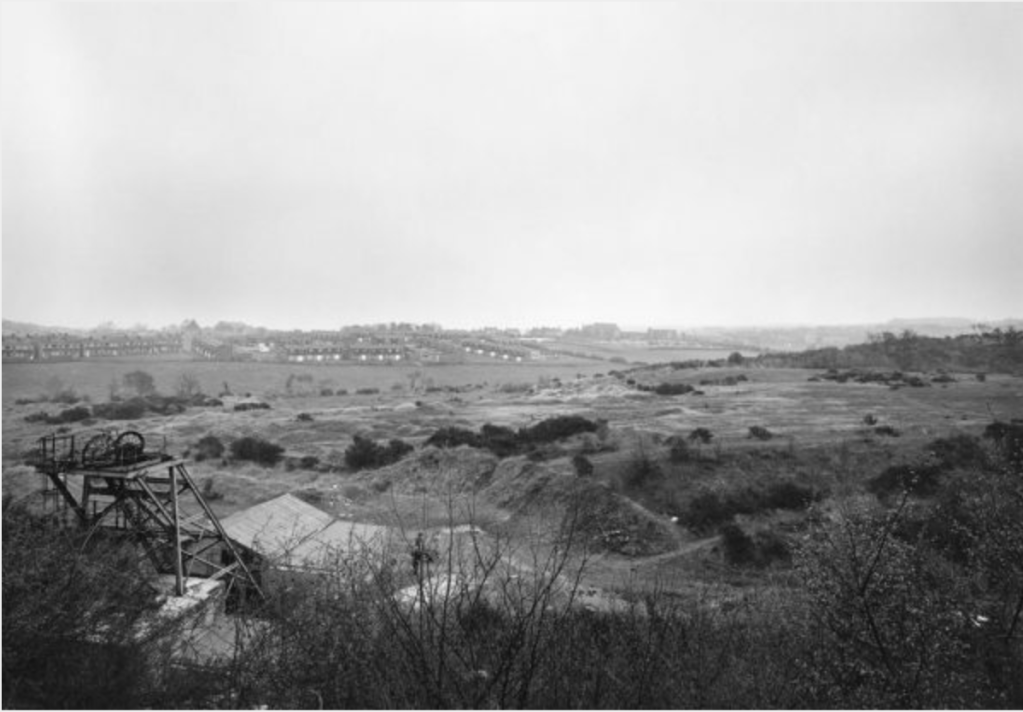
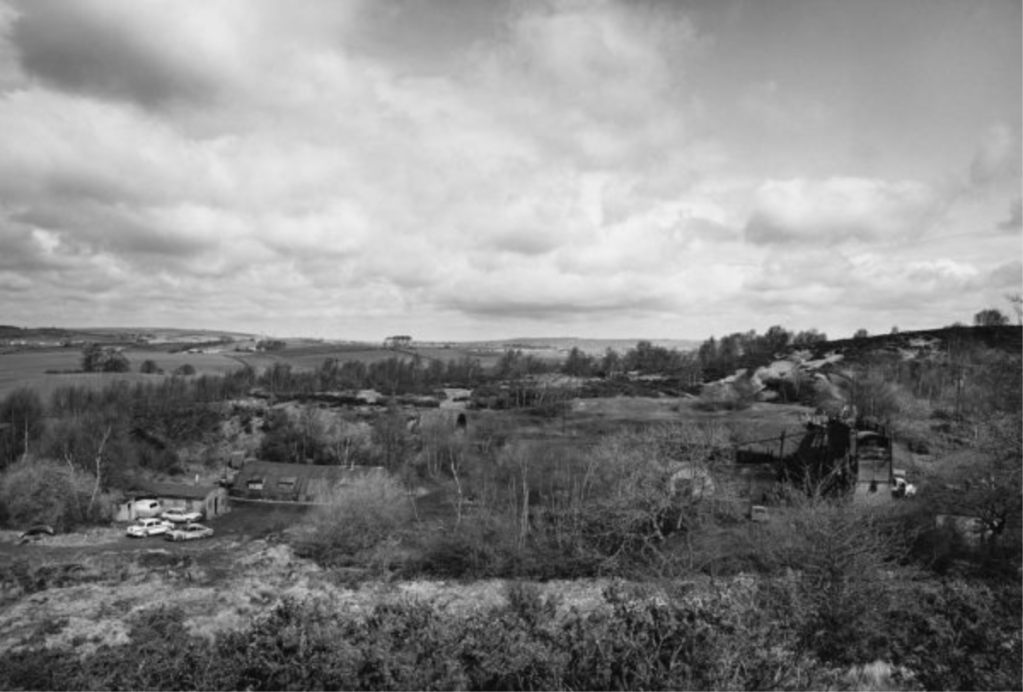
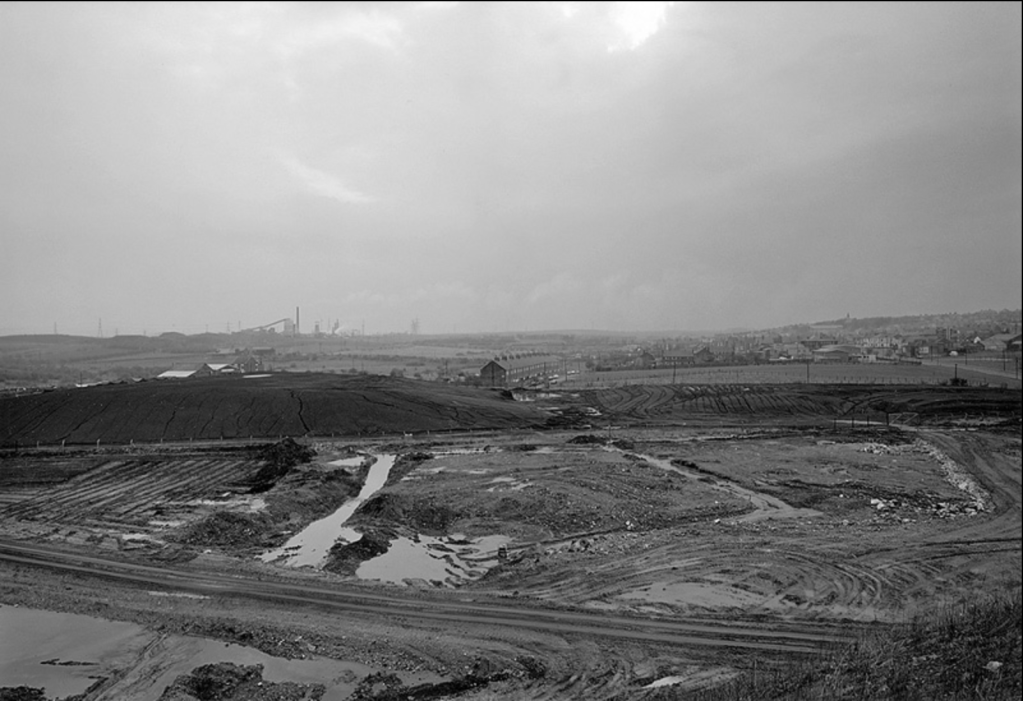
John Davies’ has been conducting photographic studies of the British industrial landscape since the late 70’s. The first gallery below shows a series of images created under a commission by Davies. The images document the coalfields of Durham where Davies grew up, the timing crucial due to the imminent miner strikes.
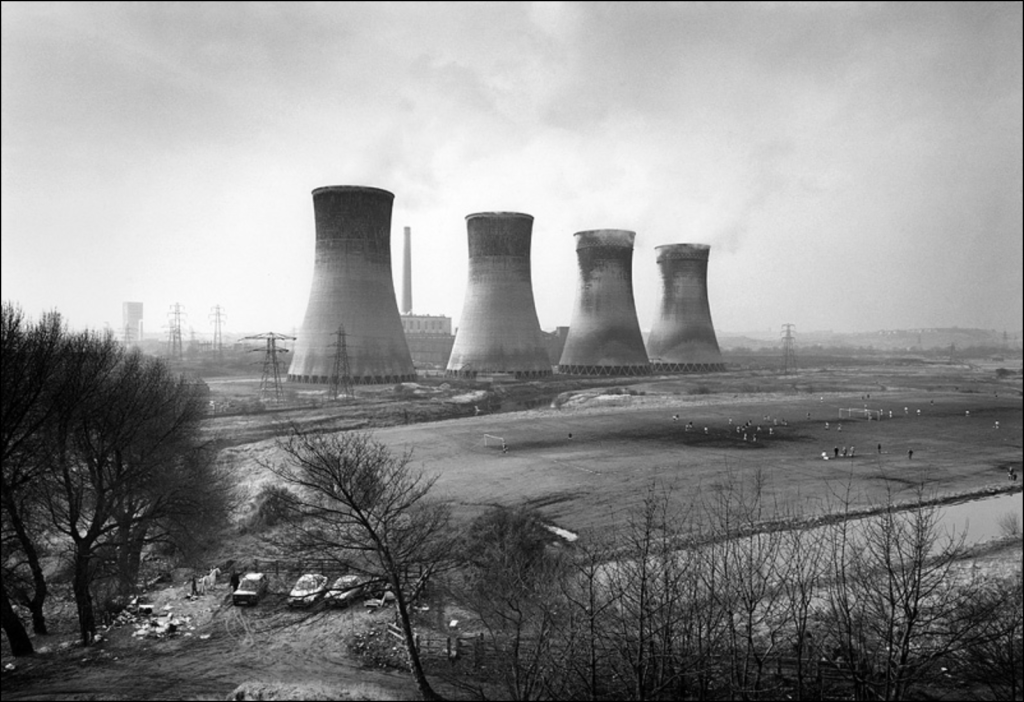
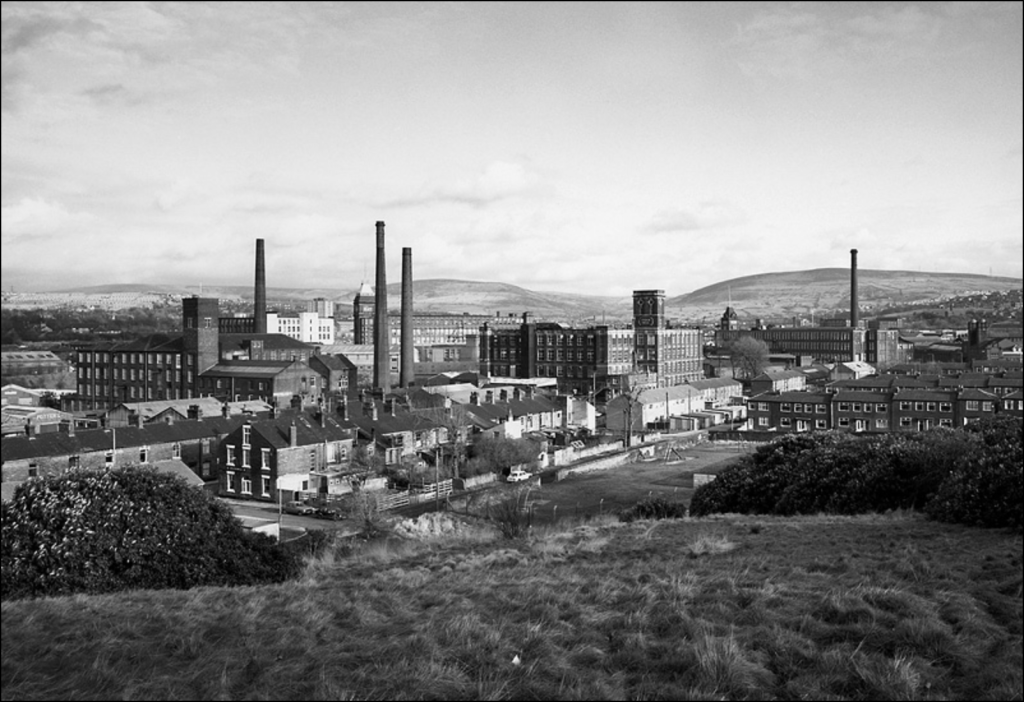
Due to the timing of the images they would have been shot using black and white film. I have always felt that black and white posses more colour than colour with a vast depth of greys and darks that only film can provide. The images contain striking skies and scarred landscapes effected by the presence of the industries around them. The convergence of the mines and collieries on such terrain links entirely with the presence of the residential communities built to serve the working population. Generation after generation of young men working the landscape for the black gold within, many without question, simply because it had been what the family had always done.
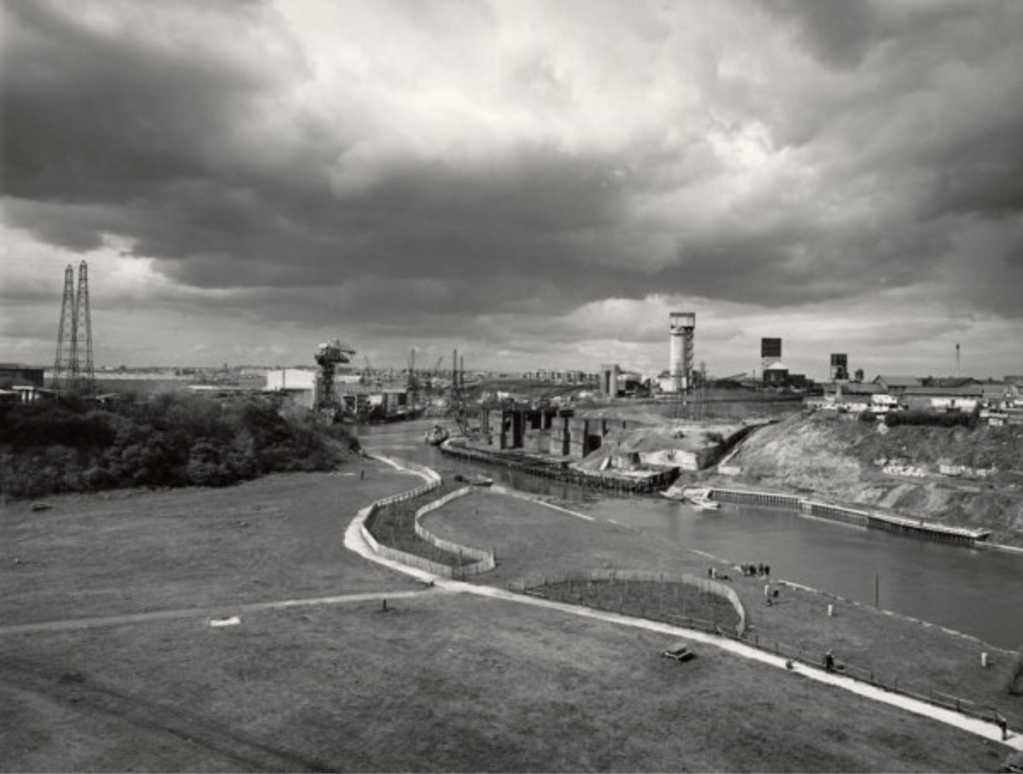
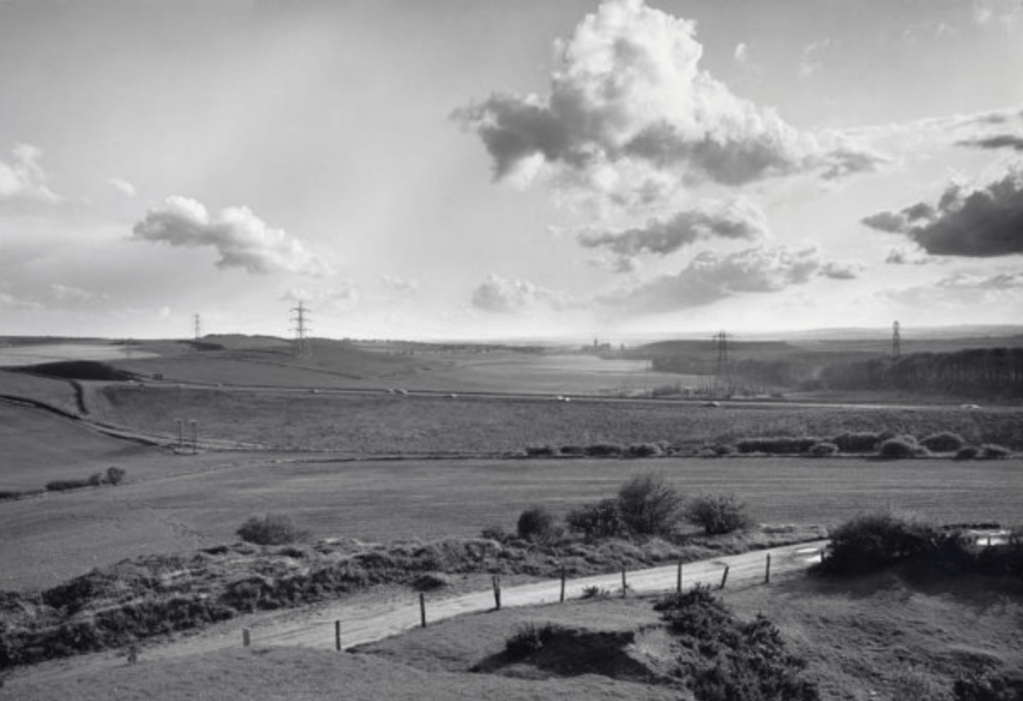
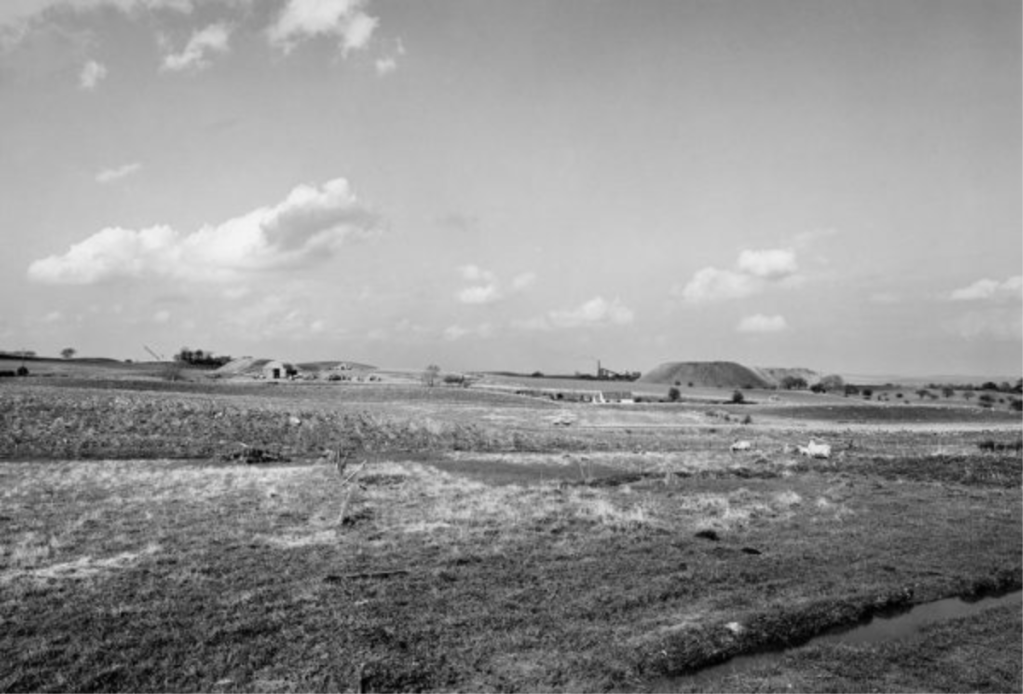
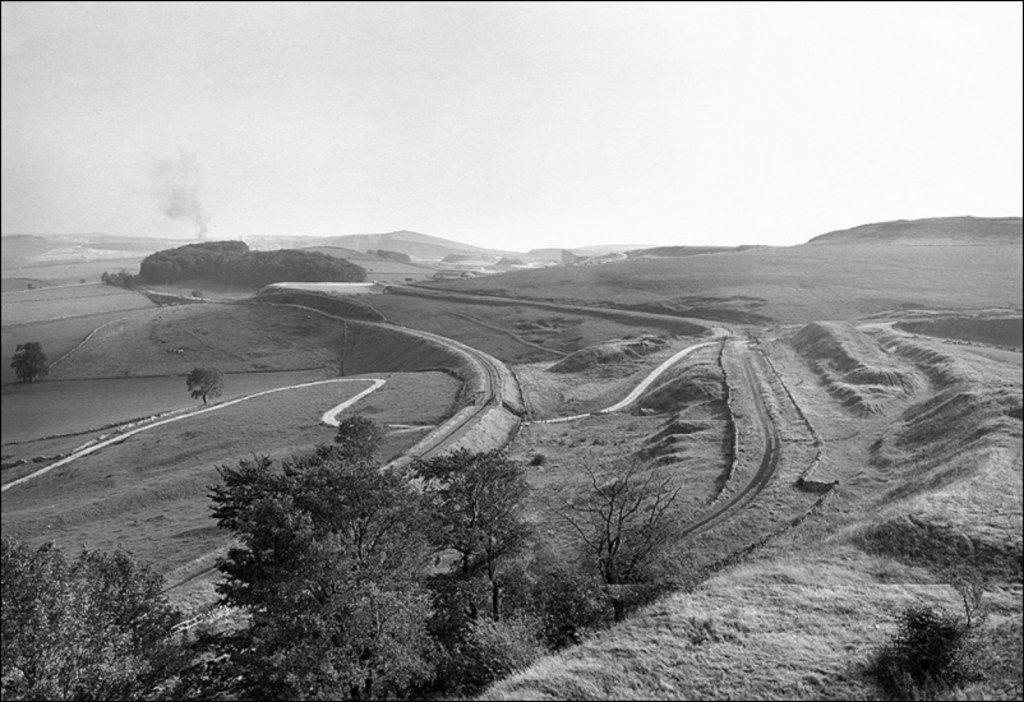
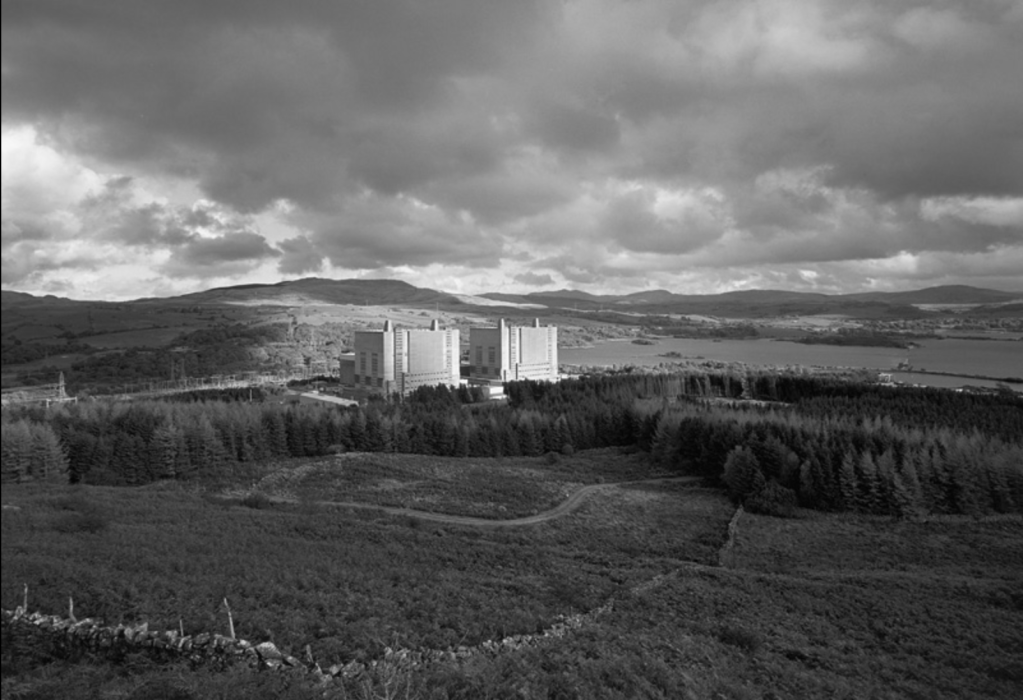
Under the banner of ‘The British Isles’, the next gallery displays a range of images from the mid 80’s onwards from a variety of locations. The photography continues the use of black and white film with particular use of the 120 format. On his website Davies comments on the choice of 120 film due to its ability to ‘yeild sharper image detail than 35mm or 5x4in. sheet film‘. My preference for image making is still around the use of film with a personal love for 5×4″ large format.
Davies use of the Zone system is well noted on his website in the creation of effective and striking landscape photographs. The Zone system is something I am aware of however have yet to master or use in my own work. Further investigation here would help my photography greatly.
Davies lingering in a location and waiting for the light to arrive creates atmosphere and impact to his images. These industrial landscapes merge the areas of industry with that of community in a dichotomy of scenery which has impact and depth.

‘Fuji City’ sees Davies travel to Japan to photograph in the shadows of the famed mountain by the same name. His interests were drawn due to concentration of industrialised urban areas due to the demands of western culture.
What was striking to me was the Westernisation of the built environment and how the ordered and very structured way of life in Japan is reflected in the landscape
http://www.johndavies.uk.com/fuji_text.htm
Photographically these images break with Davies’ black and white approach through the use of colour. Clearly shot on film, the square format is aesthetically pleasing while not detracting from the images. In many of the images the slightly foggy Mount Fuji is visible in the background placing emphasis on the premise for the project and its location. Although my present intention is to start working with 6×7 ratio 120 film, a square crop is definitely in my considerations.
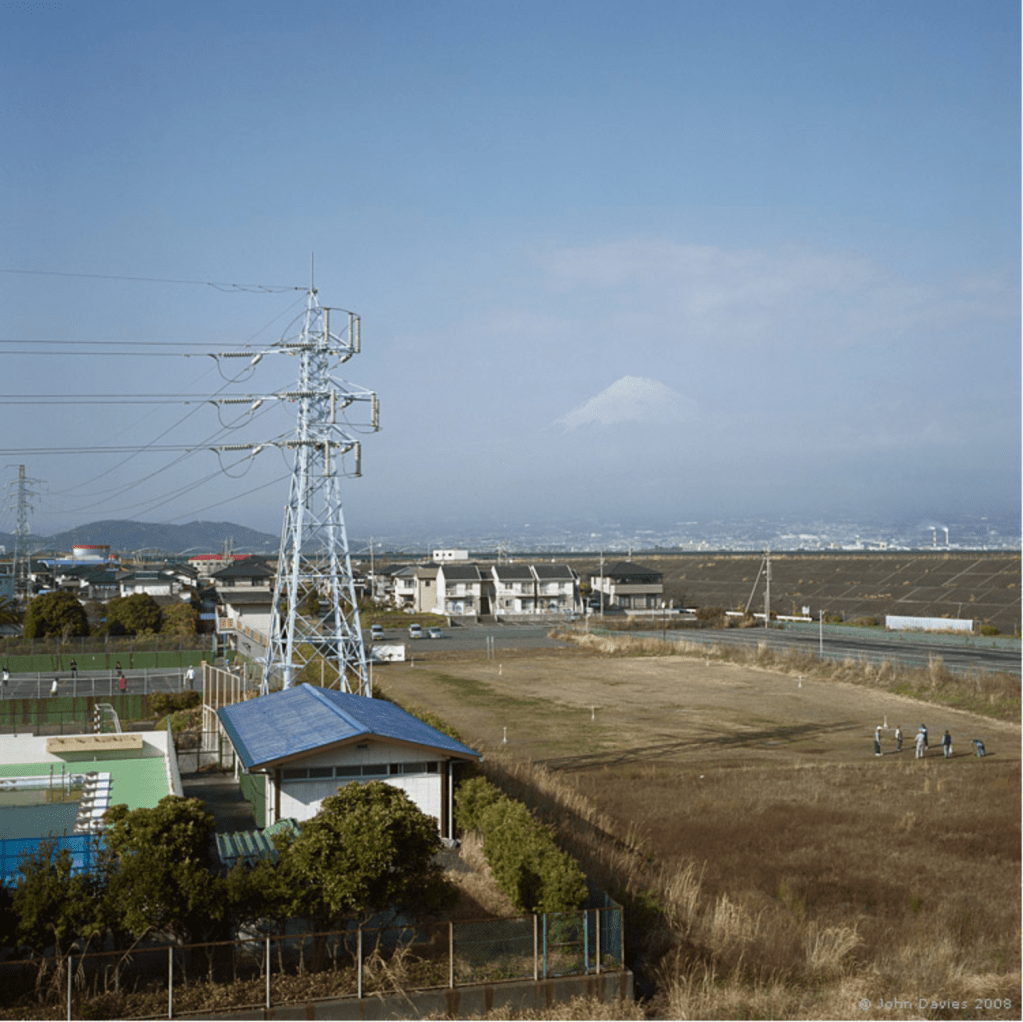
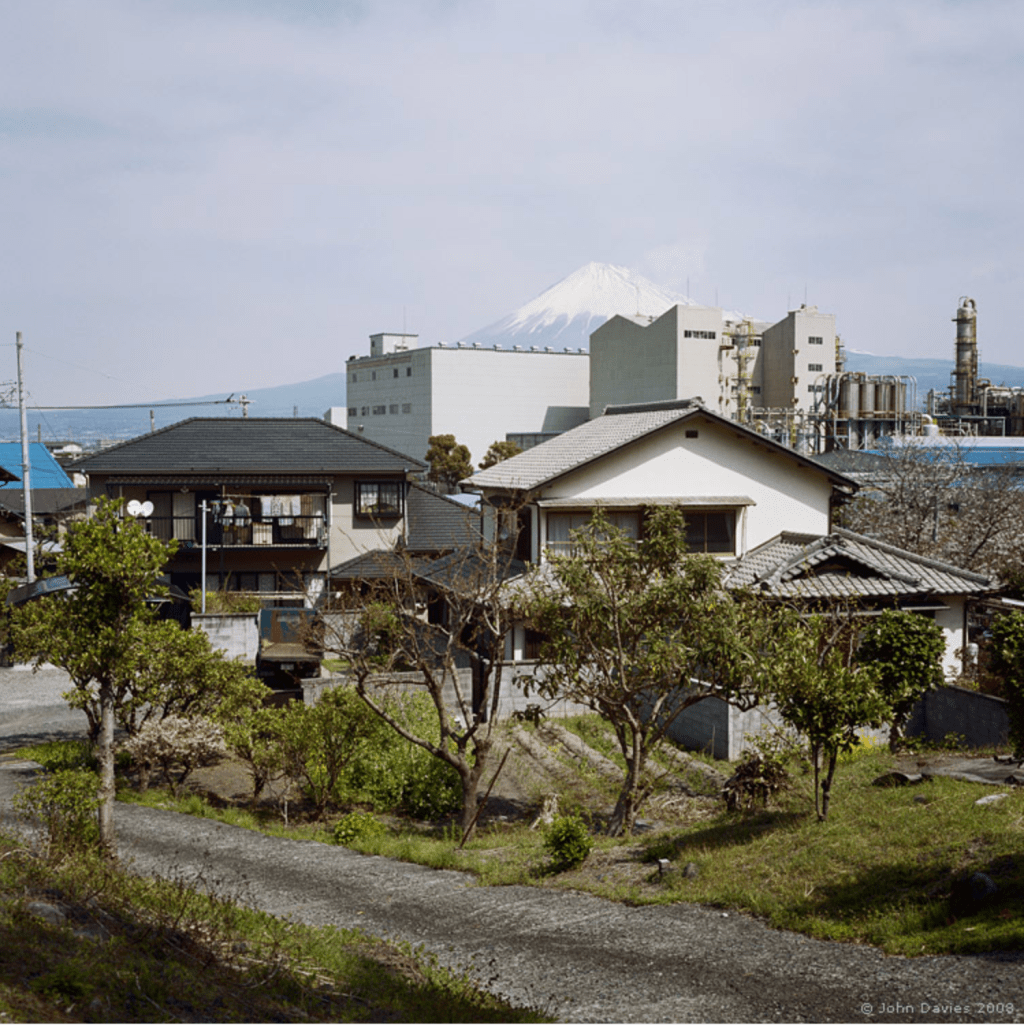
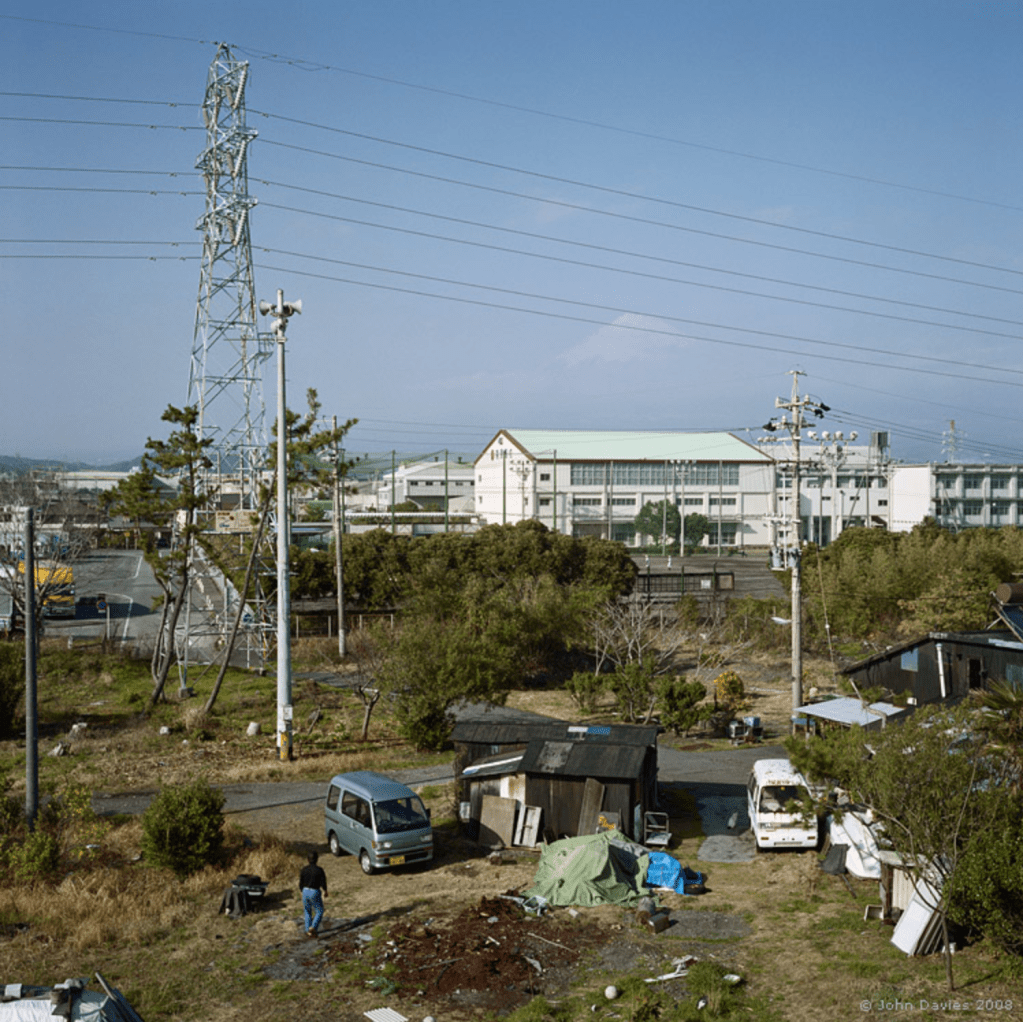
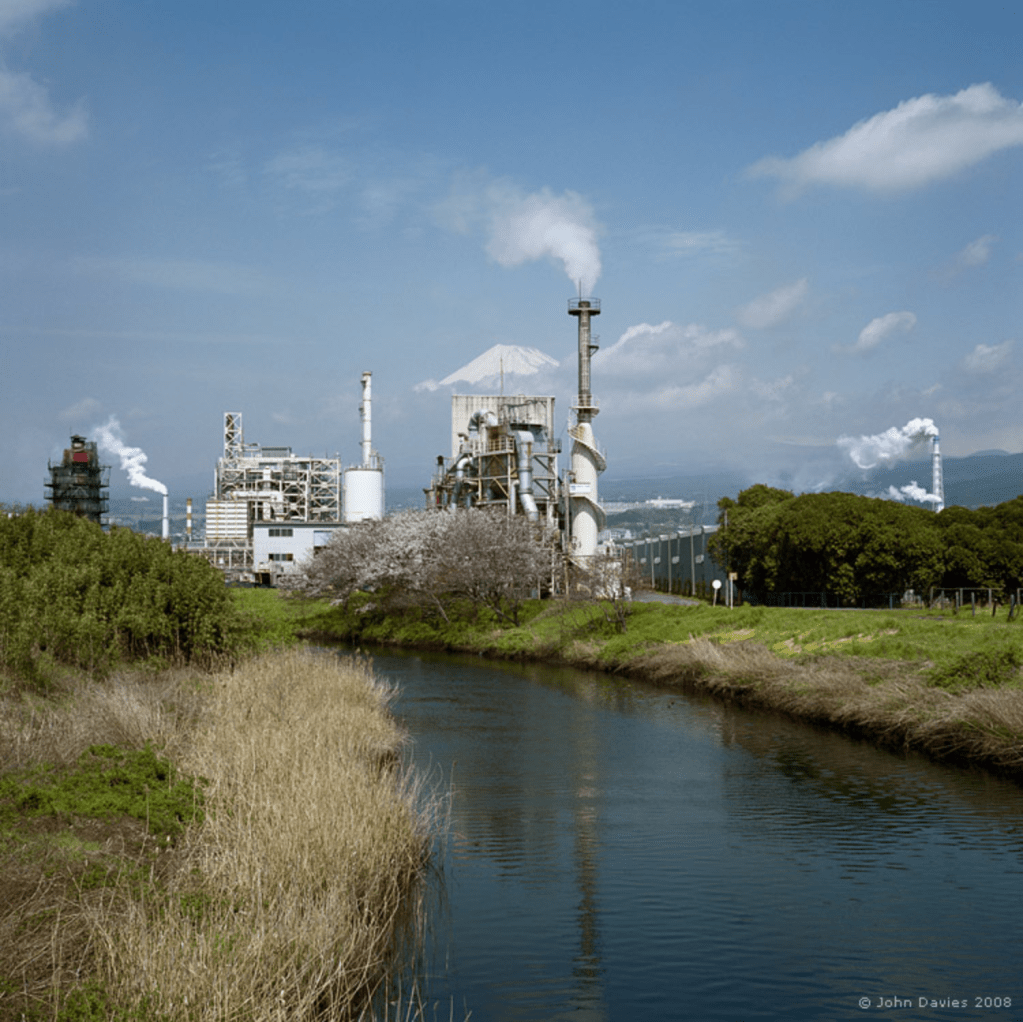
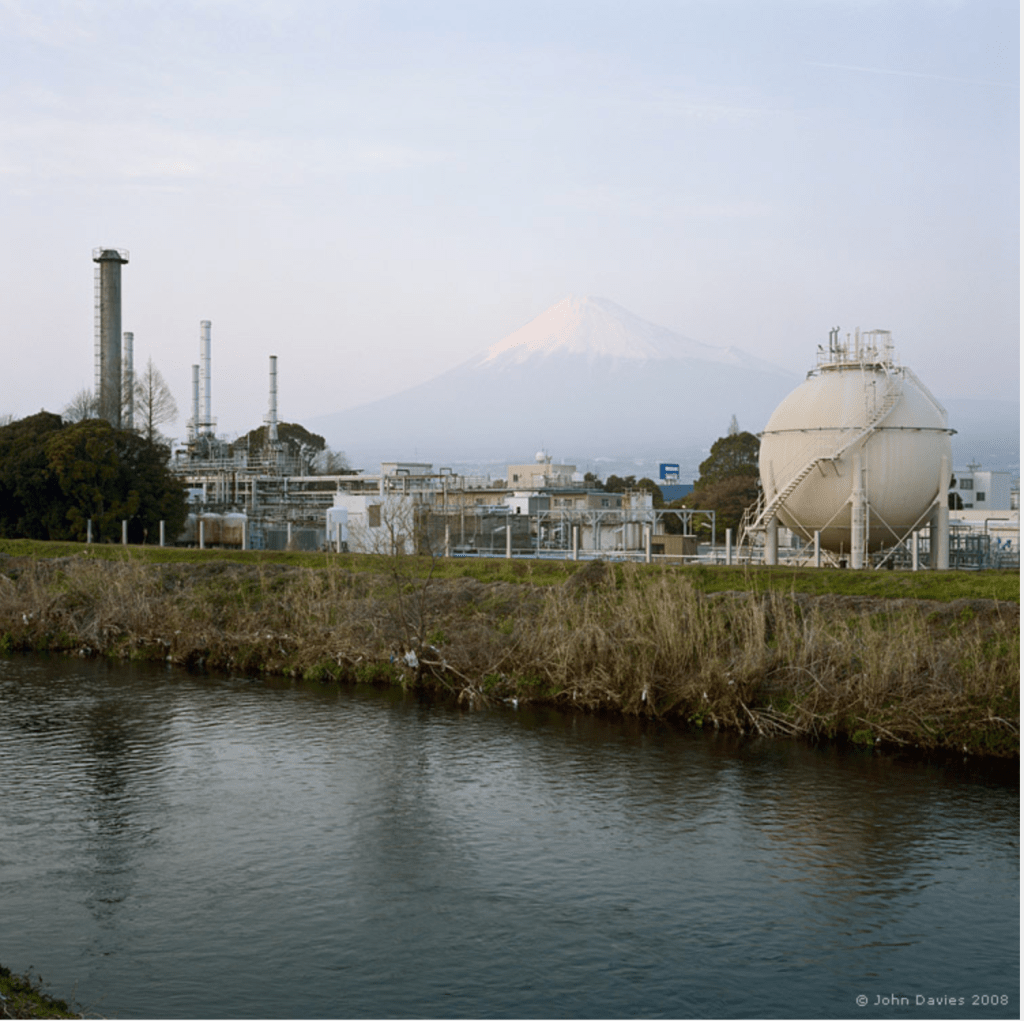
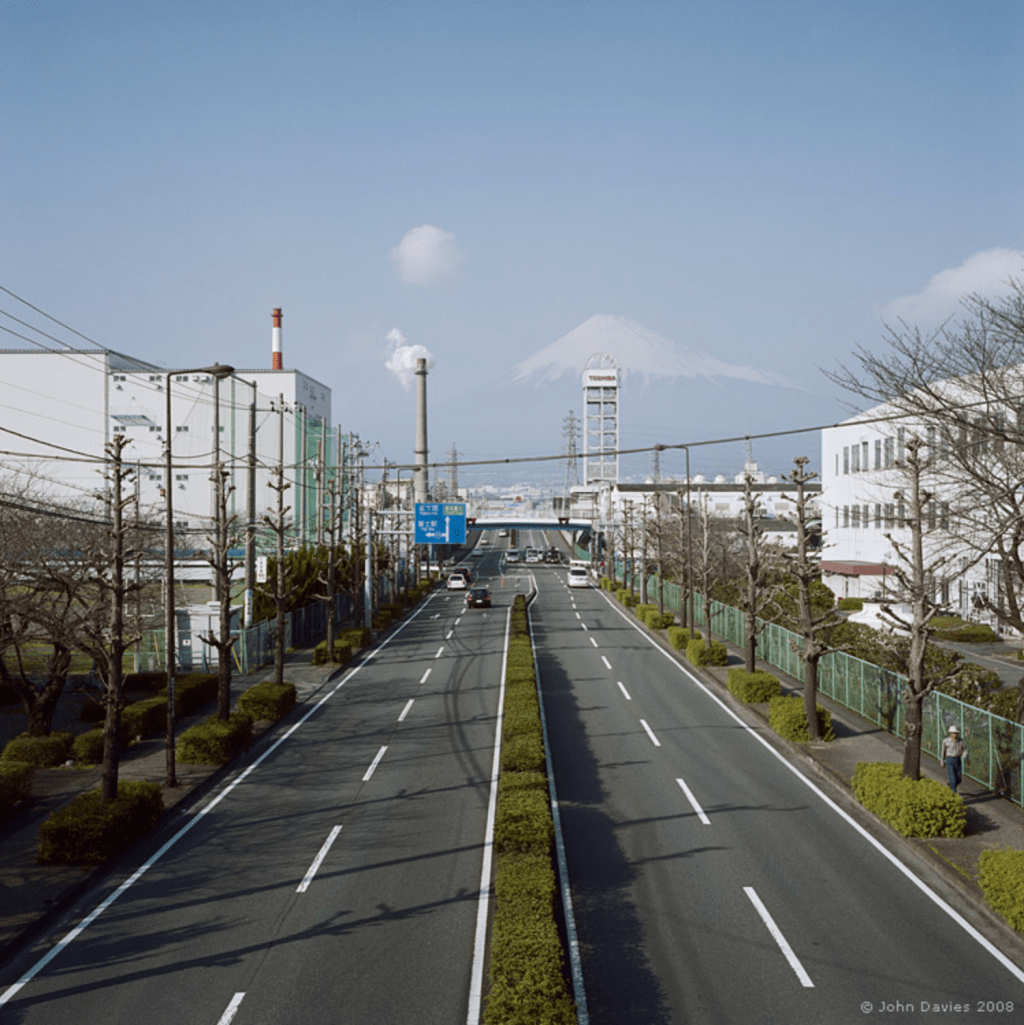
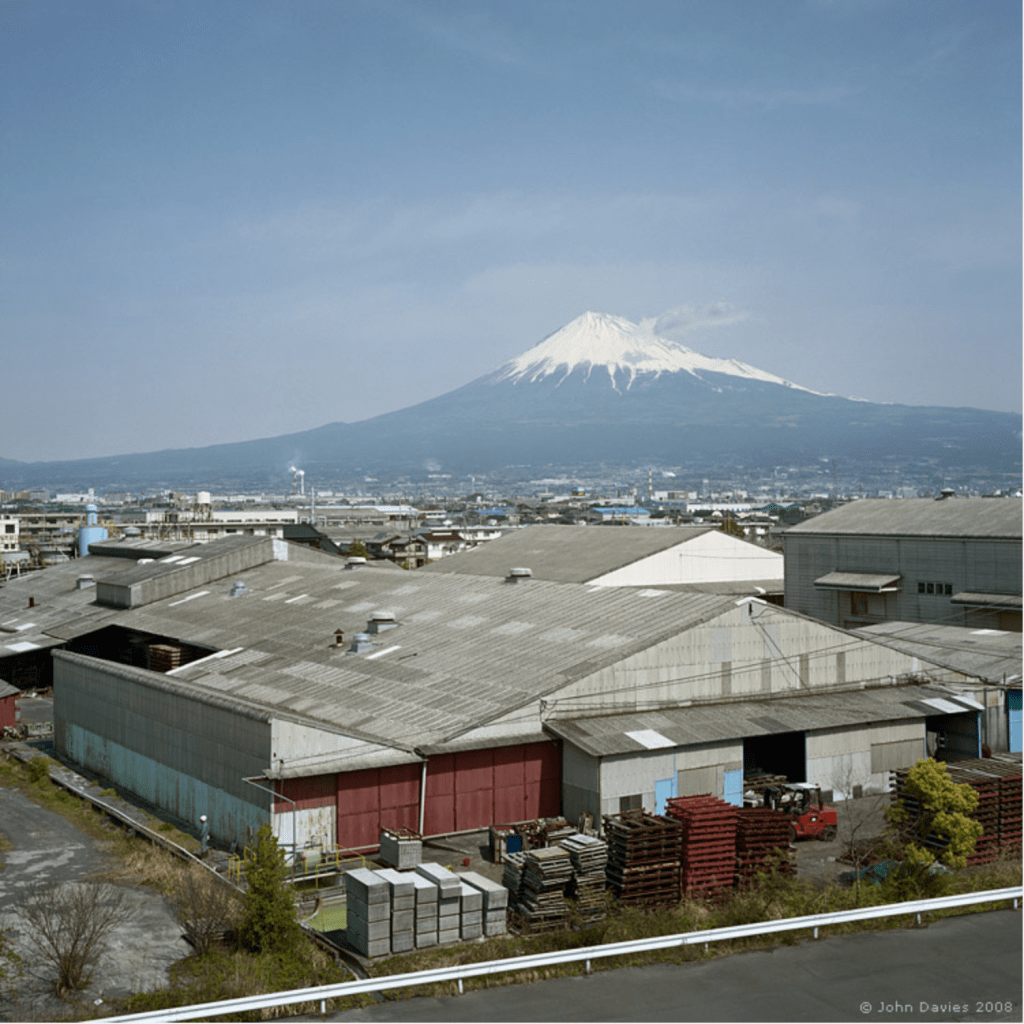
Of particular interest in Davies’ Fuji images are the way he has incorporated being within built up areas with the industrial surroundings and key features in the distance of the image. This is an element I aim to include in my own work. It is unclear whether Davies has used some elevation or whether he has found the locations appropriate for the images he desired however the images are still effective. These are considerations in my own images. Using what elevation I can while also experimenting without such vantage.
Davies, J. (2008). Fuji City, Japan. http://www.johndavies.uk.com/f418.htm
Davies, J. (1979-1983). The Side Collection. https://www.amber-online.com/collection/durham-coalfield/
 Andrews Masters Journey