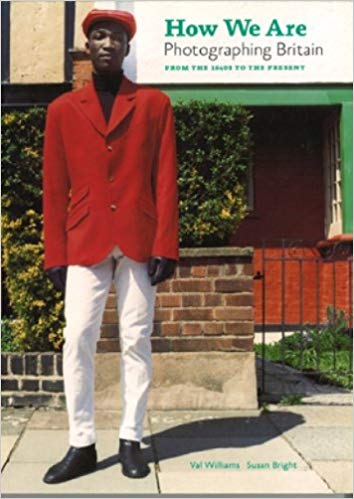
My first encounter with this book was as part of the reading list for my BA studies. A range of photography from Britain over a vast span of history with an accompanying Tate exhibition. I have again encountered this book while researching Simon Roberts ‘We English’ and have found it very useful for new leads.
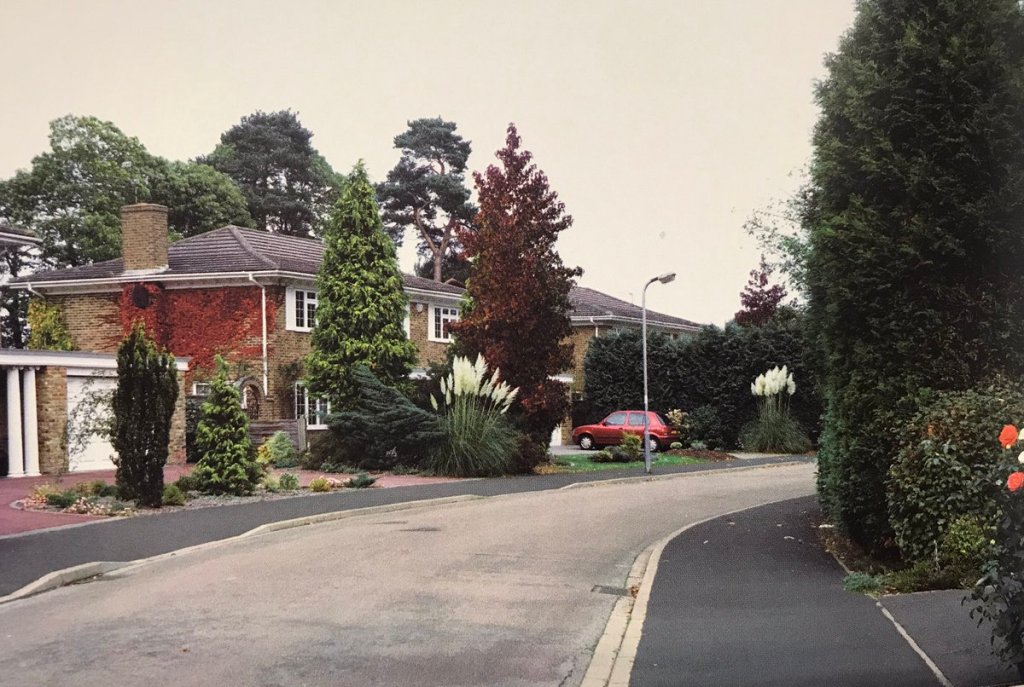
Fergus Heron has been of interest to be for many years following a guest talk by him during my BA. His nighttime images were very influential to my A Road Petrol Stations at Night work as outlined in my Module 1 Oral Presentation.
This image, Robin Hill Drive, featured in the ‘How We Are: Photographing Britain’ project. Although the skyline stops at the rooftops, these kinds of street based images around the Fawley site are amongst those I’m interested in making.
This particular image features a street level camera height, limiting the view somewhat and creating a less extraordinary image. I wish to take greater inspiration from Simon Roberts when considering camera height.
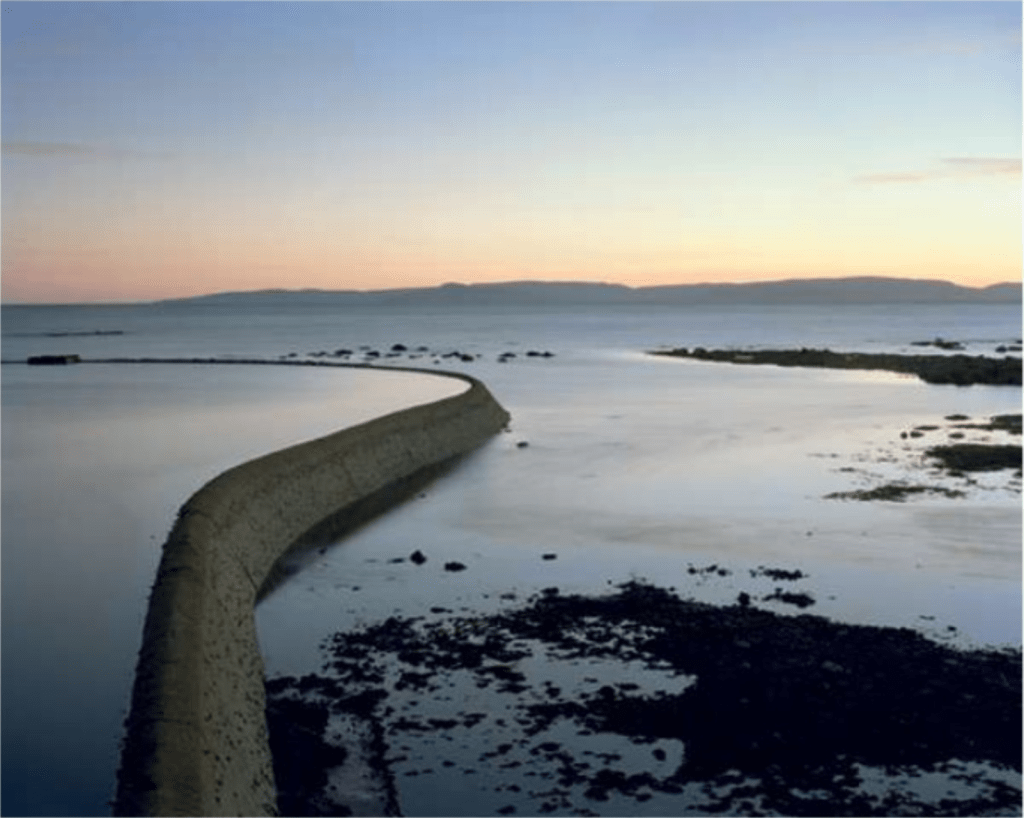
Simon Norfolk and his ‘Military Landscapes’ show picturesque seascapes of British submarine training grounds around the coast of Scotland.
As a series, the work is difficult to find and does not feature on Norfolk’s archive on his website. I do have a recollection of a segment of the BBC series ‘The Genius of Photography’ featuring a brief interview with Norfolk while he worked to photograph a new scene for the series.
The images are serene views which, without context, stand as their own impressive landscapes. With the context restored they become powerful demonstrations of post-modern landscape photography with an element of East photography along too.
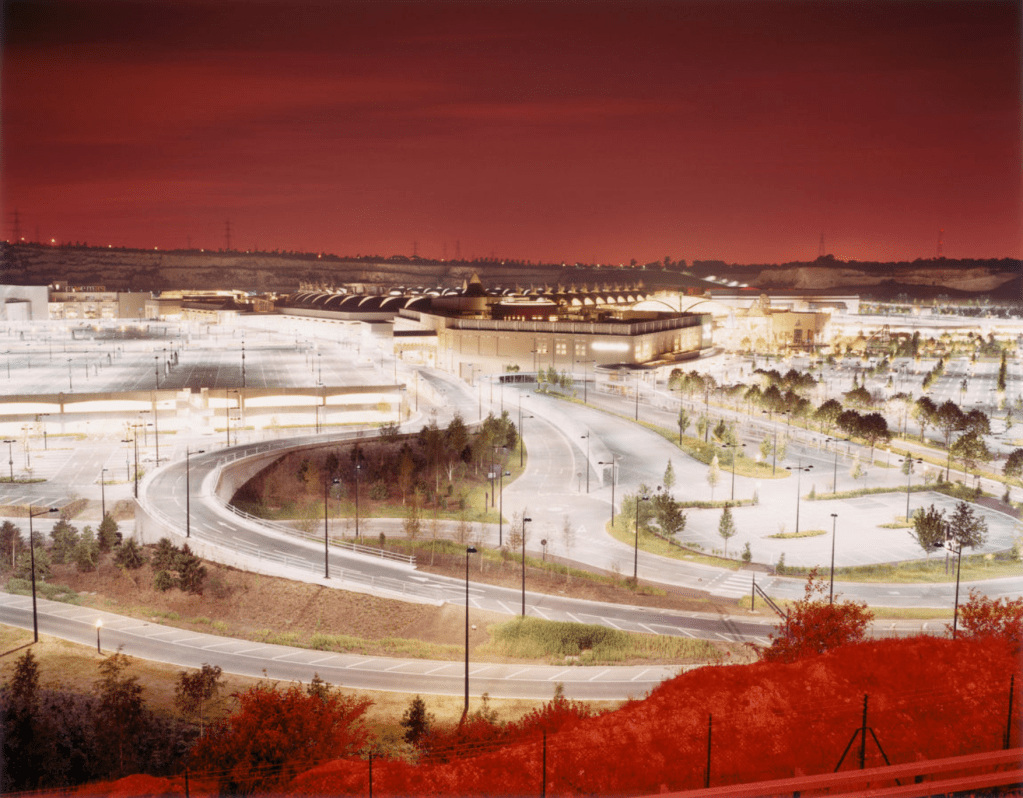
Dan Holdsworths ‘A Machine for Living’ is a series of four nighttime urban landscapes created at the turn of the 20th Century.
The images fit greatly into the field of ‘non-place’ photography. With no direct signs of life but as spaces purely for the purposes of mans use and recreation.
Created from a range of vantage points which have been clearly researched and choreographed to create the best images possible.
Holdsworths presence in the book cements himself as a part of the British landscape photographer scene of the 20th century. I will explore this in greater detail in dedicated pages of their own.
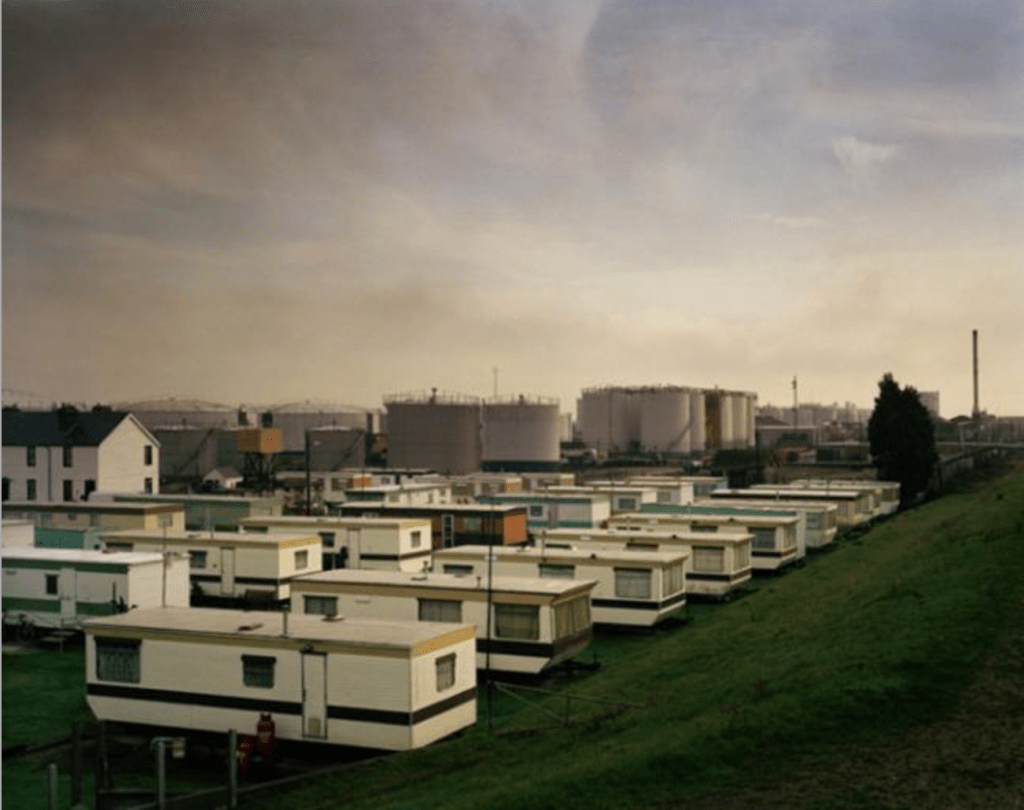
Jonathan Olleys short series of images entitled ‘The Sea Wall’ show the clash between the industrial and the commercial.
This particular image featuring as a part of the ‘How We Are…’ book demonstrates row upon row of static caravans besides gas silos.
The steep grass verge rising away obscuring the sea view sought by holiday makers.
This series will be assessed in greater depth in a page of their own.
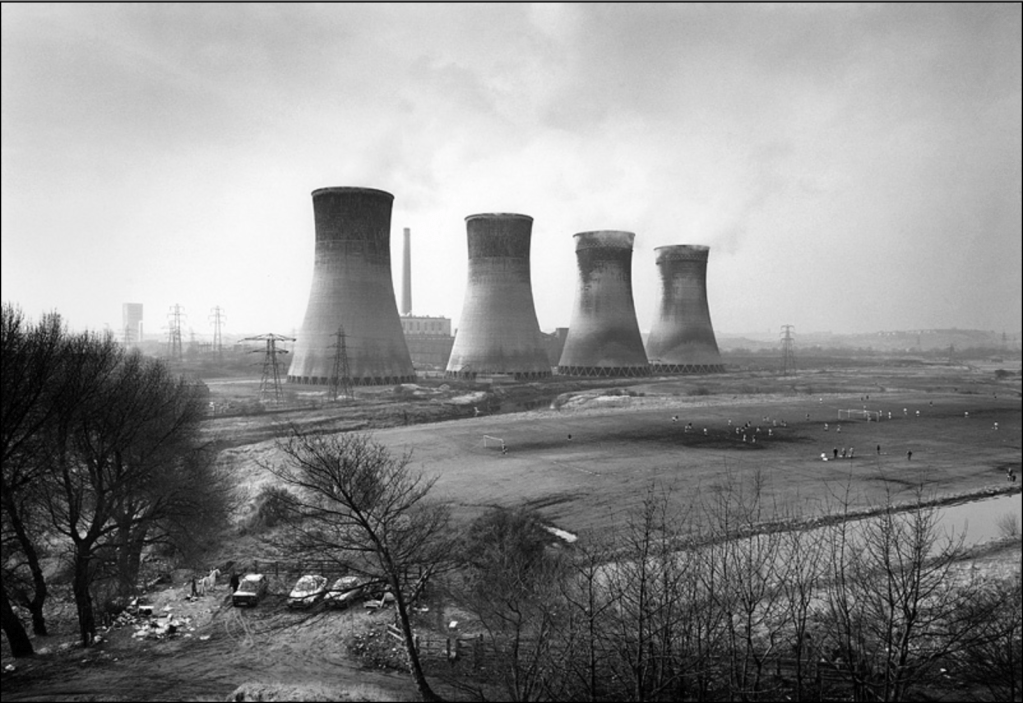
John Davies black and white studies of the impacts on the English landscape of the coal industry are stirring images.
The grey tones of the cooling towers of Agecroft Power Station in Salford, England strike out against the landscape they sit in. The use of black and white film helps aid this contrast.
Davies will receive a page of his own due to the importance of his photography to my own work.
Bright, S., Williams, V. (2007). How We Are: Photographing Britain. London: Tate Publishing.
 Andrews Masters Journey