
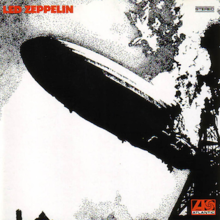
This lectures discussions centre around the iconic photograph by Sam Shere of the Hindenburg Disaster. The lecture goes through to discuss the relevance through different disciplines that the image has passed through in time. Being a historical event with implications both politically and commercially as well as later entering popular culture with its use as the album cover are for Led Zeppelin’s debut album.
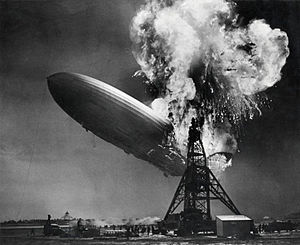
Which of the disciplines do you think are relevant to Sam Shere’s photograph?
In its initial form, the Hindenburg image stood as its own through photography and journalism as the documentation of a prominent disaster. The event would have most certainly caused waves in the way we travel as well as foreign policy between two nations which would, very soon after, be at war.
The Hindenburg image has moved through popular culture but only in time. Although cultural habits of the early 20th century were radically different to that of the 21st century, image take time to trickle through to popular cultural use. Its use on the Led Zeppelin cover is by far not the first time an historically relevant image has been used in popular culture.
In their self titled debut album, Rage Against The Machine utilised a previously iconic image from the Vietnam war era. The 1963 self-immolation of Buddhist monk Thich Quang Duc in protest of the Vietnam war had accompanying video footage also with the still image. Making headlines around the world and triggering a change in foreign policy by the then US President Kennedy with him quoted as commenting, “No news picture in history has generated so much emotion around the world as that one.”
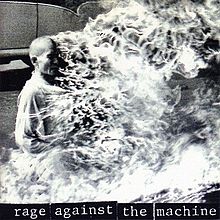
As with the Led Zeppelin cover, it took around 30 years for this famous piece of photojournalism to make its way into popular culture.
The relevant disciplines to an image always depend upon the approach you are taking to it. One who is not necessarily educated in reading historical and contextual studies may look upon these images and see only their popular culture application. Whereas someone collecting their paper from the news stands in the 1930’s or 1960’s would have seen and emotionally responded to only that image.
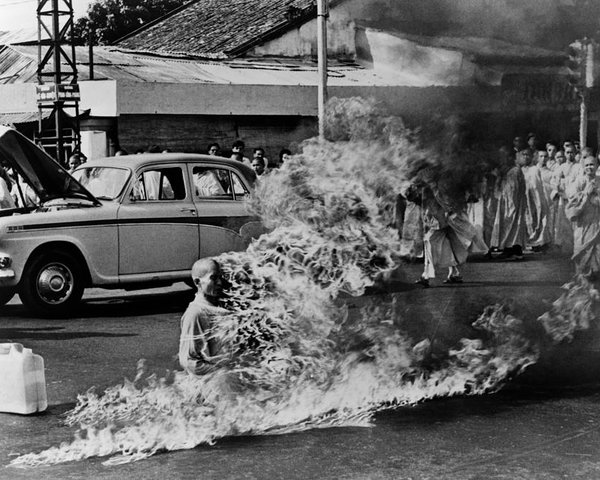
Do any of these disciplines resonate with your own practice?
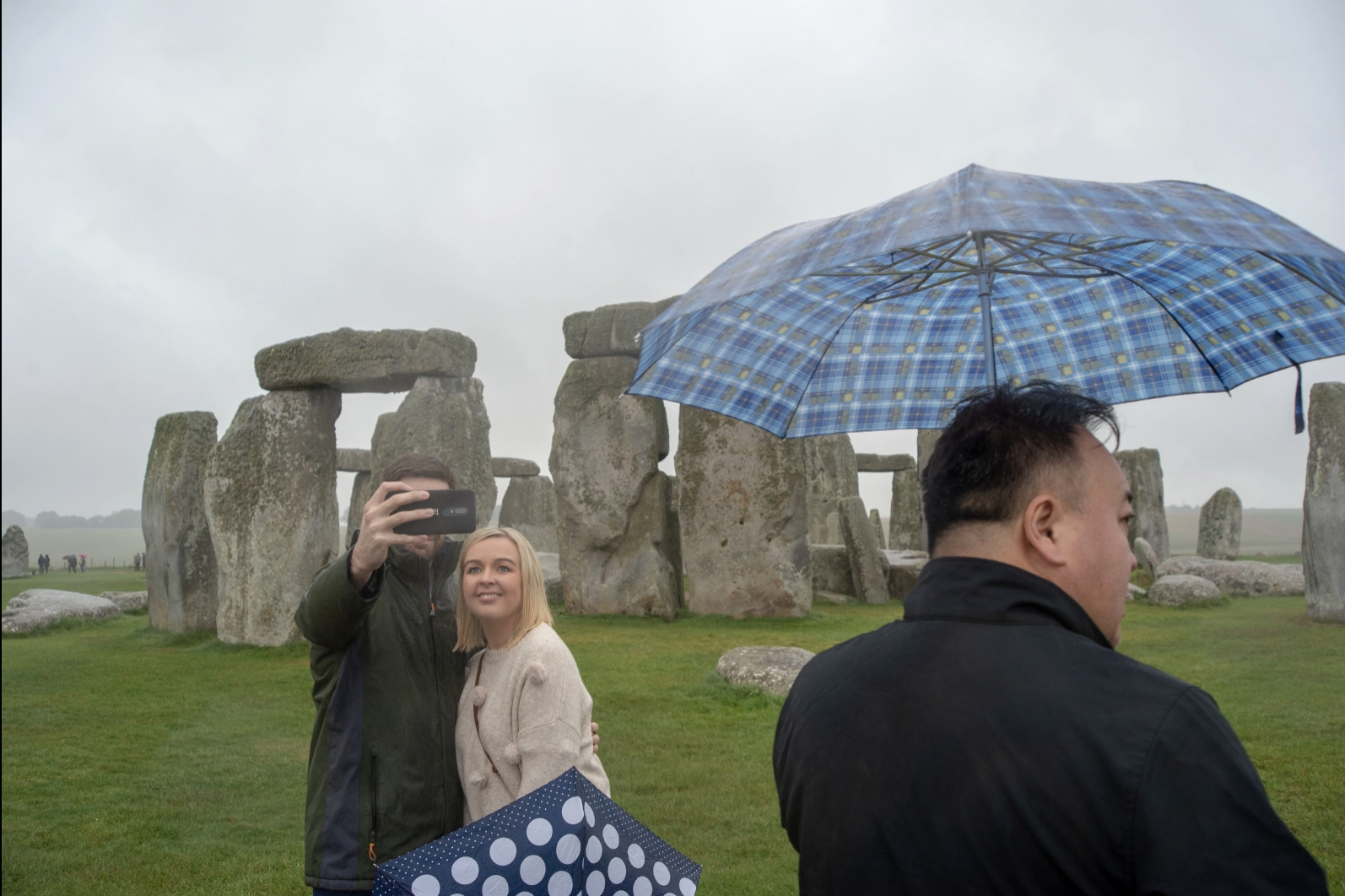
I feel that popular culture is a discipline which resonates with a particular ongoing body of work of mine. As a way of connecting to the cultural transience of events or objects, my photographs of people taking pictures, often at iconic landmarks explores the nature of our experience with things. In a time of the selfie stick we have an insistence to take our photograph with the thing we are visiting, it’s as if we didn’t then did we really go there?
 Andrews Masters Journey